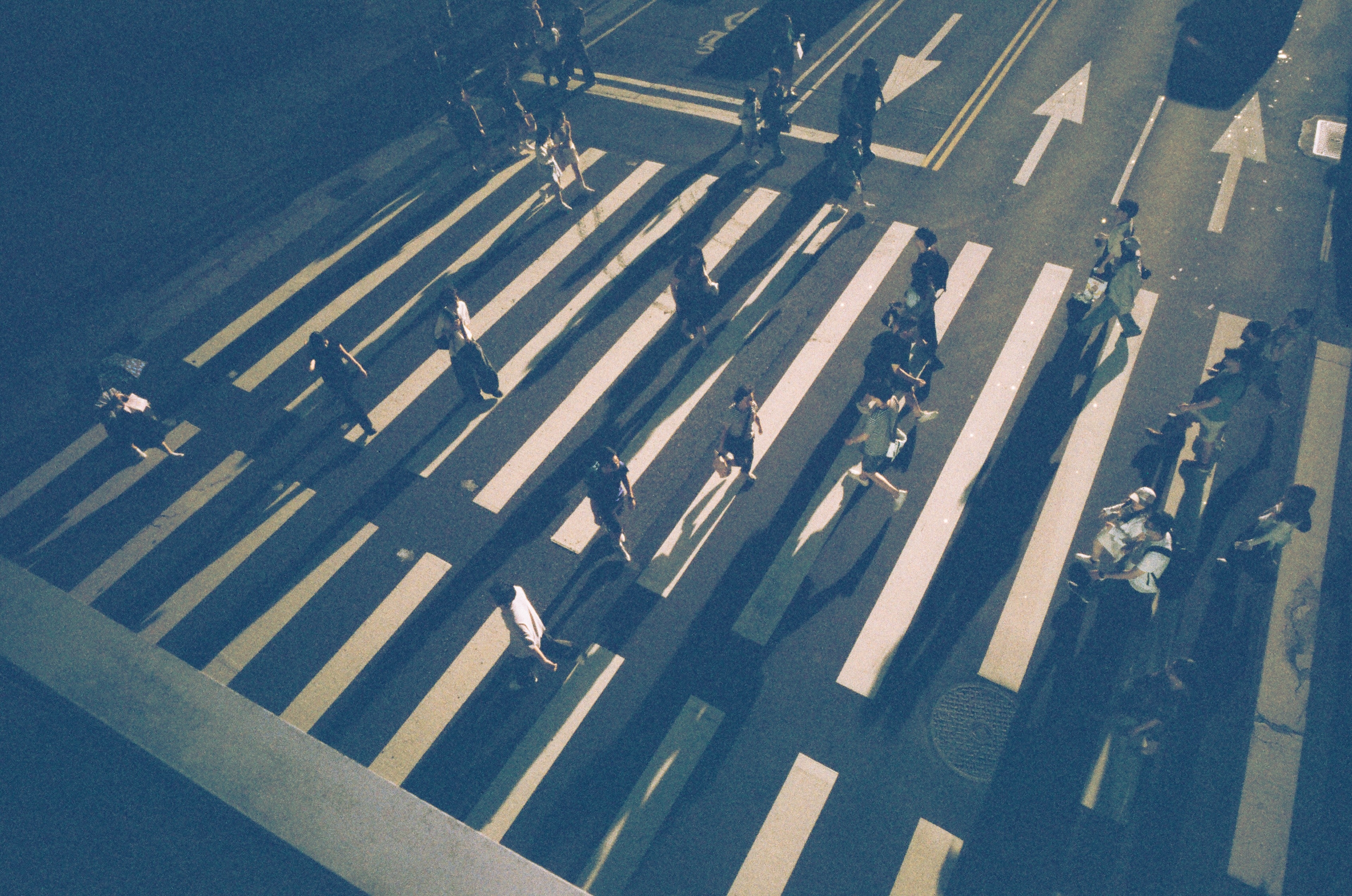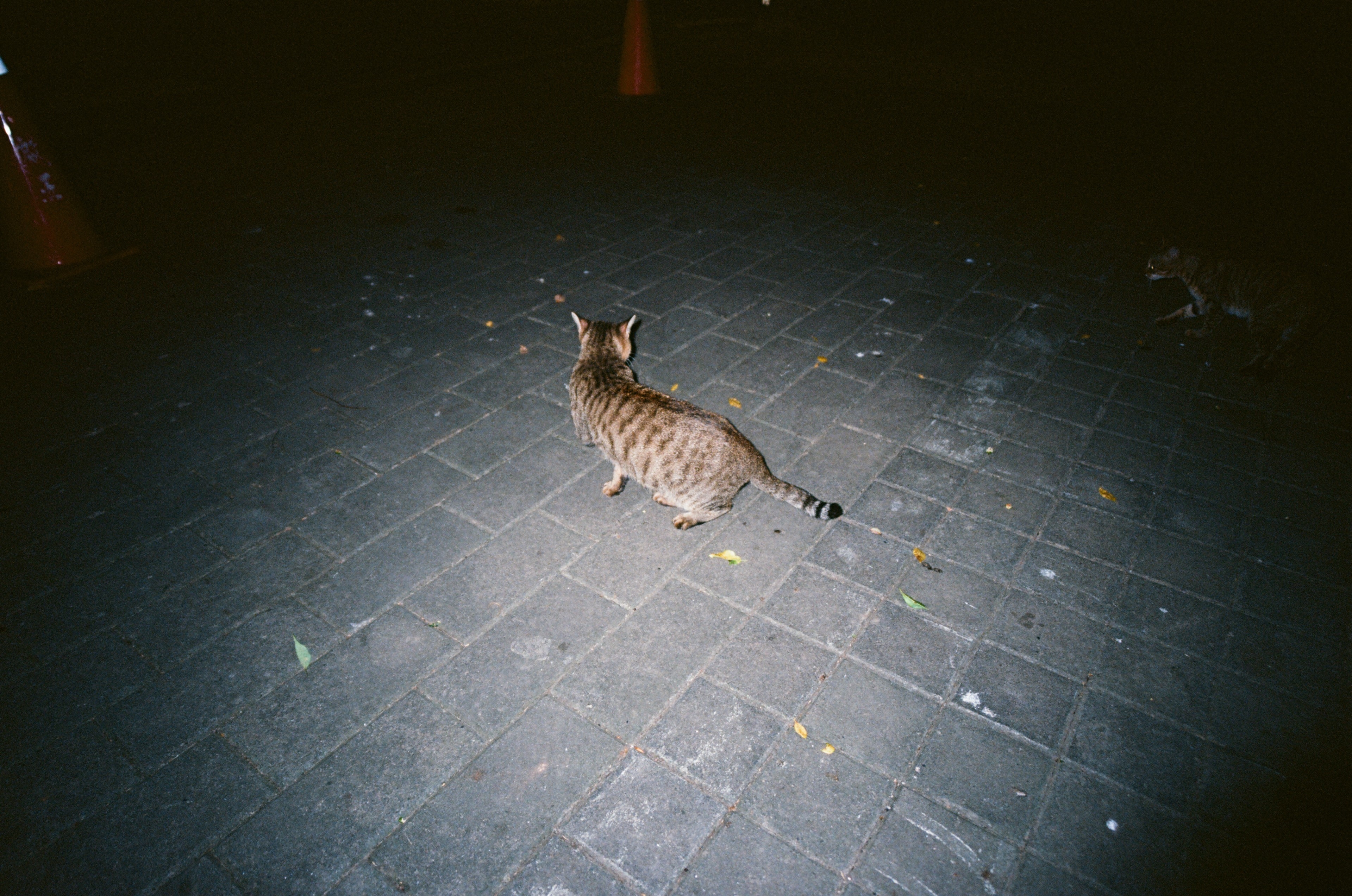

Roll 284
Camera: Konica Big mini A4 35mm f3.5
Film: Kodak UltraMax 400
Developed & scanned: DEP Lab 2025/8/20
Lately, I have been asking AI quite a few questions about film cameras, and from my experience so far, its understanding of this area is still fairly limited. Back in 2025, I asked ChatGPT whether there were any point-and-shoot cameras that could properly handle mirror selfies, meaning you could shoot into a mirror and still get accurate focus. It suggested the Contax T2 and Ricoh GR1, claiming they used more advanced autofocus systems, but in reality, neither of them can do that, and up to this point, I still do not know of any camera that truly can.
More recently, I asked Gemini about the Olympus C-AF, and it told me that the flash could not be turned off, even mentioning a red-eye reduction mode. That is clearly incorrect. The Olympus C-AF, released in 1981, has a physical flash switch and is able to remember whether the flash is turned off, which is actually a very practical and important feature. For humans, not knowing what we do not know is already a major limitation, and the same applies to AI. If it cannot recognize its own uncertainty, then in some cases, its answers can be less reliable than slowly going through forum discussions, especially in a niche field like film cameras.
Over time, I have had many different ideas about film photography. At one point, I seriously considered writing a book, because back then I believed it was something I could complete. However, as I learned more, I gradually realized how much I did not know, and the more I explored, the harder it became to define any clear endpoint. There was always something new to discover, and because of that, the idea of writing a book slowly lost its meaning for me.
After that, I shifted toward building something online, which later became GrainHunter. This project was largely a technical experiment, and more than half of the technologies I used were things I had never worked with before, which made the whole process genuinely enjoyable. But once the structure was complete, it quickly ran into a very simple problem: no one was visiting the site.
From the beginning, GrainHunter was designed as a fully English website, with the intention of reaching a broader audience beyond Chinese-speaking users. However, that also meant it was competing directly with countless existing English photography websites, and without deliberate promotion, it is extremely difficult for a new site to stand out. For me, the most effective way to build organic traffic has always been writing blog posts, because once something is published, it can continue to attract readers over time. The problem is that I already struggle to find enough time to maintain this blog, let alone run a separate English blog for GrainHunter, so for now, that project is effectively paused, and I have learned to accept that without feeling any pressure.
Even though GrainHunter is currently inactive, my interest in writing about film photography has not changed. Instead of building something new, I started thinking about a different approach, which is to turn this site into a bilingual one by gradually creating English versions of what I have already written. It may be a slower process, but it feels far more practical.
At the beginning, I also considered adding more languages, such as Japanese, German, French, and Simplified Chinese, because if the goal is to reach a wider audience, those languages clearly matter. Japanese and German each have over 100 million speakers, French has more than 300 million, and Simplified Chinese exceeds a billion. However, every additional language also increases the workload significantly, not only in translation but also in long-term maintenance, so after some consideration, I decided to focus on English first. If adding English content successfully brings in more non-Chinese readers, then it will prove that this direction is worthwhile, and from there, expanding into other languages can be considered later, if time allows.
Looking at my Google Analytics data for 2025, about 92.4% of my readers are Chinese-speaking, with the United States accounting for 2.6% and Japan 1.3%, while all other regions remain below 1%. My goal over the next one to two years is to increase the proportion of non-Chinese readers to over 50%. It is an ambitious goal, especially considering that very few photography blogs operate in multiple languages, and even fewer within the niche of film photography.
If this approach works, there is also another possibility worth considering, which is that this content may eventually become part of what AI learns from, and over time, perhaps the quality of AI-generated answers about film cameras will improve. That is something I would like to contribute to.
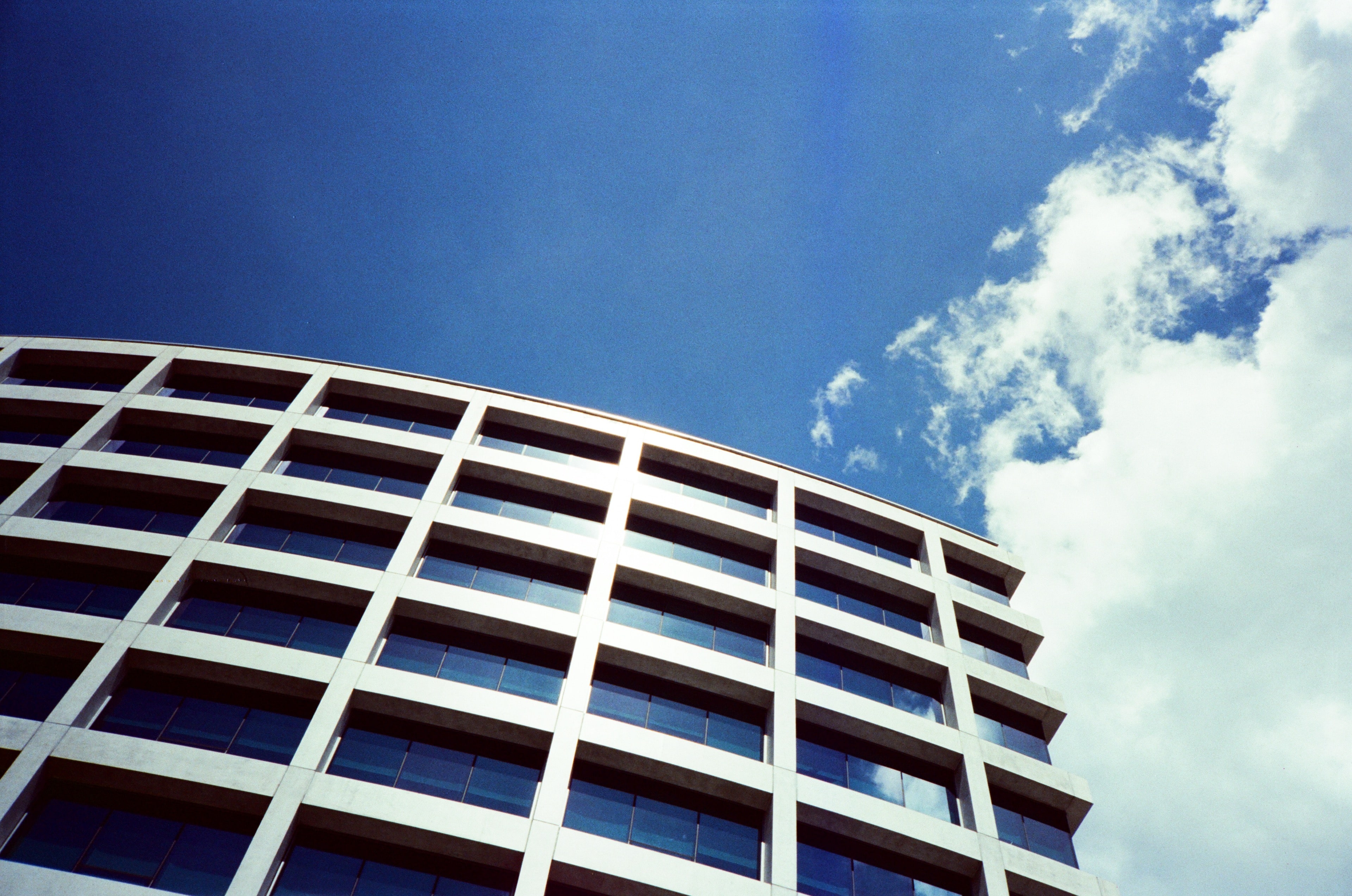
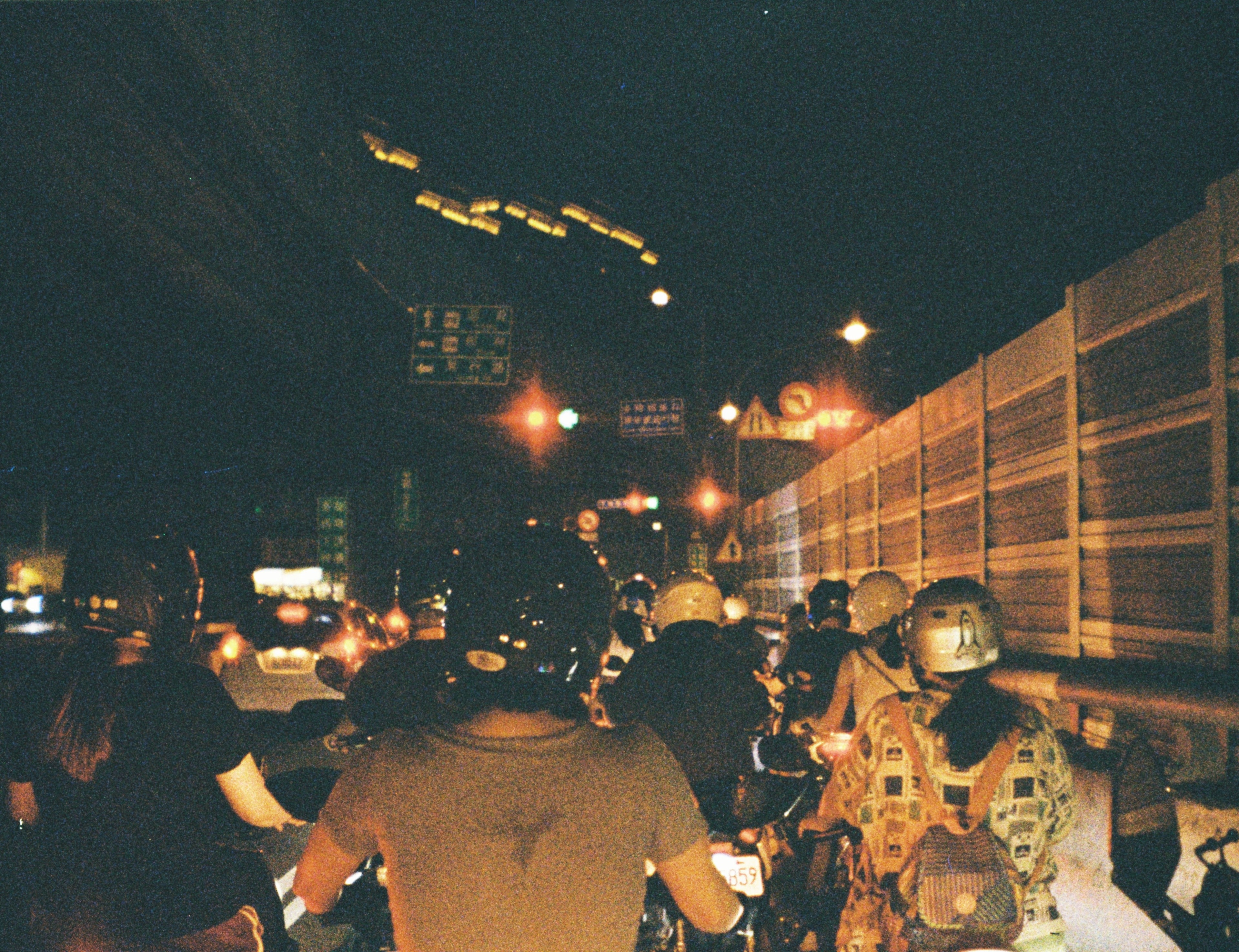
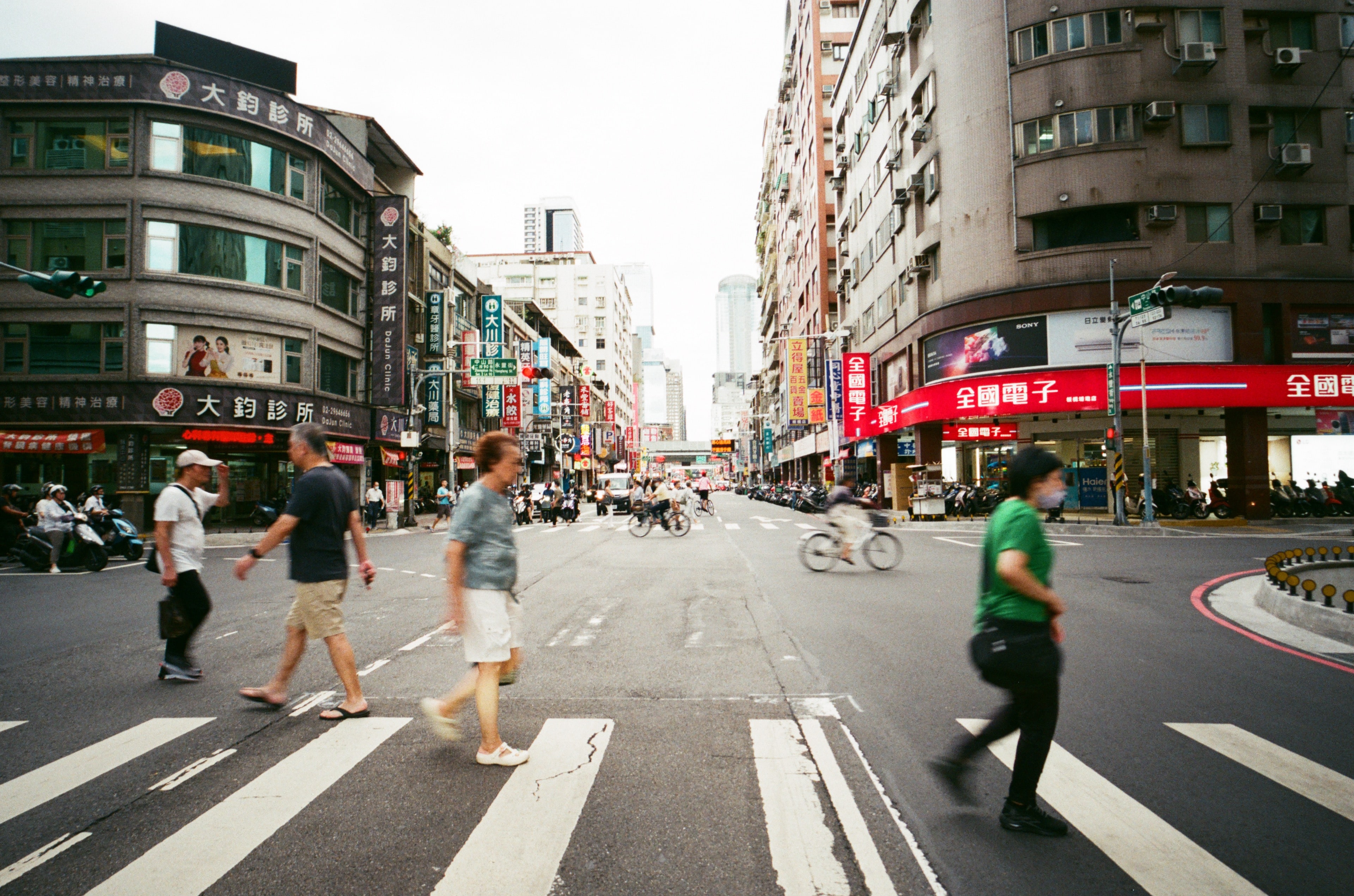
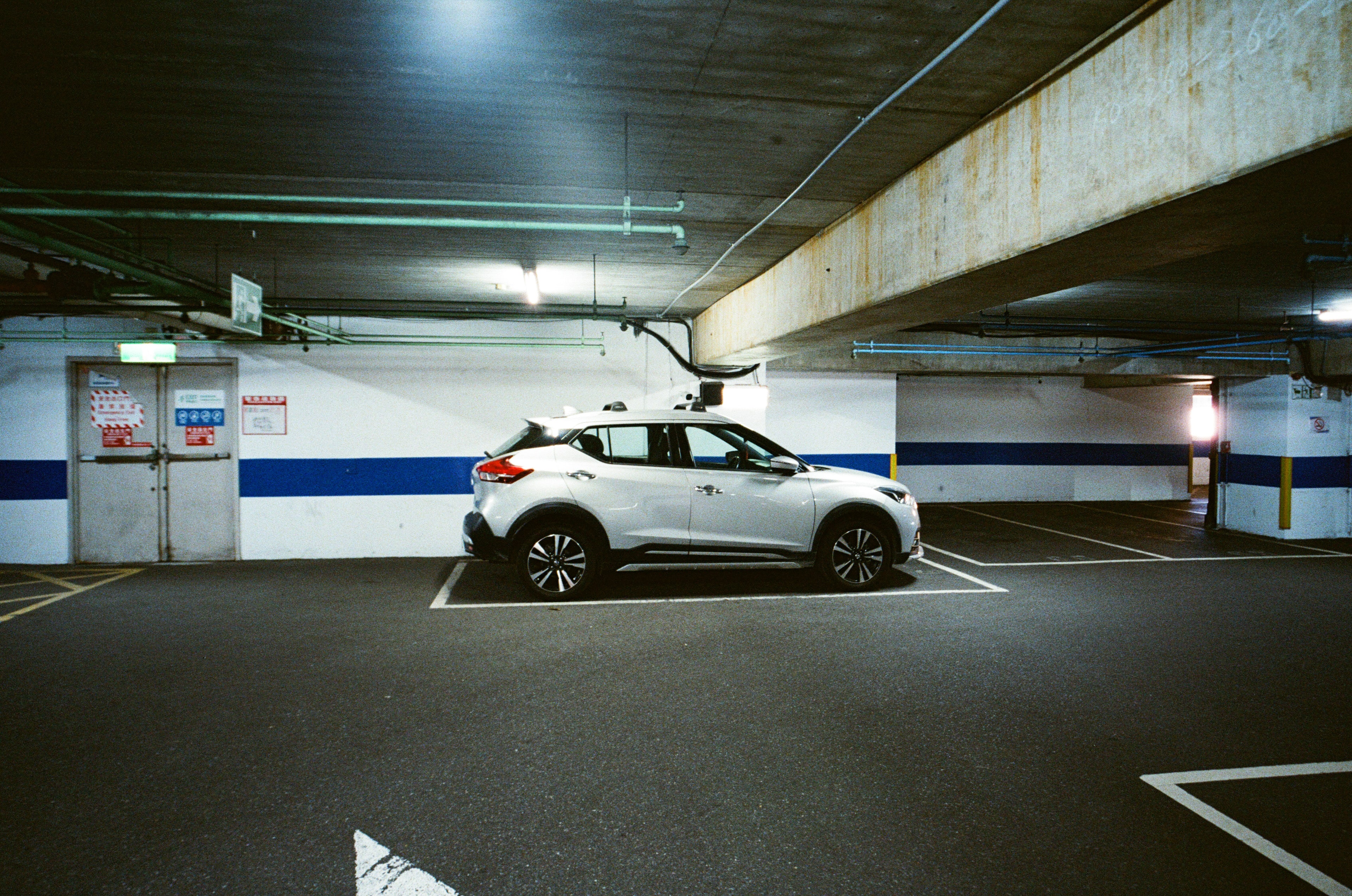
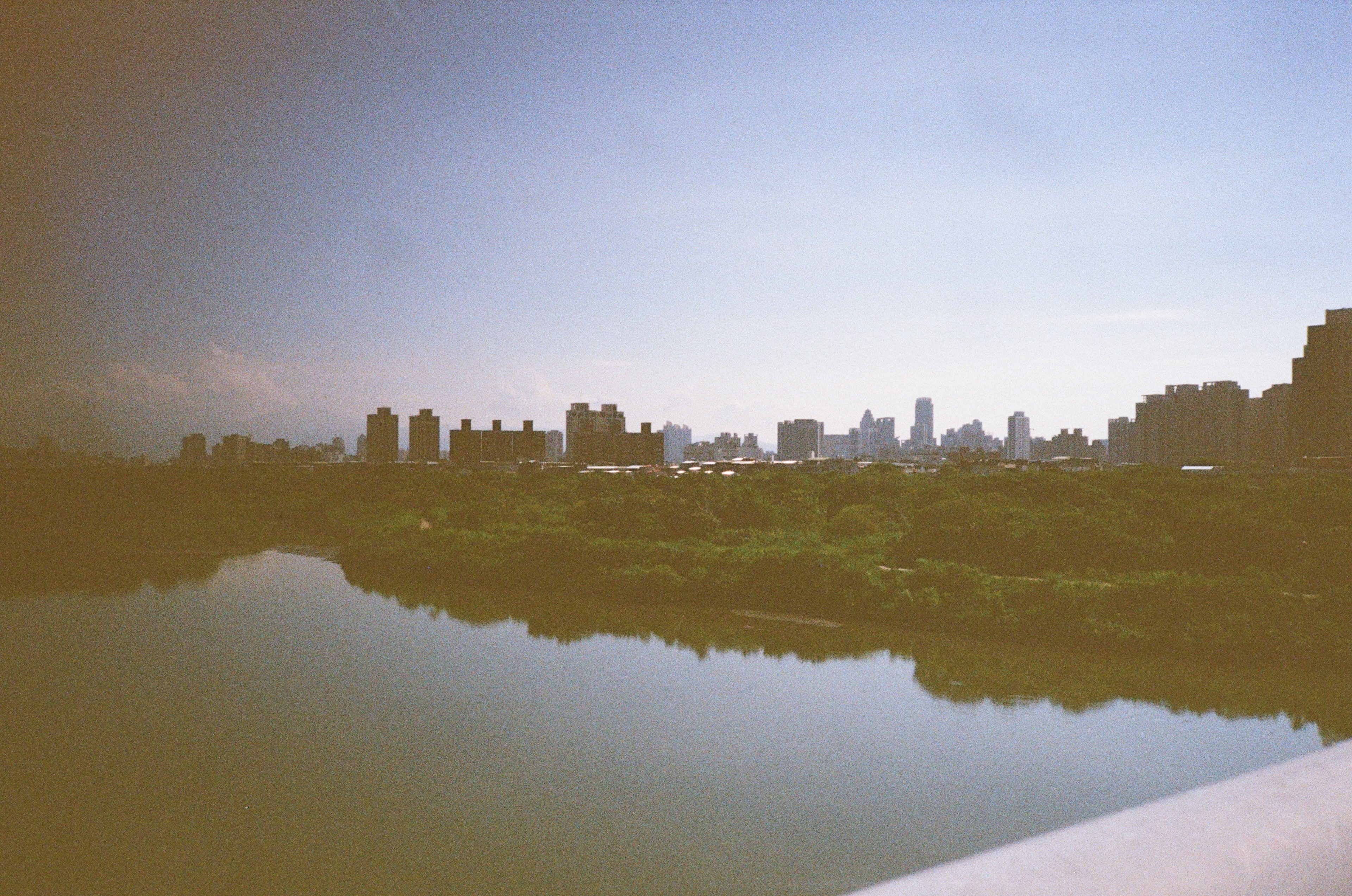
The camera used for this roll was the Konica Big mini A4 35mm f3.5. It has a slight issue, as most of the frames came out underexposed, which suggests the shutter is not opening properly. However, under these conditions, Kodak UltraMax 400 showed a noticeably different character, and compared to the usual Kodak look I am familiar with, the results felt surprisingly distinct.
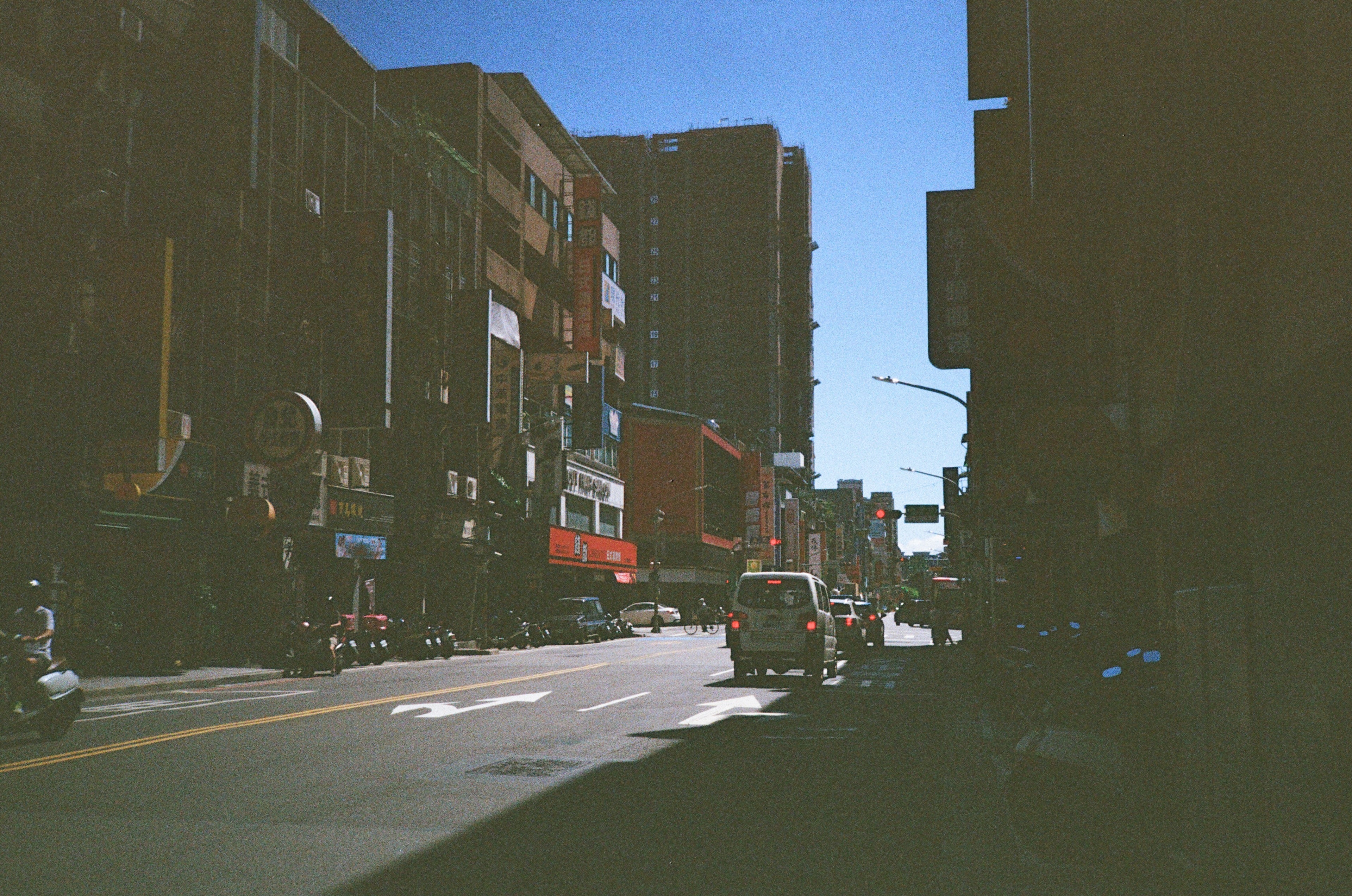
#1
A bright morning. I was heading to Decathlon to buy a swimming float for my son.
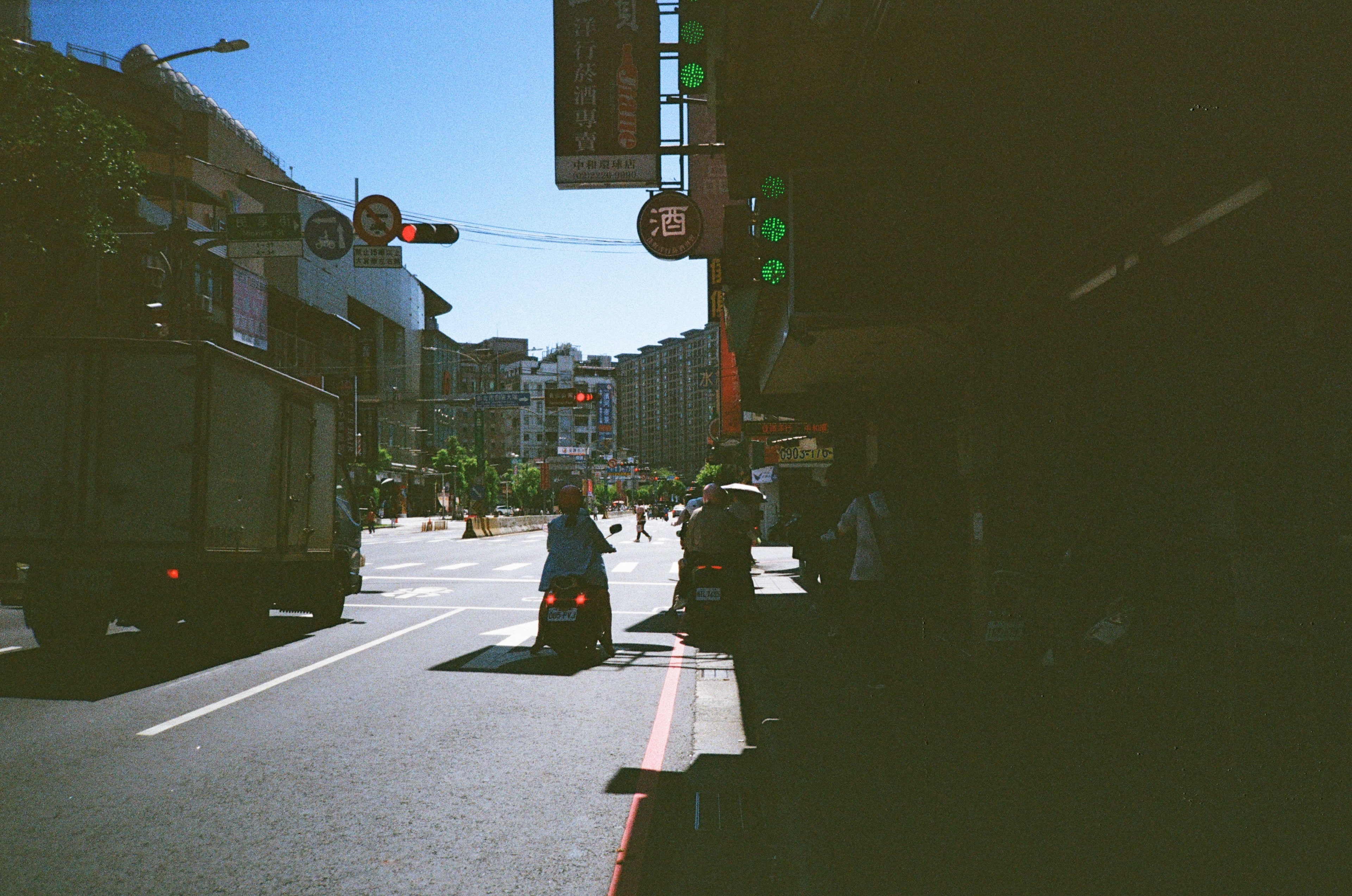
#2
The sunlight was intense enough that scooters were all parked in the shade.
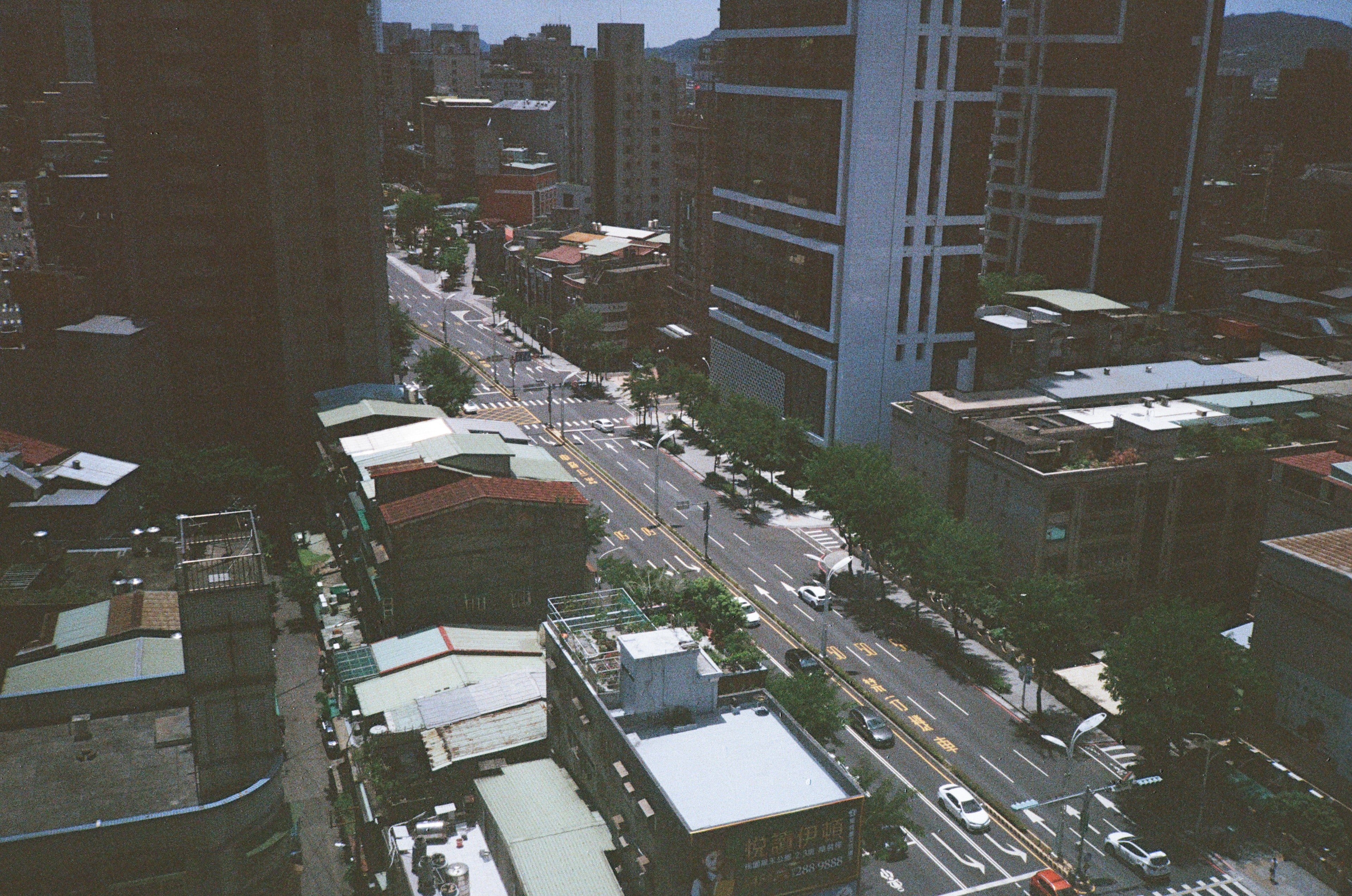
#3
My brother was visiting from the US. This was the view from their hotel. Even though I have lived in Banqiao for years, I rarely see it from this perspective.
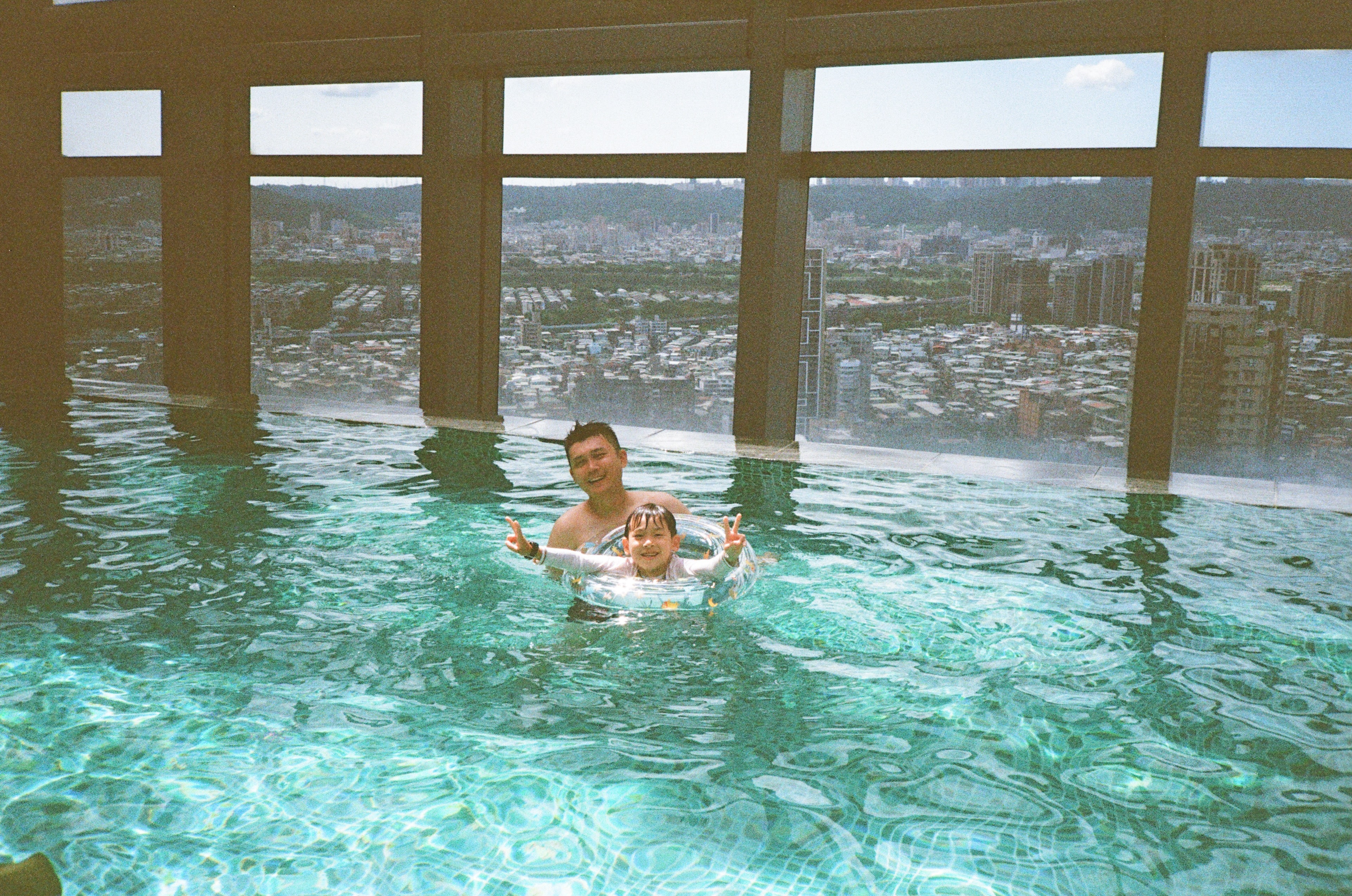
#4
At the hotel pool with the kids. I could not swim at the time because my arm had not fully recovered.
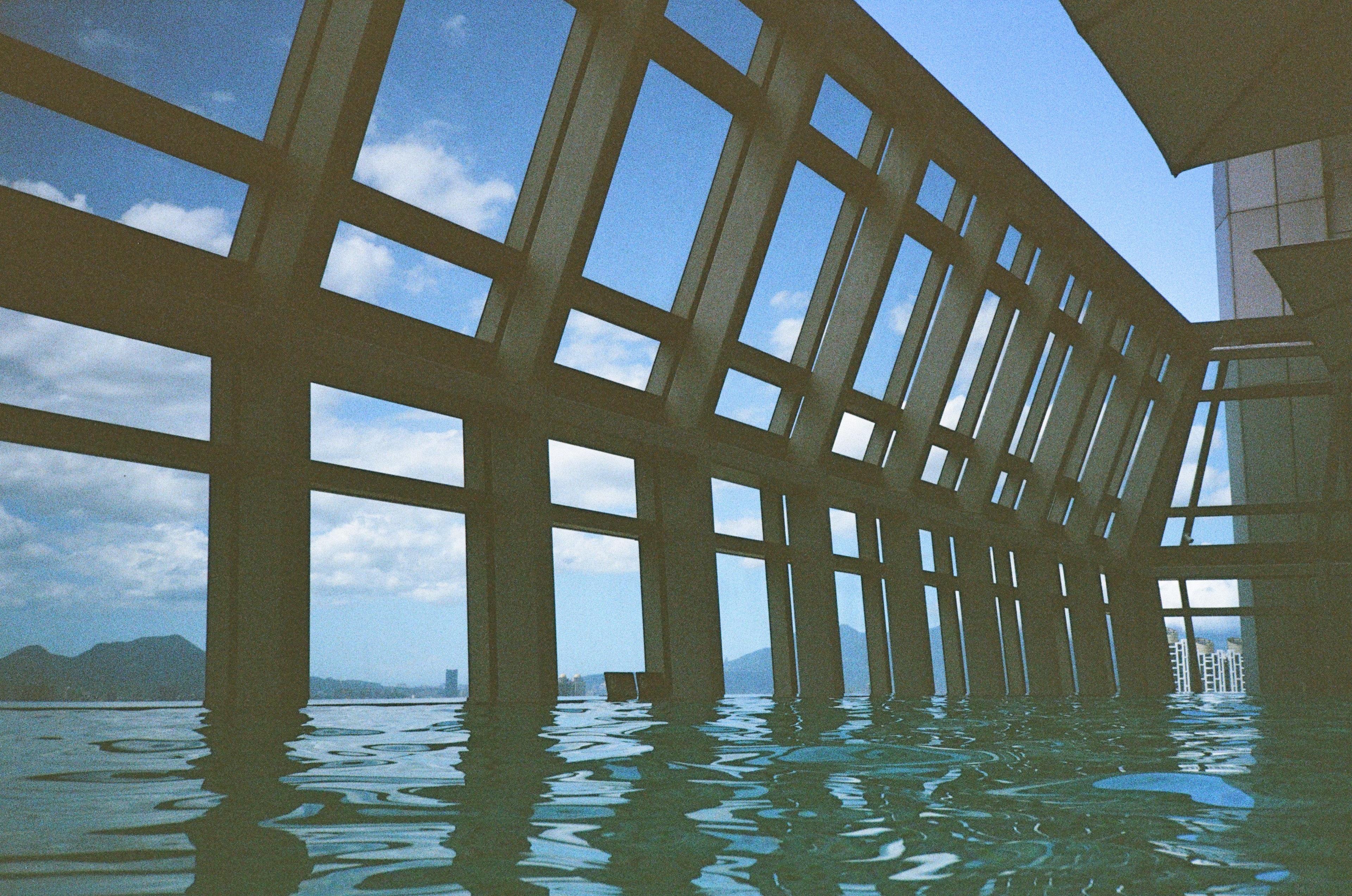
#5
A beautiful outdoor pool.

#6
The sunlight was too strong to keep my eyes open, and I also used this moment to test the selfie capability of the camera.
#7
I am not sure if this counts as an infinity pool, but it felt very relaxed.
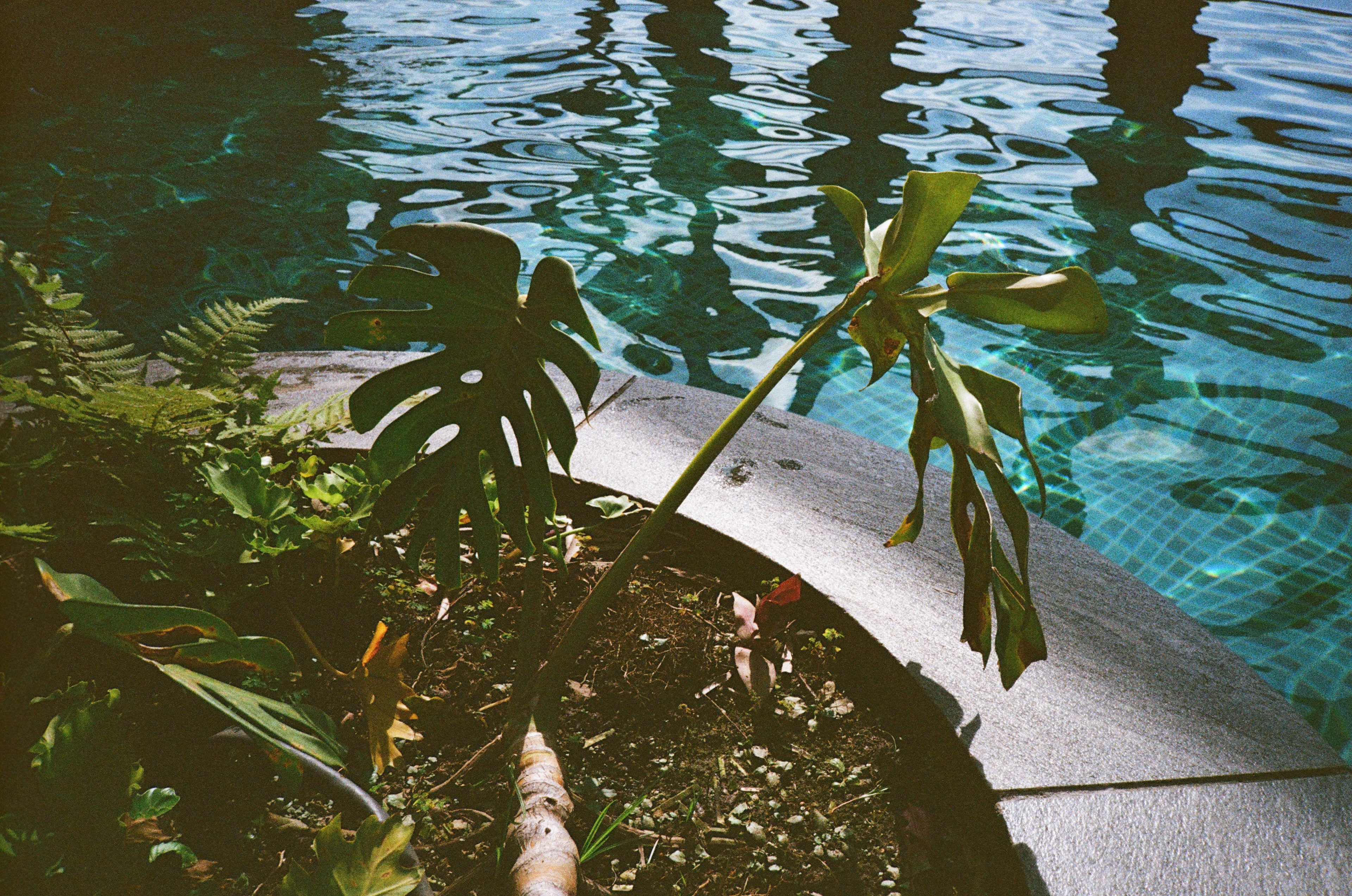
#8
Personally, Monstera is the most beautiful green plant.
#9
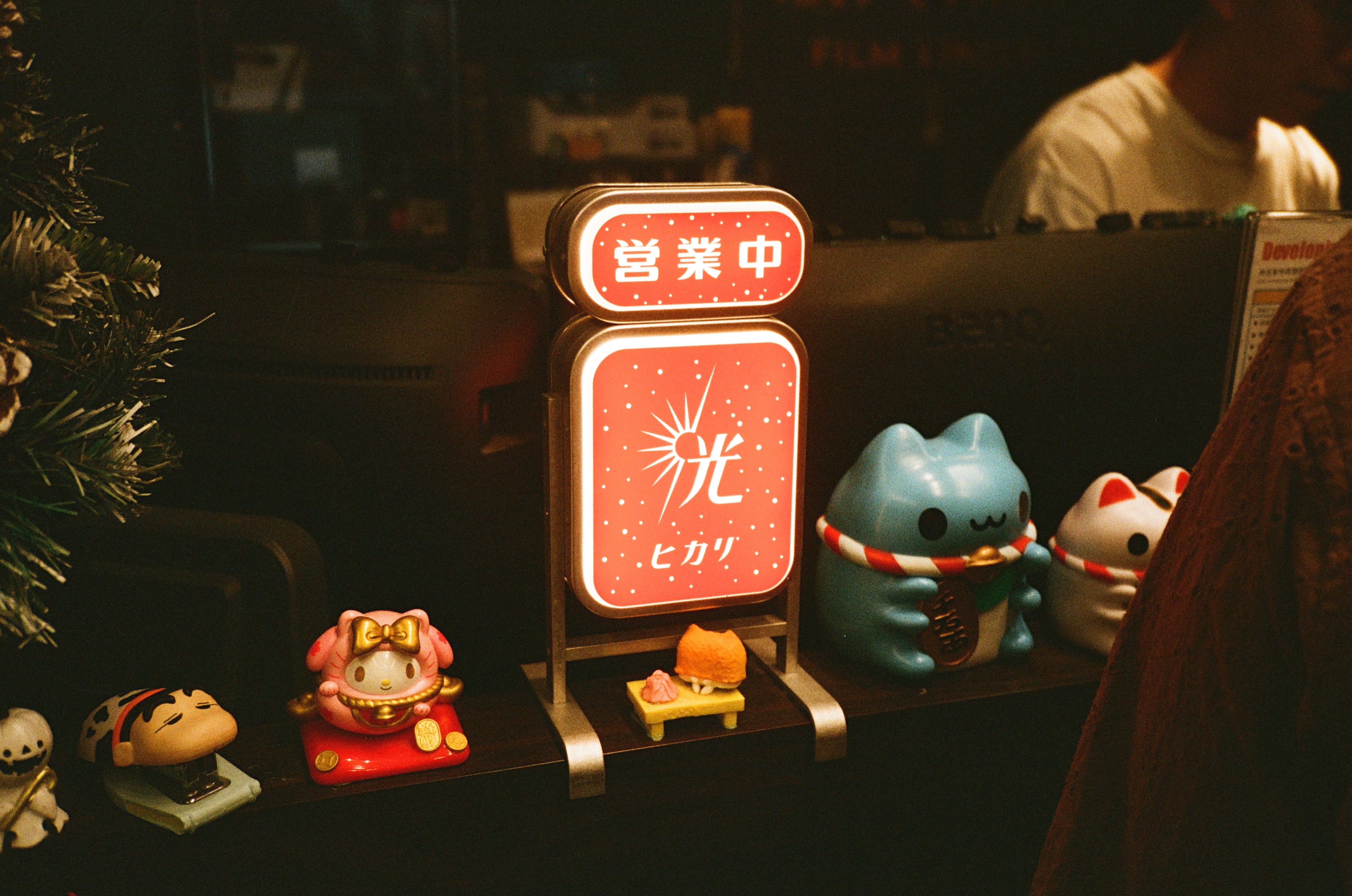
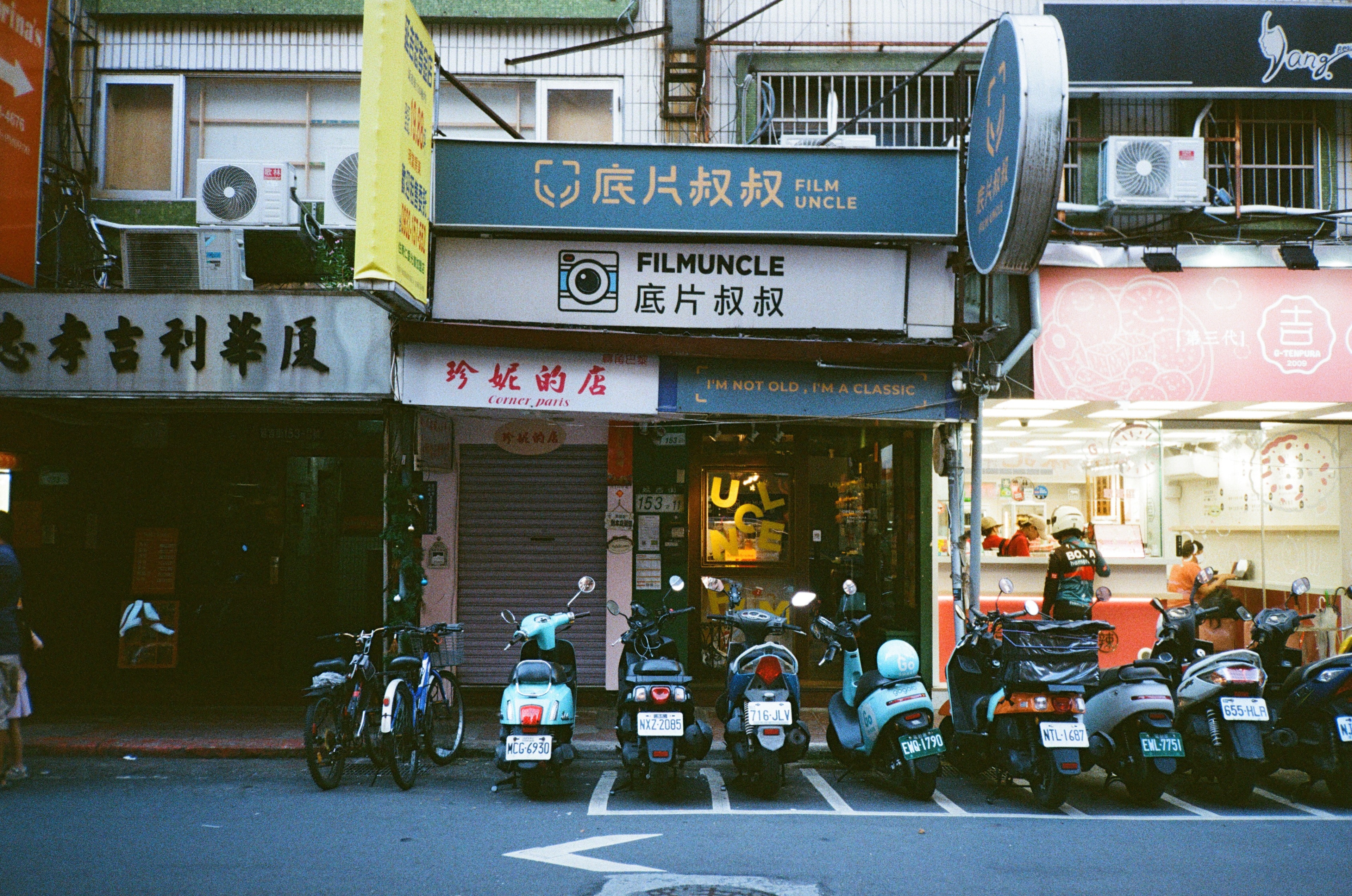
On the way to dinner in Taipei, I passed by a film shop called "FilmUncle." I had photographed the same scene back in 2024 using a Konica Big mini F.
#10
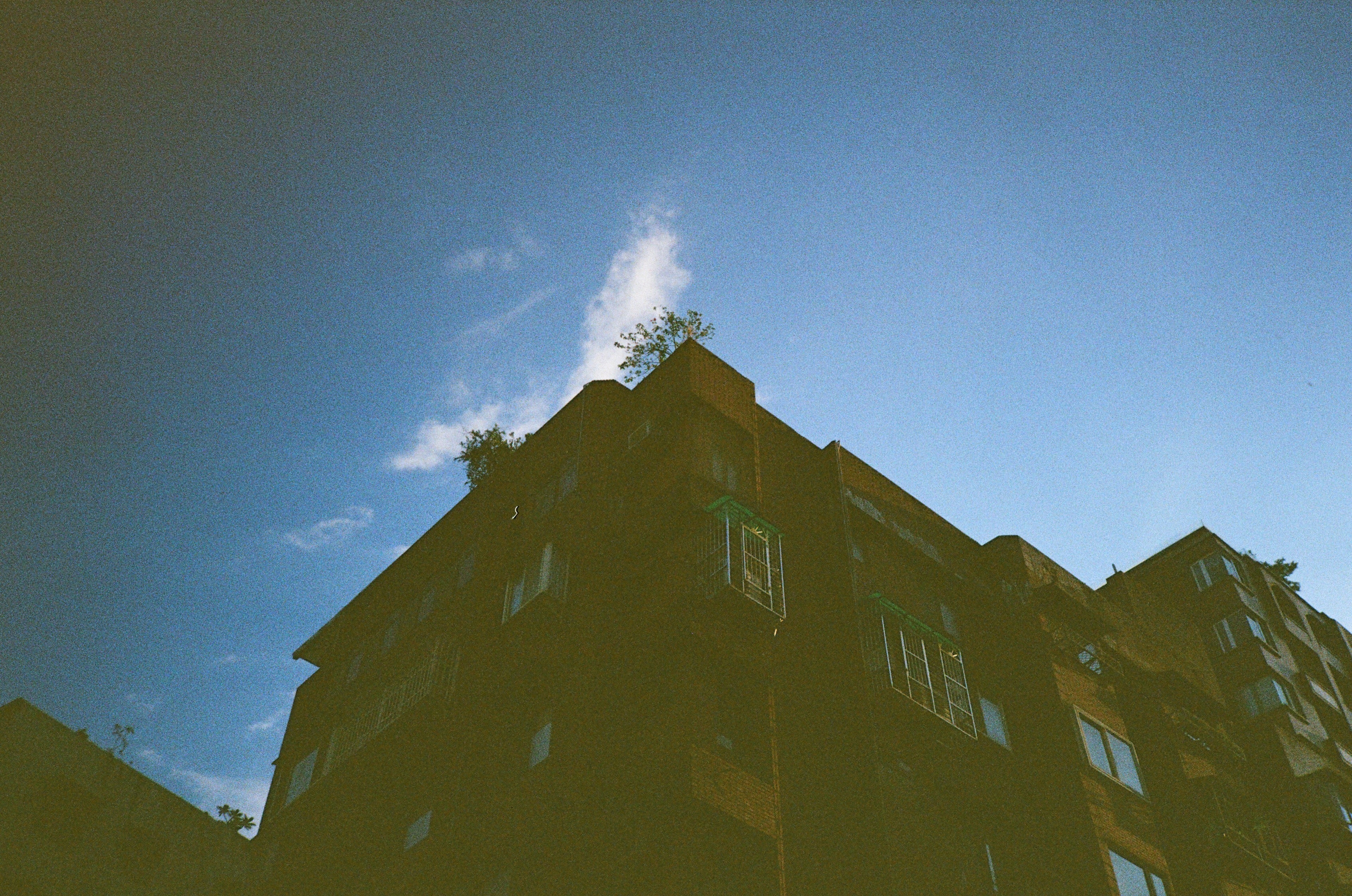
The dark band appearing on one side of the frame seems to be a sign of shutter failure.
#11
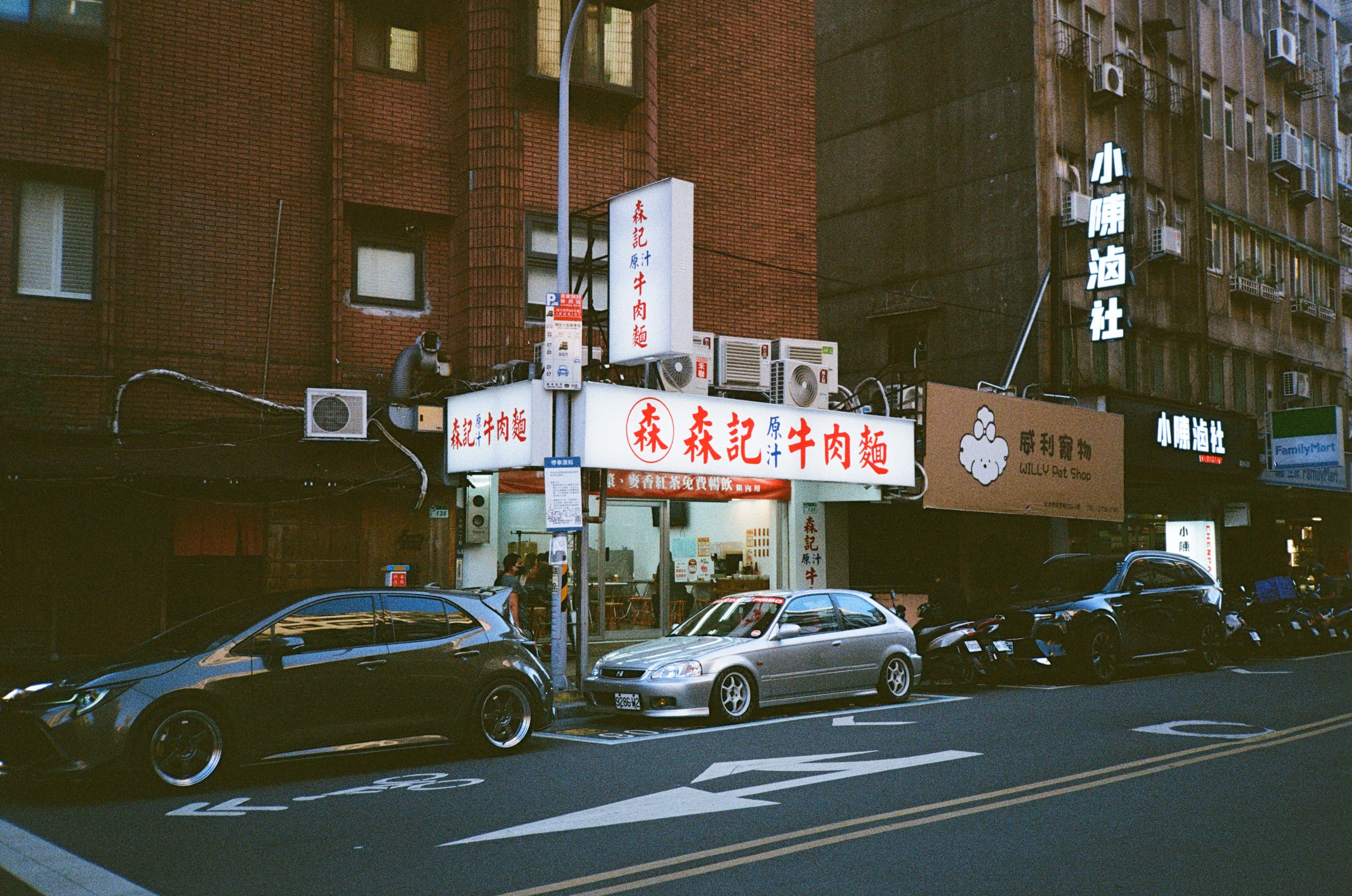
Over the past year, I have noticed many beef noodle shops like this. The menus and signage feel almost identical, yet the owners are all different, which makes me wonder if they are somehow connected.
#12
"FilmUncle," a film photography store in Taiwan.
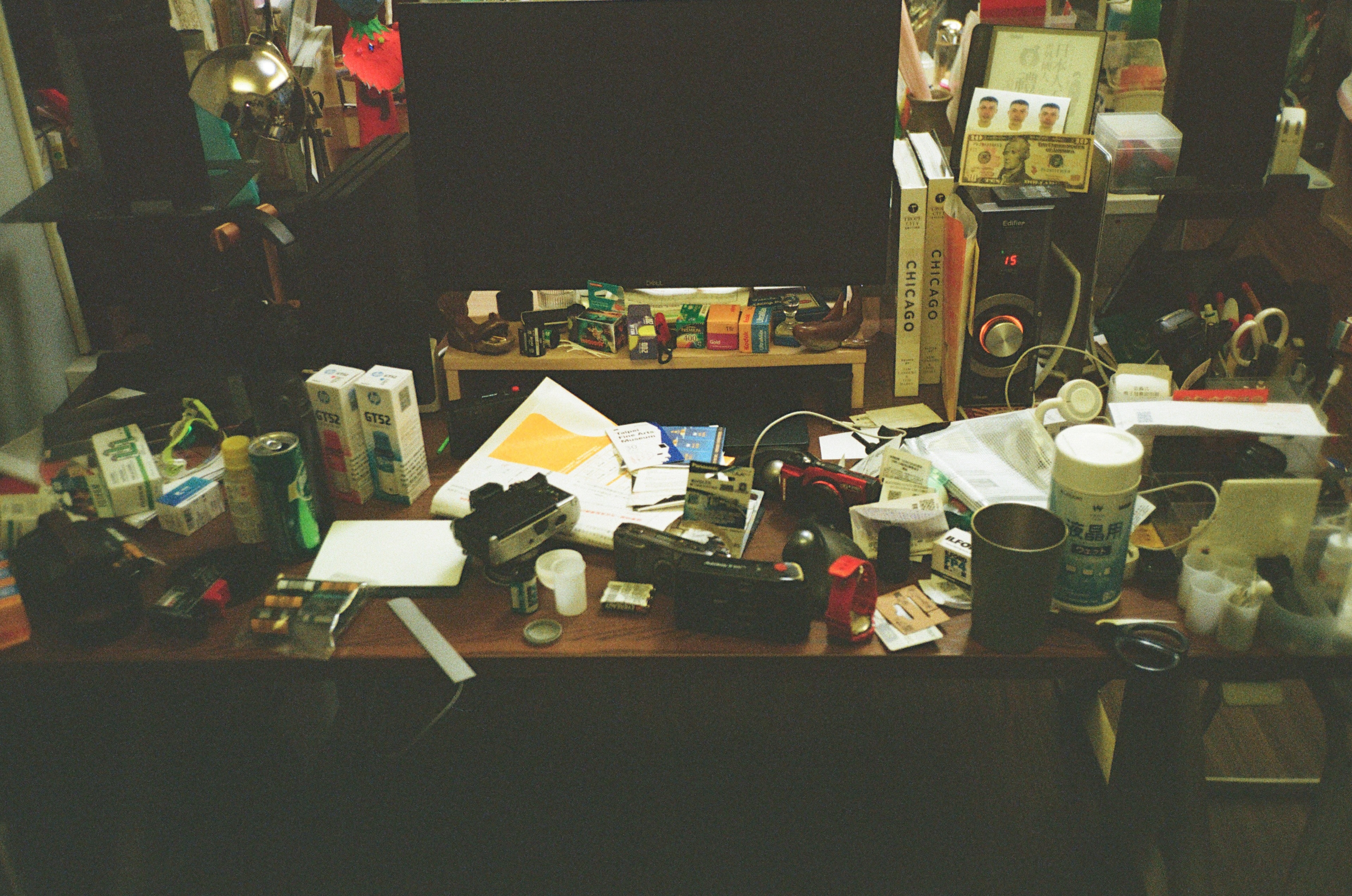
#13
My desk. A bit messy, so I documented it.
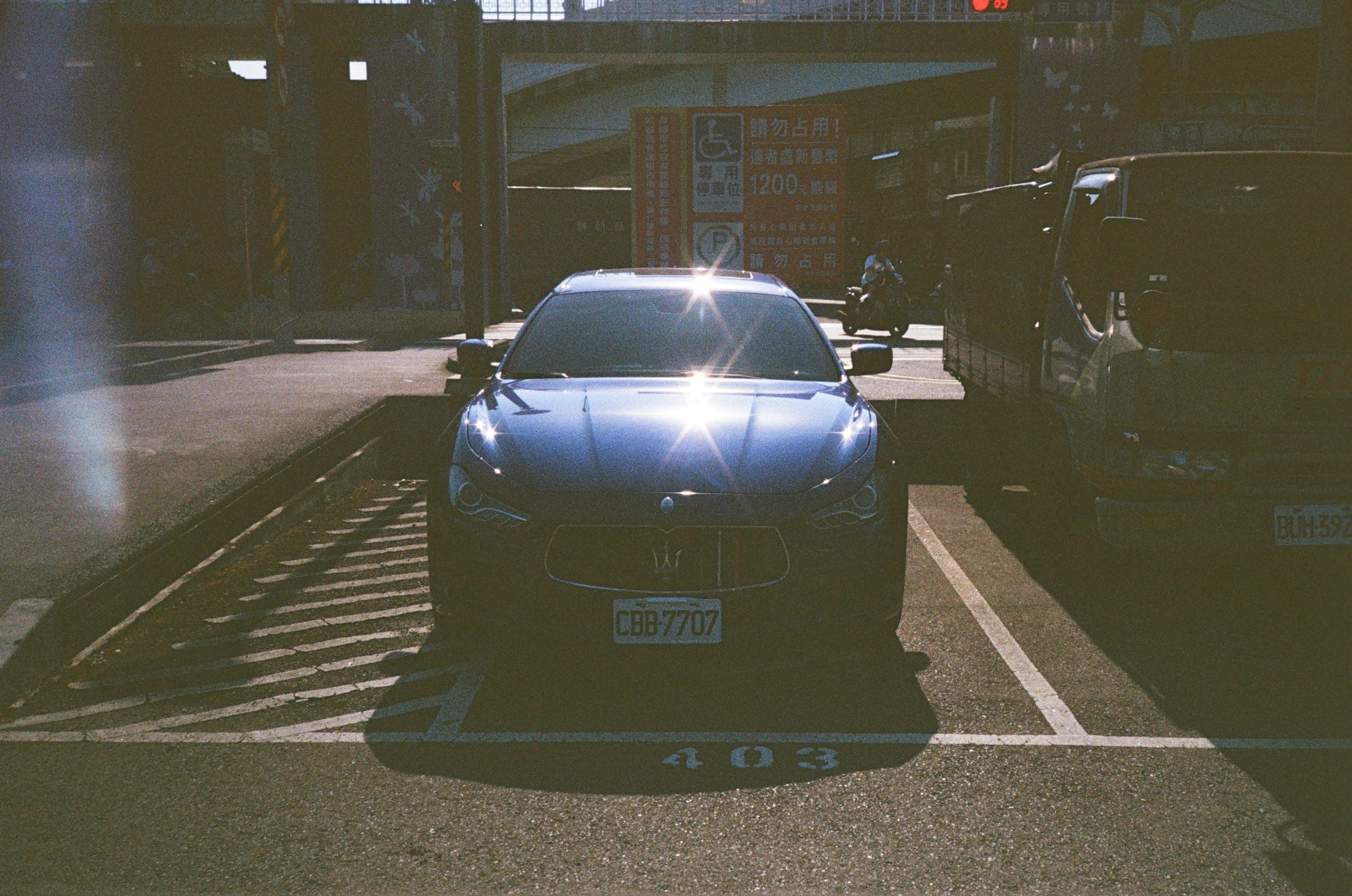
#14
Accessible parking spaces are usually reserved for those who need them most.
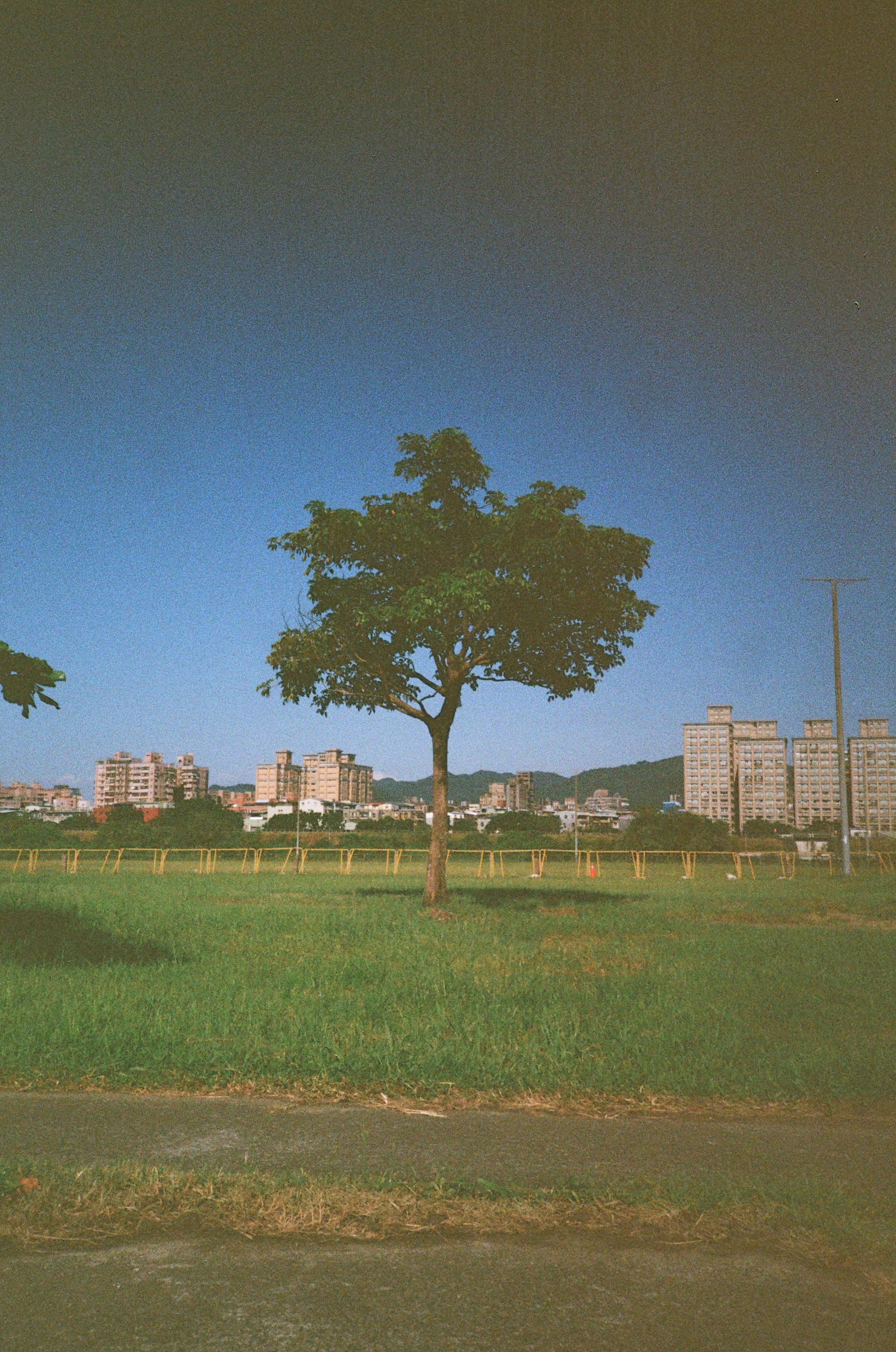
#15
A tree I often pass while running.
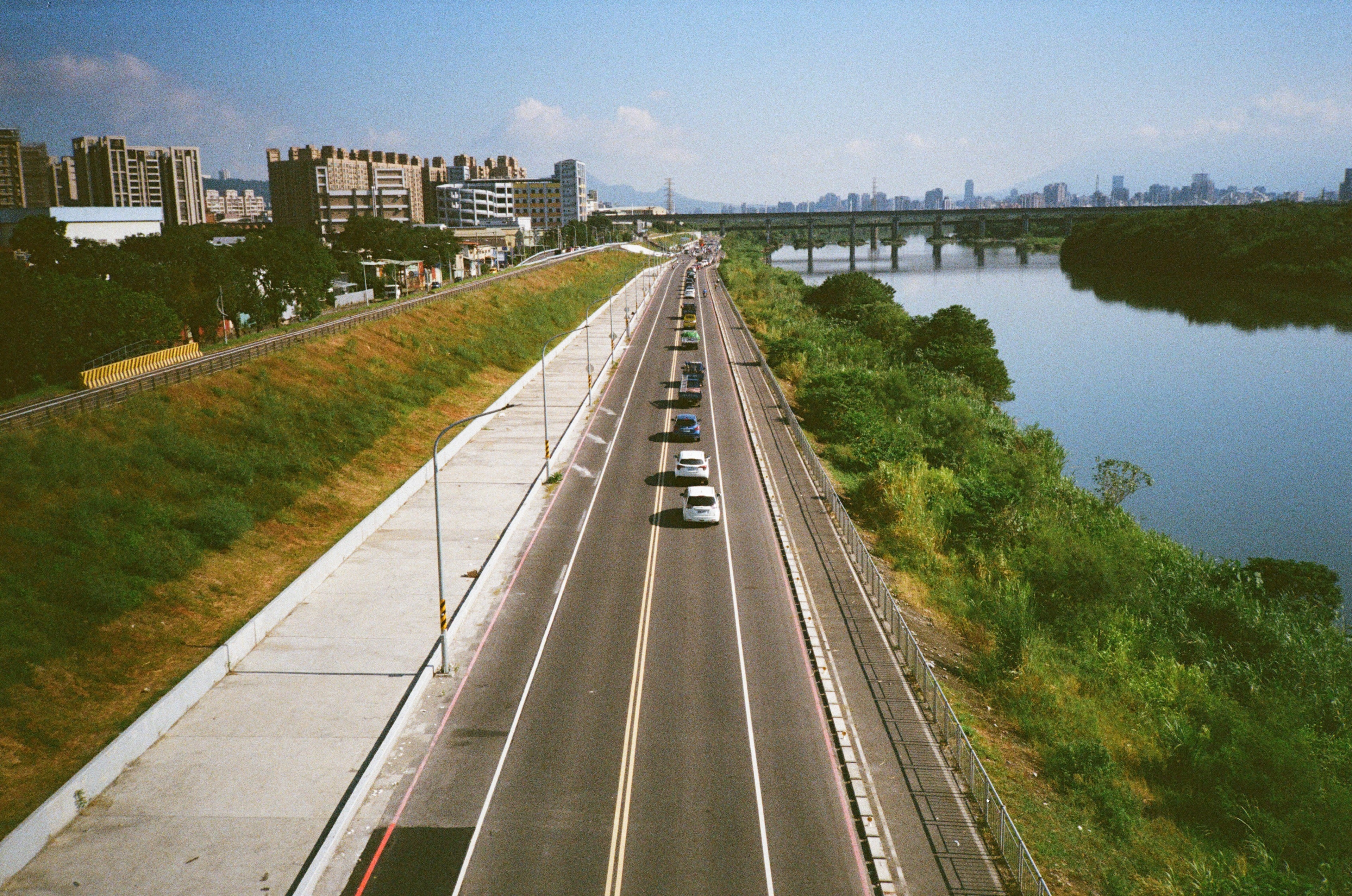
#16
Monday morning. Even the roads outside the riverbank were already busy.
#17
Looking out from Fuzhou Bridge. The water below is actually quite polluted.
#18
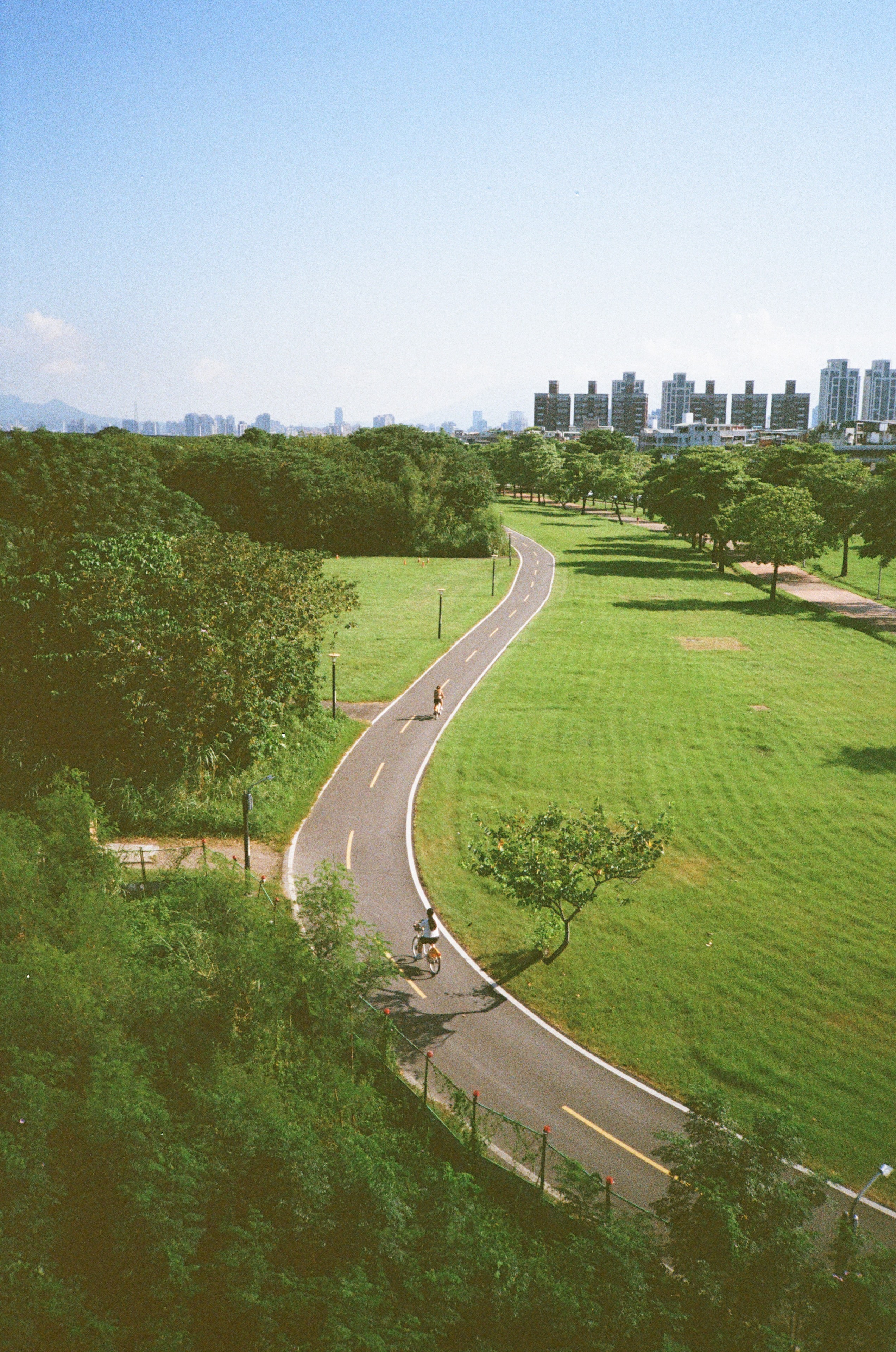
I waited for a cyclist to pass through the frame before taking the shot, so the scale and purpose of the road would be clearer.
This is the full set from this roll, shot with the Konica Big mini A4 35mm f3.5 and Kodak UltraMax 400. Thanks for reading.