Roll #234
Film: Kodak Vision3 500T/5219, remjet removed (CyberPunk 800T repackaged version)
Developed & scanned: Li-lai Photo, 2024/10/8
Camera: Ricoh R1S 30mm f3.5 / 24mm f8
-
A camera isn't just something you use to take photos — just as a watch isn't just something you use to tell time. That framing comes from Riversky, a veteran film photographer whose writing I came across and felt like a light switching on. It finally helped me understand why people chase expensive cameras, and why I never could.
For me, the Ricoh GR is a perfect example of that gap. I've shot a fair amount at 28mm over the years, but every time I walk away feeling like I can't connect with the focal length. I've given it chance after chance — nothing has ever clicked. So I stopped trying.
But from a content standpoint, I probably should pick up a Ricoh GR1 or GR1s and write about it — there's clear demand. The problem is that after researching, I found the GR's reliability record is, charitably speaking, world-class in the wrong direction. So I went cheaper and bought the R1 and R1S instead.
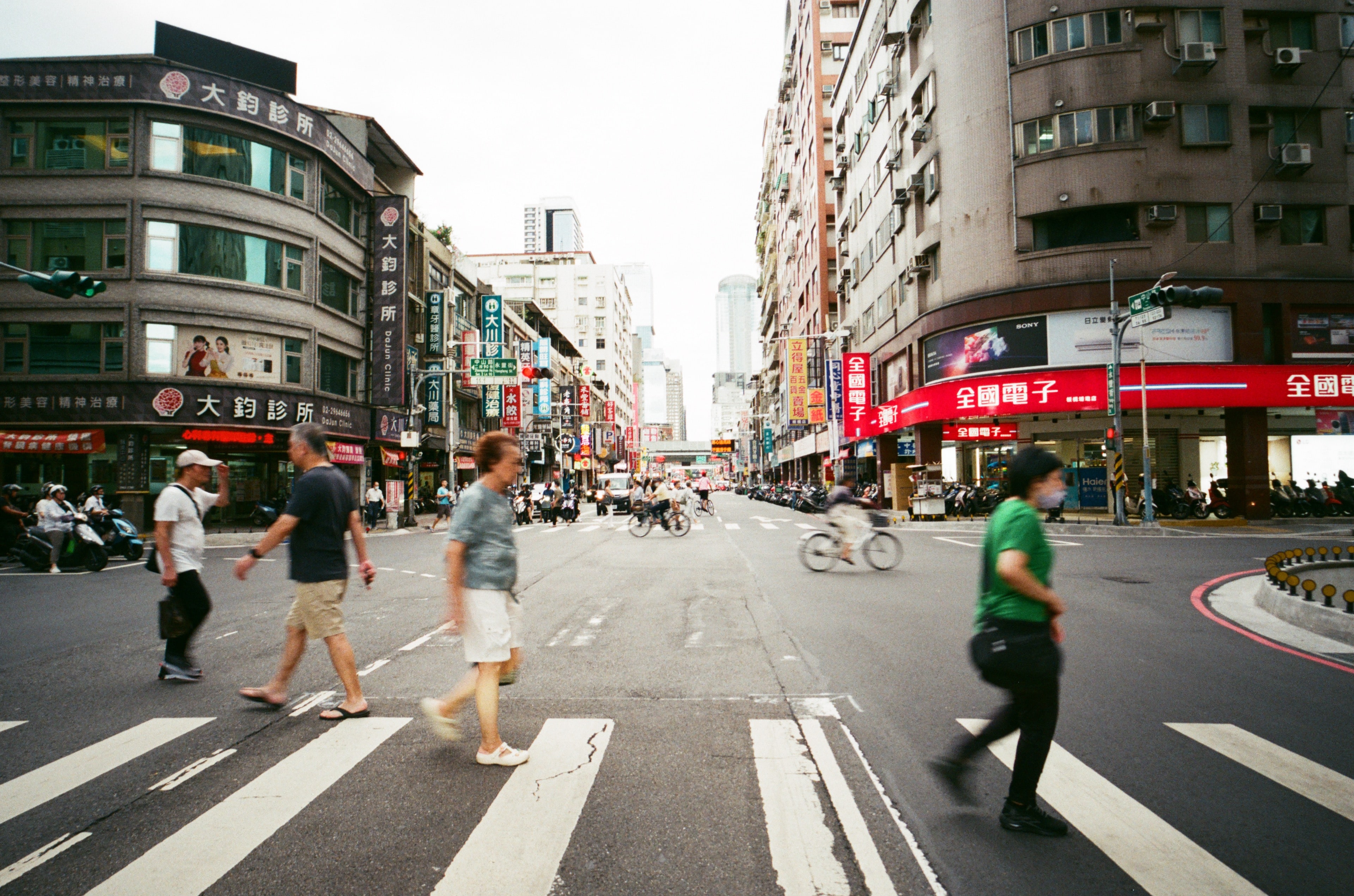
This roll was shot on the R1S. Unfortunate choice to load it with remjet-removed cinema film — it's likely hard on the auto-advance motor. Still, what genuinely impressed me about the R1S is how thin the body is. Thinner than my beloved Konica Big mini BM-301, which is already slim. The BM-301 is 35mm f3.5 and the R1S is 30mm f3.5, so it's not a direct comparison — but the R1S body design deserves acknowledgment, durability concerns aside.
-
#1
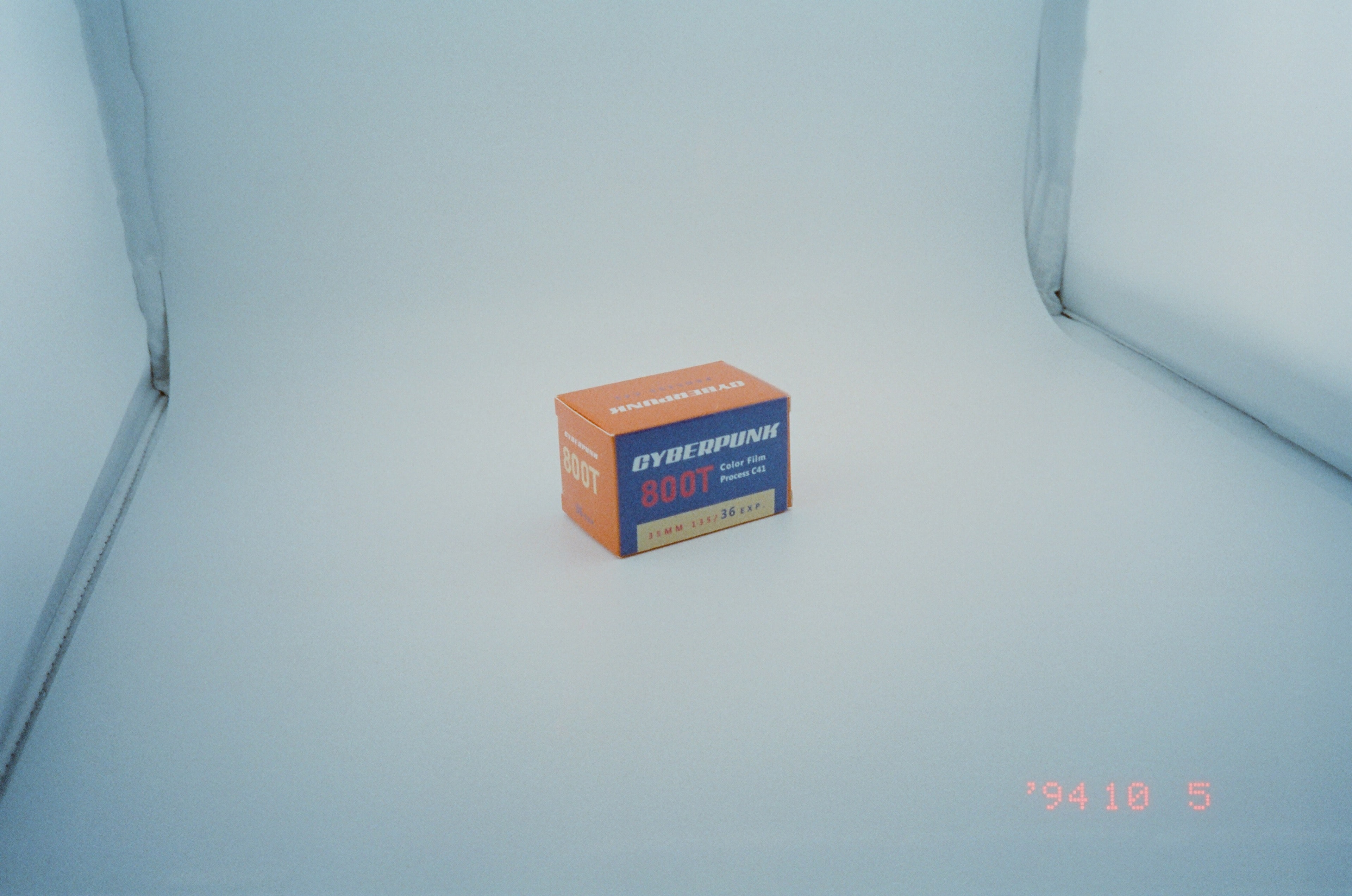
Cinema film — remjet removed or not — should not go into cameras with auto-advance motors. This is a cautionary example, not a recommendation. The film box here is at 35cm minimum focus distance; at 30mm it doesn't read as particularly close.
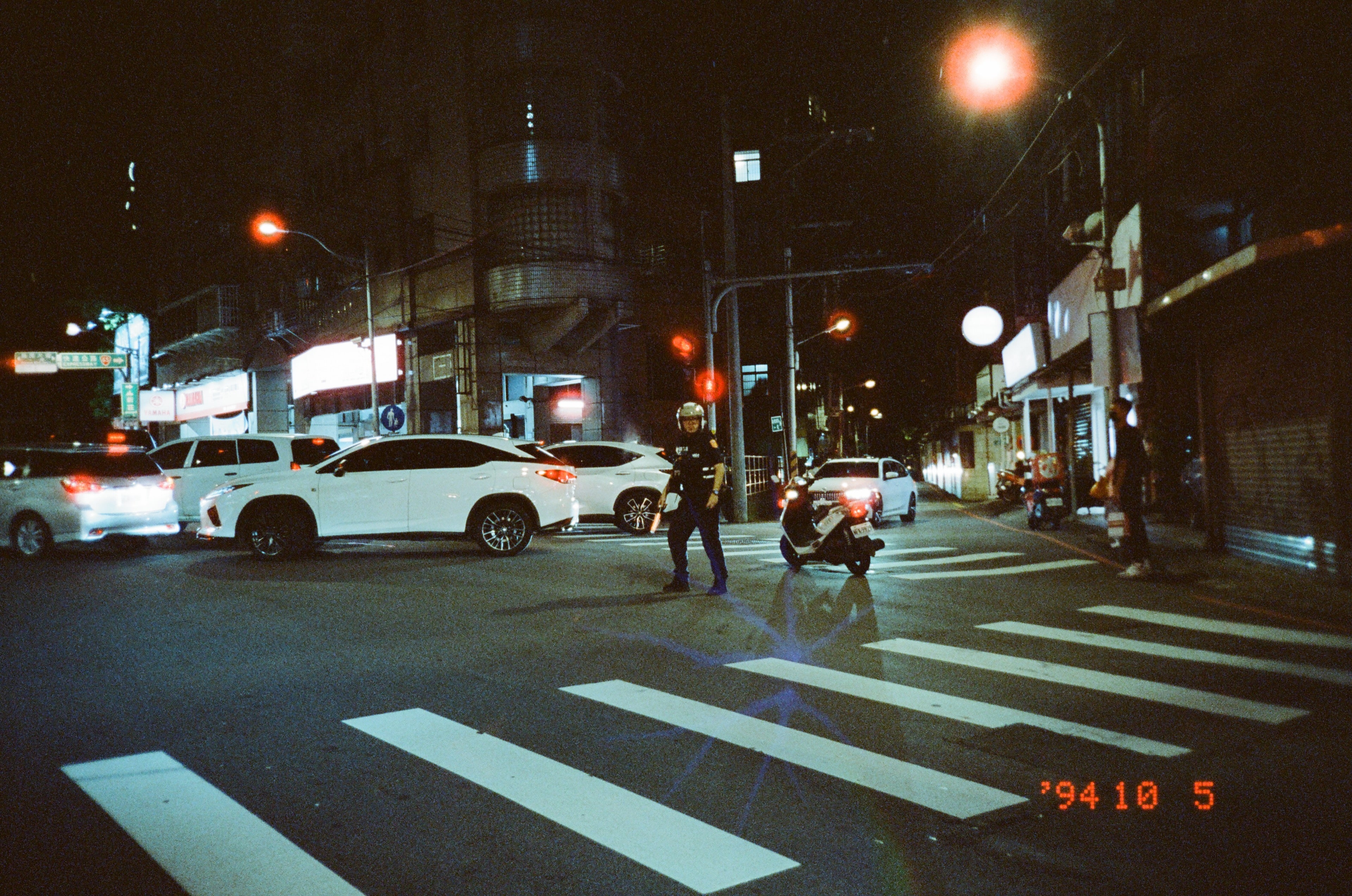
#2
An officer. The kind Taiwanese TV dramas always call "大人."
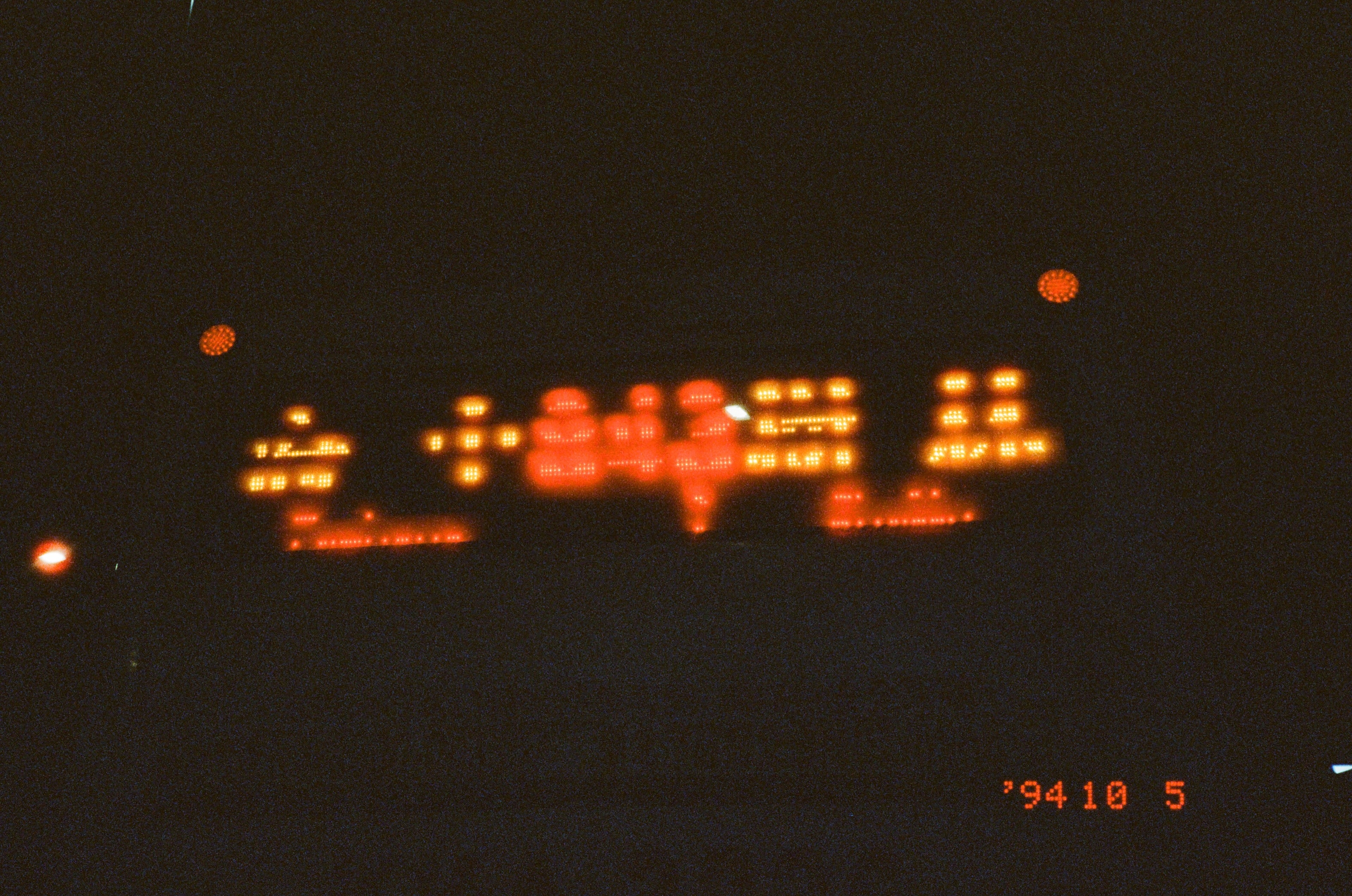
#3
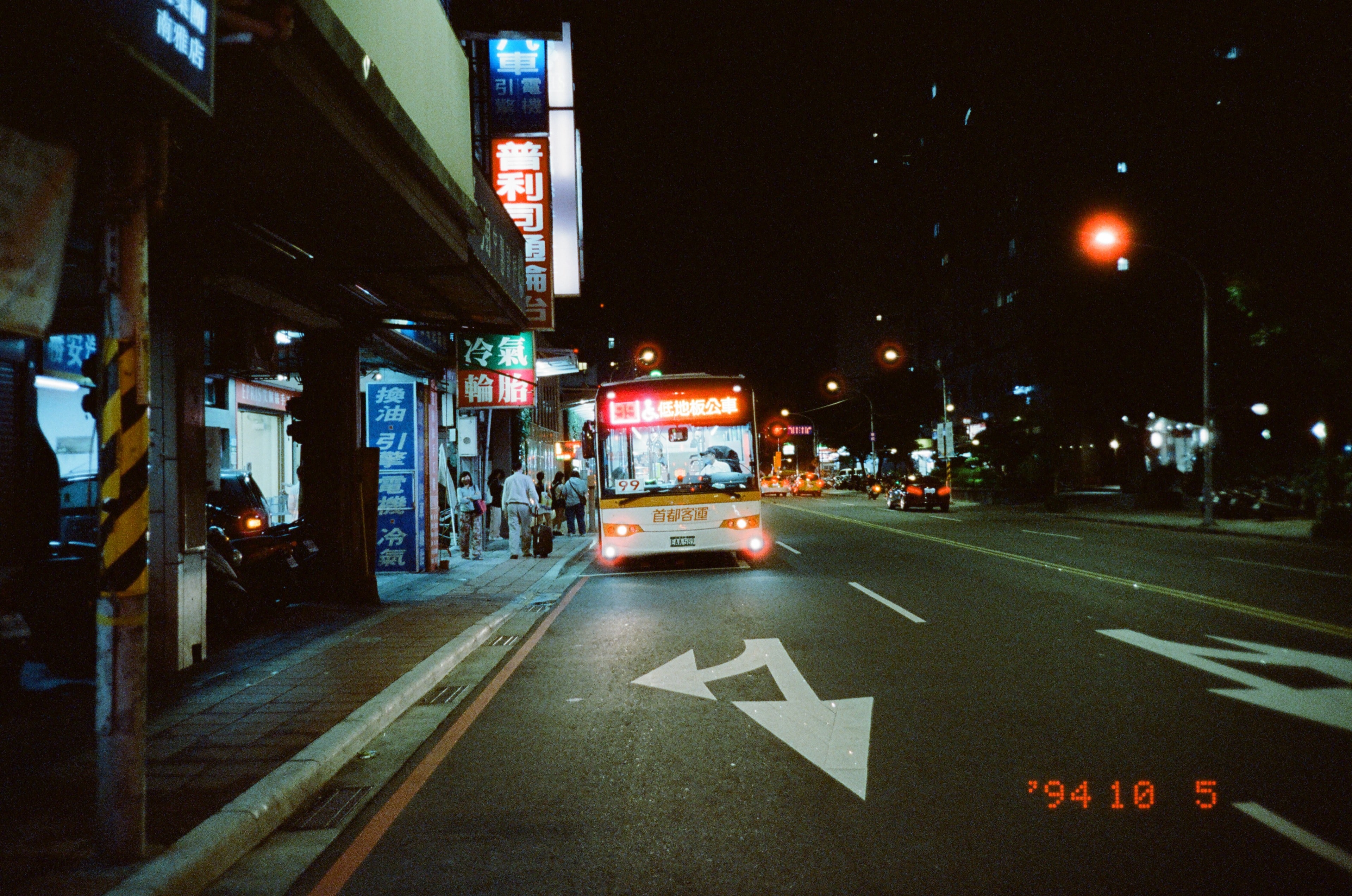
The scrolling arrival display at a bus stop.
#4
Nothing on this roll particularly surprised me, but this is the frame I like most. The R1S date imprint is not great, typographically — the font becomes a distraction more than a feature.
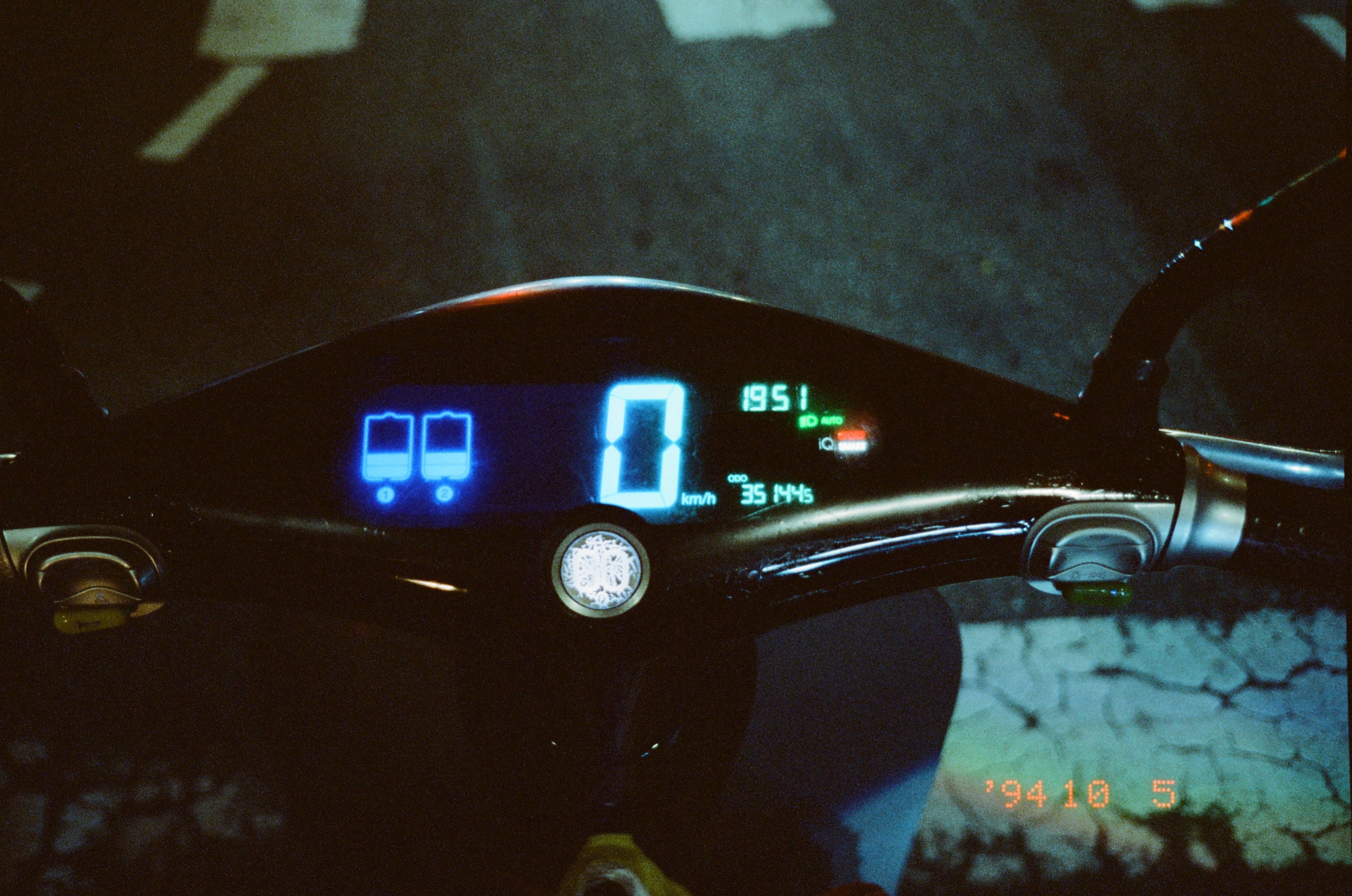
#5
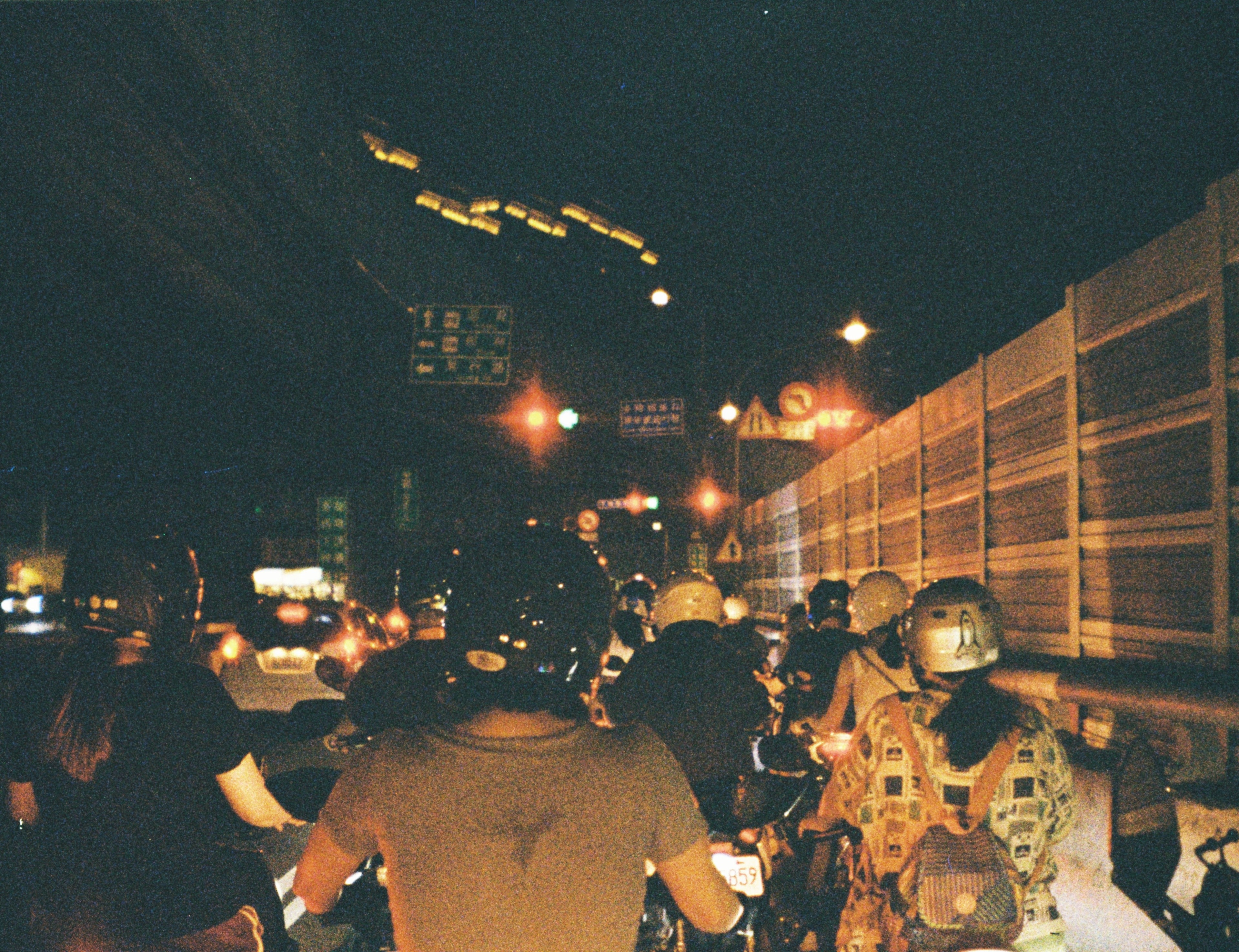
My R1S is one of the broken-flash units. Even with a 30mm f3.5 in low evening light, it handles hand-held shooting without flash — that's genuinely impressive.
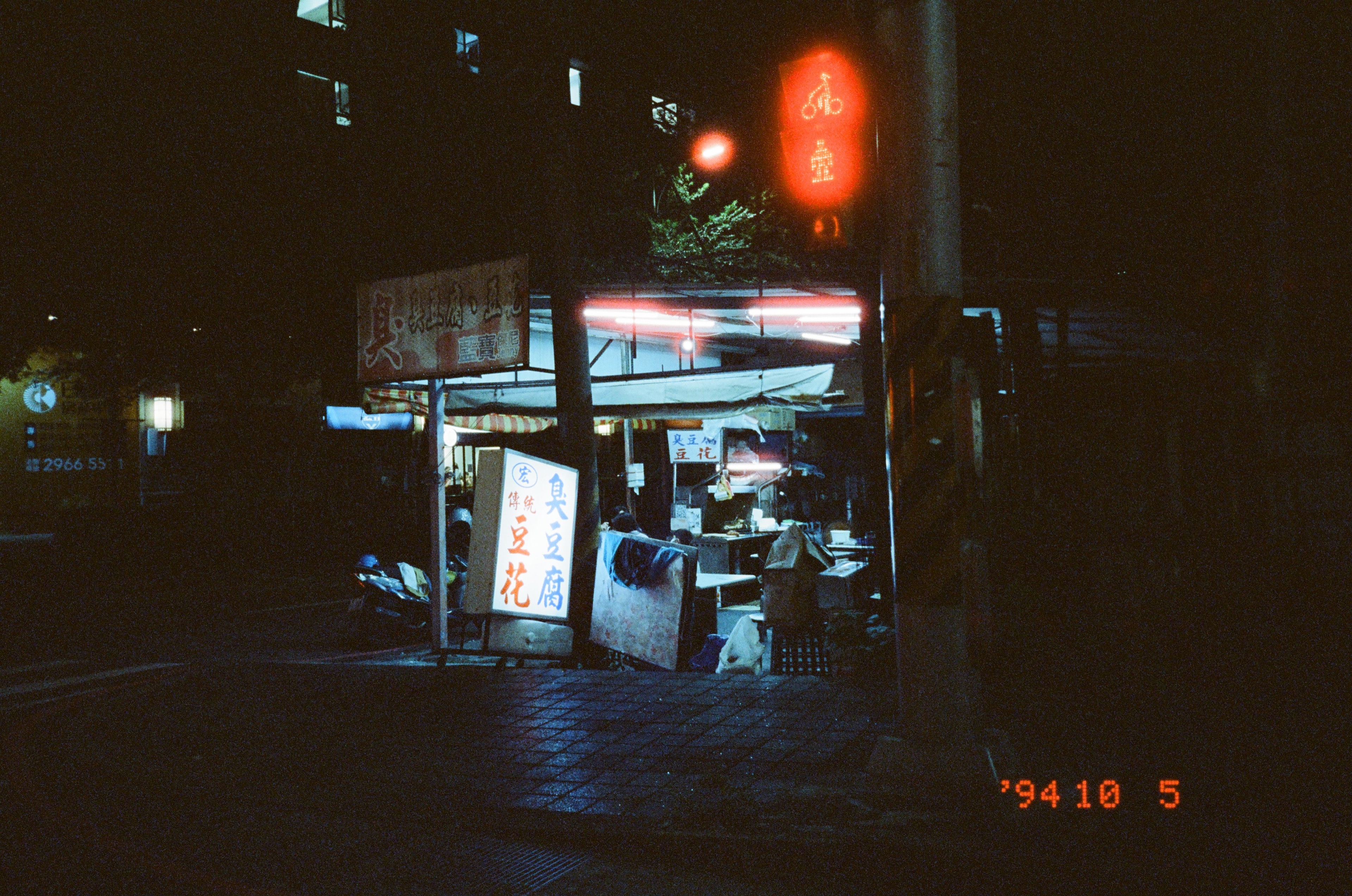
#6
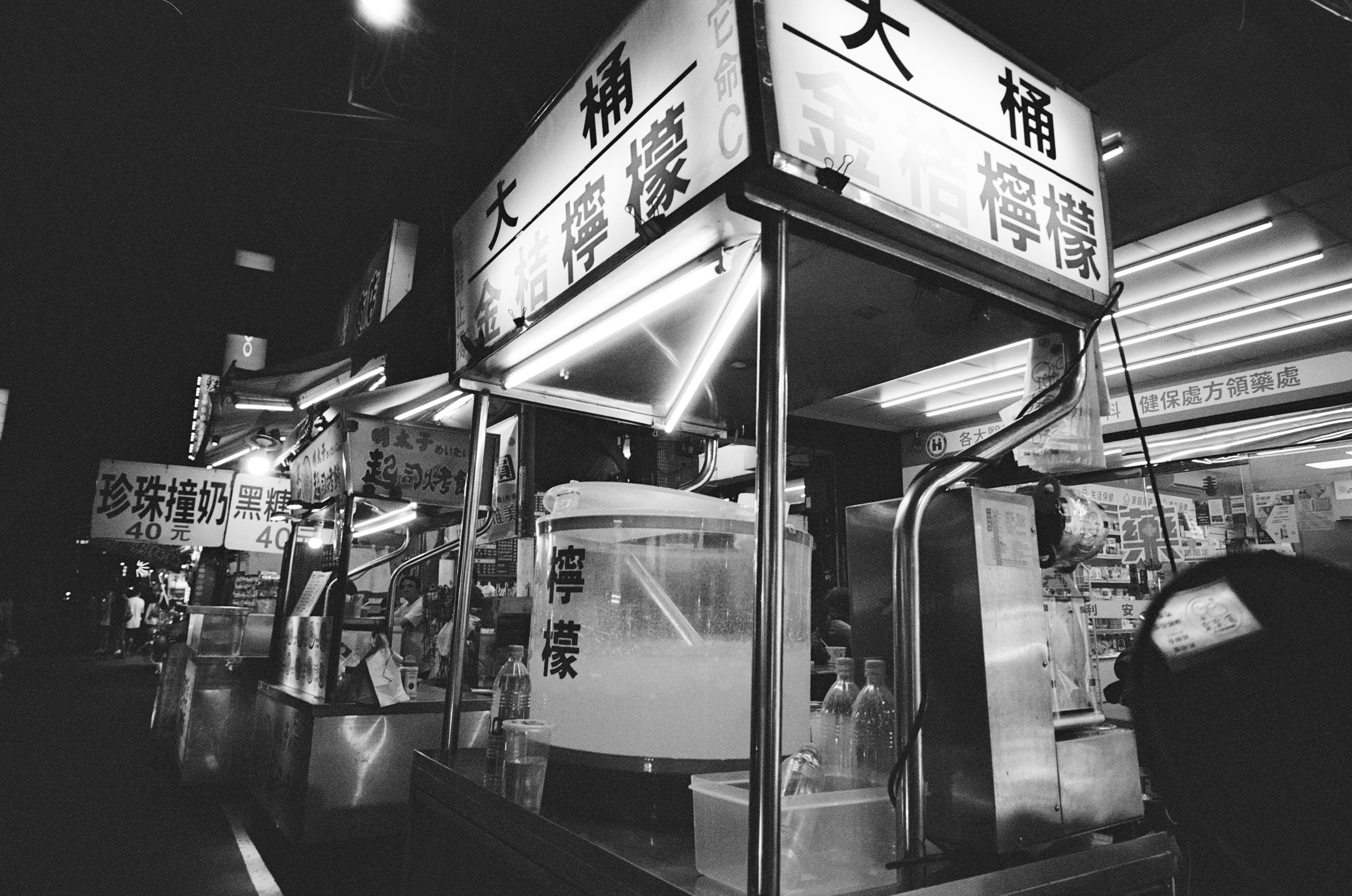
A stinky tofu place. Actually stinky. You'll know what I mean.
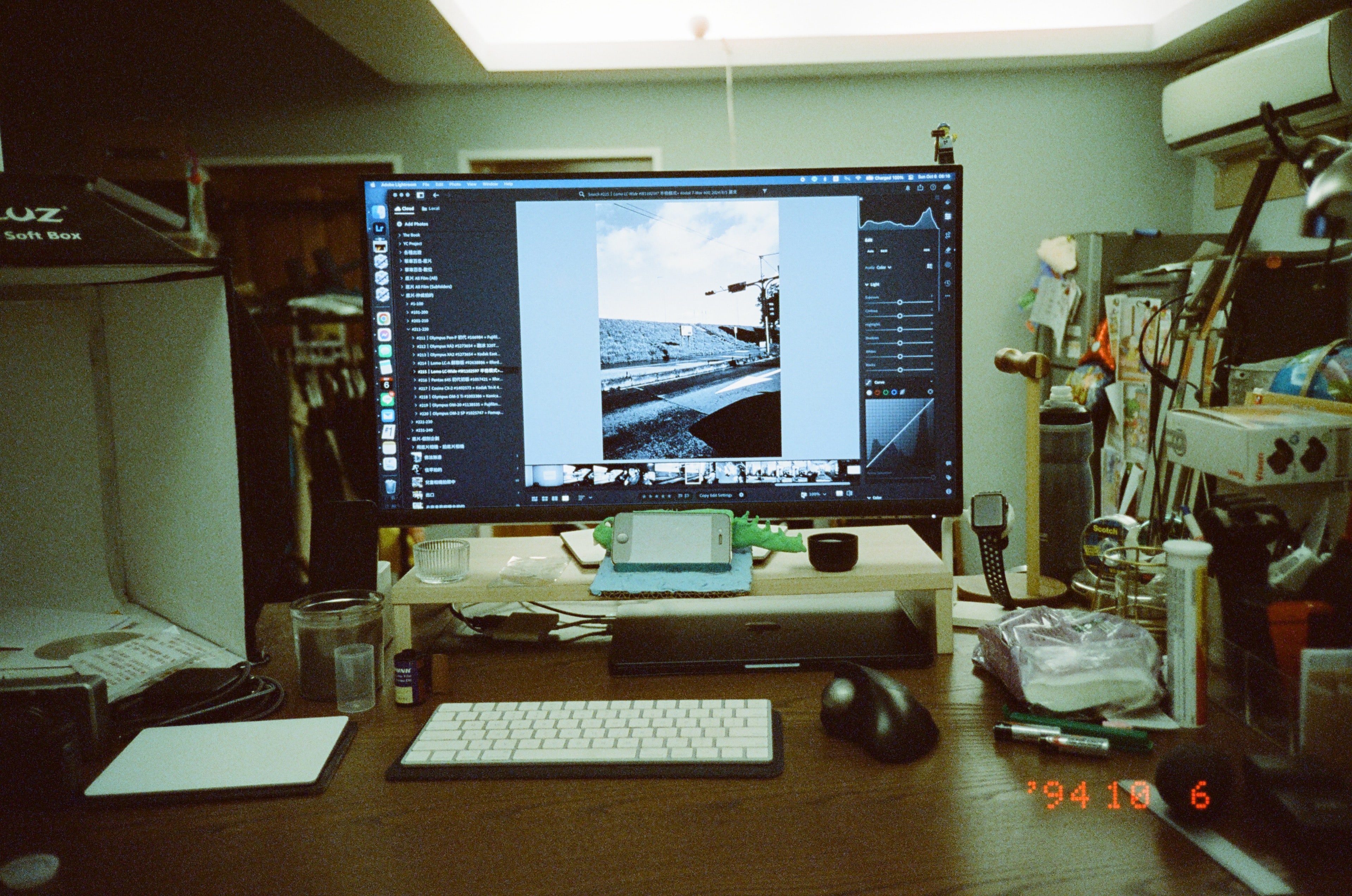
#7
Woke up early this day — I tend to use those pre-dawn moments when I naturally surface to do a lot: sort photos, handle things that require focus.

#8
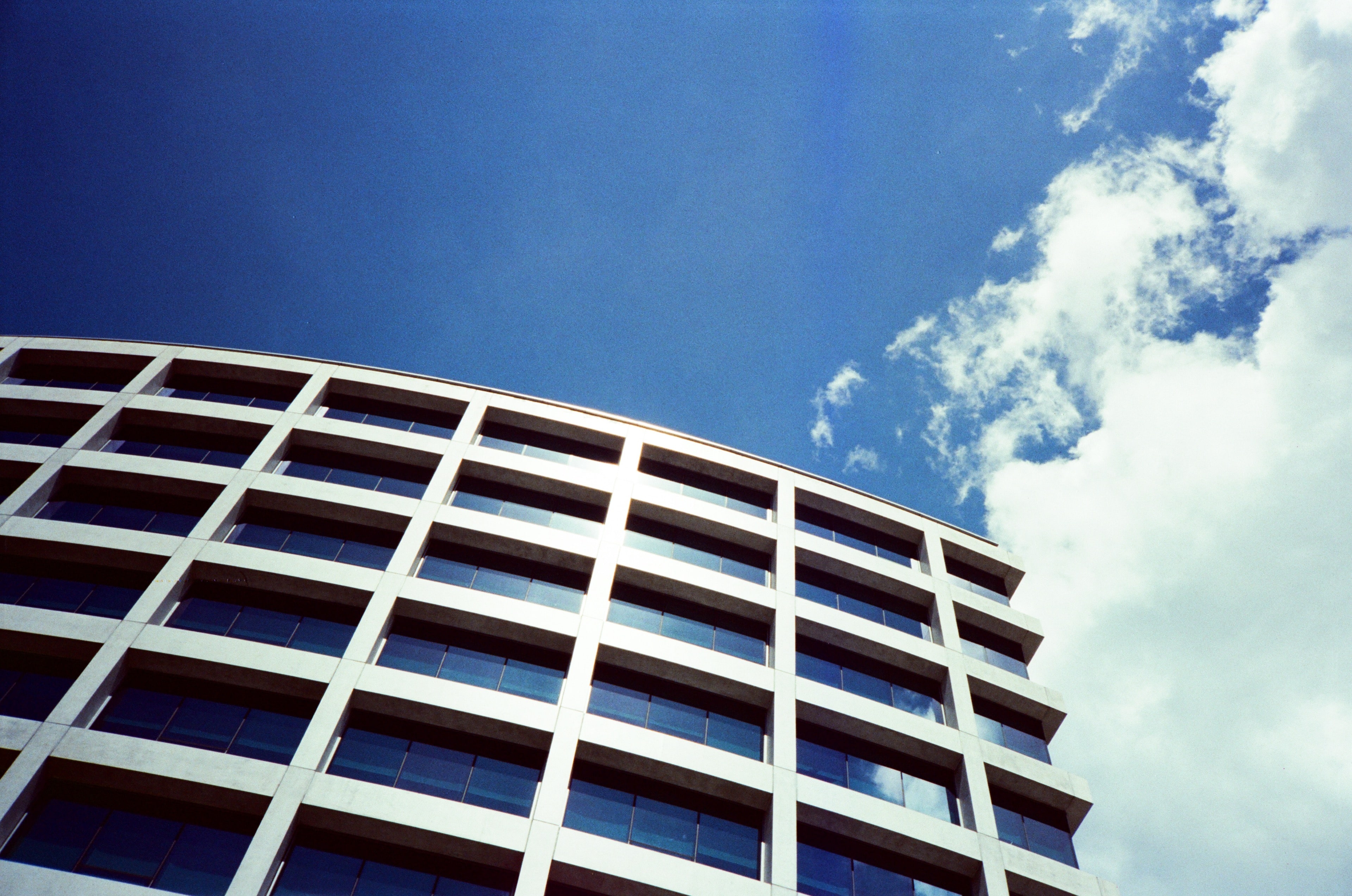
For a wide-angle small-aperture lens, sharpness is expected. But when you factor in size, weight, price, and features together, the R1S is hard to beat. Having used it, I can now see that the Konica 28HG 28mm f3.5 is softer by comparison. The R1S's advantage in field monitoring is mostly that you can freely load cinema film without worrying about the motor.
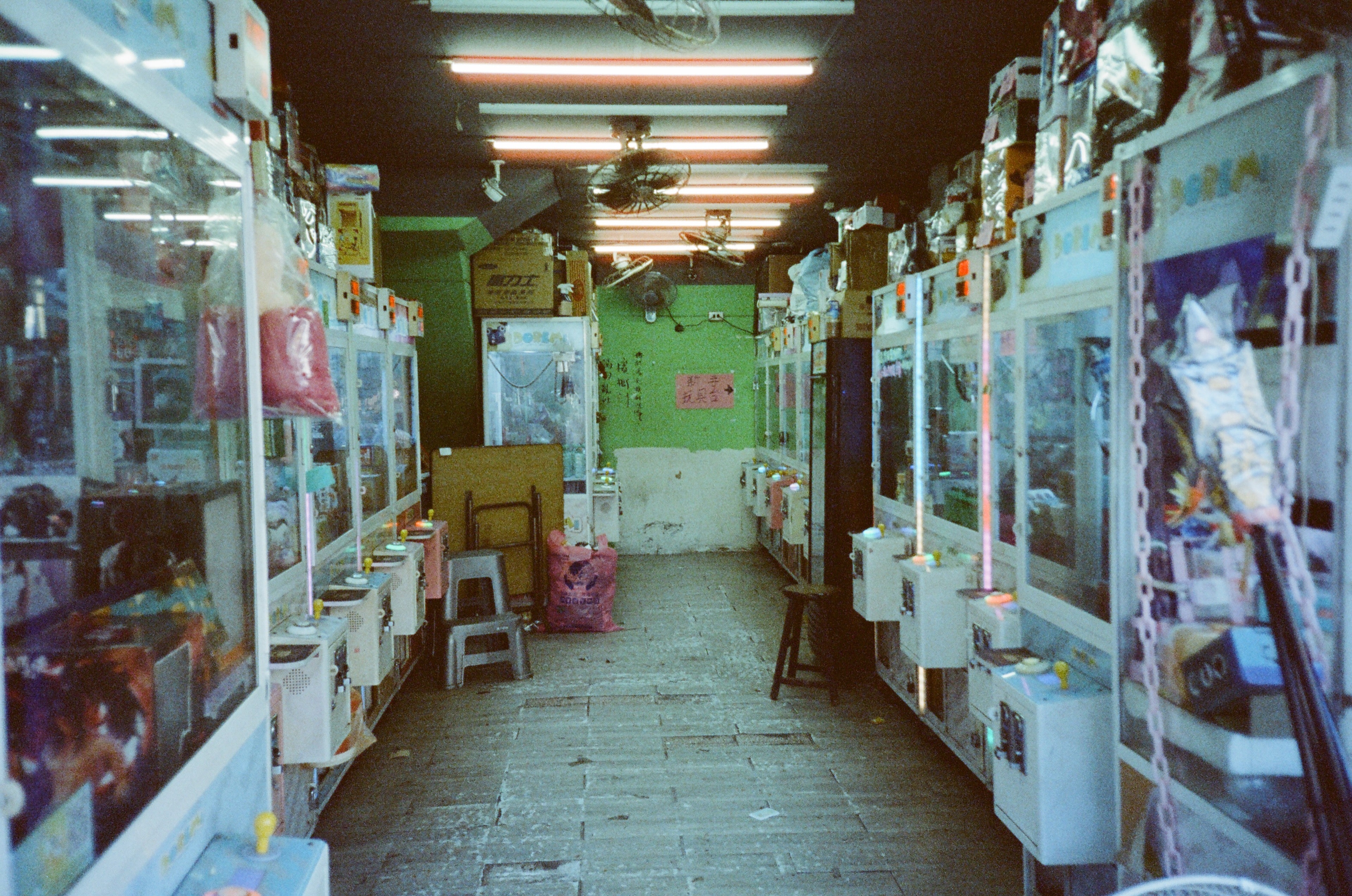
#9
A familiar kind of neglected decay — part of Taiwan's visual texture now.
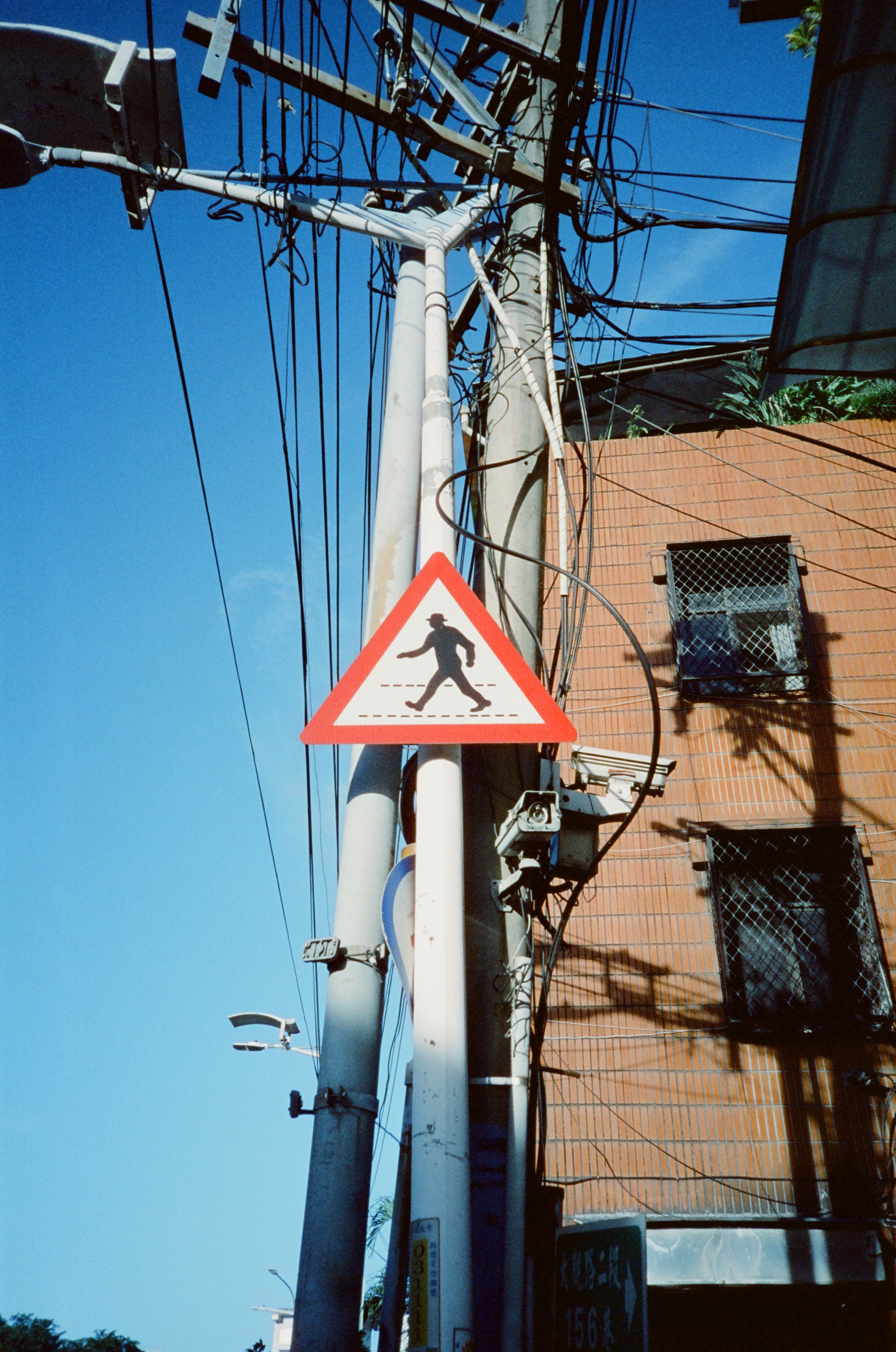
#10
You don't see people walking around in fedoras much in Taiwan anymore. A baseball cap would make for an interesting variation.
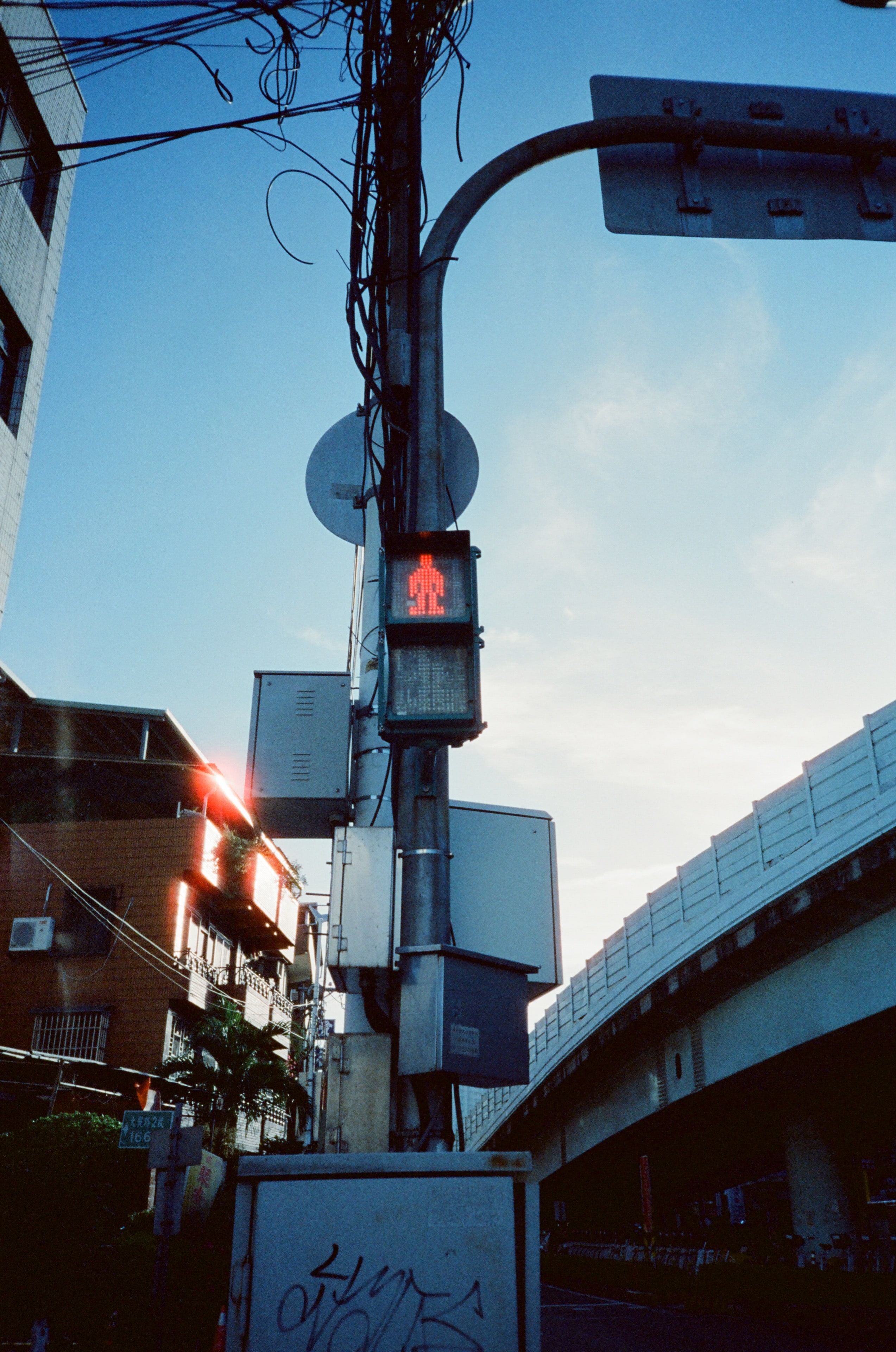
#11
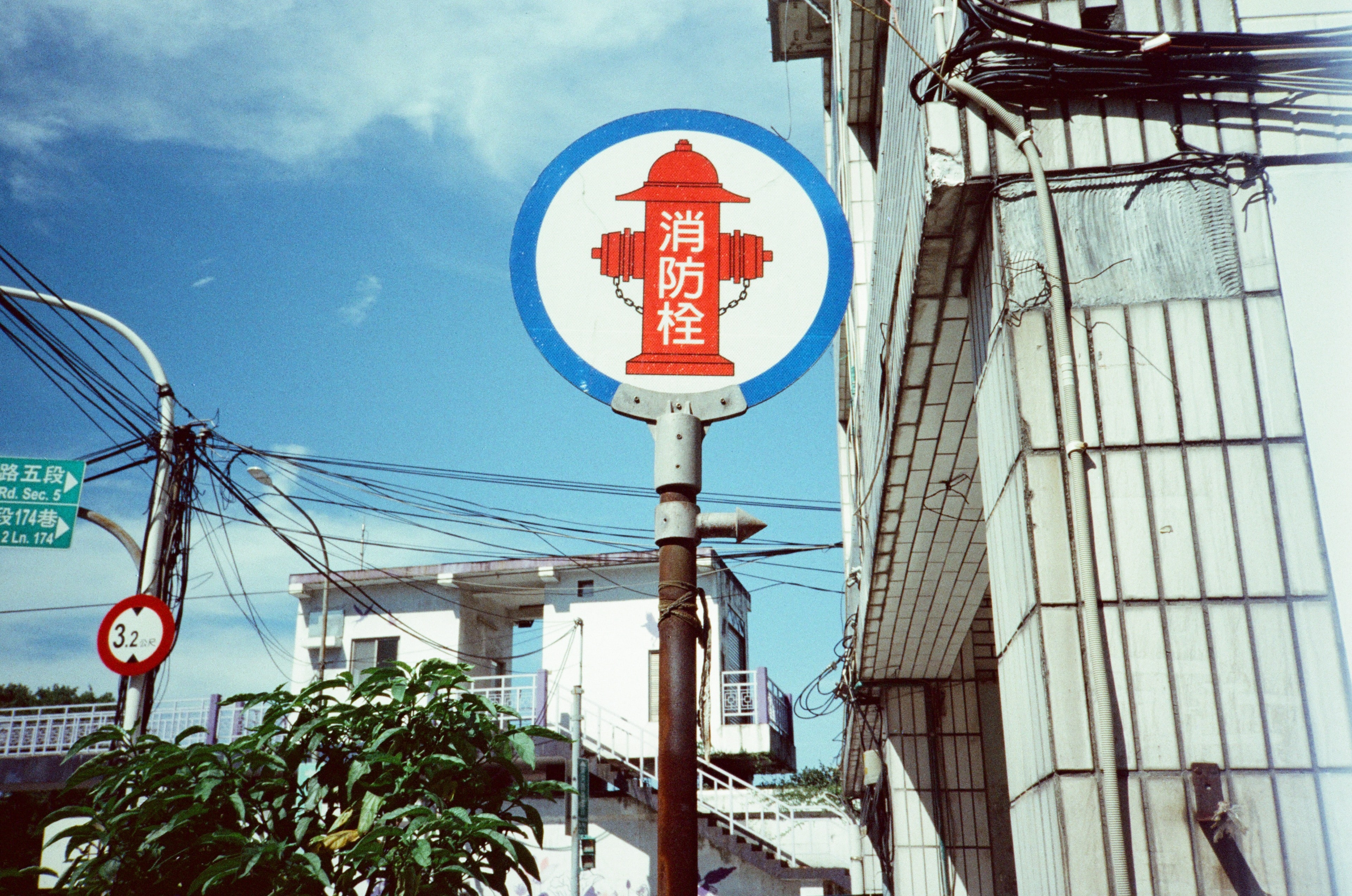
Taiwan's greatest civic design achievement. Nothing else comes close.
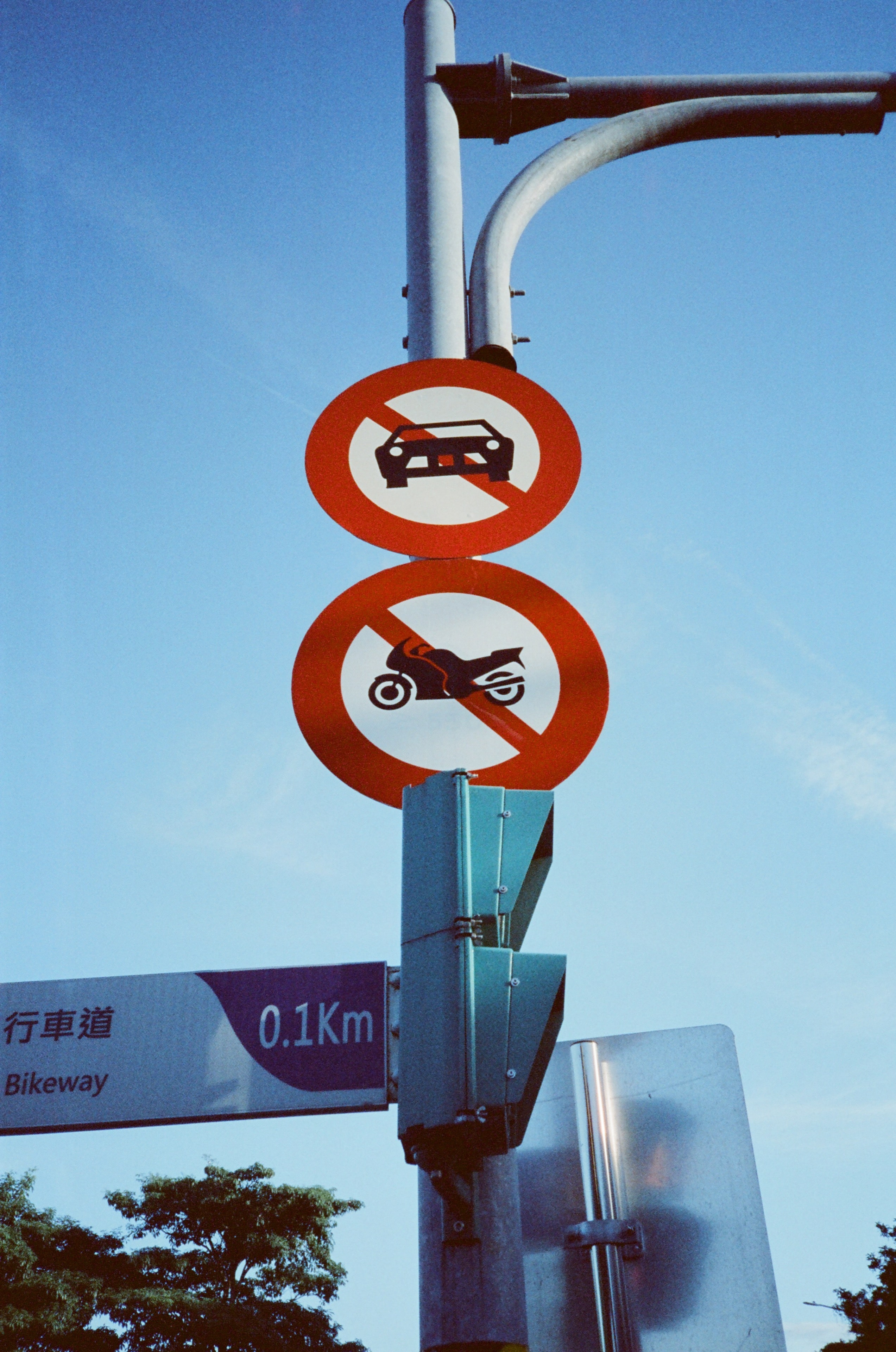
#12
Traffic signs always depict the most stereotypical version of a thing. Sports bikes are always the shorthand for "motorcycle."
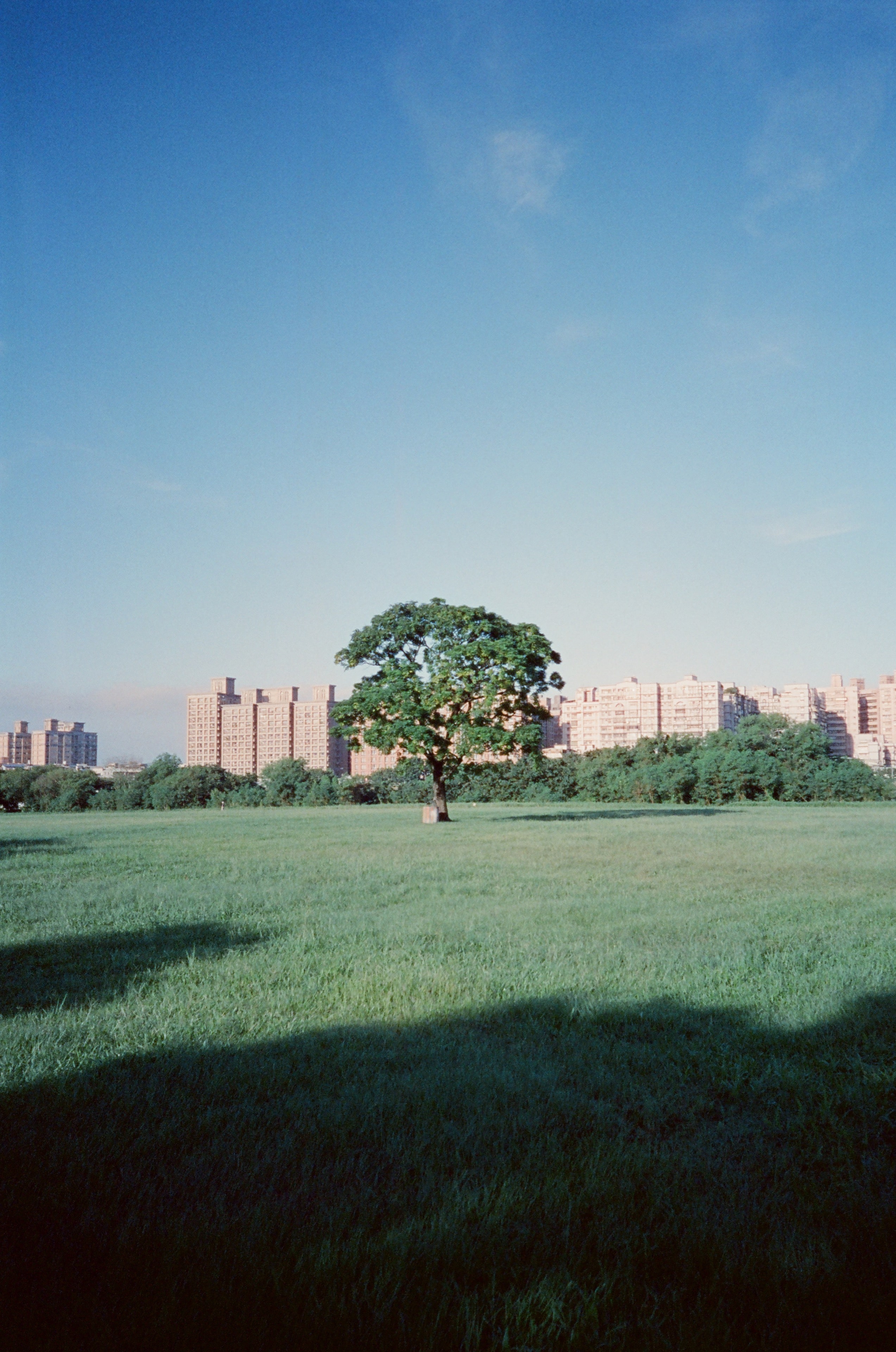
#13
Looking at this one, I'm second-guessing whether the R1S is actually as sharp as I thought.
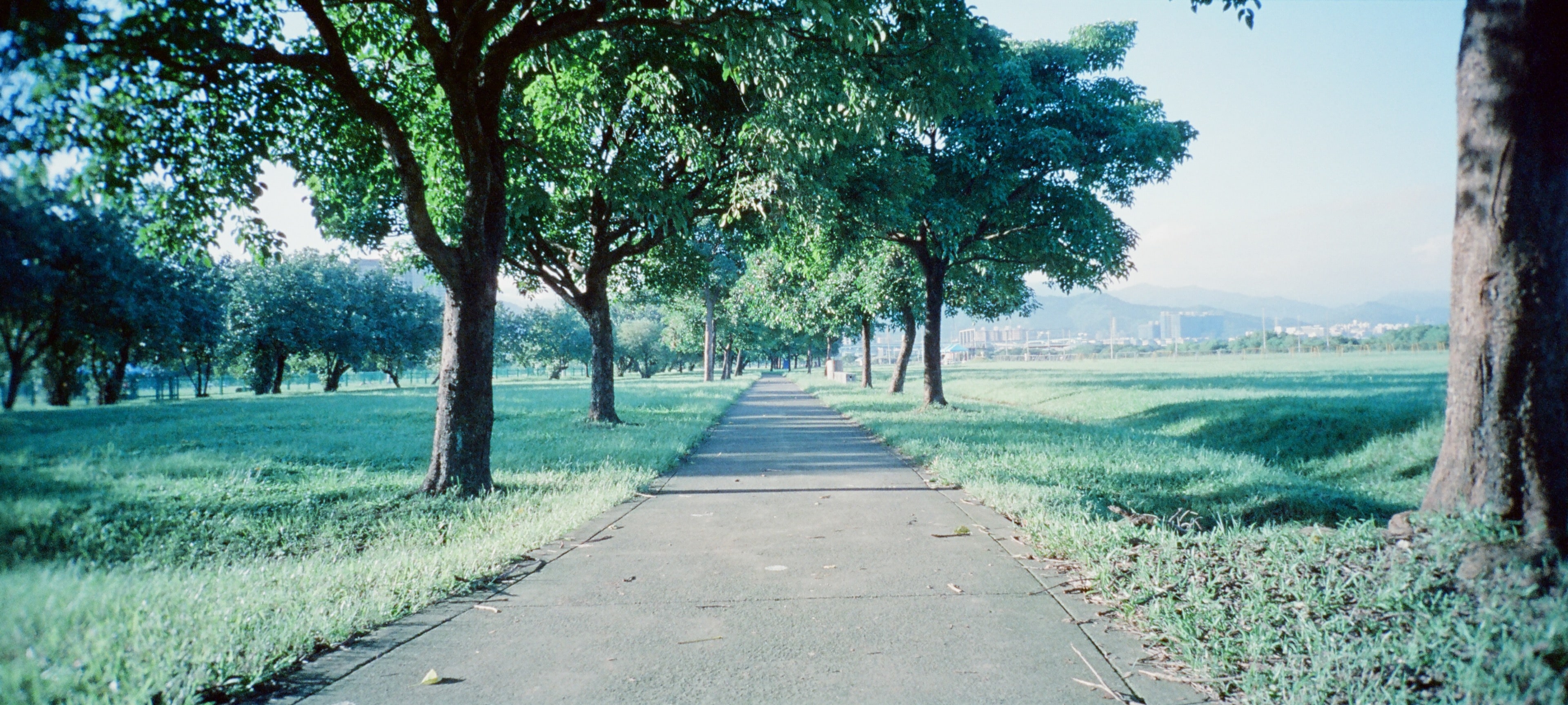
#14
Compared to the GR1 series, the R1 and R1S have a unique advantage: a second 24mm f8 wide lens. Unlike the fake panoramic modes on most cameras, switching to wide on the R1S actually changes the lens from 30mm f3.5 to 24mm f8 — the wider field of view isn't just cropping. The R1S's 24mm mode can also be converted to remove the top and bottom masking for a full-frame shot. Worth trying eventually.
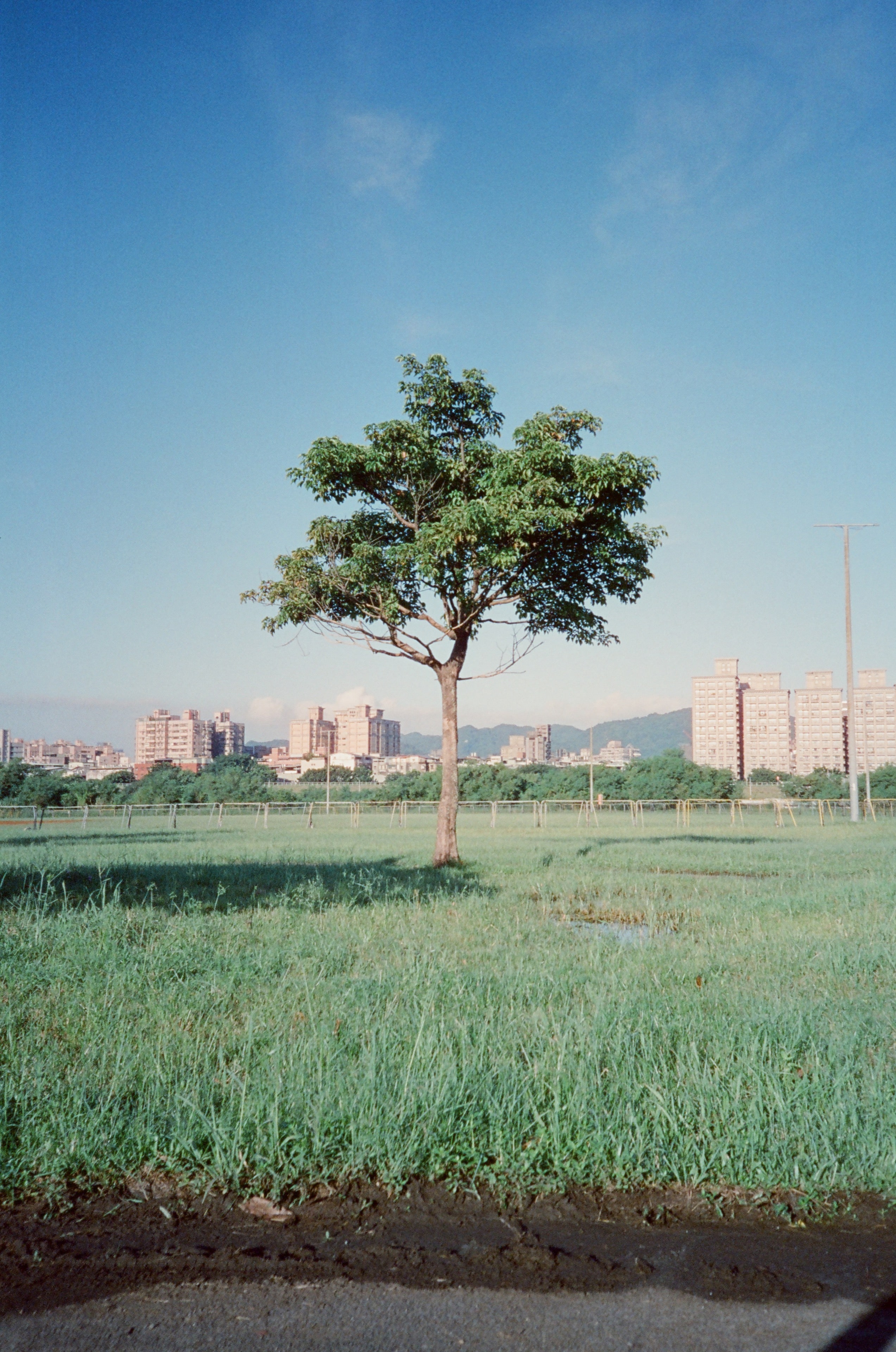
#15
Overall, the R1S's sharpness isn't at the top of the class. The Konica Big mini BM-301 still edges it out in resolution.
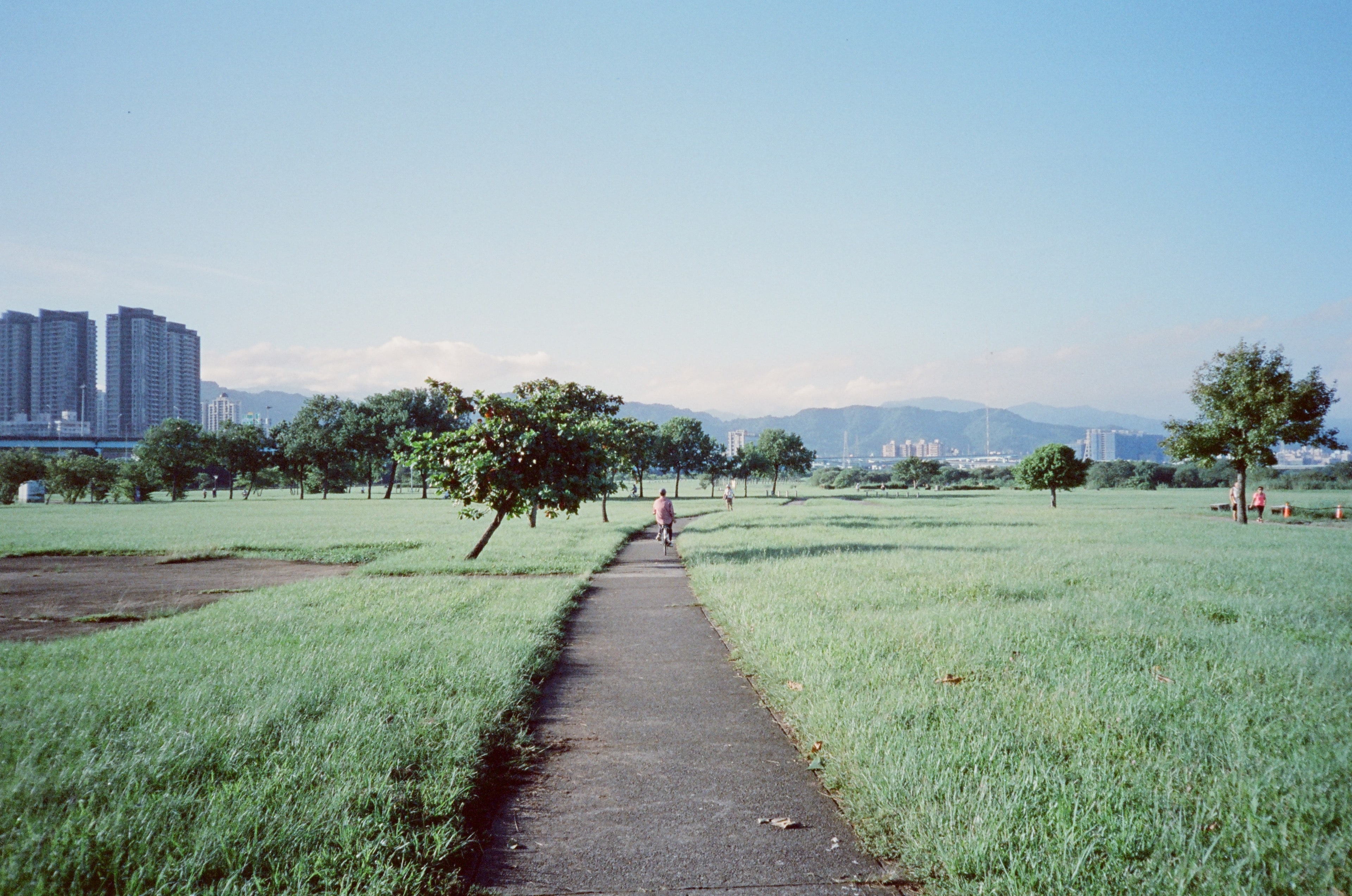
#16
30mm is still too wide for me.
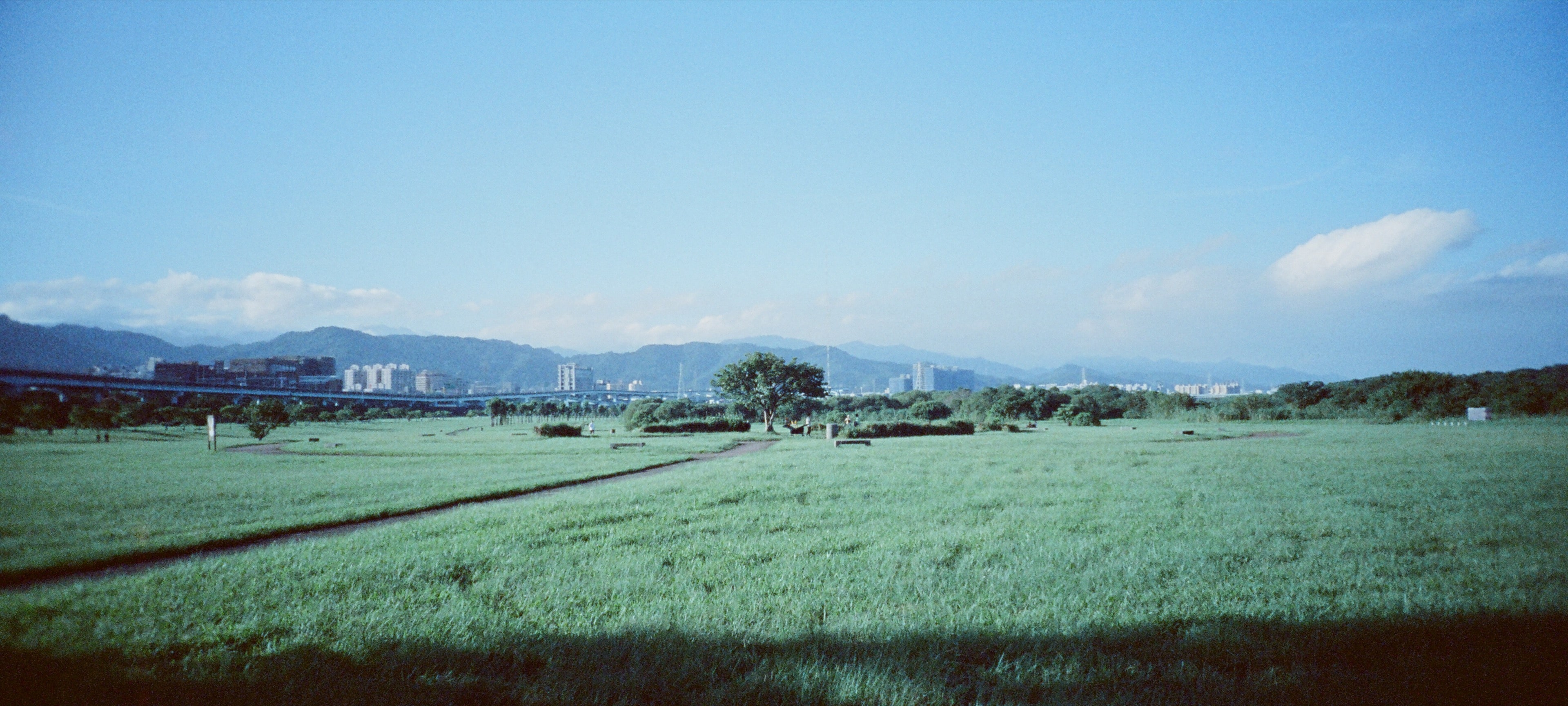
#17
In the R1S's 24mm wide mode, there's a natural vignette in the corners.
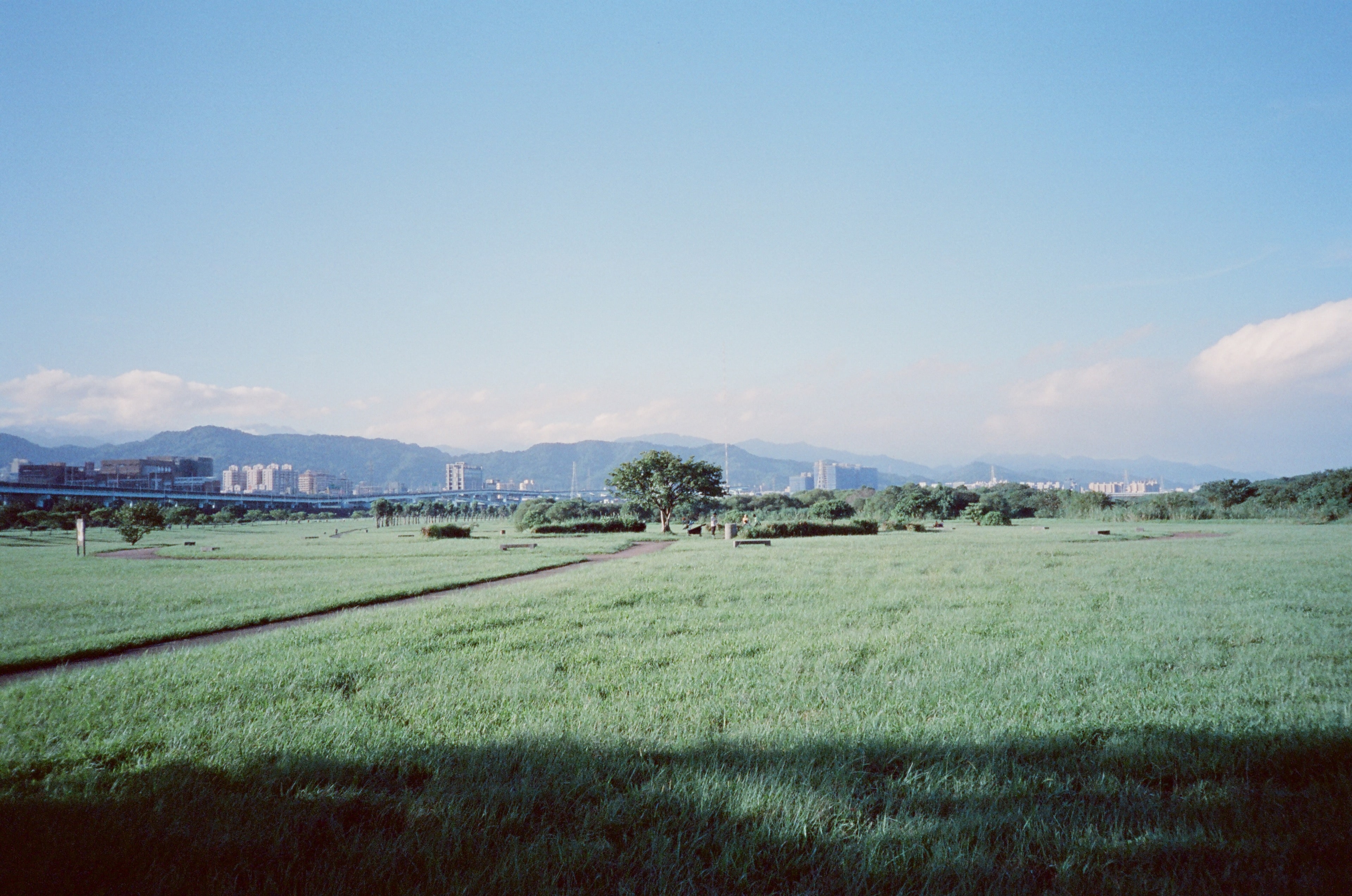
#18
Same position, back in standard mode. You can see the color rendering differs between the two modes.
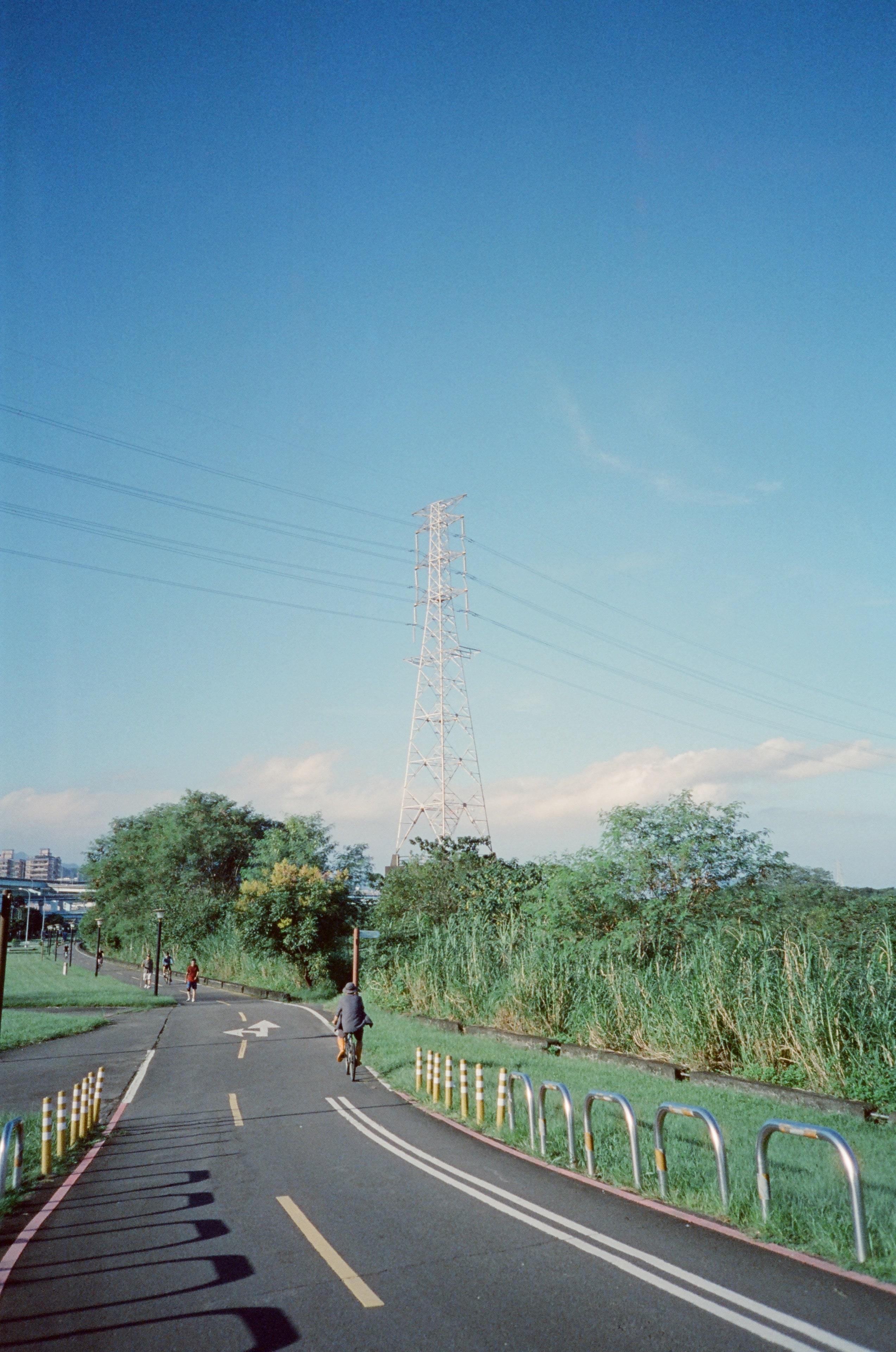
#19
Running with the R1S is easy — it's a small camera.
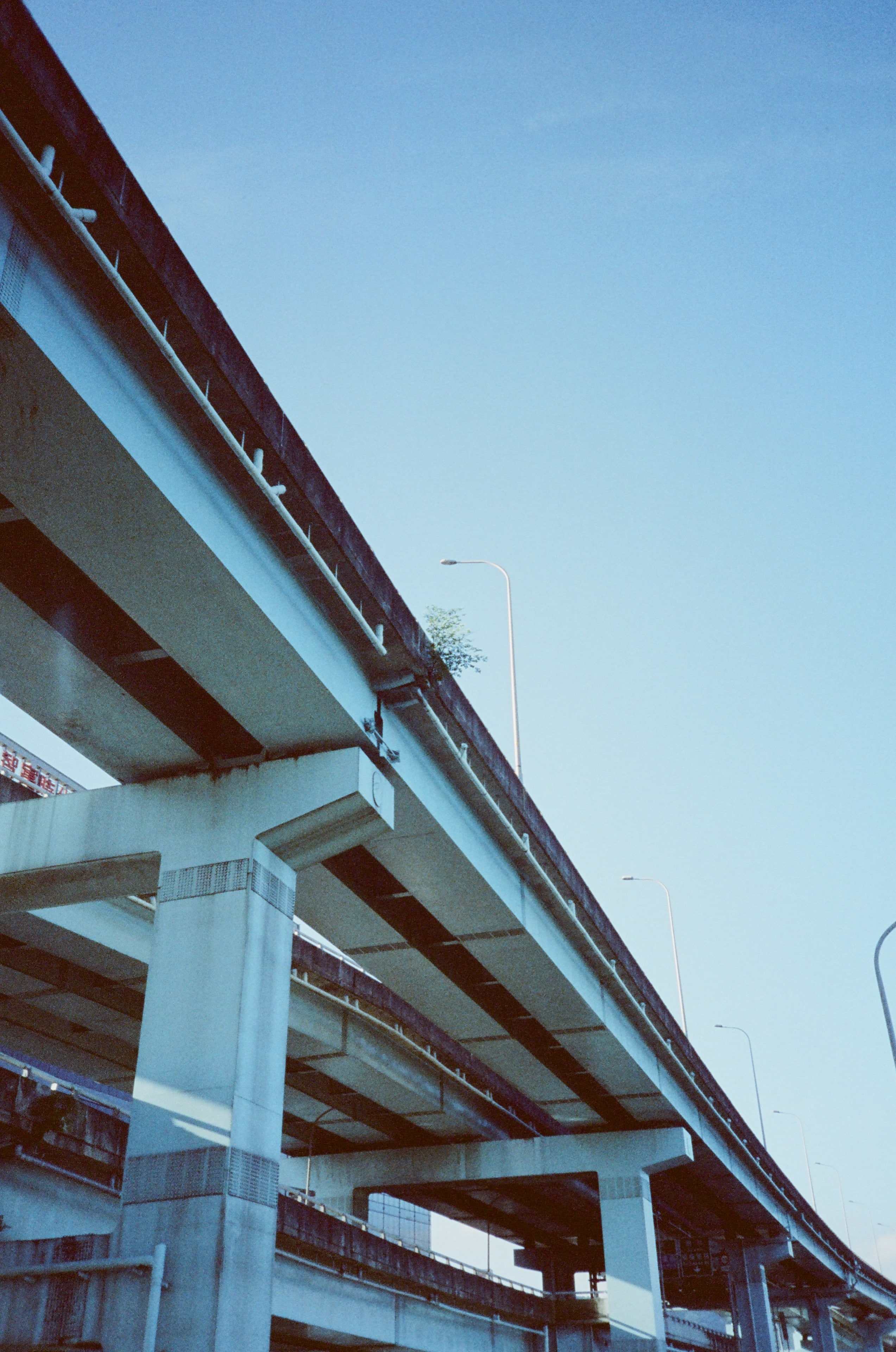
#20
A plant finding a way in the narrow gap between buildings.
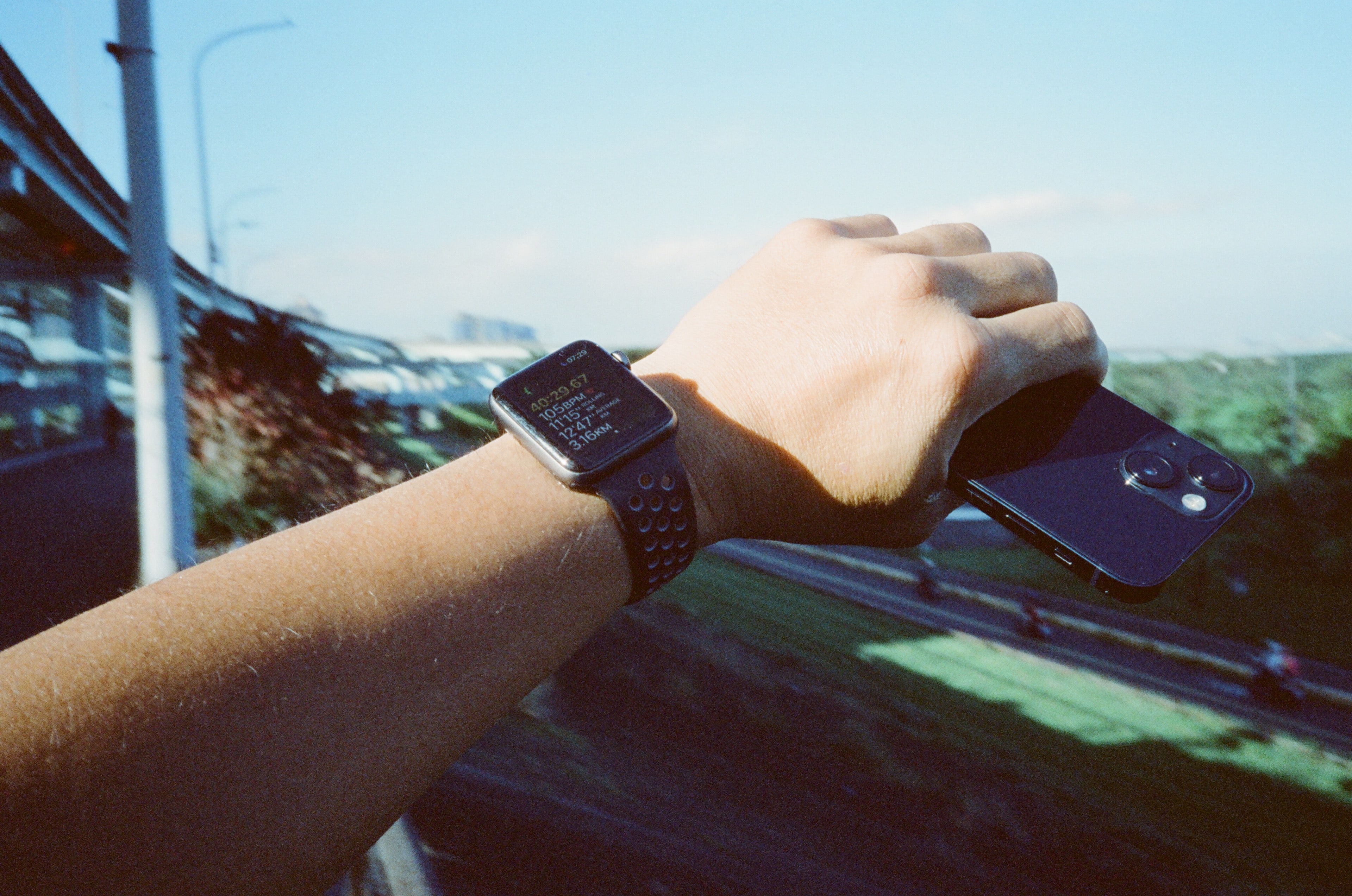
#21
The R1S at minimum focus distance — nothing impressive, because the lens is too wide. The watch is logging some very mediocre running data.
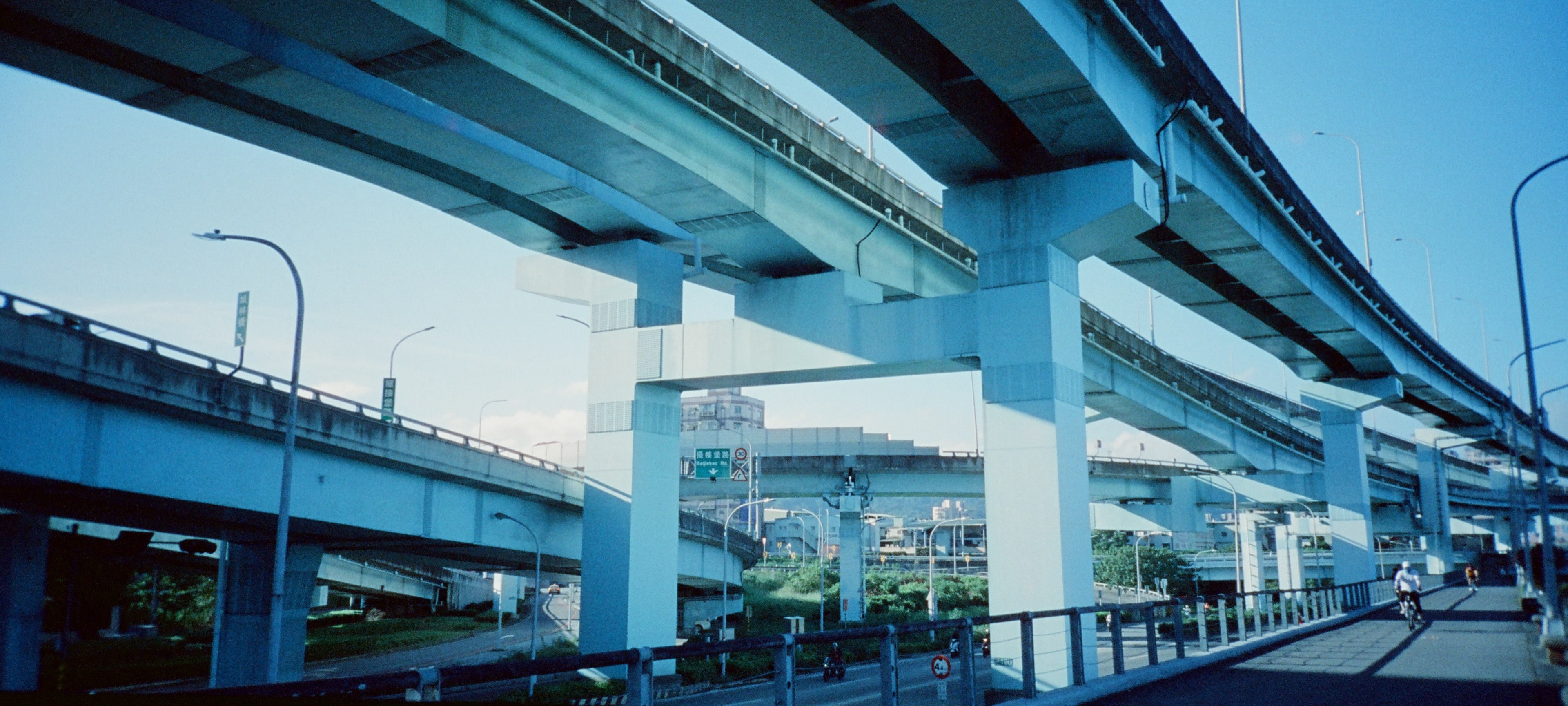
#22
Testing the 24mm wide mode again. My color-weak eyes tell me the wide mode runs cooler.
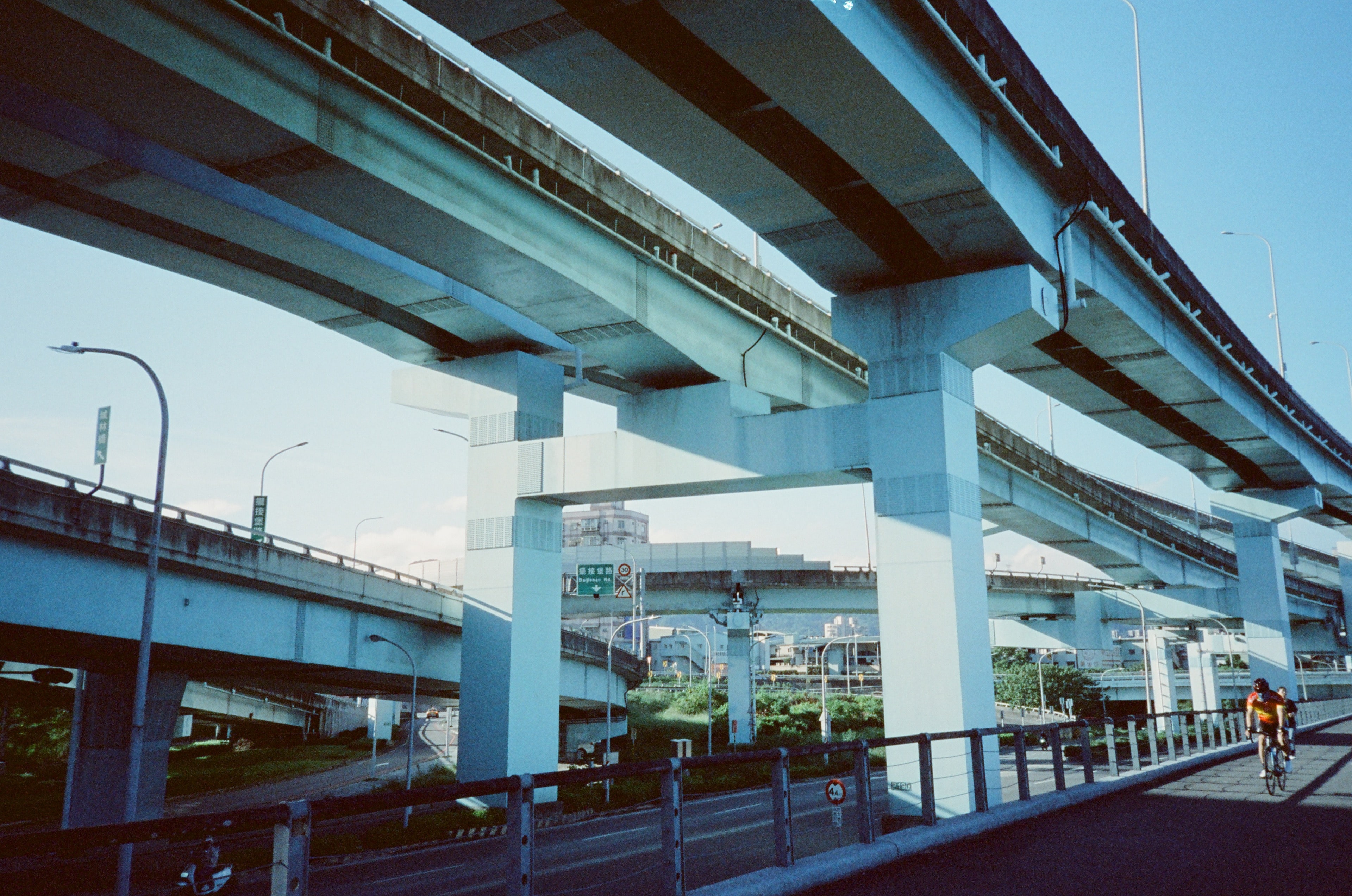
#23
Standard 30mm mode, same location.
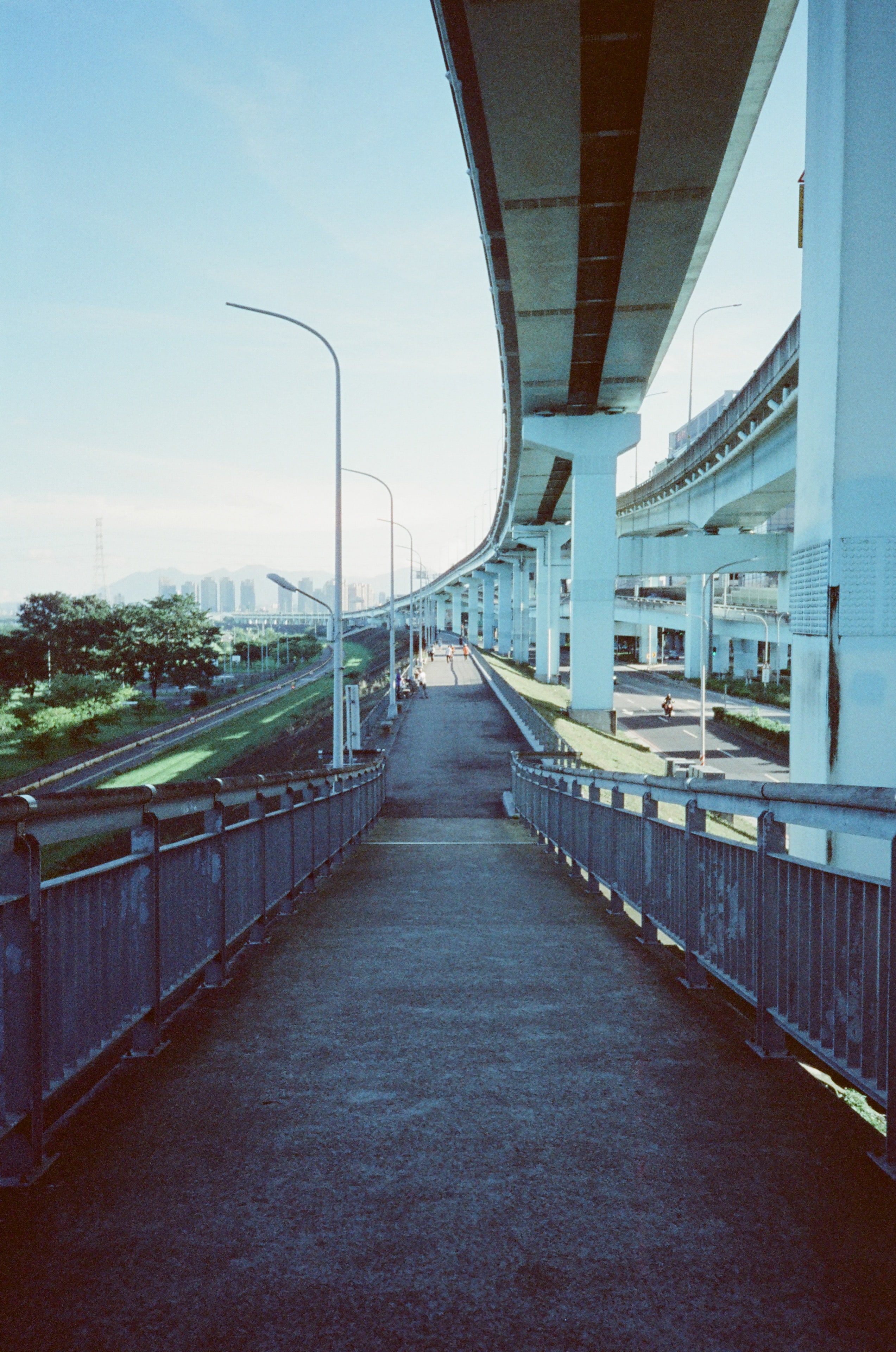
#24
End of the run.
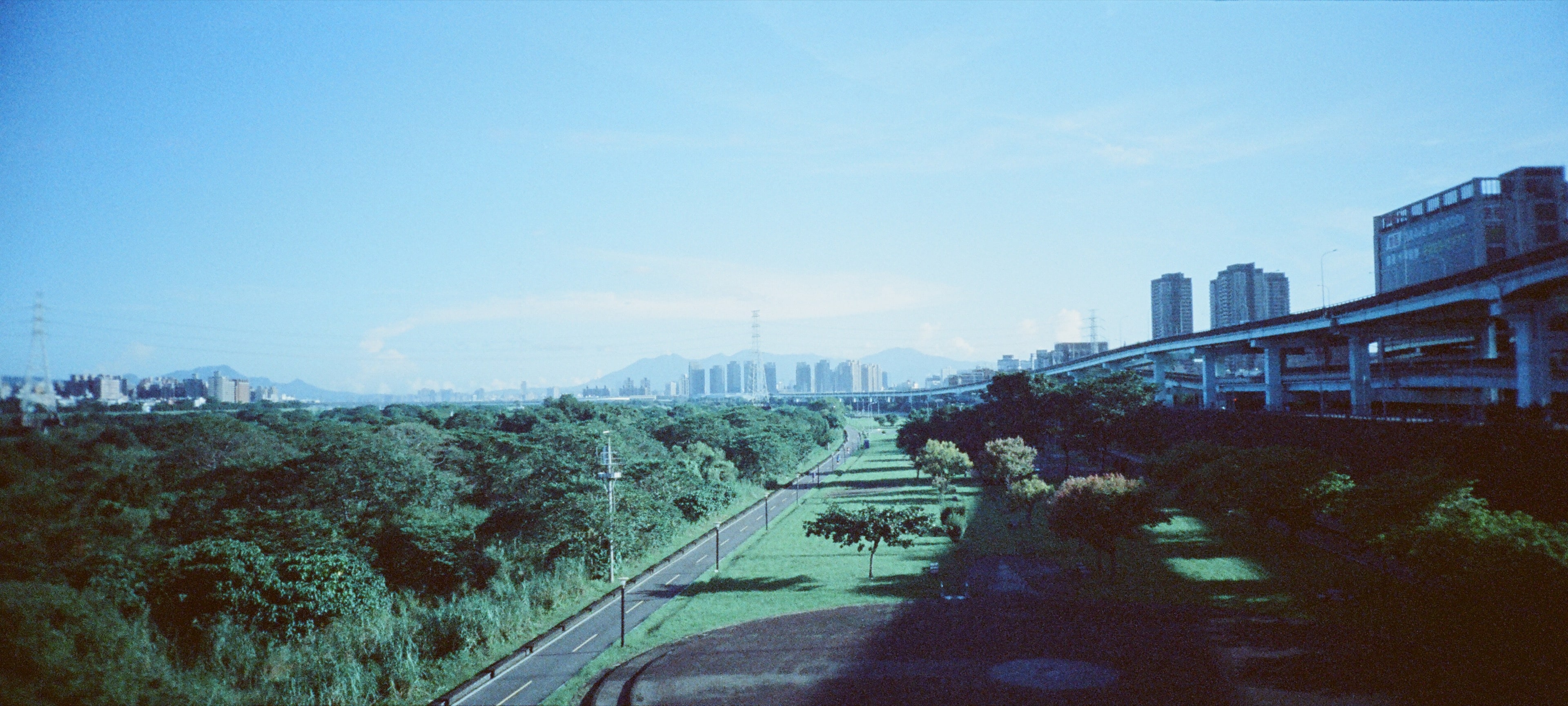
#25
Worth repeating: if your eye naturally lands on the farthest point in a scene, shoot it with the longest lens that fits the frame — not the widest. If you can't fit everything in one shot, shoot more frames. Practice choosing. That's what makes longer focal lengths so compelling.
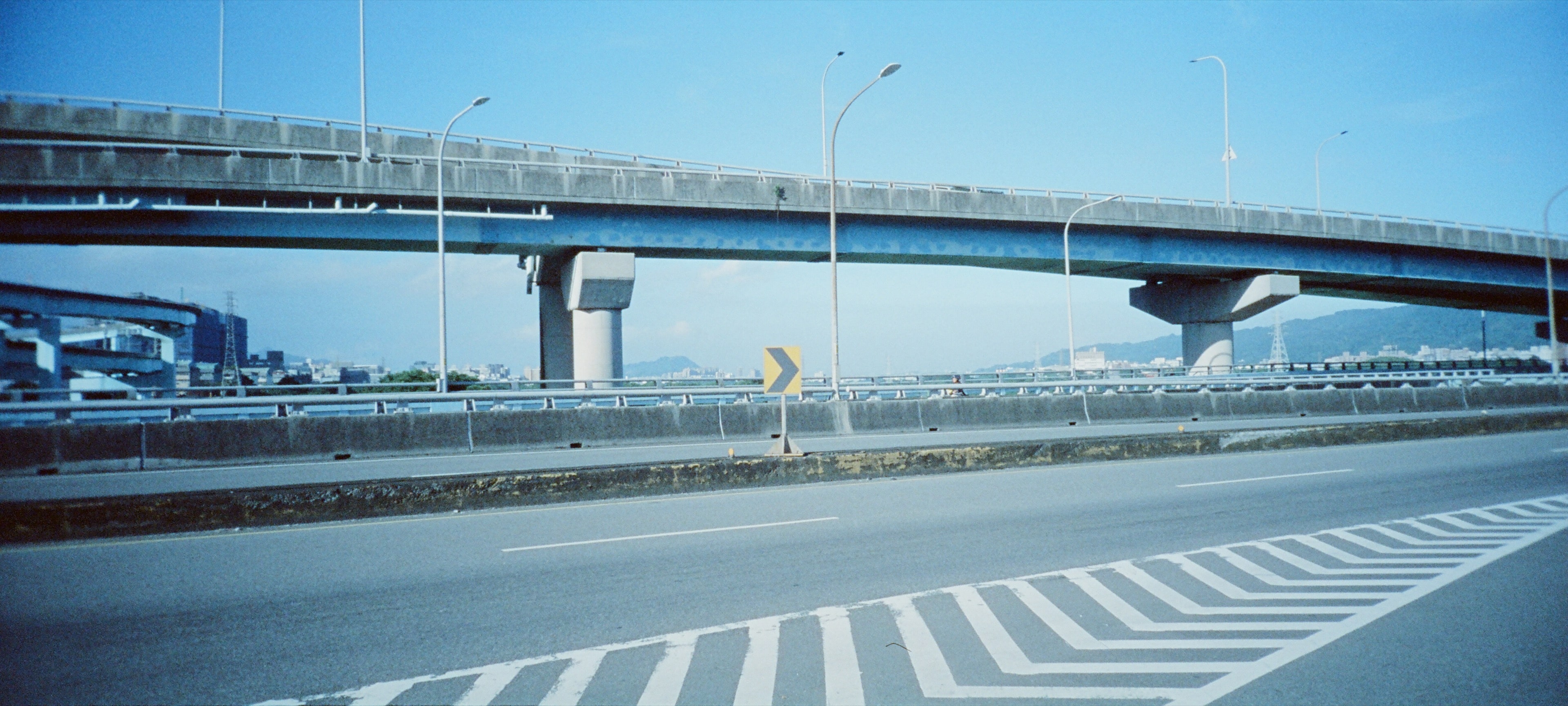
#26
Vignette test in wide mode.
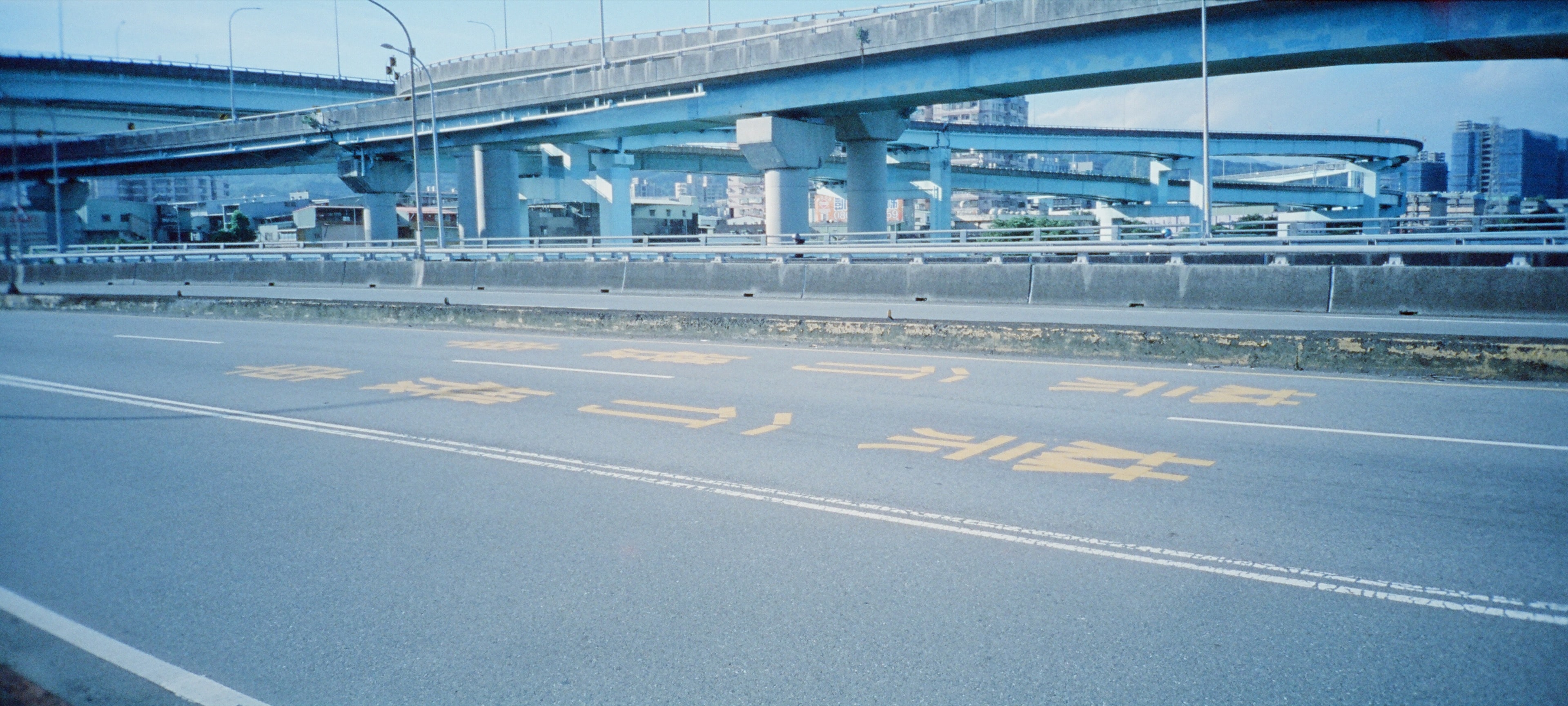
#27
Another vignette test — really want to try removing the top and bottom masking to see the full frame.
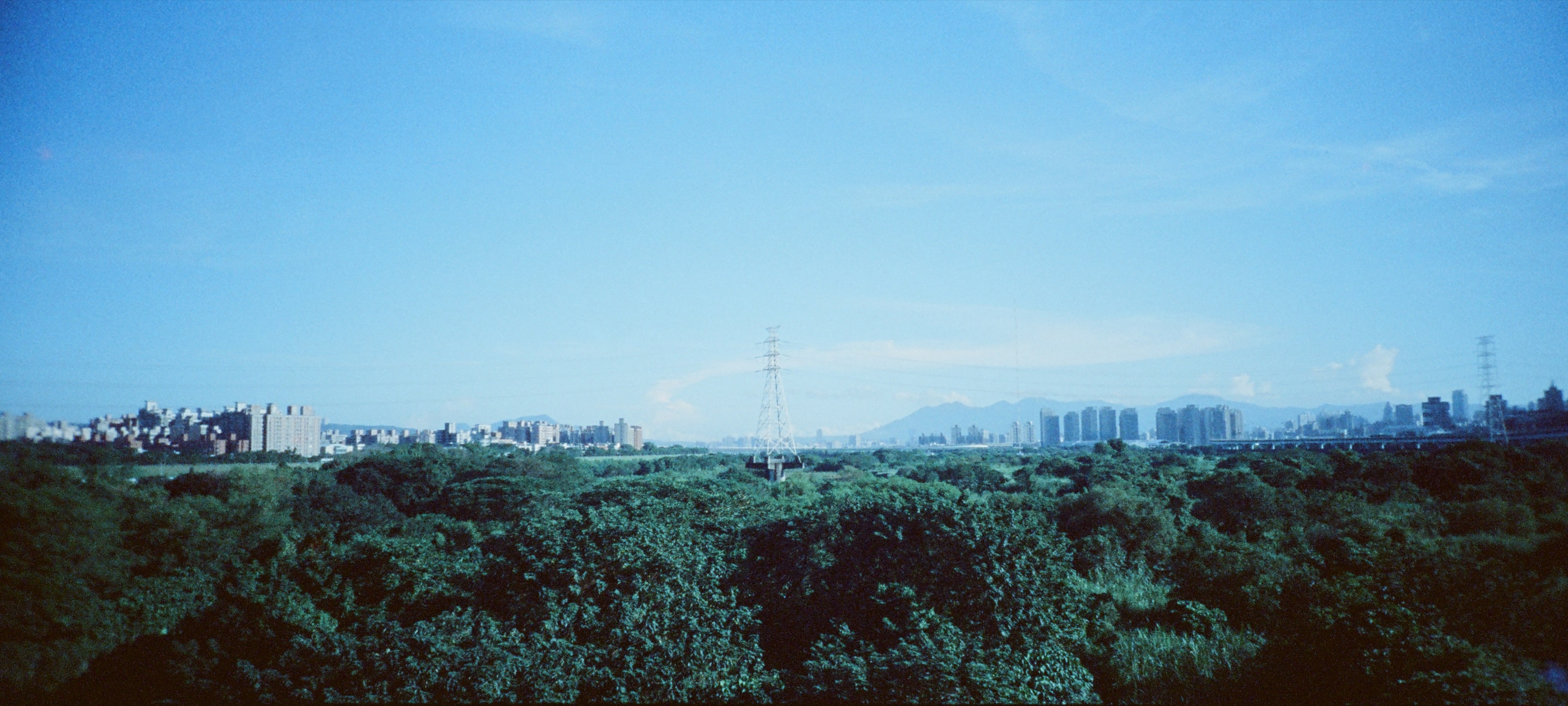
#28
Honestly, the letterbox crop just annoys me. No reaction beyond that.
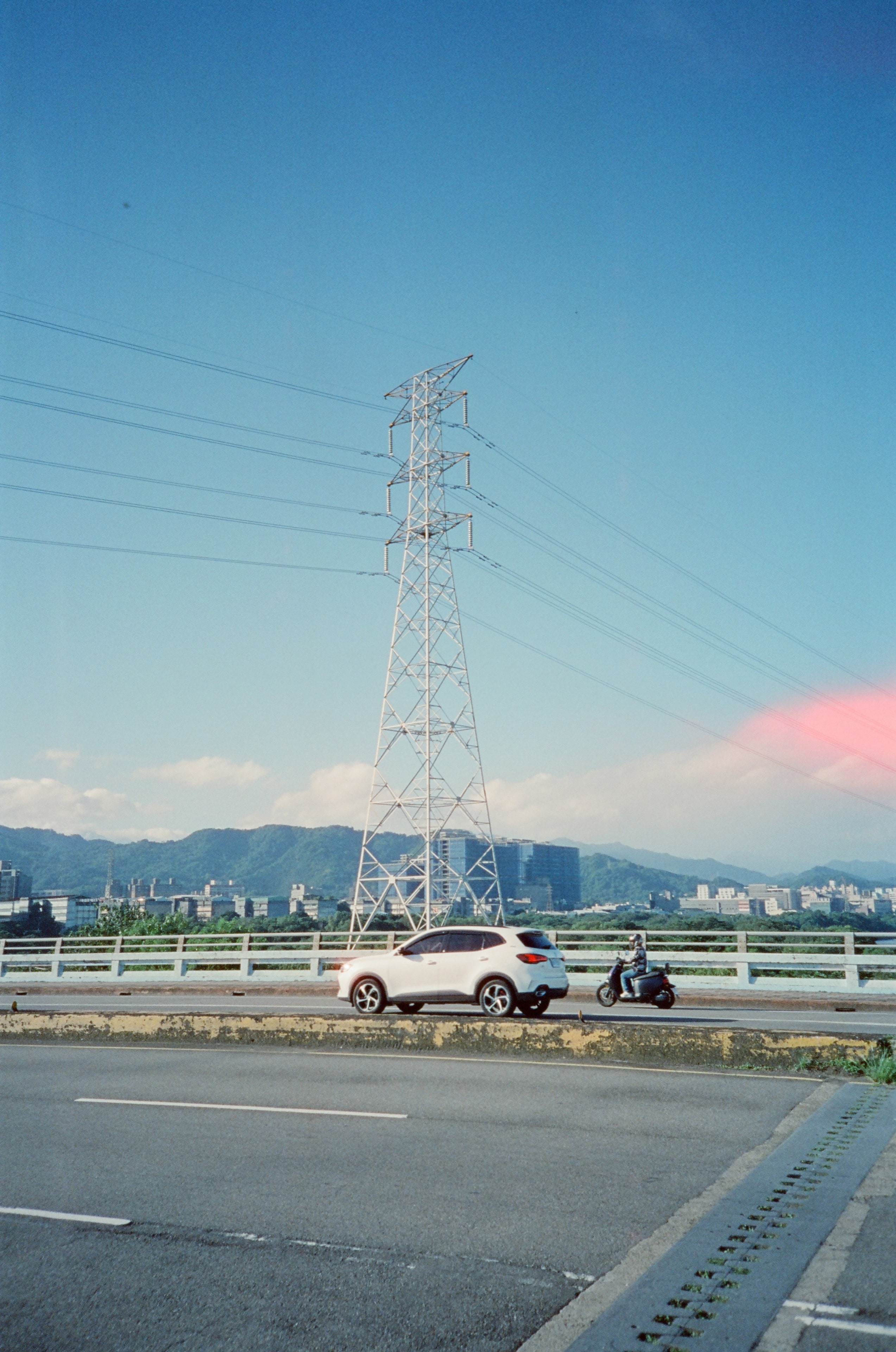
#29
The CyberPunk 800T repackage has light leak issues — not recommended. Because the R1S pre-winds the entire roll before shooting (then pulls it back into the canister frame by frame), what you're seeing here at the "end" of the roll is actually what would be the leader light leak on a conventional camera. This design also reverses the order of your photos, which is a real headache for anyone who archives shots chronologically.
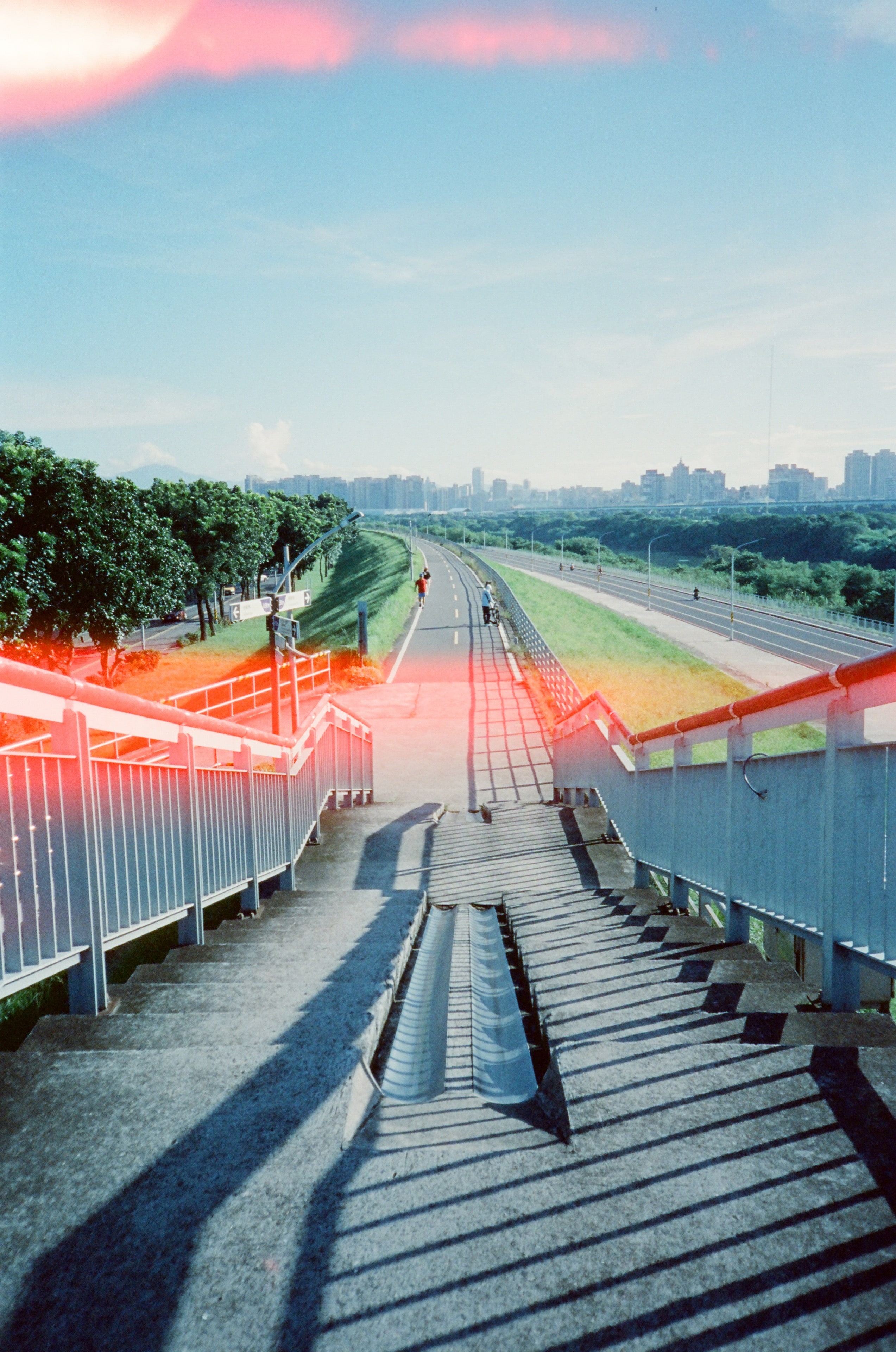
#30
Including these frames to document the CyberPunk 800T light leak. Same issue as the Amber T800 — "consistent" quality, just not the good kind.
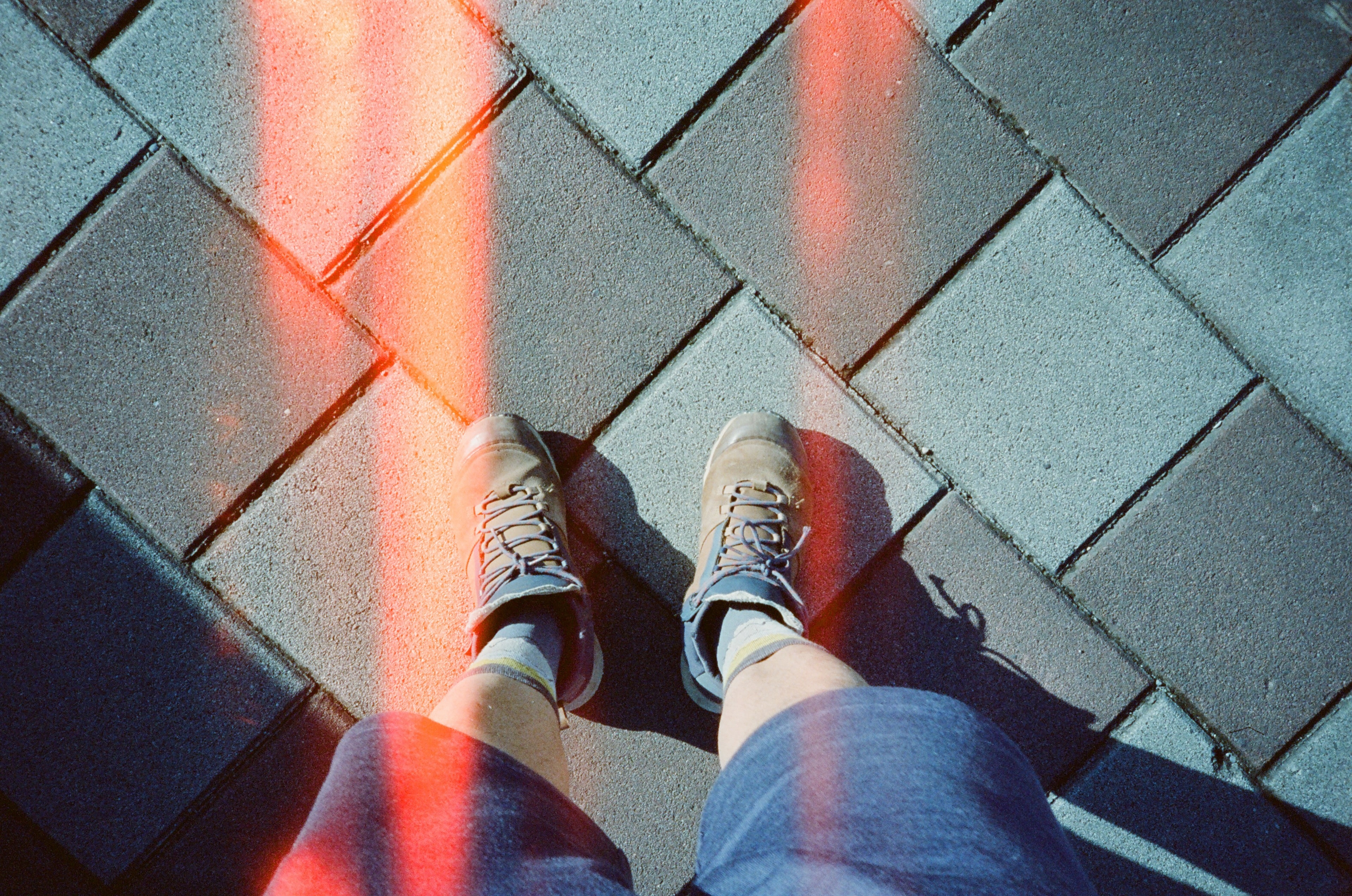
#31
Yes, I run in hiking boots.
That's the full roll — Ricoh R1S 30mm f3.5 / 24mm f8 with Kodak Vision3 500T/5219, remjet removed. Thanks for reading.