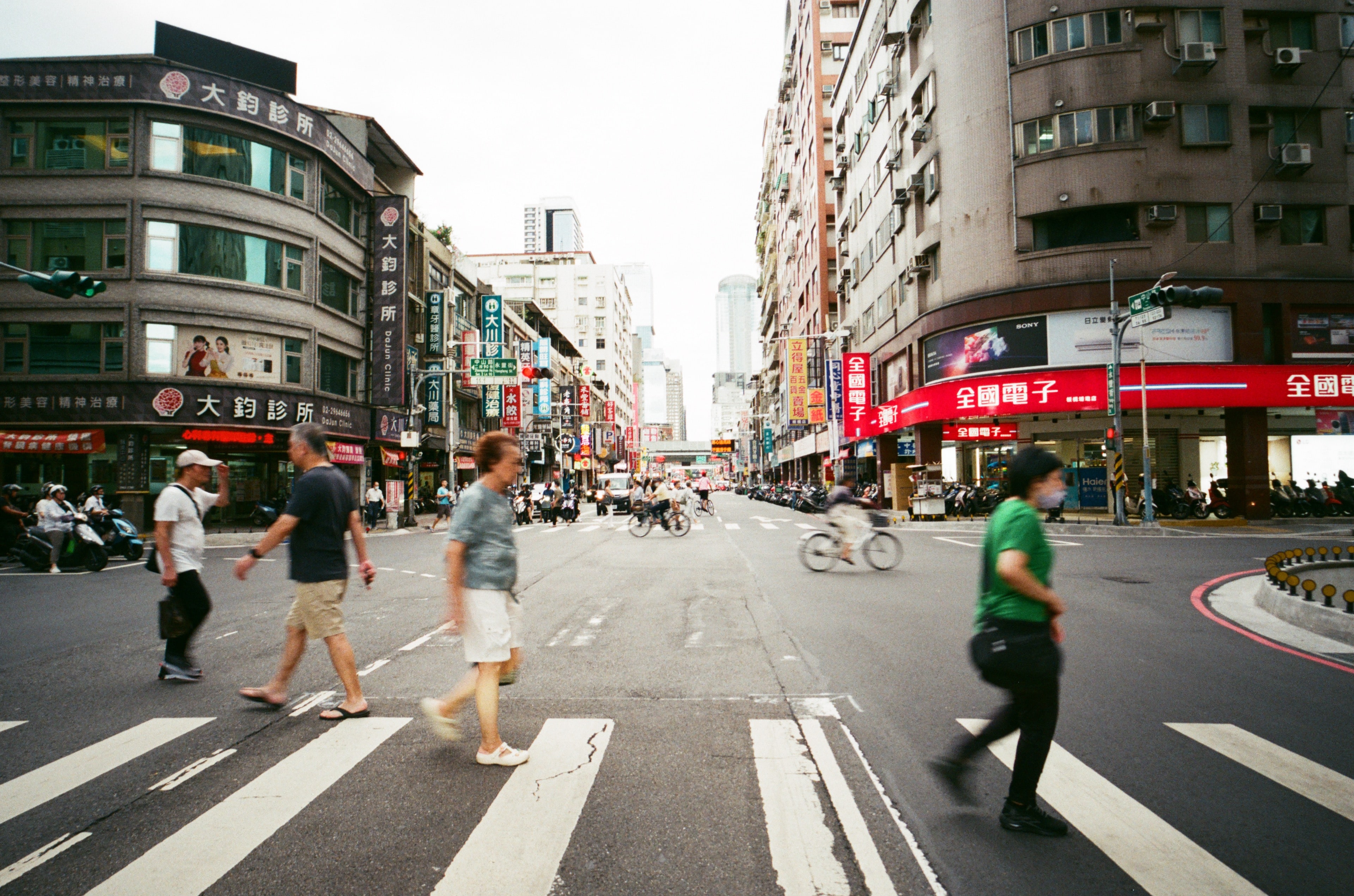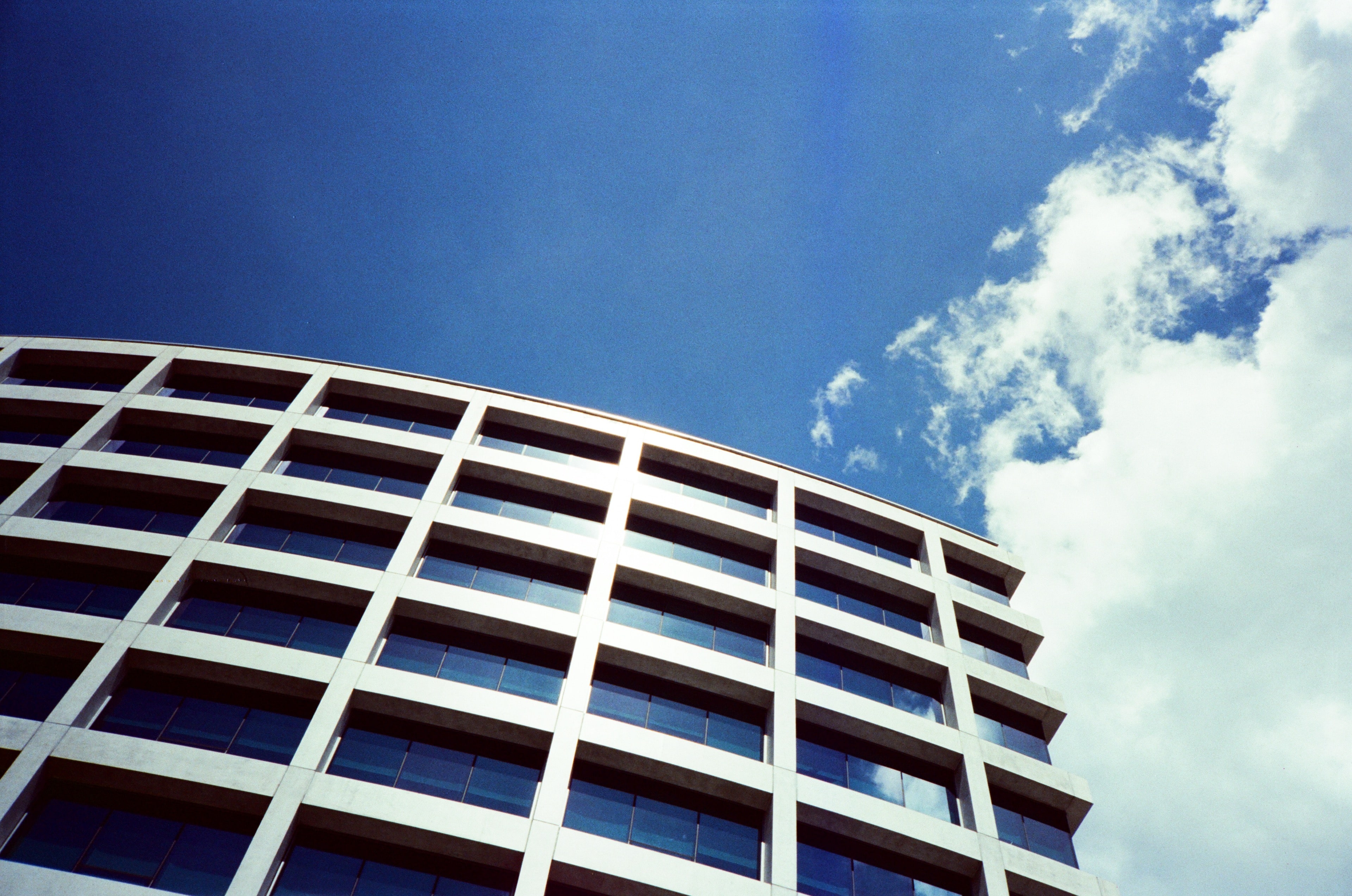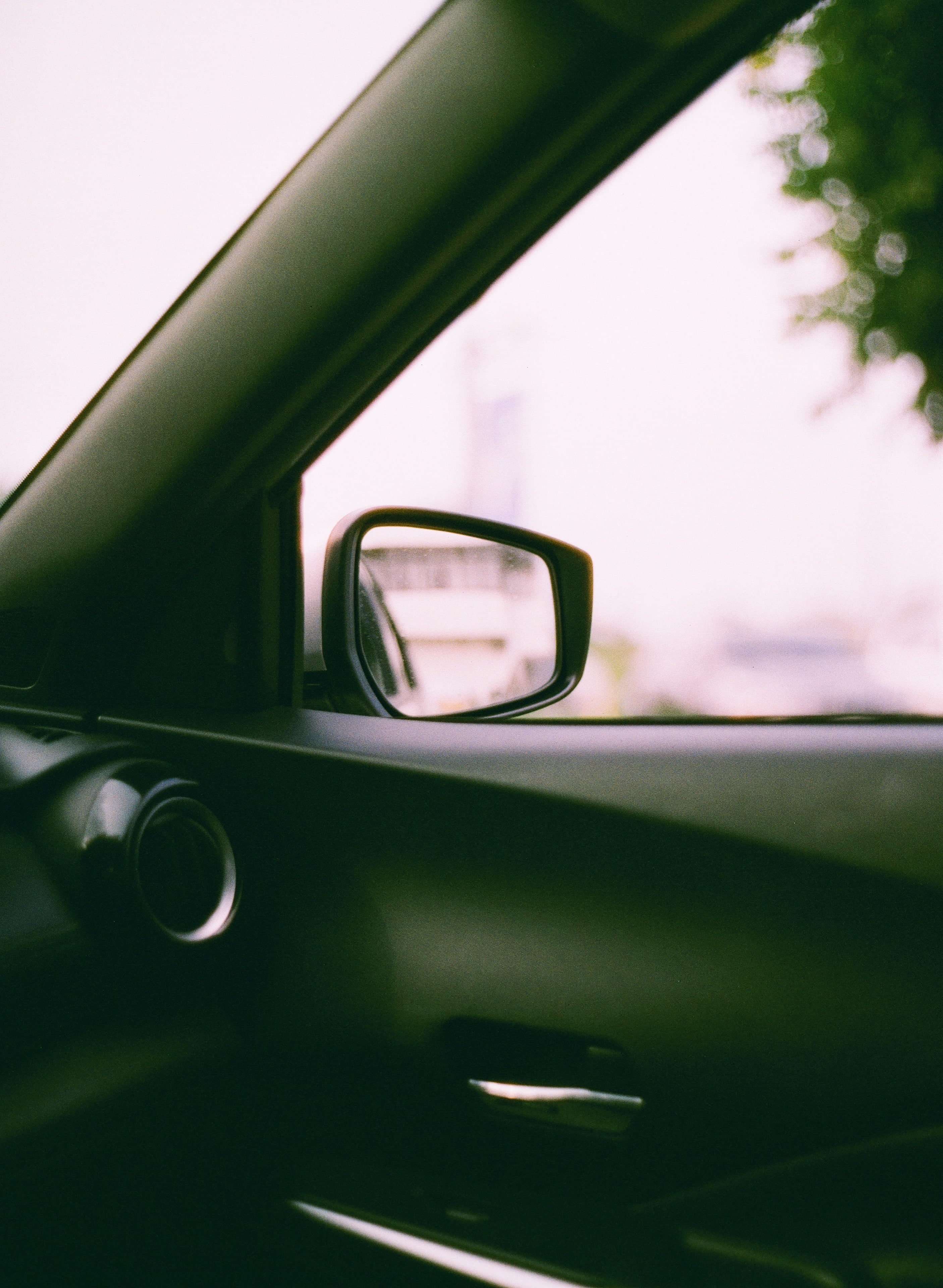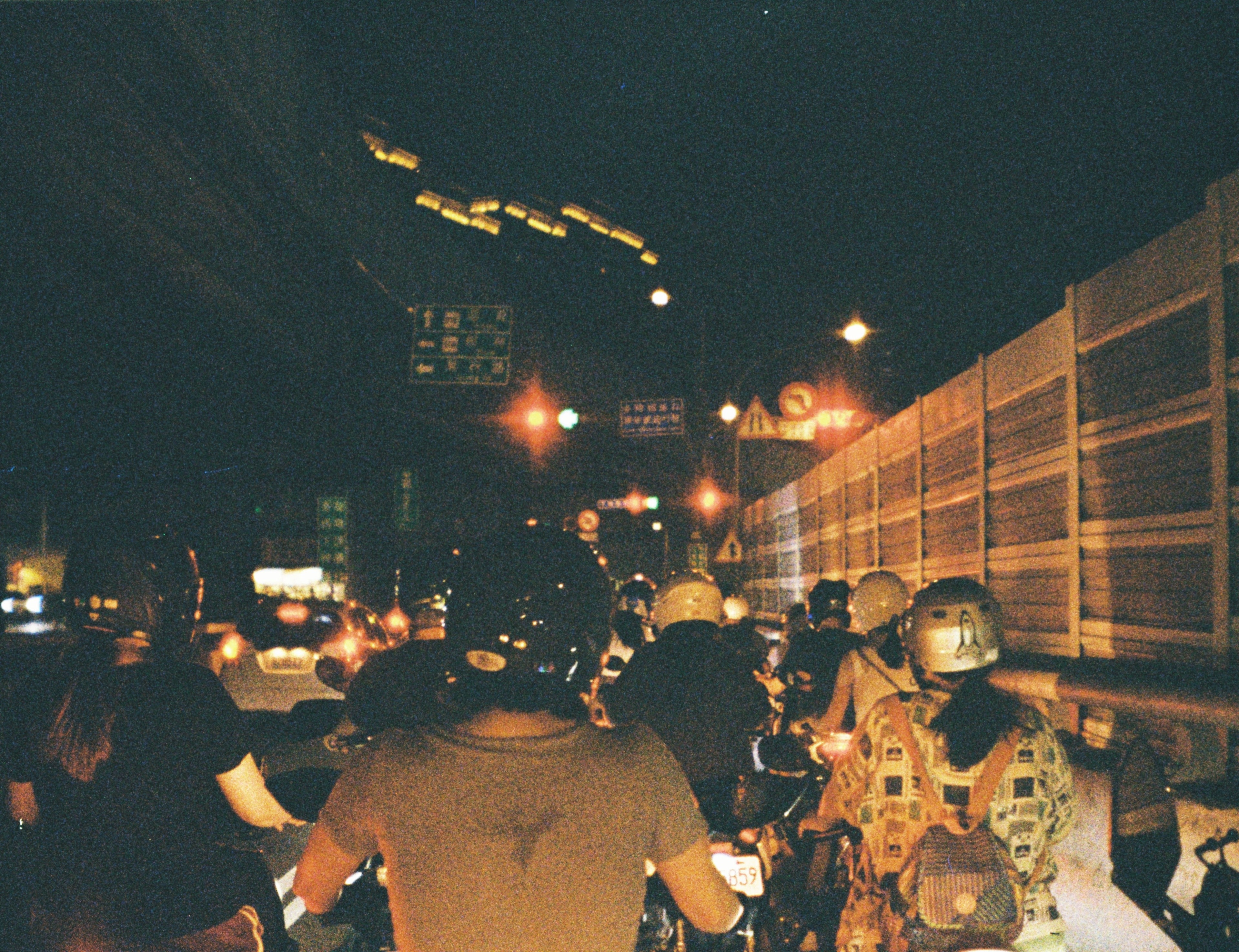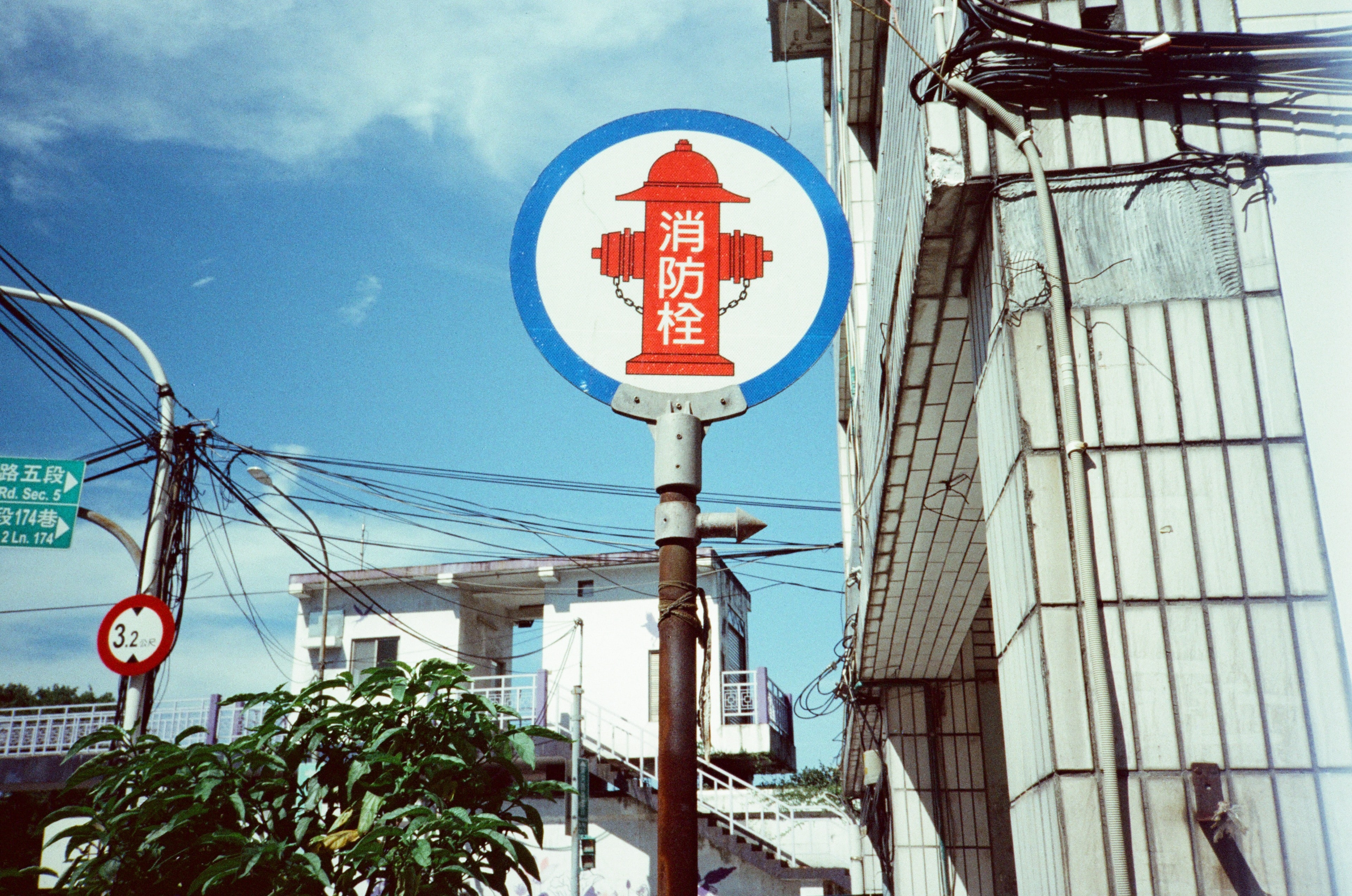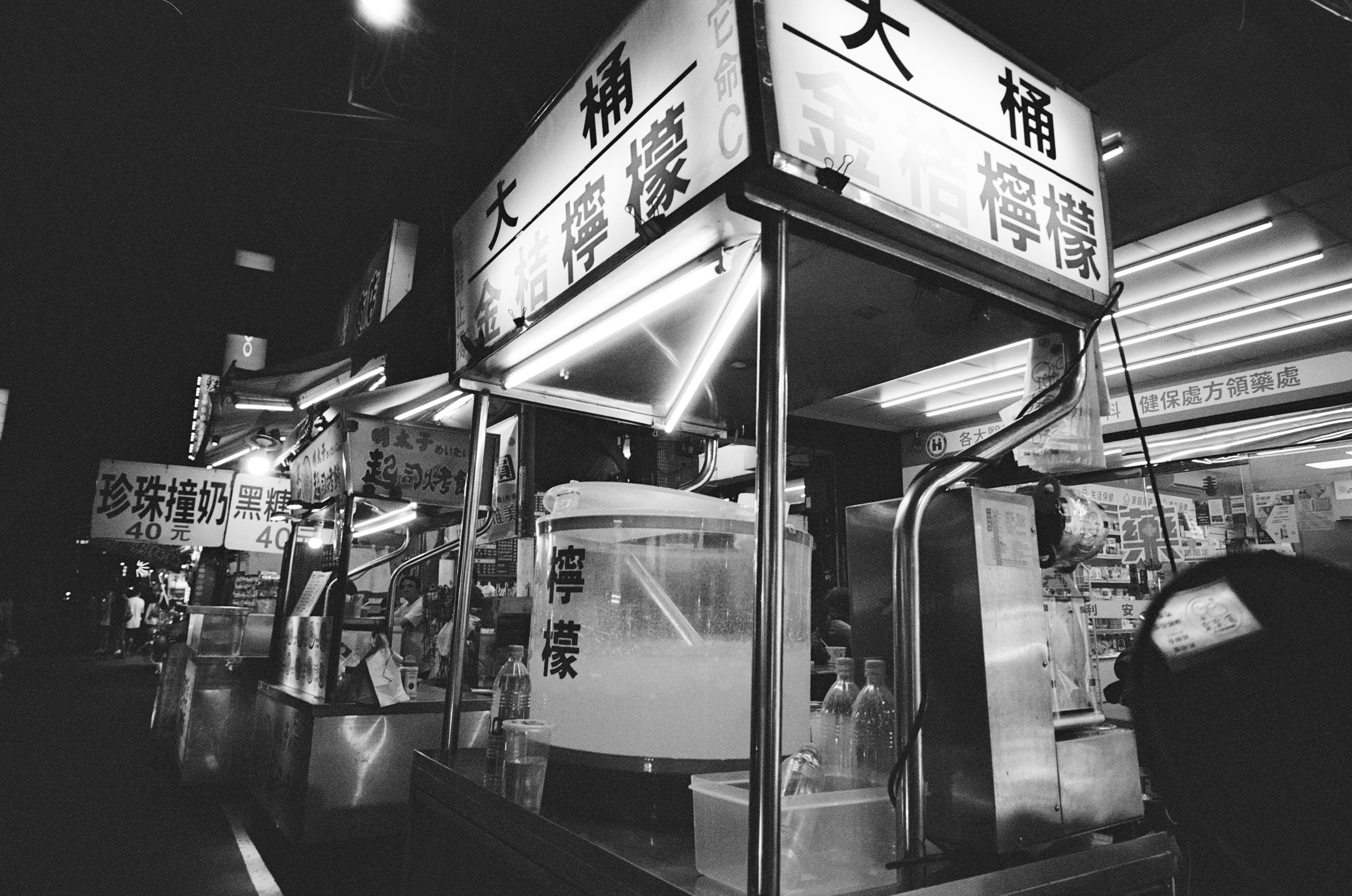
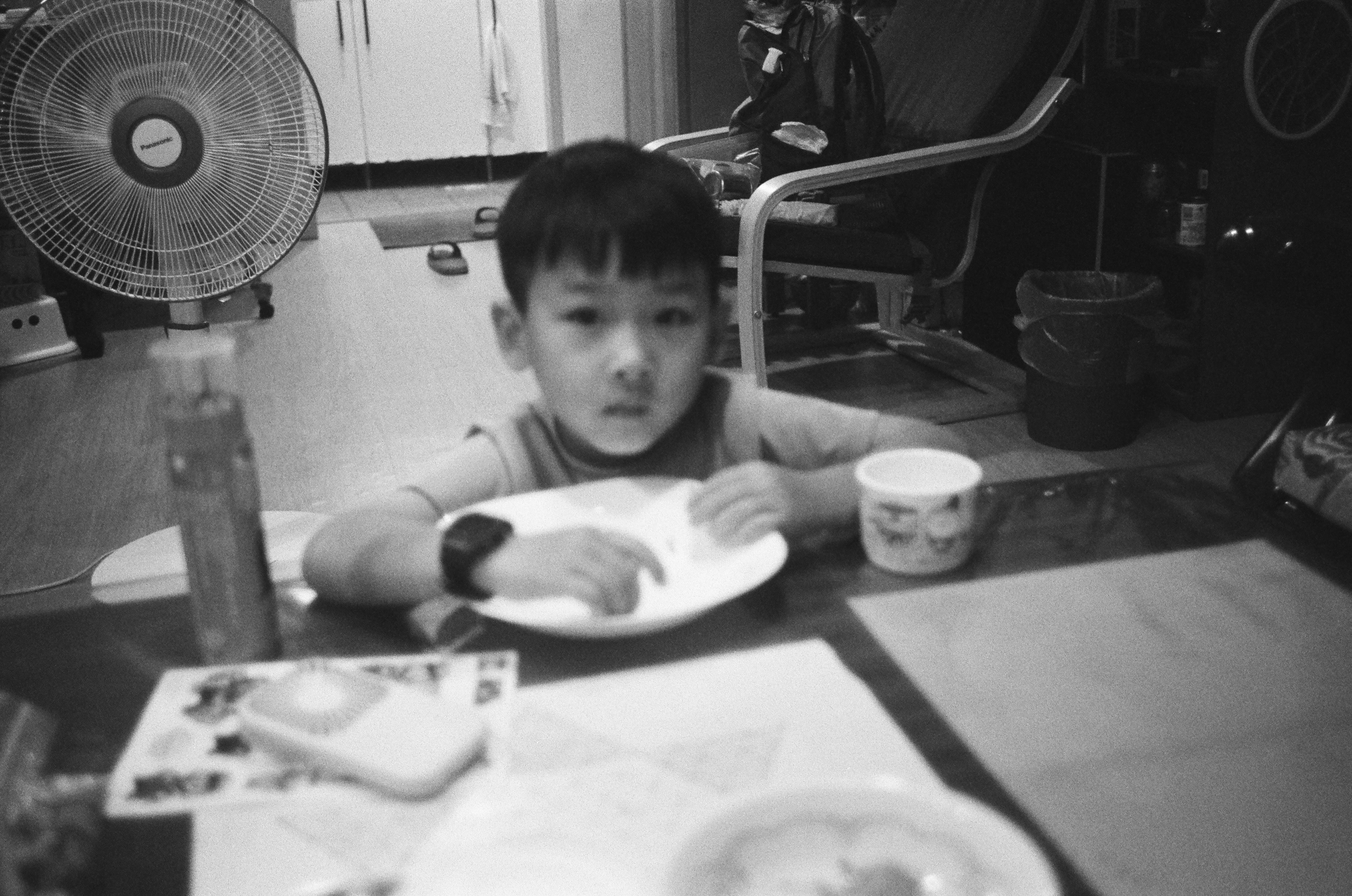
Roll #231 — if this had been shot on digital, it would have been deleted immediately — because it's out of focus
Film: Ilford HP5 Plus 400
Developed & scanned: Li-lai Photo, 2024/9/25
Camera: Konica C35 AF 38mm f2.8
-
In some ways I've been lucky — many of my first experiences with film cameras have been with genuinely good examples of their type. My first TLR was the Olympus Flex, which left me with a very positive impression of the format. I assumed all TLRs were that straightforward to use, which wasn't really true; the Olympus Flex just happens to be one of the better-executed Japanese TLRs. Beyond TLRs: in the early days of the autofocus point-and-shoot, almost every major brand released a first-generation model with a 38mm f2.8 lens, manual film advance, and the Honeywell VAF (Vistronic Automatic Focusing) system.
My first "autofocus, manual advance, large-aperture point-and-shoot" was the Olympus C-AF 38mm f2.8 (released 1981), and my experience with it was excellent — accurate focus, beautiful metal body. But with so many similar cameras from that era, I was curious about the others. Which leads us to this roll, shot on the Konica C35 AF 38mm f2.8 (released 1977) — the camera that started it all, the first mass-produced autofocus point-and-shoot.
Before buying the Konica C35 AF, I'd heard it had focus reliability issues. Testing confirmed it: this camera misses focus often, especially at close range or in low light. The Olympus C-AF uses the same Honeywell VAF technology but never had this problem — whatever adjustments Olympus made in the four years between the two cameras clearly helped. One obvious addition: the C-AF has a focus assist lamp that lights up when you half-press the shutter, giving the autofocus system better information to work with.
The C35 AF predates that, and its autofocus performance reflects that — unreliable enough to make you nervous. And beyond the focus, the body is standard plastic, unlike the C-AF's elegant metal shell. I don't have a bias against plastic bodies in general — some cameras wear plastic beautifully, like the Konica Big mini BM-301 (35mm f3.5), the Olympus XA2 (35mm f3.5), and the Cosina CX-2 (35mm f2.8). But after spending time with the C-AF, coming back to the C35 AF makes the difference in build quality feel obvious.
Bottom line: if you're interested in manual-advance autofocus cameras from this era, the Olympus C-AF is a clearly better choice than the Konica C35 AF.
-
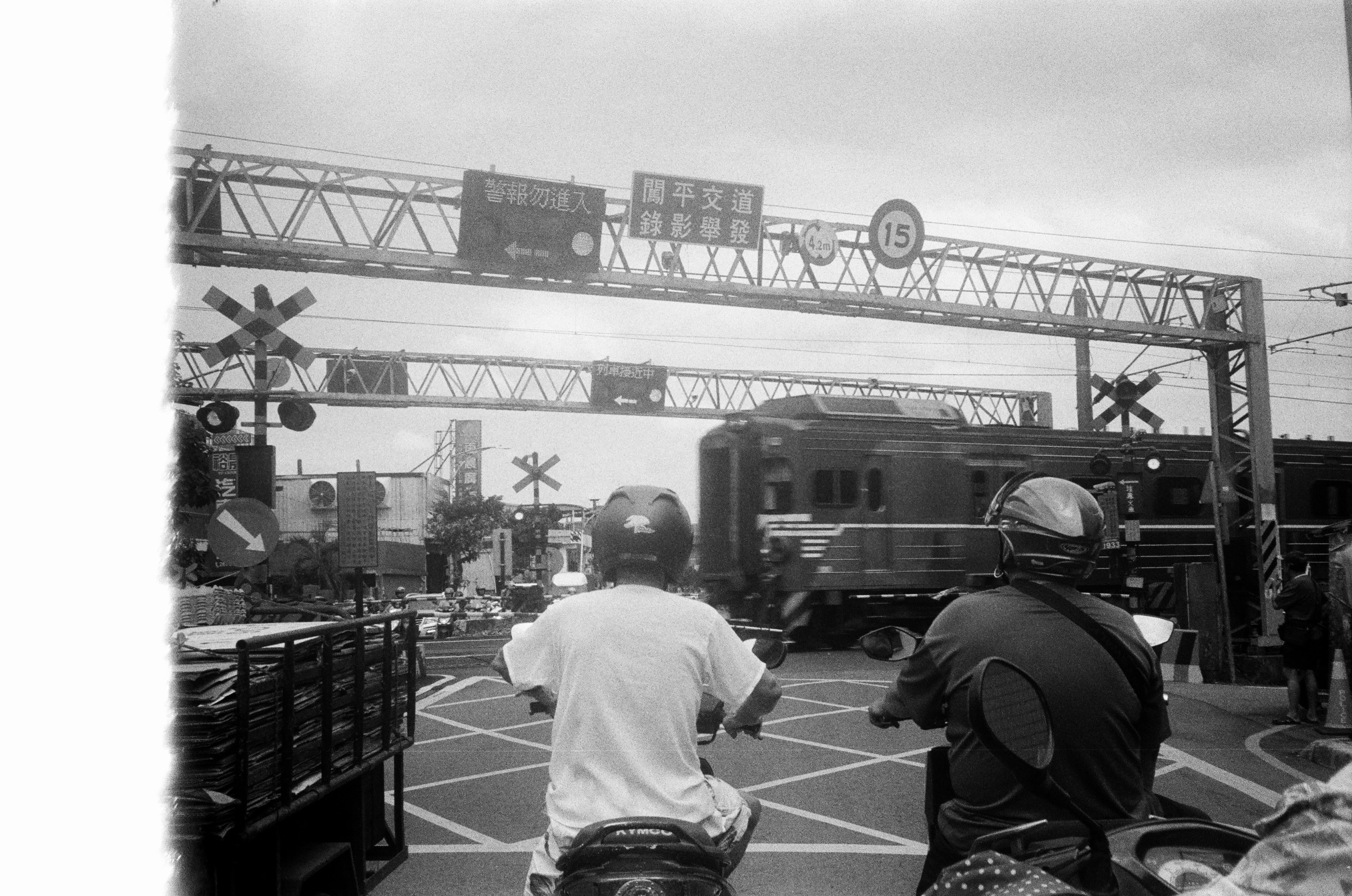
#1
The first frame — I was on the way to buy breakfast and deliberately took this route so I could catch a train passing. The C35 AF's maximum shutter speed is 1/250, same as the Konica Hexar AF, so freezing fast motion is out — but that same limitation gives you motion blur, which restores the sense of speed in the frame. Two sides of the same coin.
#2
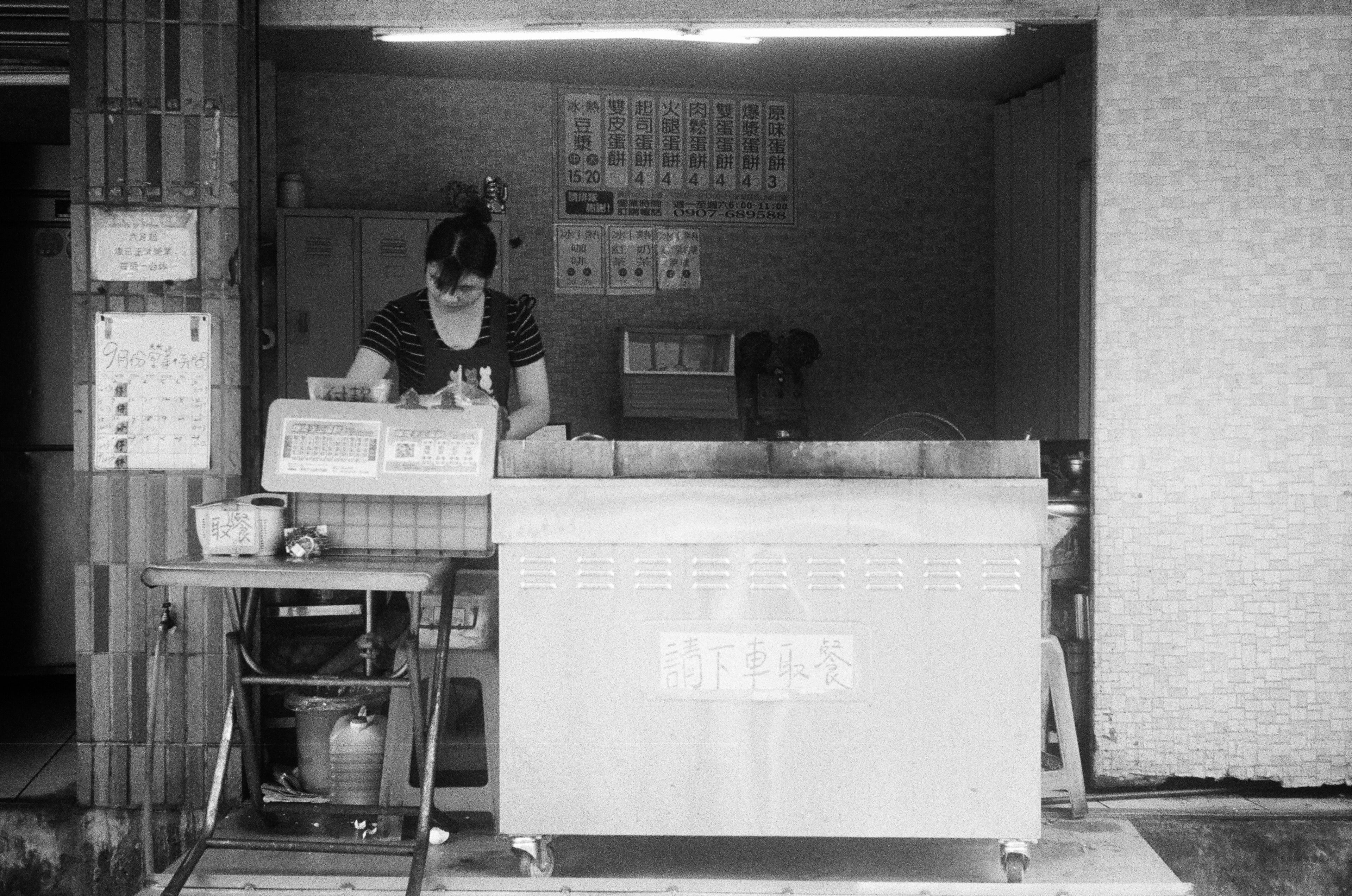
A traditional egg crepe stall. The five big characters on the grill — "Please dismount to collect orders" — tell you they're getting delivery platform orders.
#3
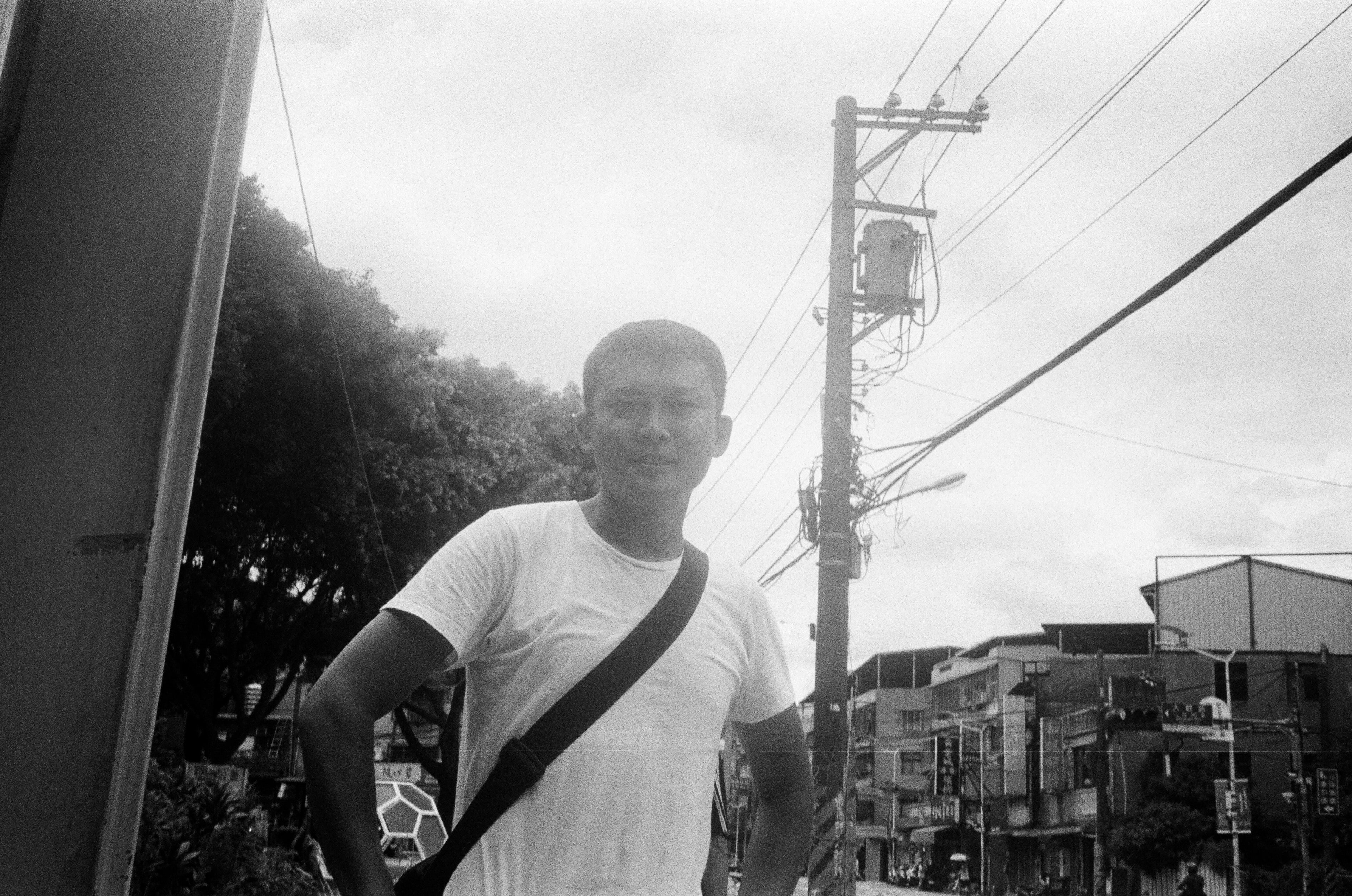
I took my son to the movies — suggested we go by bus. He took this one at the bus stop. You can see some haze in the lens here, possibly fungus, giving the frame a soft, dreamlike quality.
#4
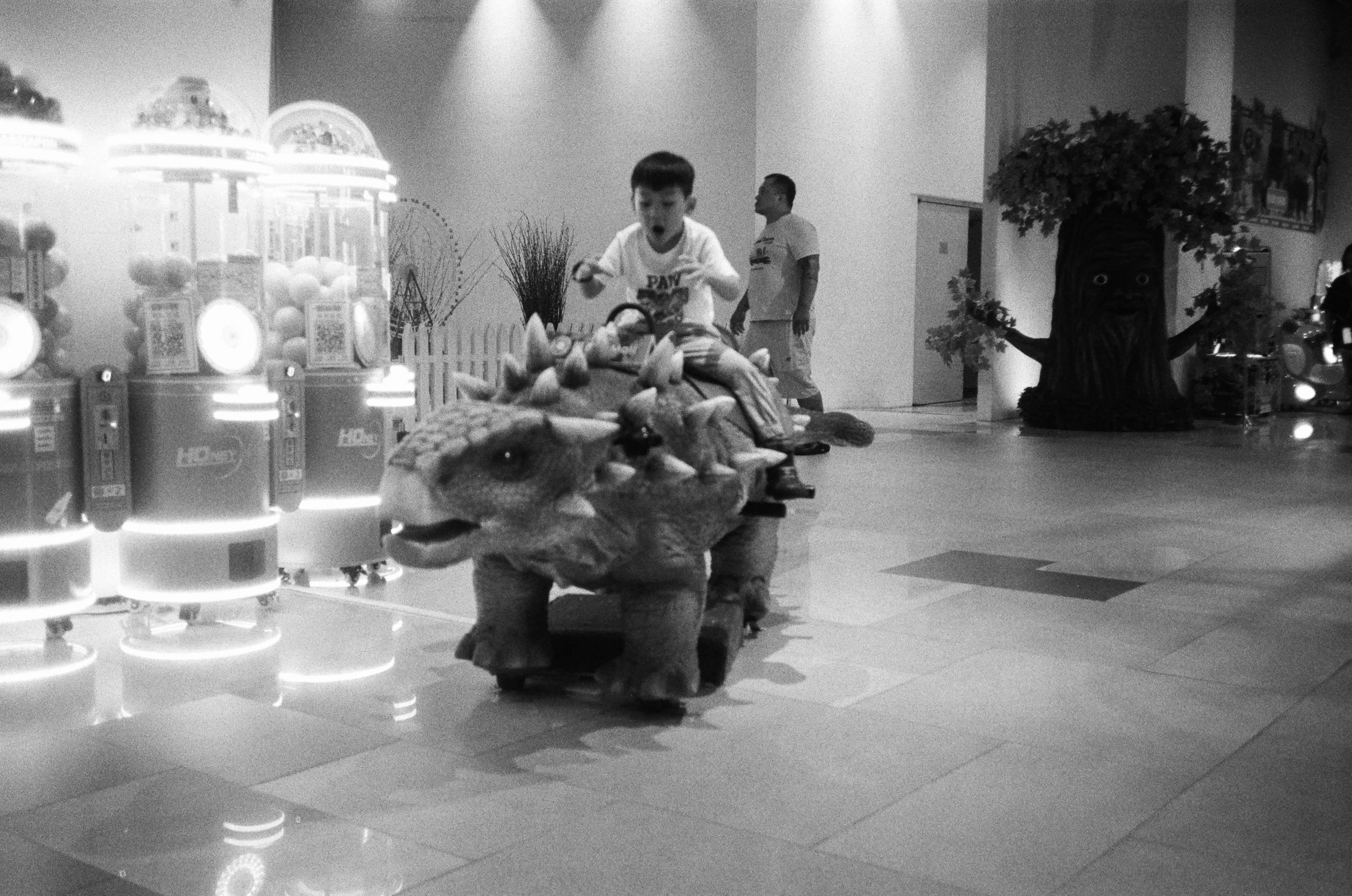
Below the cinema, the kind of arcade installations that reliably trap children for twenty minutes.
#5
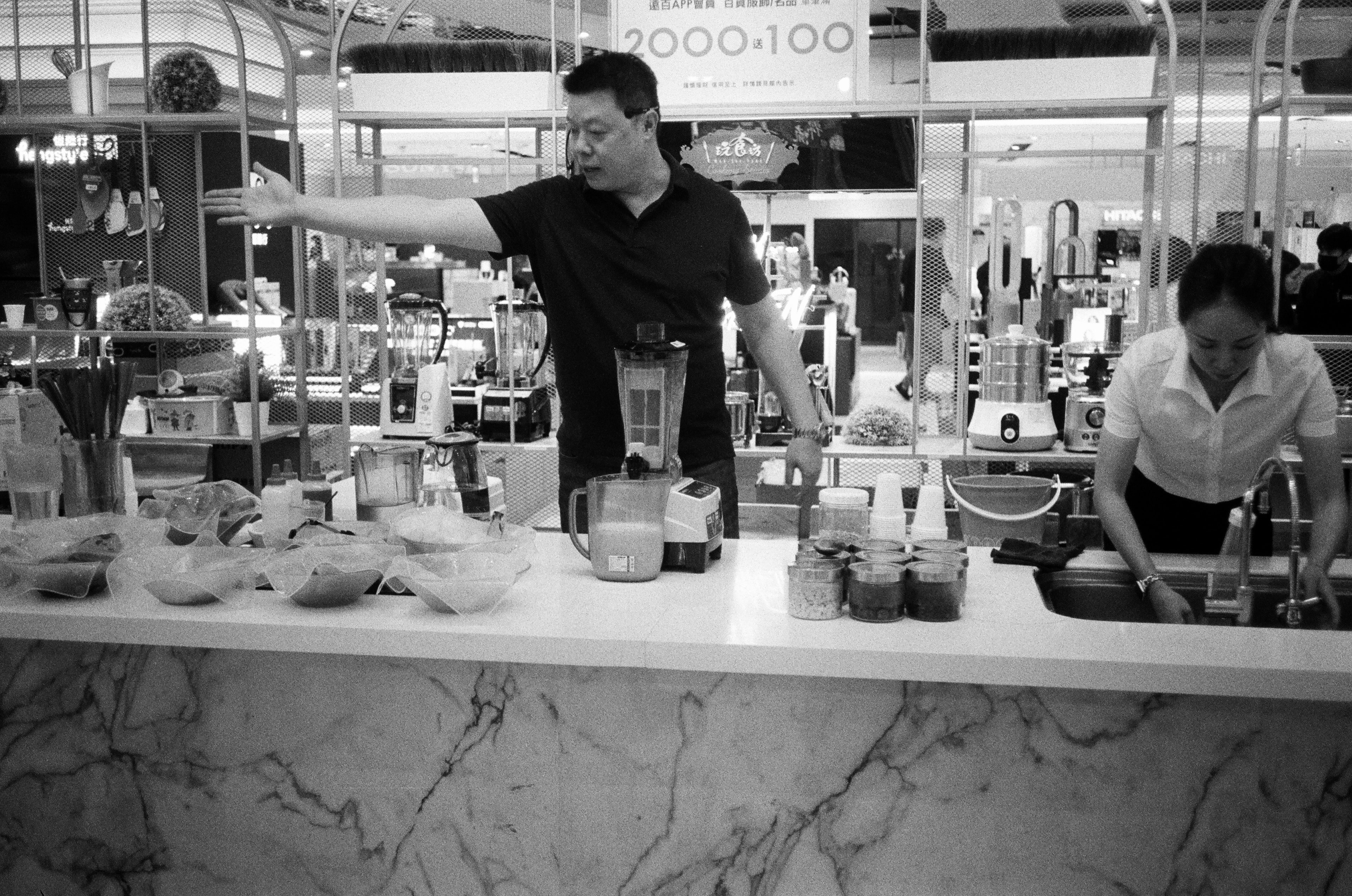
Wandered into a Lady grinder demonstration and ended up staying for an hour, trying samples the whole time.

#6
My son is too tall for the stroller now, but for a full day out solo with a kid, having it along still provides peace of mind. No need to worry about him suddenly deciding his legs don't work.
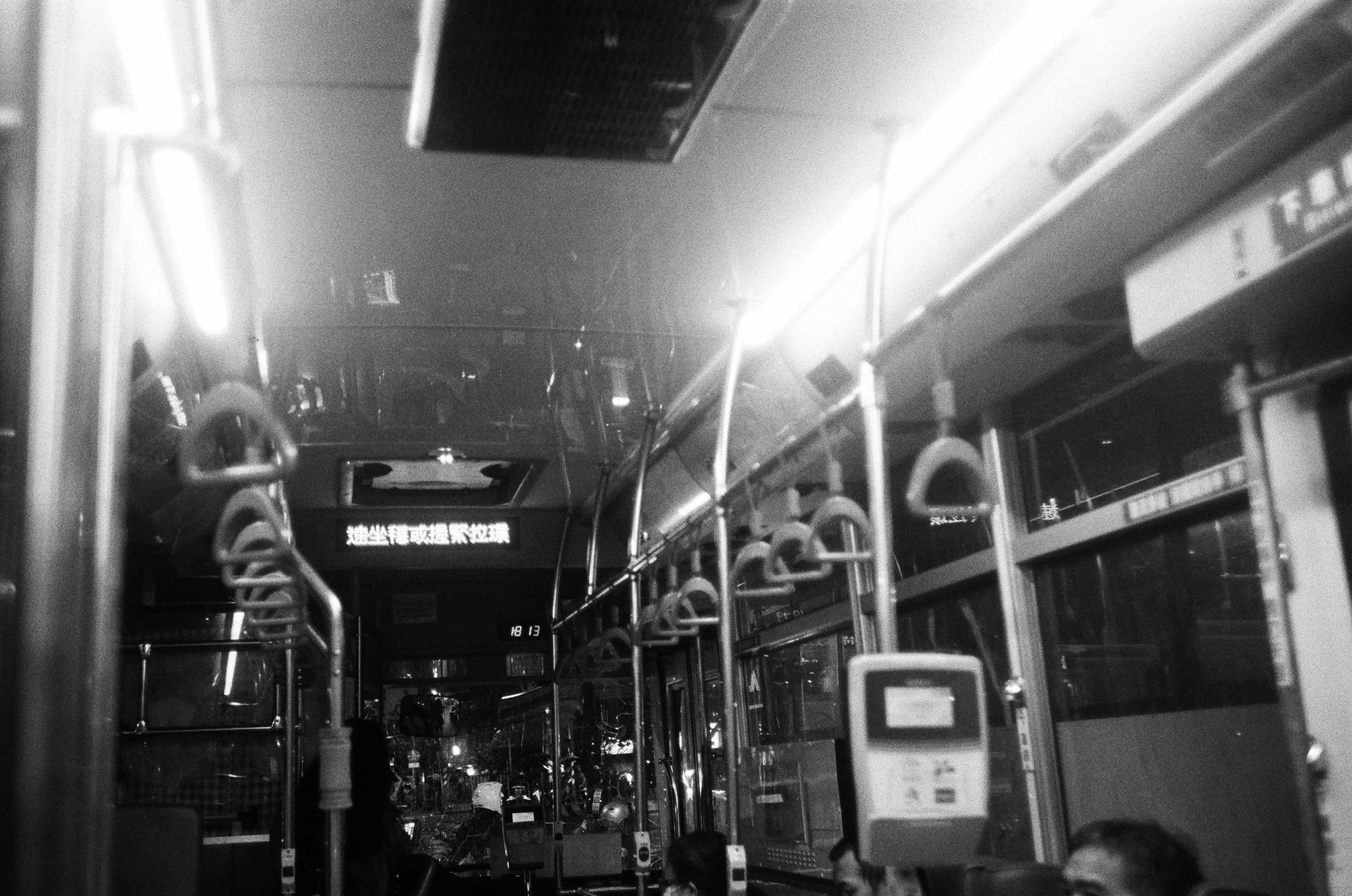
#7
A bus in Banqiao, New Taipei City.
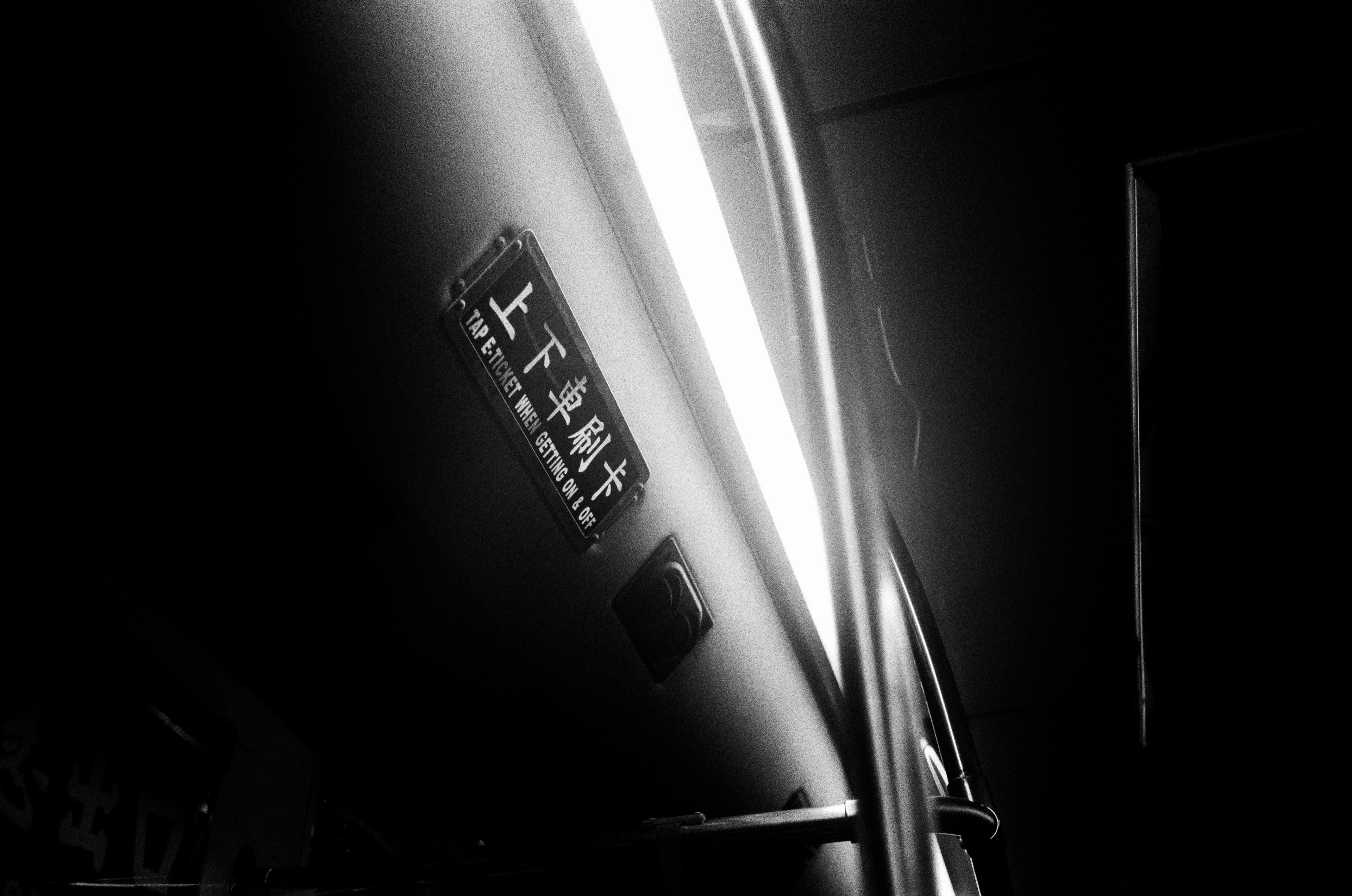
#8
Buses used to be either tap-on or tap-off, which confused a lot of riders. Most have switched to tap both ways now — simpler and clearer.

#9
My son and I in our seats — I was testing the C35 AF's autofocus accuracy in dim light.

#10
Swaying on the bus.
#11
Focus starting to drift — possibly too close to the minimum focus distance of 1.1m. At that range, the C35 AF's margin for error is very small.
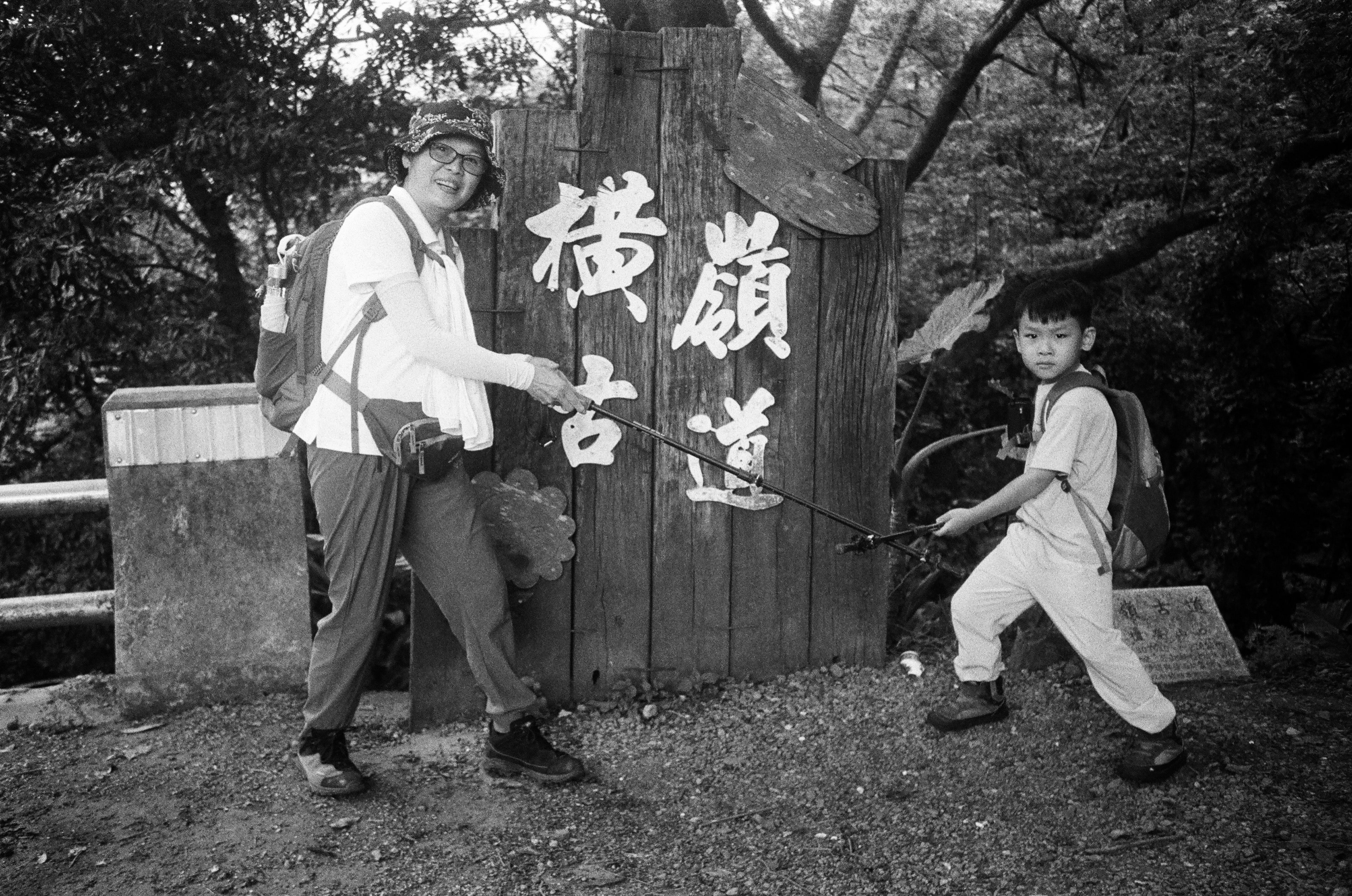
#12
A hike on the Hengling Historic Trail at Yangmingshan with my mom and son.
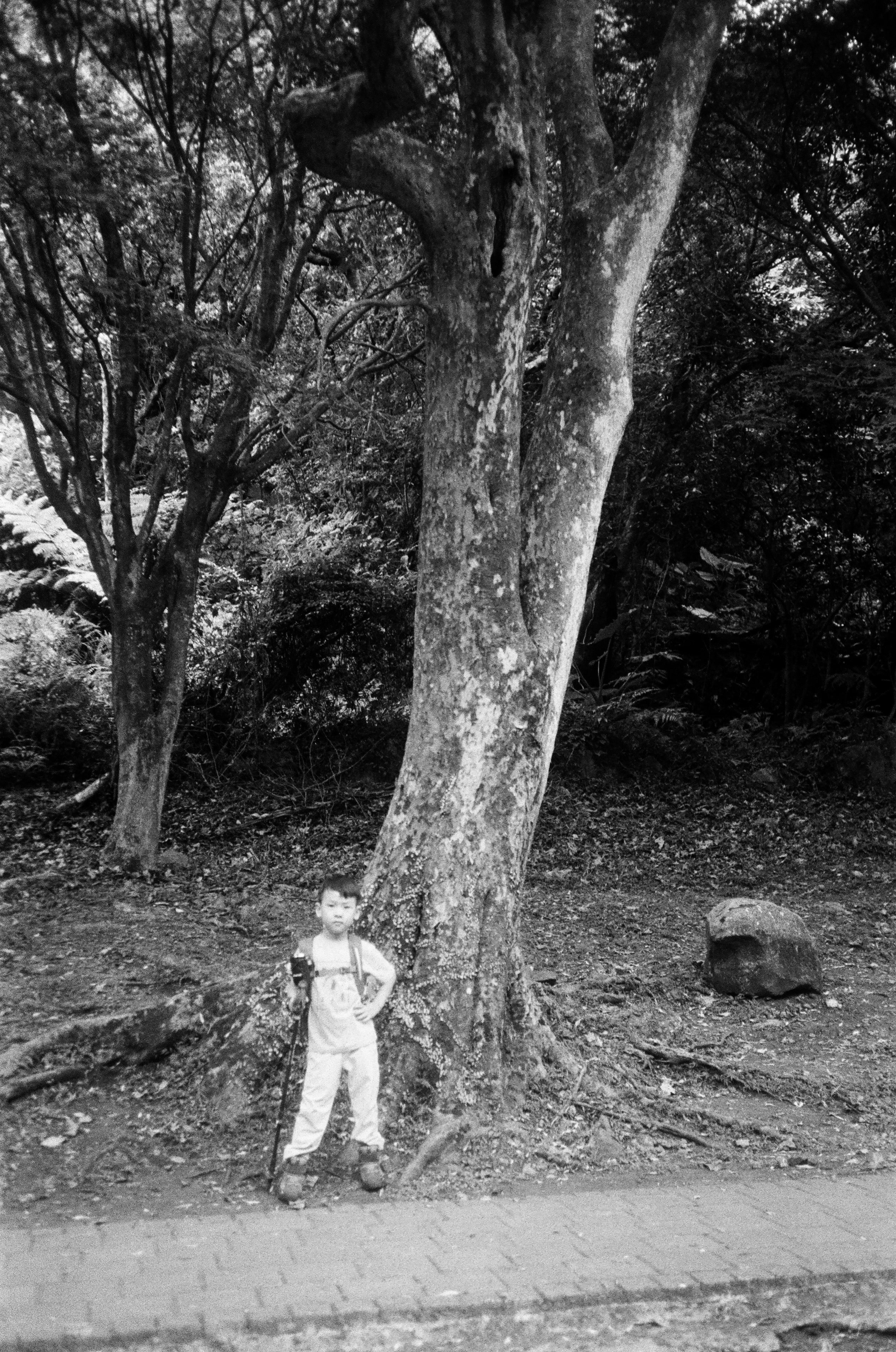
#13
Passed a massive Japanese ash tree along the route. According to another hiker, this tree is completely covered in rhinoceros beetles during breeding season — an astonishing number of them.
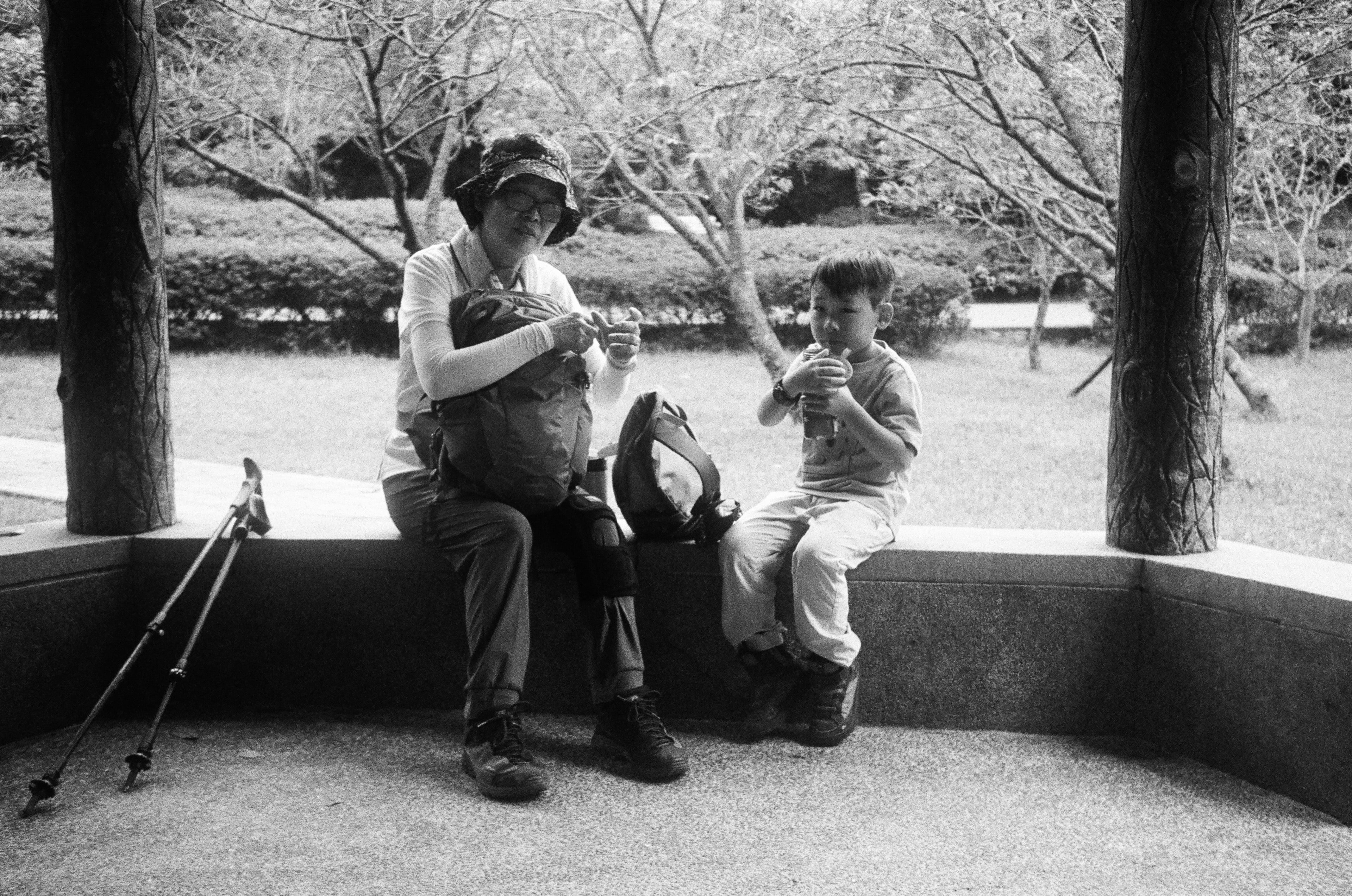
#14
Resting at a pavilion — though we'd barely walked any distance at this point.
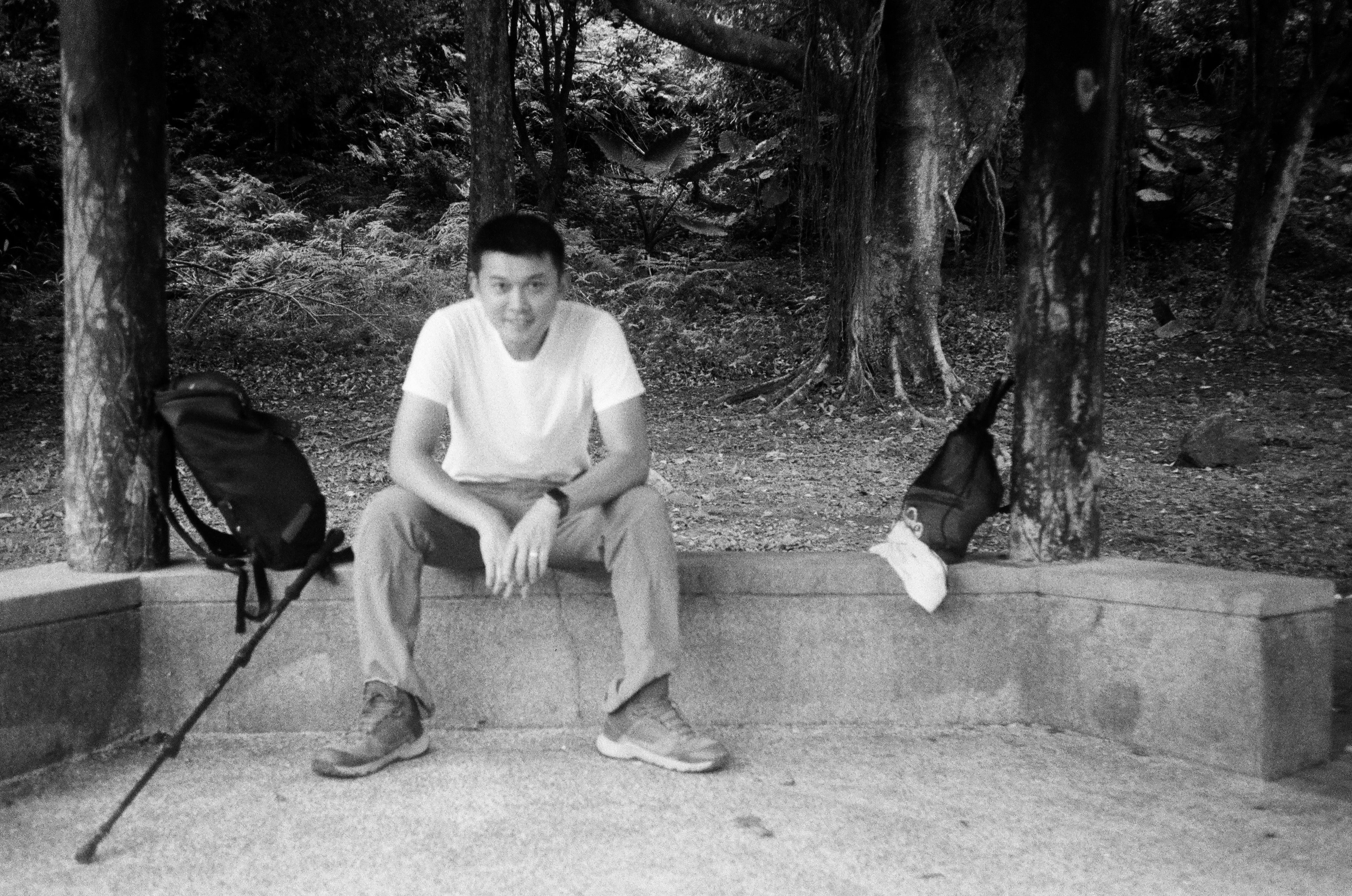
#15
(No caption — frame included as-is.)
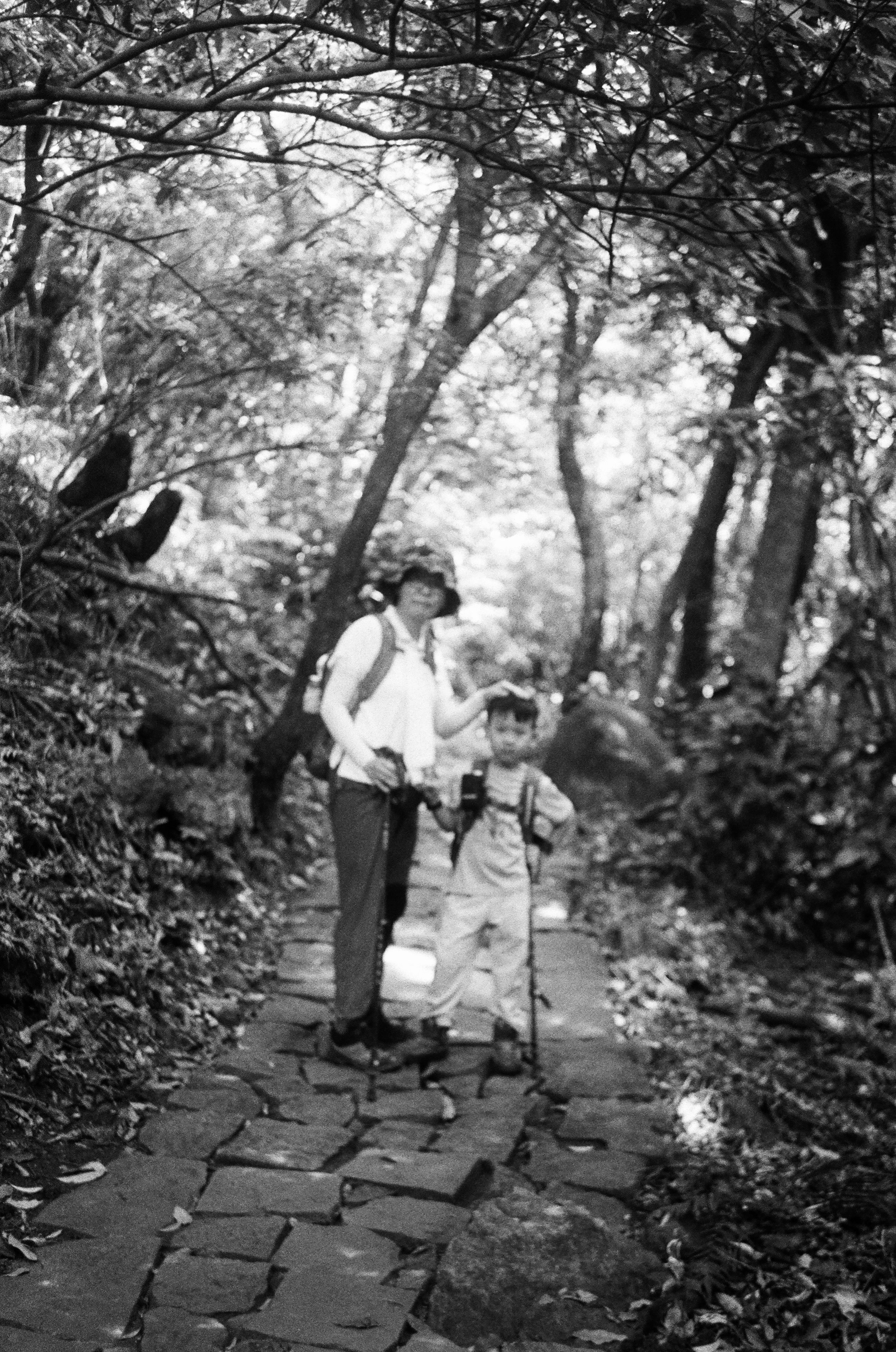
#16
This one is clearly a C35 AF focus miss — at this distance, there should be no excuse.
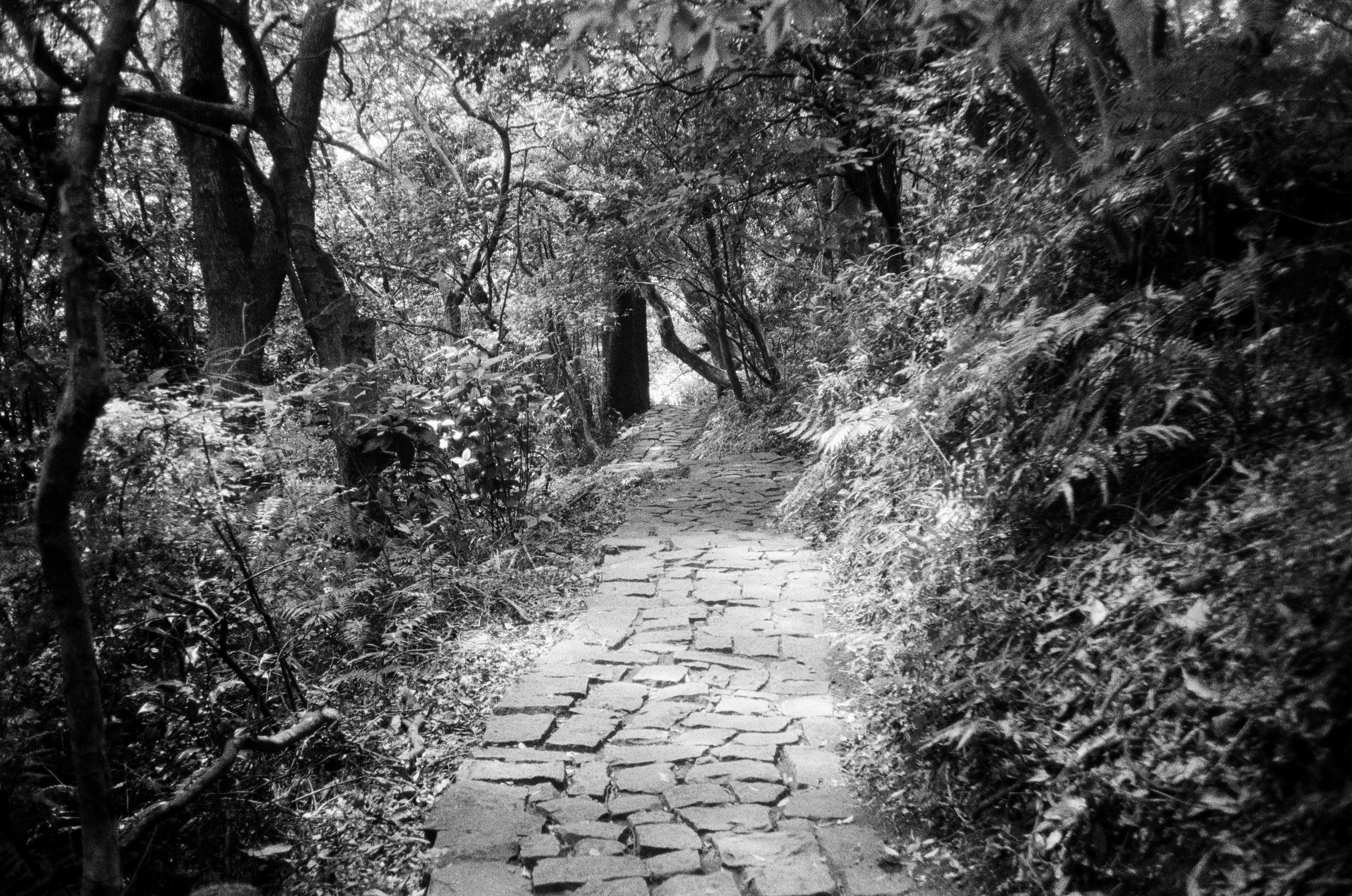
#17
The Konica C35 AF, when it does focus correctly.
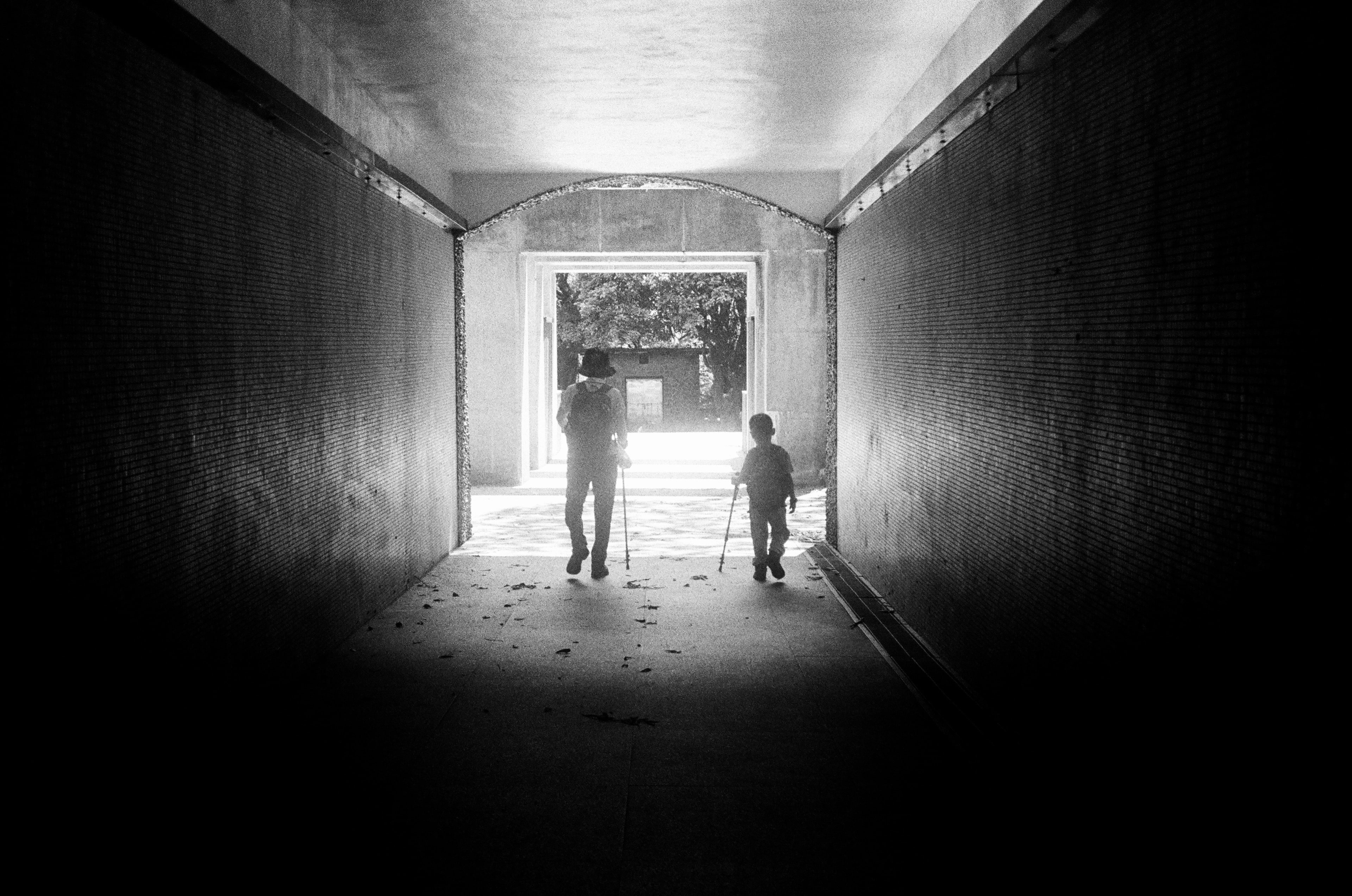
#18
The whole way up the trail, my son walked with my mom, chatting the whole time. I followed behind watching. Some of these moments will be memories they carry for the rest of their lives.
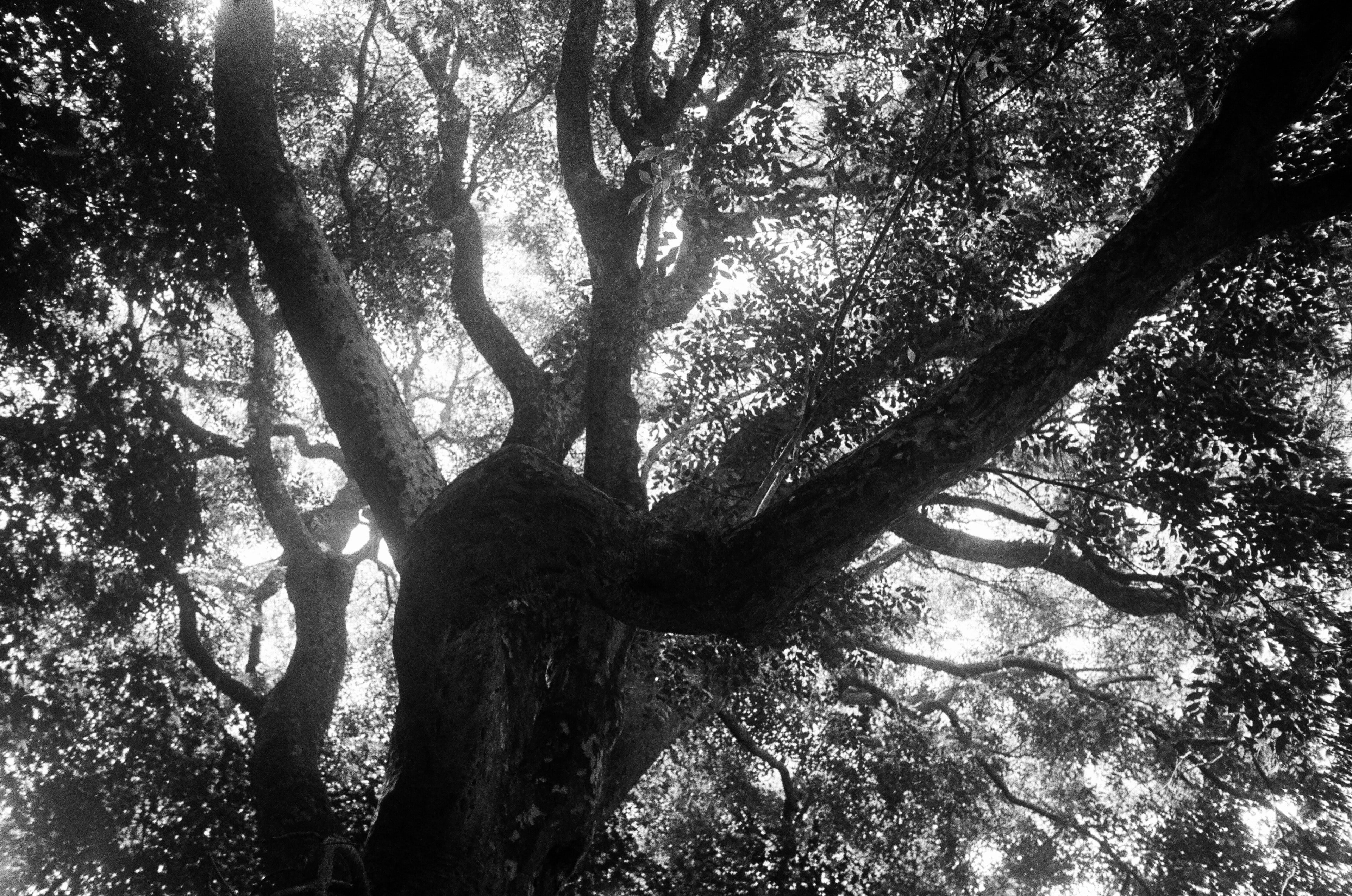
#19
Back at the Japanese ash tree on the descent — shot it backlit this time.
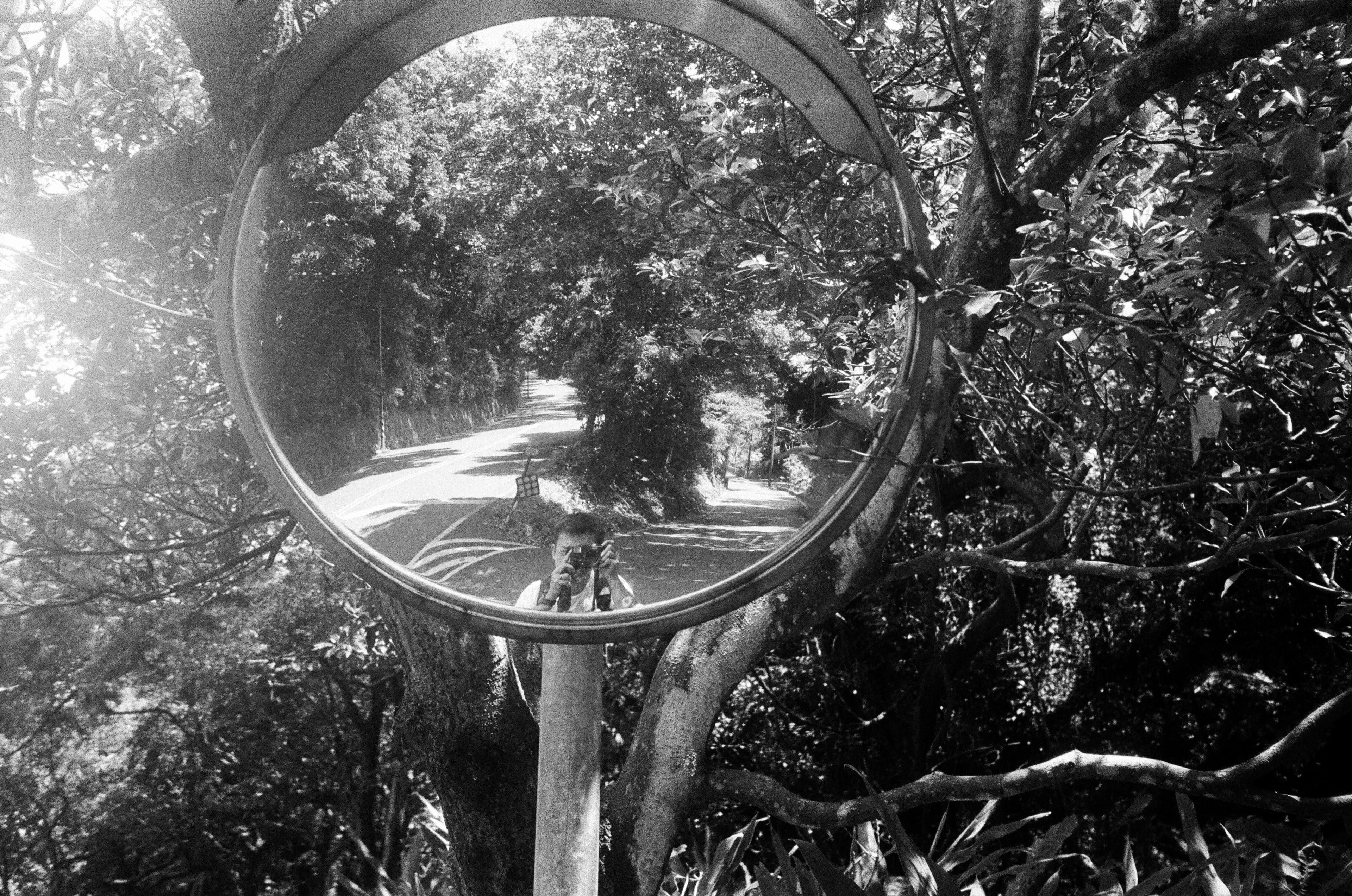
#20
Self-portrait.
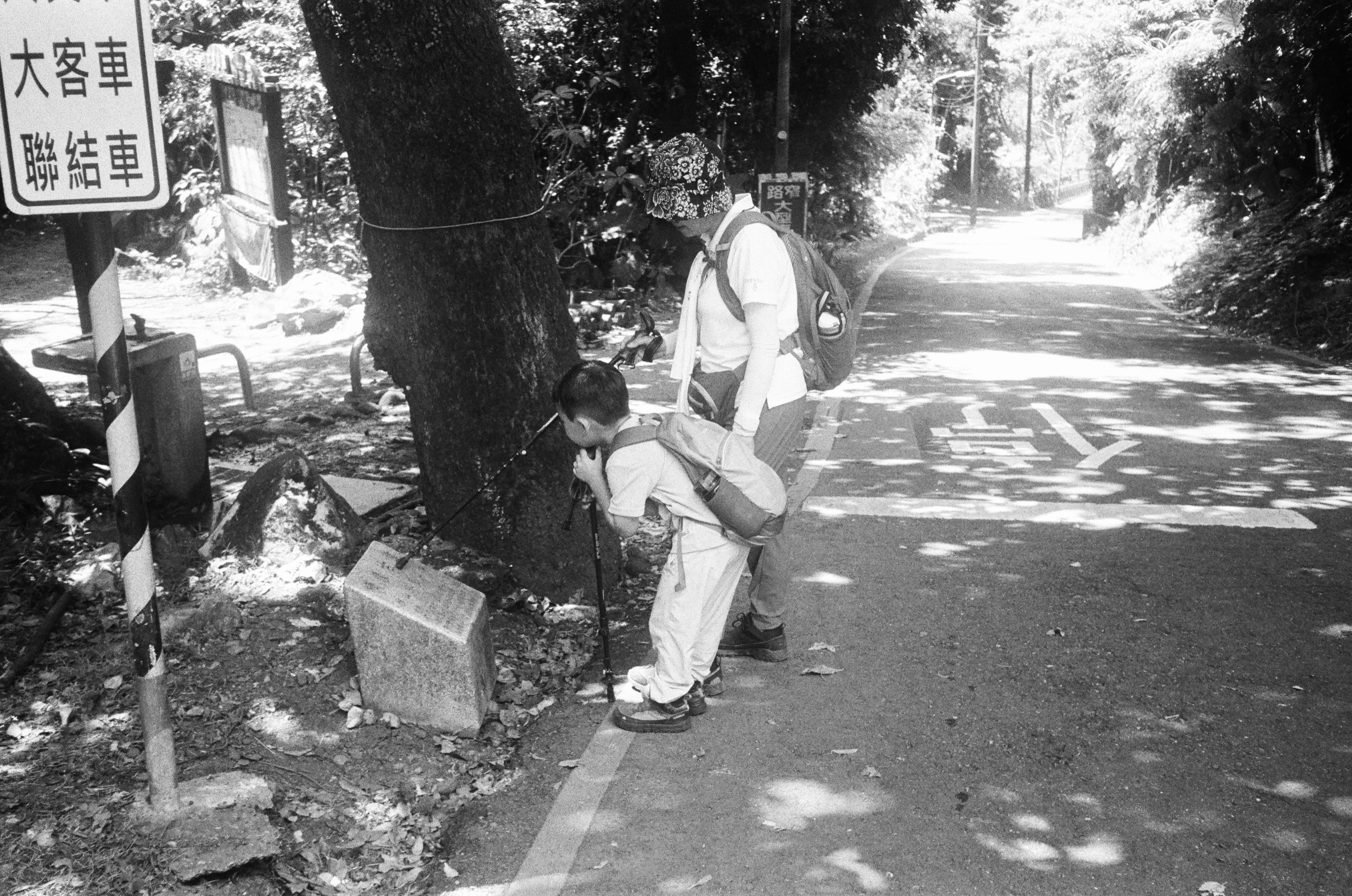
#21
Grandmother and grandson reading a trail sign together.
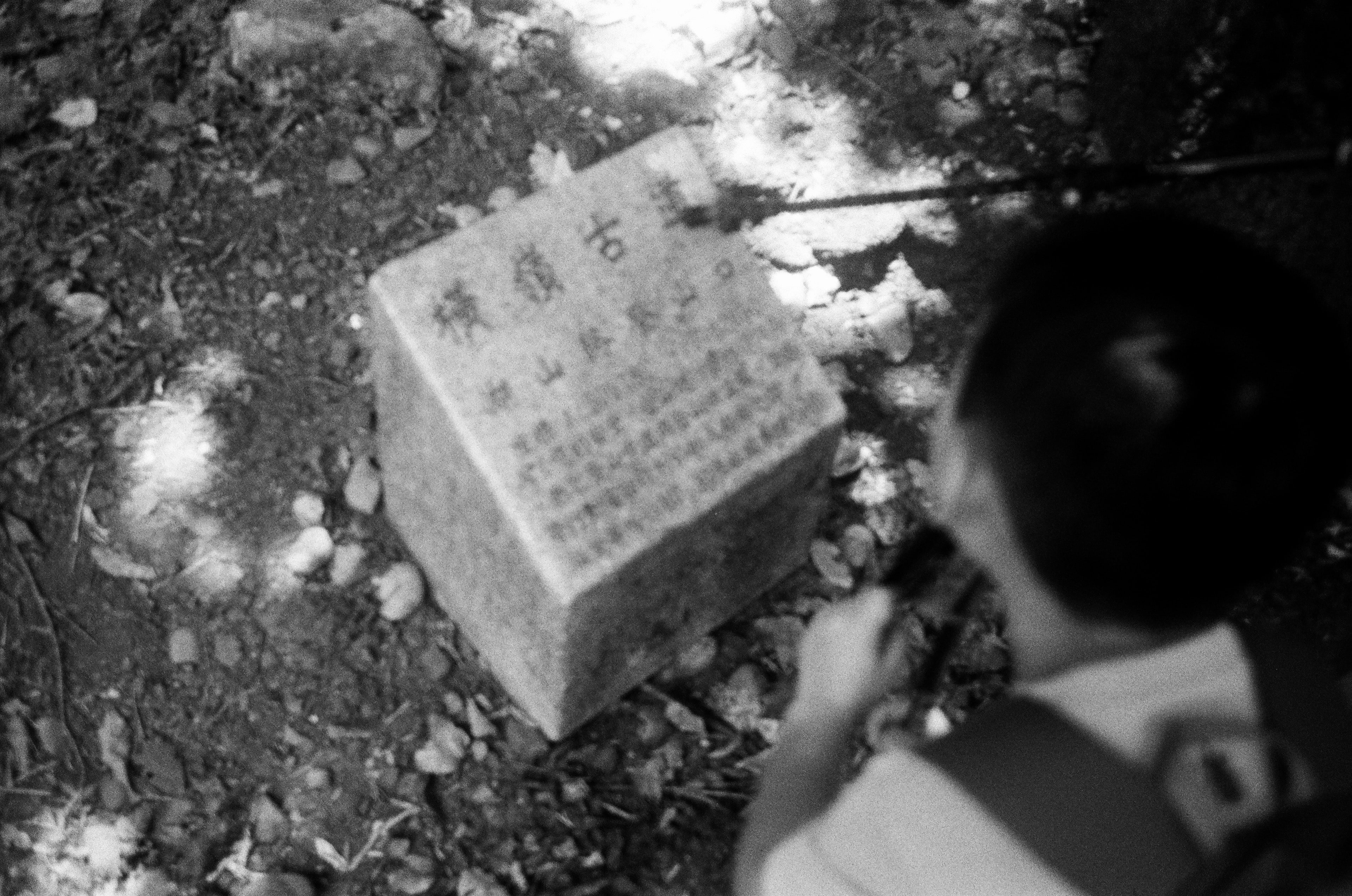
#22
Got closer for a shot. Missed focus again.
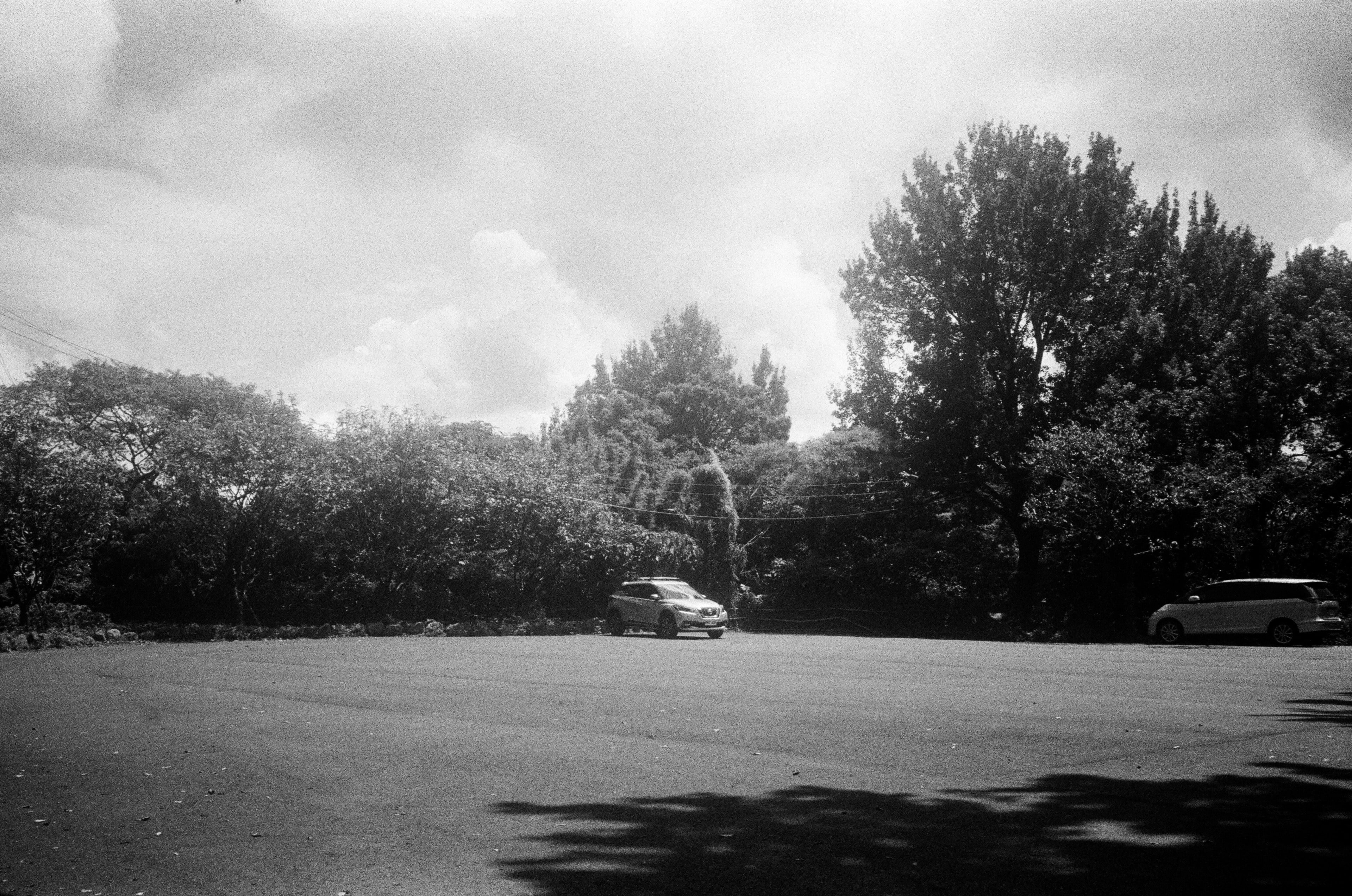
#23
We started late, so the parking lot was nearly empty on the way back.
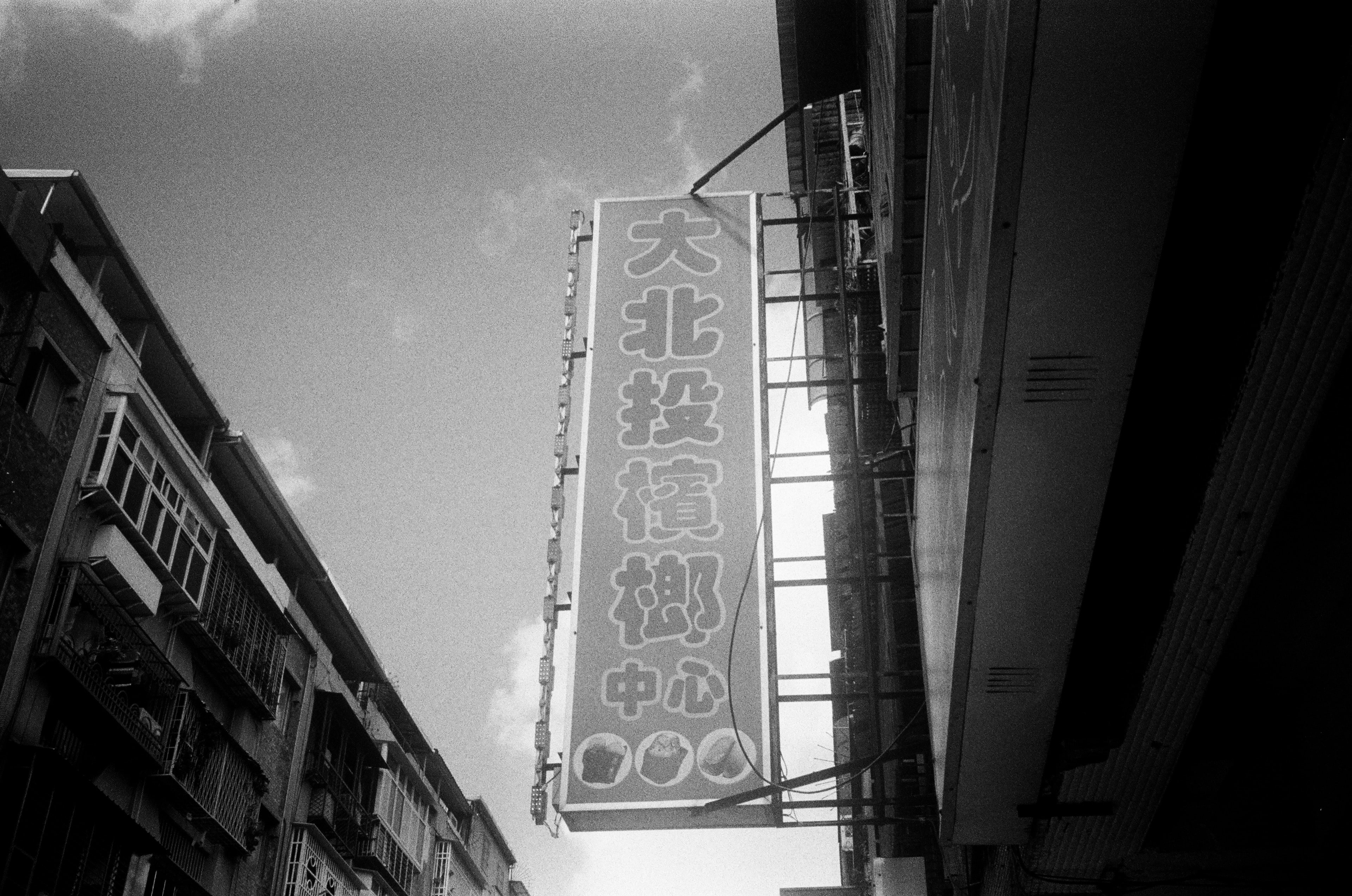
#24
After the hike, we came to Beitou for beef noodles. This is a betel nut stall passed on the way. Side note: in Taiwan, if a storefront name includes the word "center," it usually means the place is small. A kind of overclaiming that signals the opposite. Same pattern with company names containing "International" — usually anything but. And brands with "fashionable" in the copy — almost never fashionable.
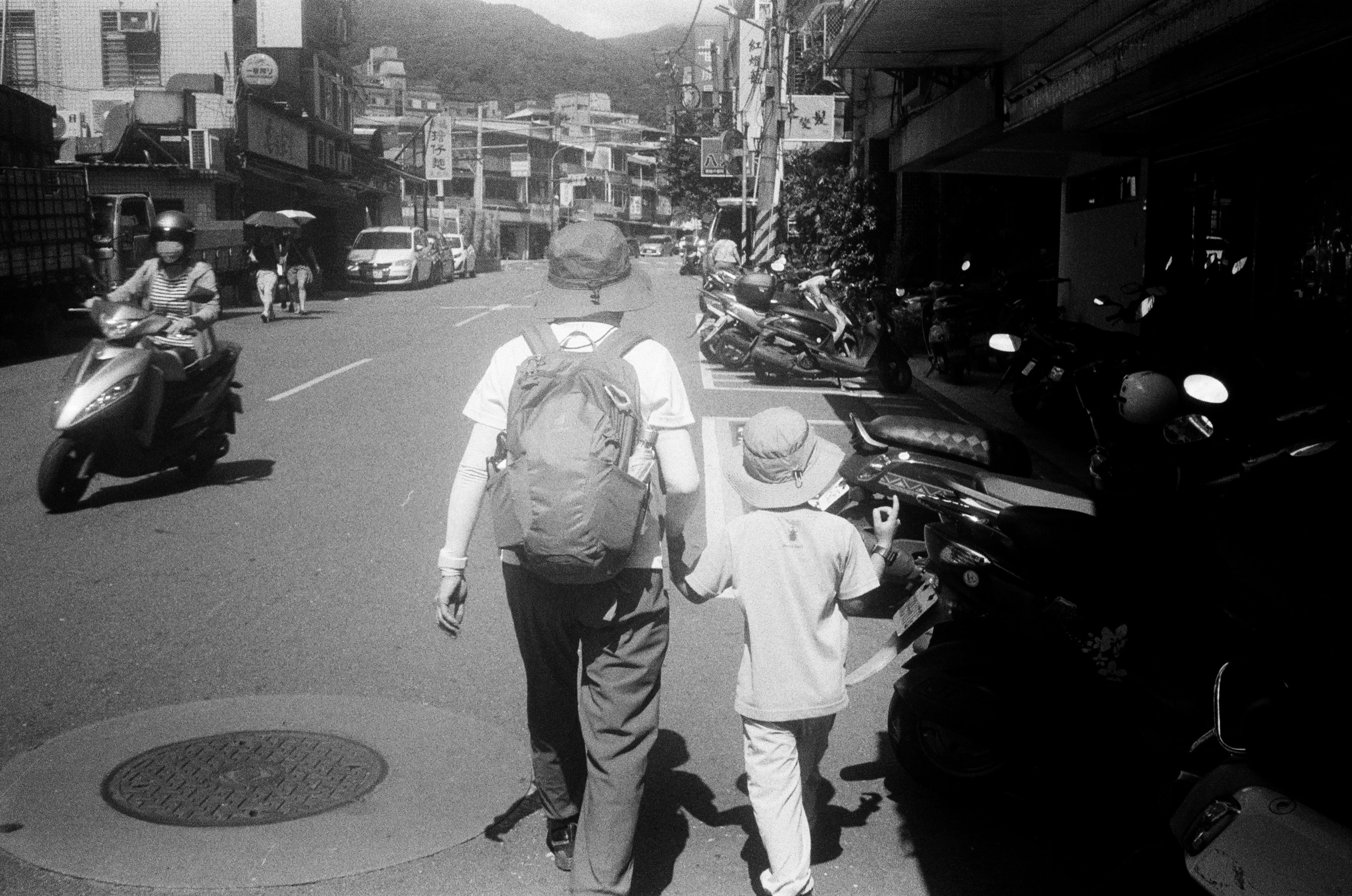
#25
Almost becoming a grandmother-and-grandson silhouette series.
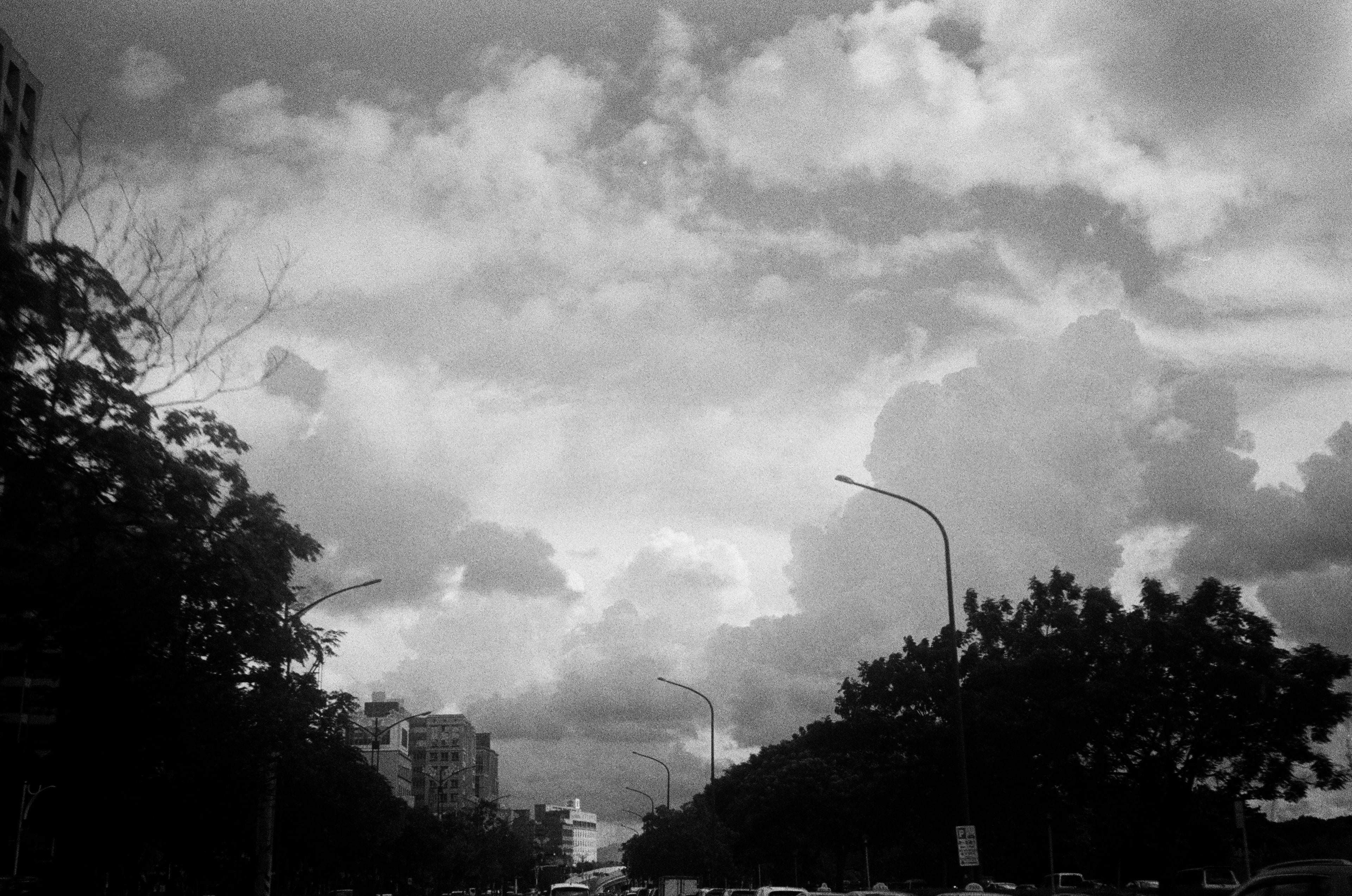
#26
Two colors of cloud in the same sky — not something you see often.
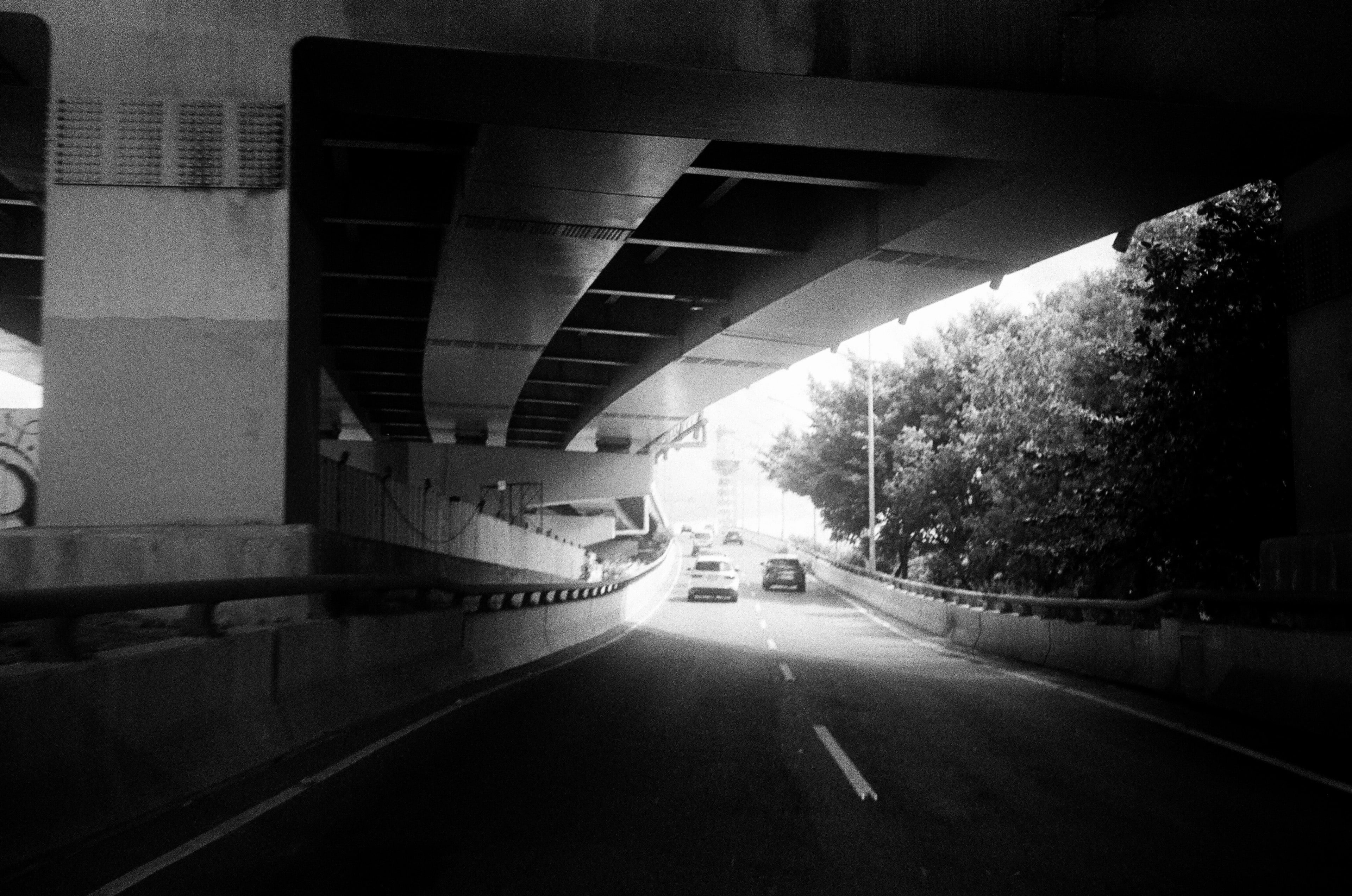
#27
At 1/250, getting a clean hand-held shot while moving is already difficult. The C35 AF's shutter travel is long due to the half-press focus mechanism, which means camera shake can creep in during the press. The Olympus C-AF has the same long travel but tops out at 1/500 — which generally keeps shake out of the equation.
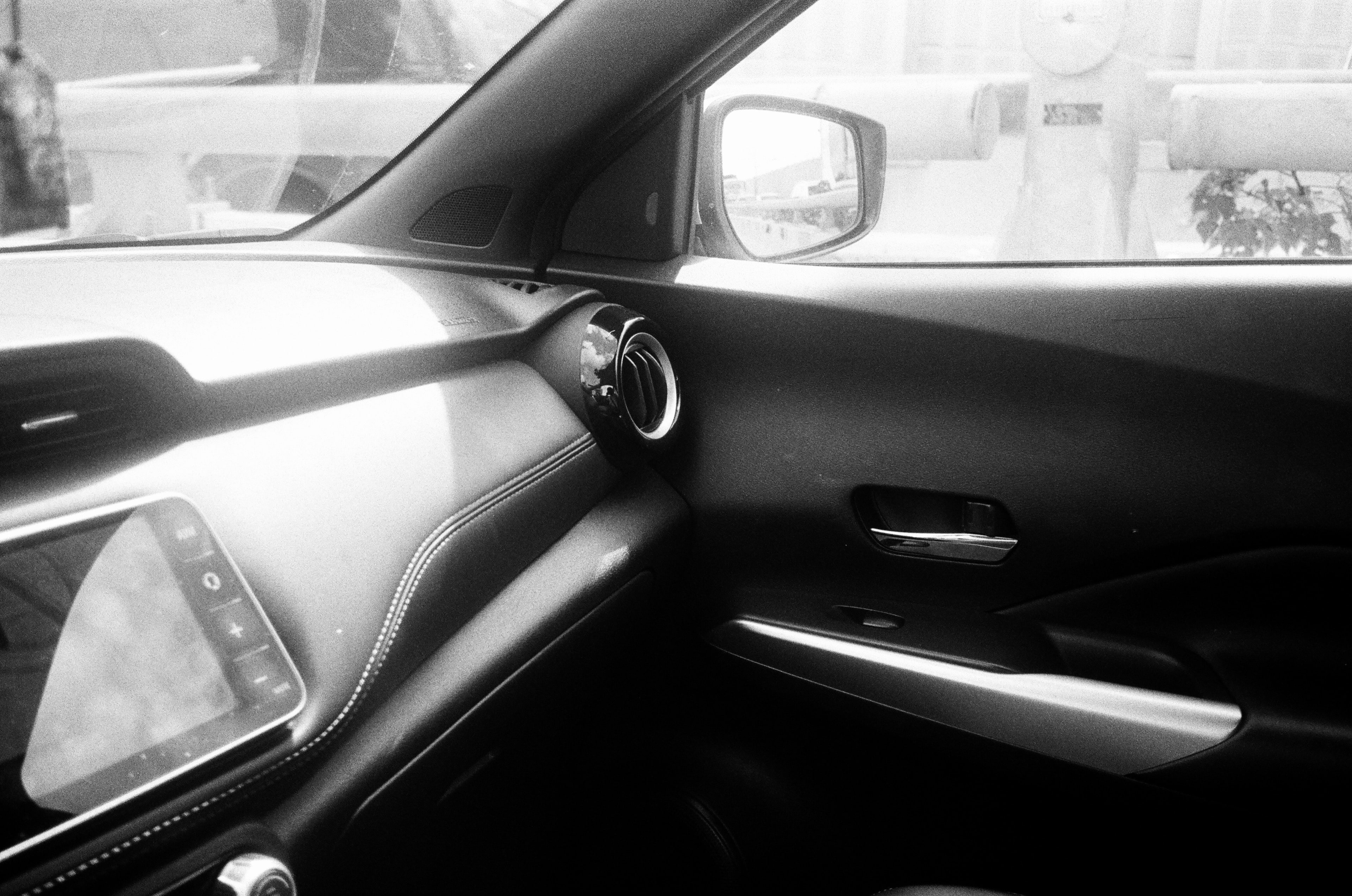
#28
Ending with a frame of unclear purpose — possibly a close focus test. This one actually focused.
That's the full roll — Konica C35 AF 38mm f2.8 with Ilford HP5 Plus 400. Thanks for reading.