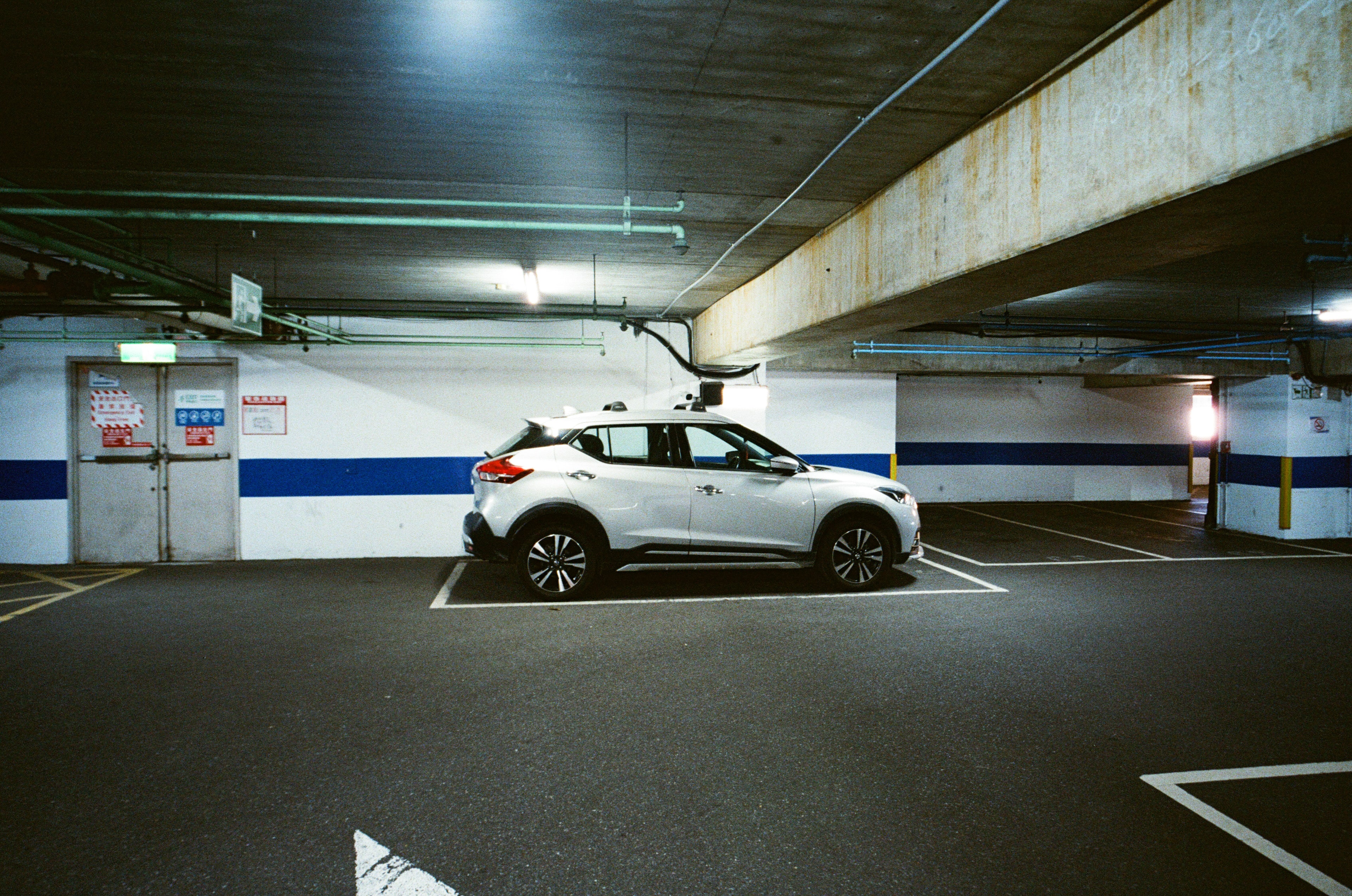
Roll 289
Film: Harman Phoenix II 200 (shot at ISO 200)
Developed & scanned: DEP Lab 2025/9/3
Camera: Ricoh GR21 21mm f3.5
-
For a long stretch of time, I was chasing what people call the "human eye perspective" — which is why I ended up buying so many 40mm primes and 38mm or 40mm compact cameras. But eventually I came to realize that the human eye perspective, as a concept, simply doesn't exist. As someone with a background in marketing, I'd call it a marketing term — one designed to make consumers imagine the emotional impact of what they personally witnessed.
The reason no single focal length can reproduce how we see is that human vision isn't a flat plane. It's spherical. At the center is wherever your gaze is focused; at the edges is the periphery you can just barely perceive. In technical terms, the human eye is a fisheye lens — but it doesn't project onto a flat surface, so we don't experience the distortion that a fisheye photo shows.
The closest thing to a true human eye perspective would be projecting a fisheye image onto a spherical screen — like the dome of a planetarium — and standing inside it. Only then could you call it a human eye perspective.
And the perspective itself keeps shifting. When you're looking at something right next to you, 40mm might feel like what your eyes see. Standing on a hilltop gazing at a distant view, 200mm suddenly feels right. Walk into a crowd or step into a narrow room, and the human eye perspective collapses to 35mm, 28mm, even 21mm.
There's also the matter of screen size. The first time I looked at photos from the Ricoh GR21 21mm f3.5, I was viewing them on a 27-inch 4K monitor — wider than my own shoulders. Seeing a 21mm field of view at that size genuinely recreated the feeling of being there. It was a powerful "human eye perspective" moment. But the moment I pulled up the same images on my phone, that feeling vanished entirely. Suddenly it just looked like a very wide lens.
The same thing happens with true panoramic cameras. I'm a member of the "Hasselblad Xpan & Fuji TX Group" on Facebook, and scrolling through those images on a small phone screen, you might not feel much. But I'm certain that when those photographers view their own work on a computer monitor — or look at a transparency on a lightbox through a loupe — it's a completely different experience. An immersiveness that can't be replicated.
Whether it's a panoramic camera or the Ricoh GR21, in a world where the dominant screen is a smartphone, that's just how it is. Some people love these cameras deeply; others feel nothing. If there's a moment when more people might finally appreciate what these cameras offer, I think it'll be when VR headsets become mainstream.
Maybe ten years from now.
-
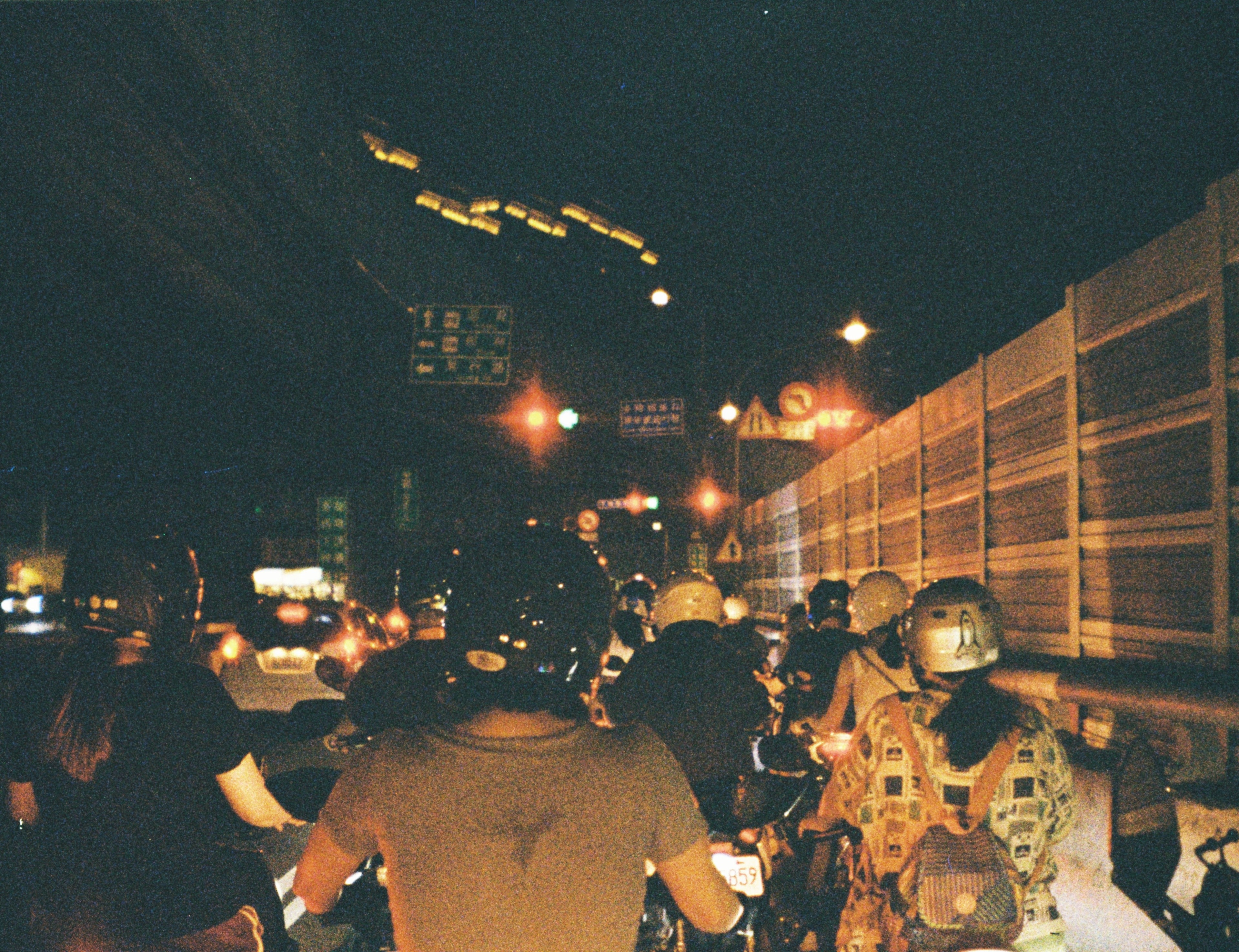
#1
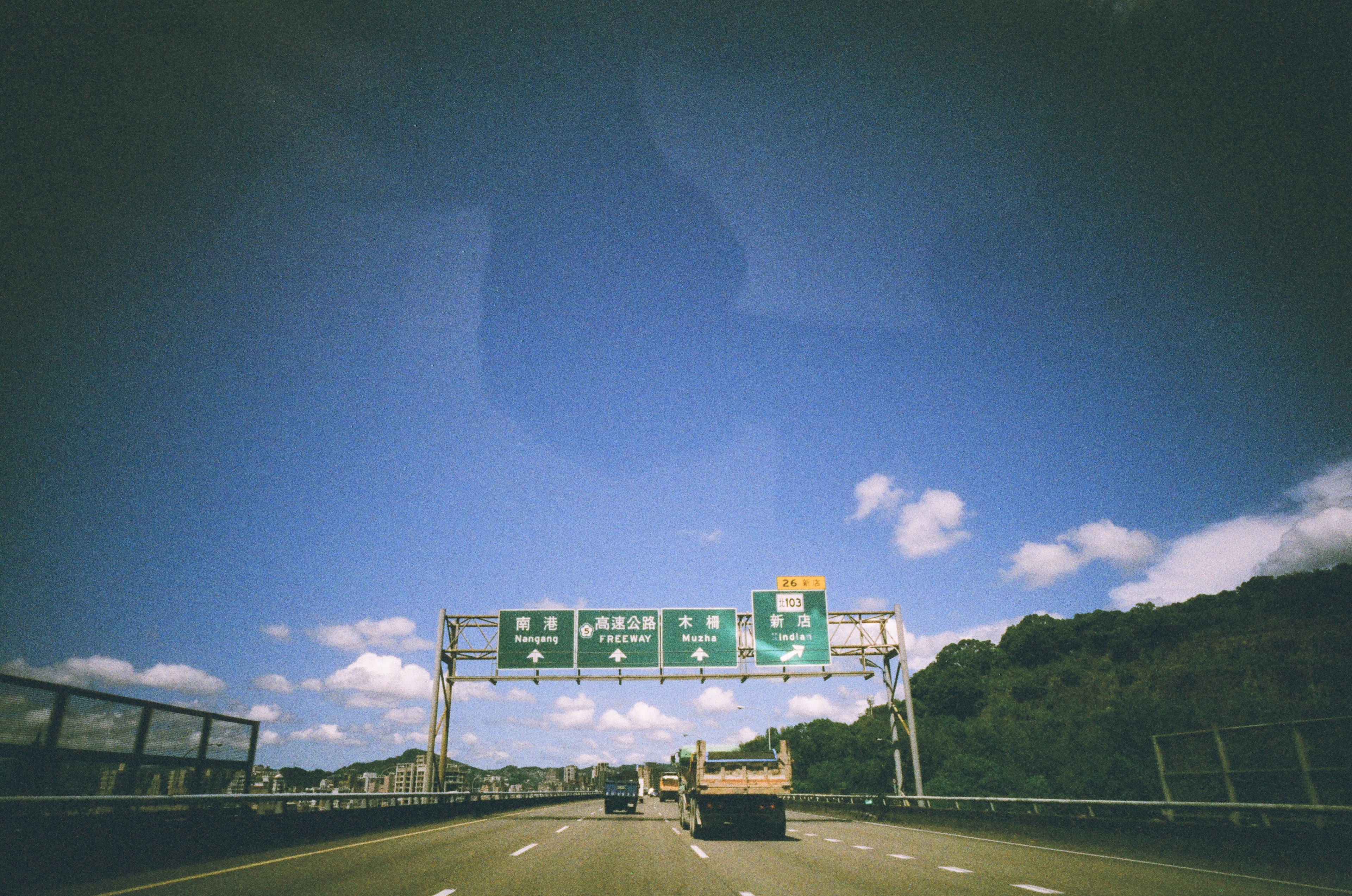
My first color shot with the Ricoh GR21 — a blind shot. I was driving from Banqiao toward Taipei's Xinyi District on the highway, just coming out of a tunnel.
P mode, infinity focus

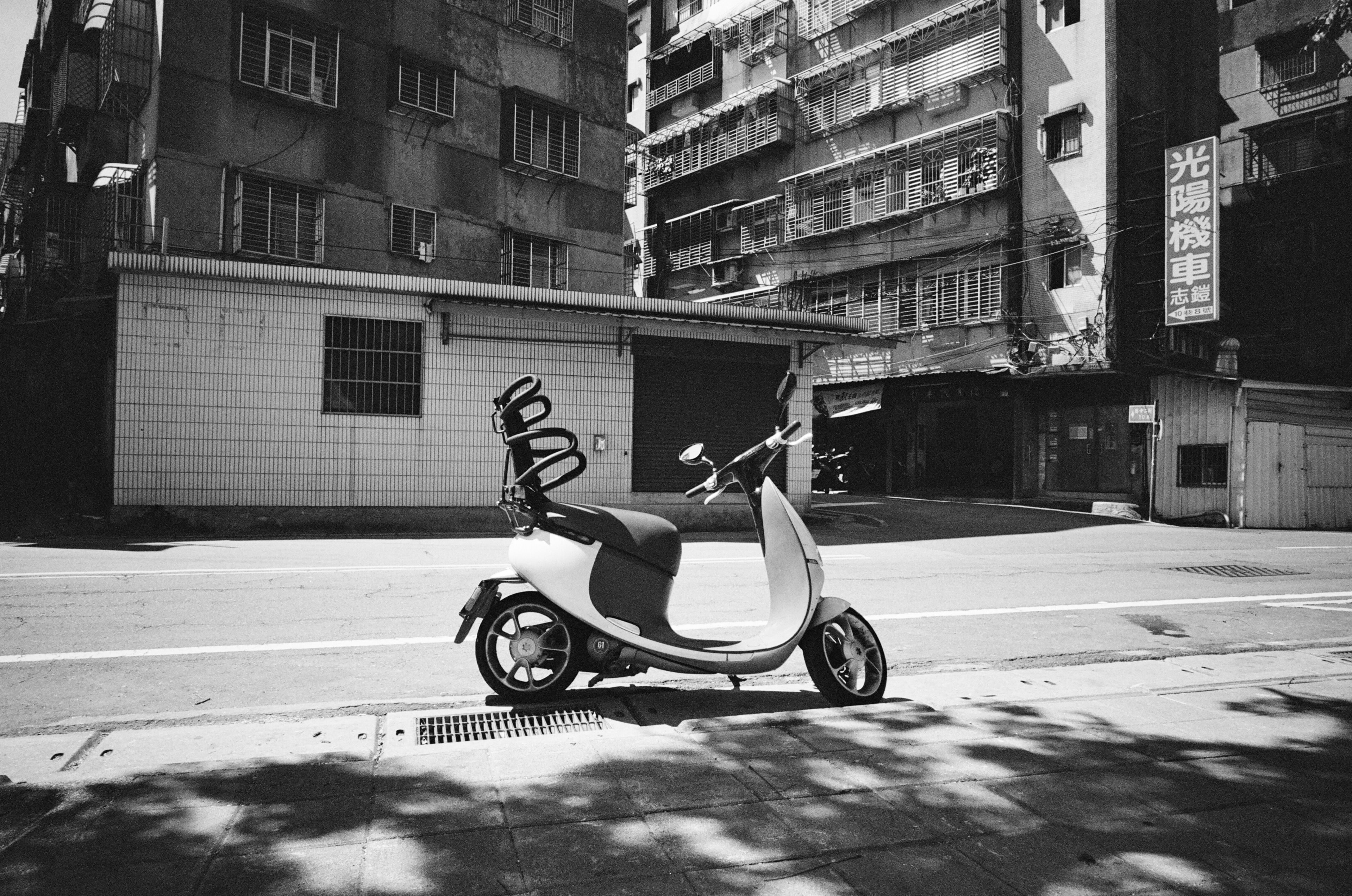
#2
This was my second GR21 body, and at the time I was worried about scratching the lens, so I still had the original protective filter on.
P mode, infinity focus
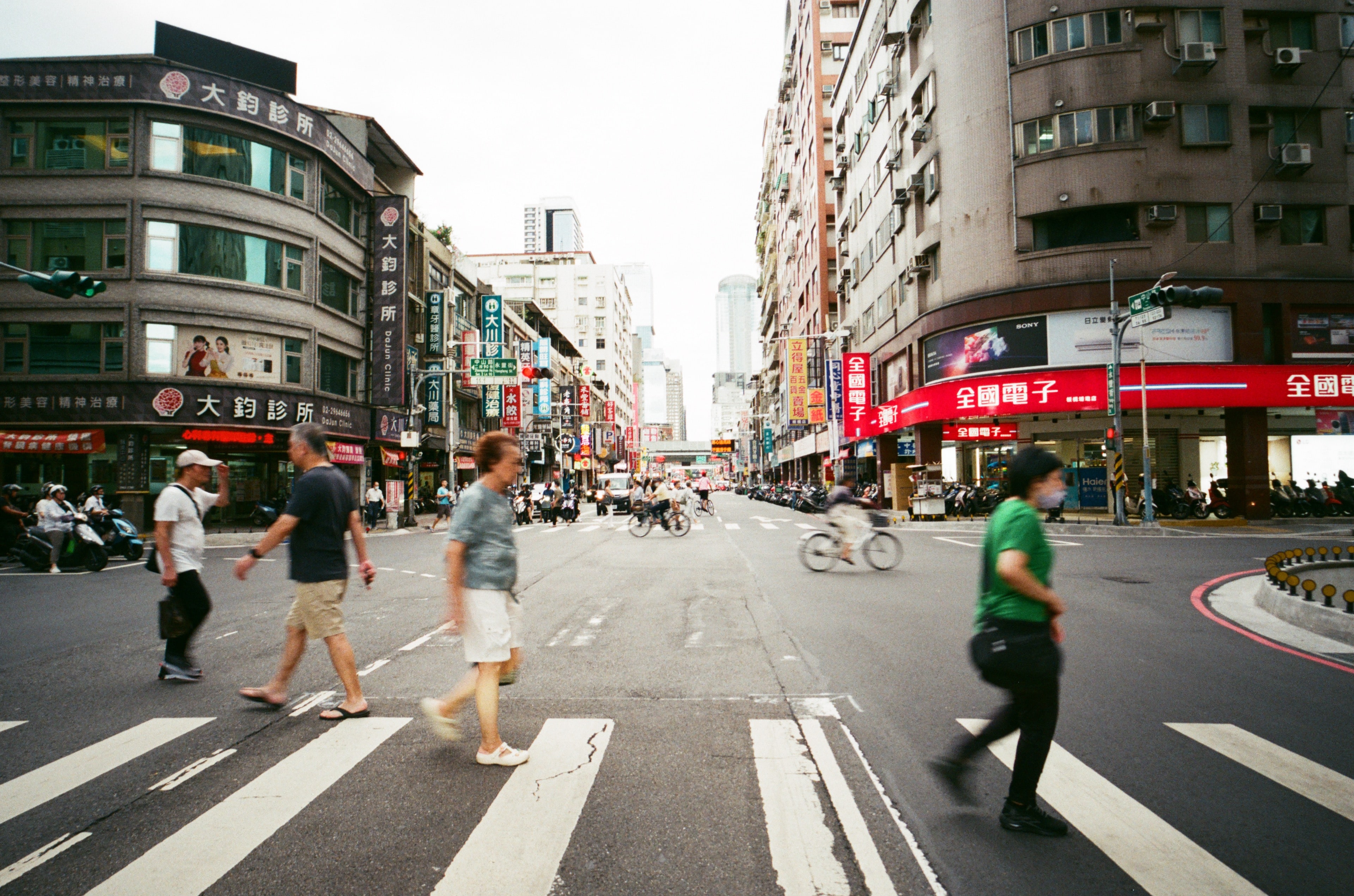
#3
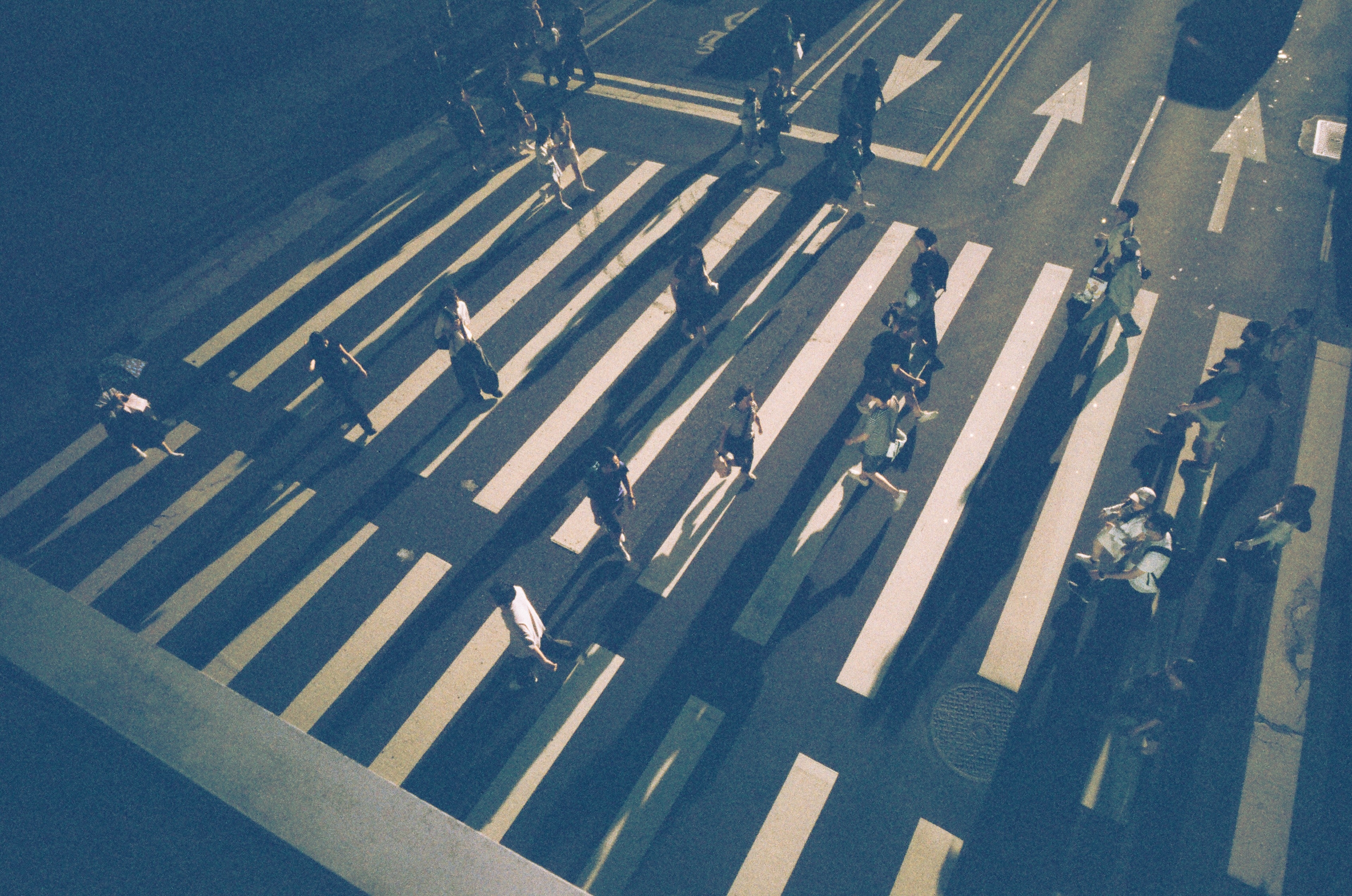
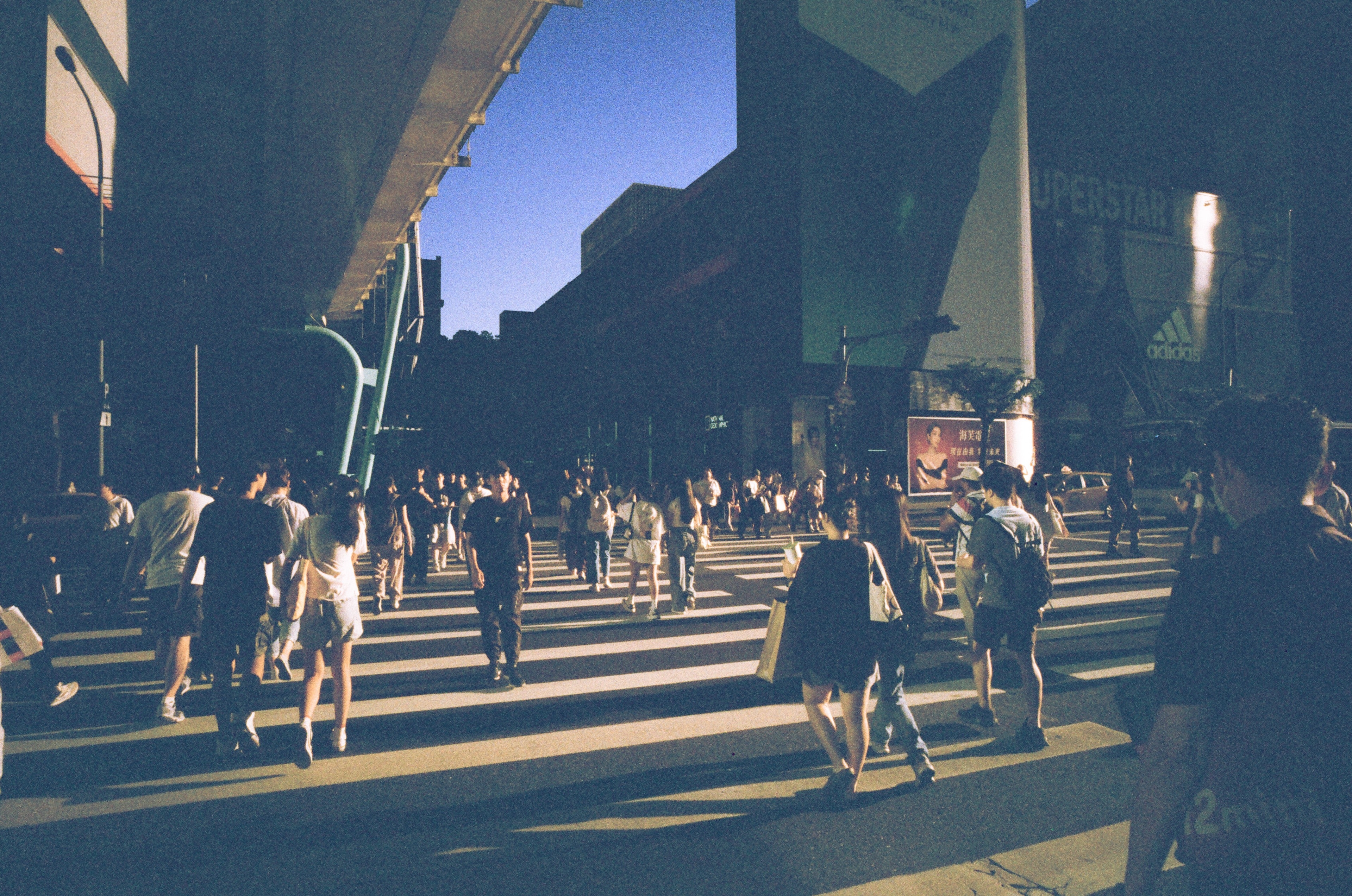
There's something about carrying a Ricoh GR that makes it almost impossible not to photograph people crossing the street. These cameras feel like they were made for exactly that.
P mode, autofocus, -2 EV
#4
The GR21 is reassuring in one way: if you accidentally knock the exposure compensation dial, the viewfinder tells you — as long as the viewfinder display is functioning properly. On several of these shots, I'd accidentally dialed in -2 EV without realizing it, and because the viewfinder display was also malfunctioning, I ended up shooting several severely underexposed frames in a row. Of course, Harman Phoenix — first or second generation — is one of those films that simply won't tolerate underexposure.
P mode, autofocus, -2 EV
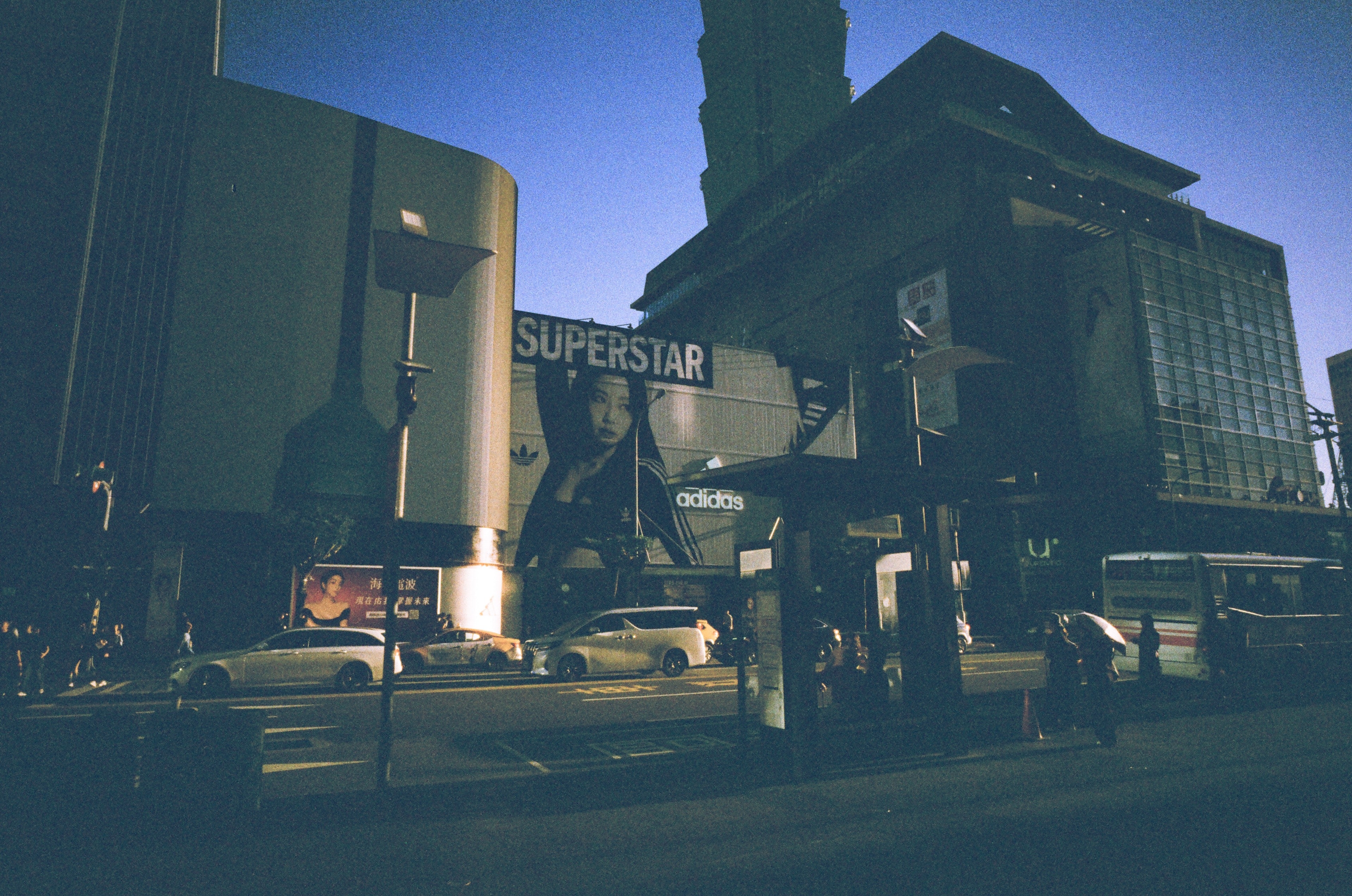
#5
I used to see photographers showing their photos with the black film borders visible, and at first I naively assumed they were just signaling that the image was shot on film. Now I understand — they're proving they didn't crop or rotate the frame. It's the purest display of compositional confidence. Every single photo I shoot with the GR21 needs post-processing rotation and crop to correct the horizon. My hat is genuinely off to those photographers.
P mode, autofocus, -2 EV
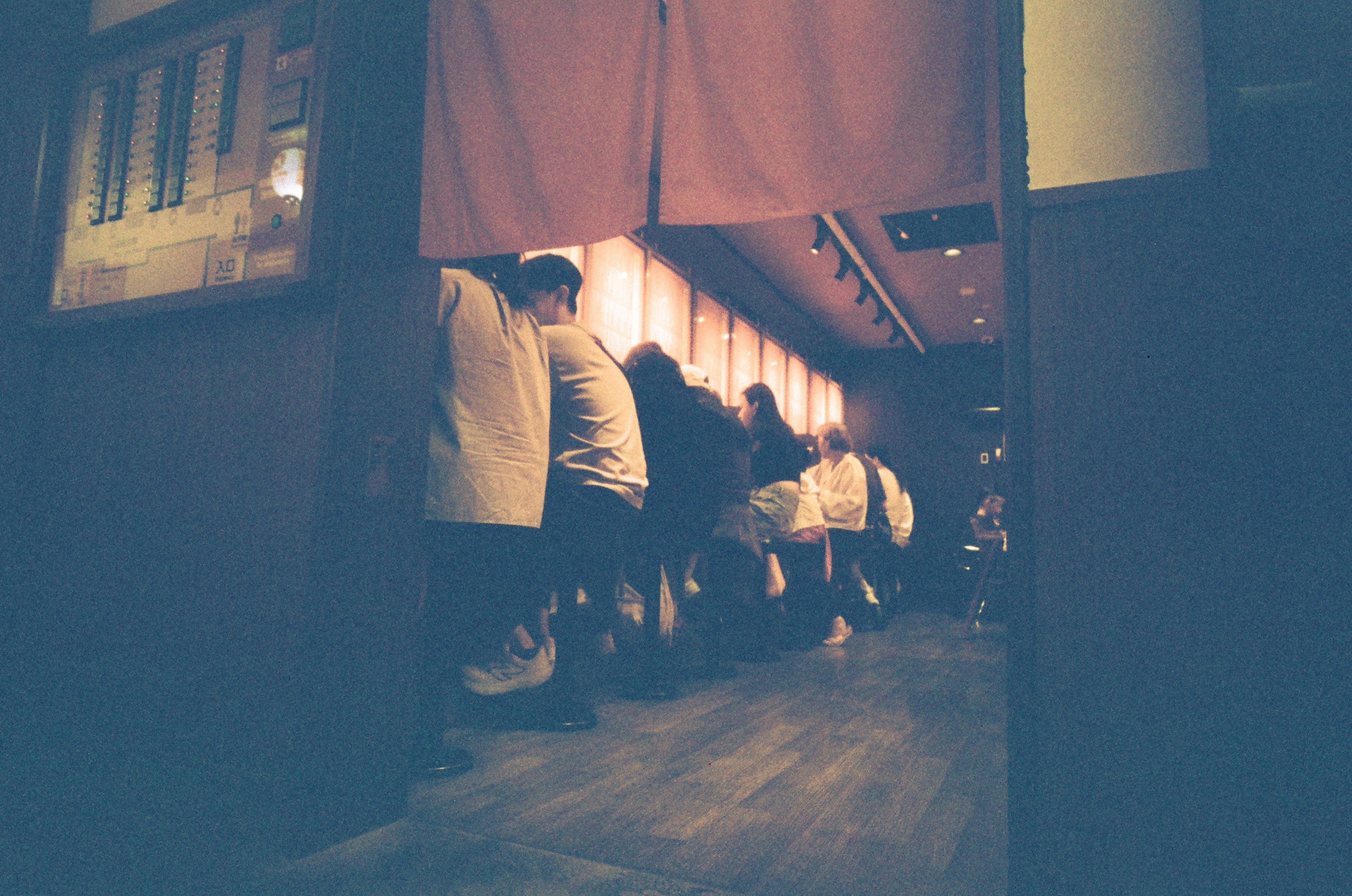
#6
Waiting for ramen at Ichiran Ramen Taipei Betsukan. Simplicity is the ultimate sophistication — what Ichiran does with something that looks this stripped back, and does it with such consistency across locations, is genuinely impressive.
P mode, 1/15s, autofocus, -2 EV
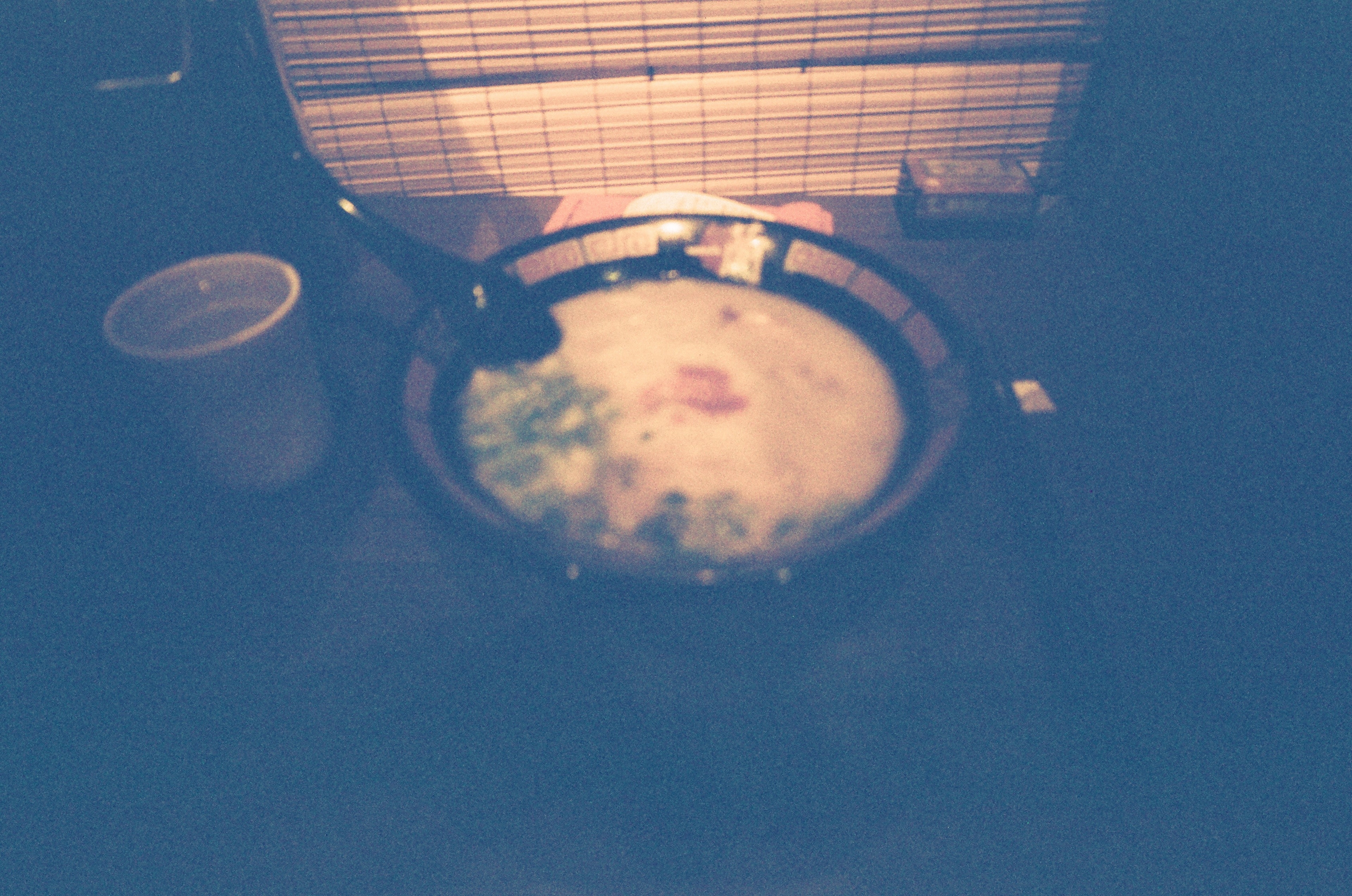
#7
Liquid focus test. Didn't quite hold.
P mode, 1/15s, autofocus, -2 EV
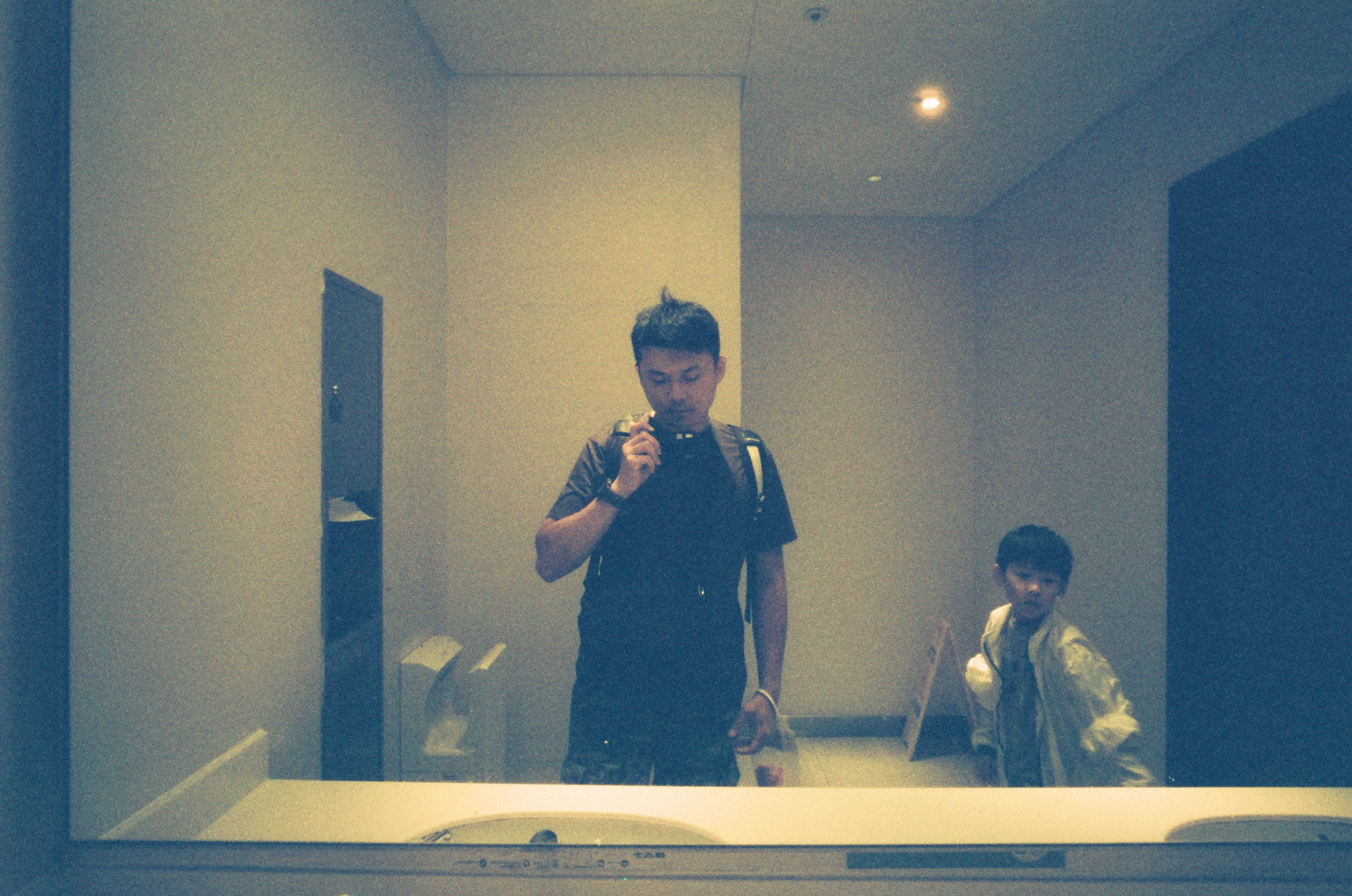
#8
The GR21's Snap mode is really just one fixed distance in its manual focus range — 2 meters. Since it supports manual focus, you can use it to take mirror self-portraits.
P mode, manual focus 2m, -2 EV
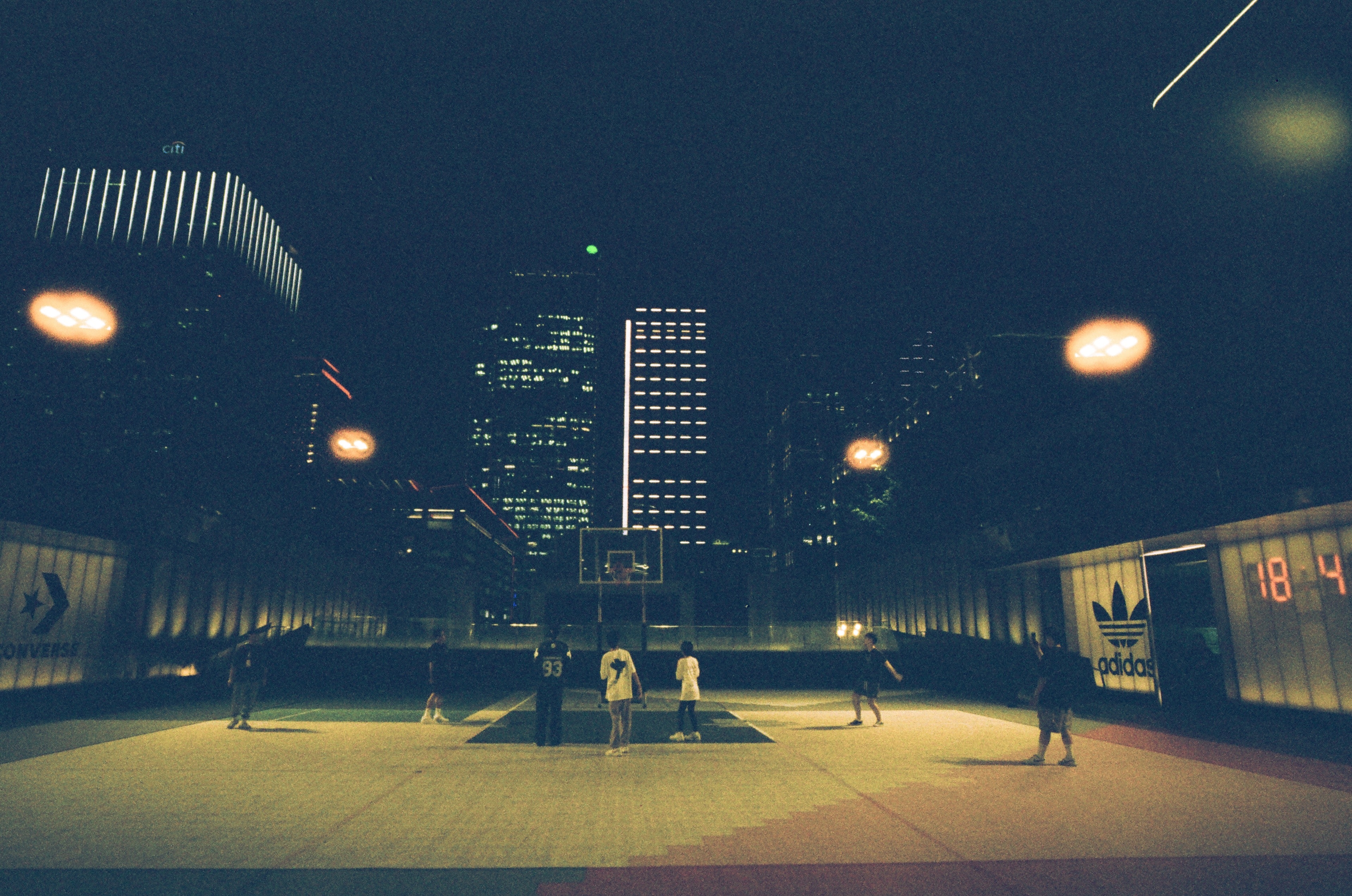
#9
A basketball court tucked inside a department store in Xinyi District. A genuine luxury. And finally — no more -2 EV.
P mode, autofocus
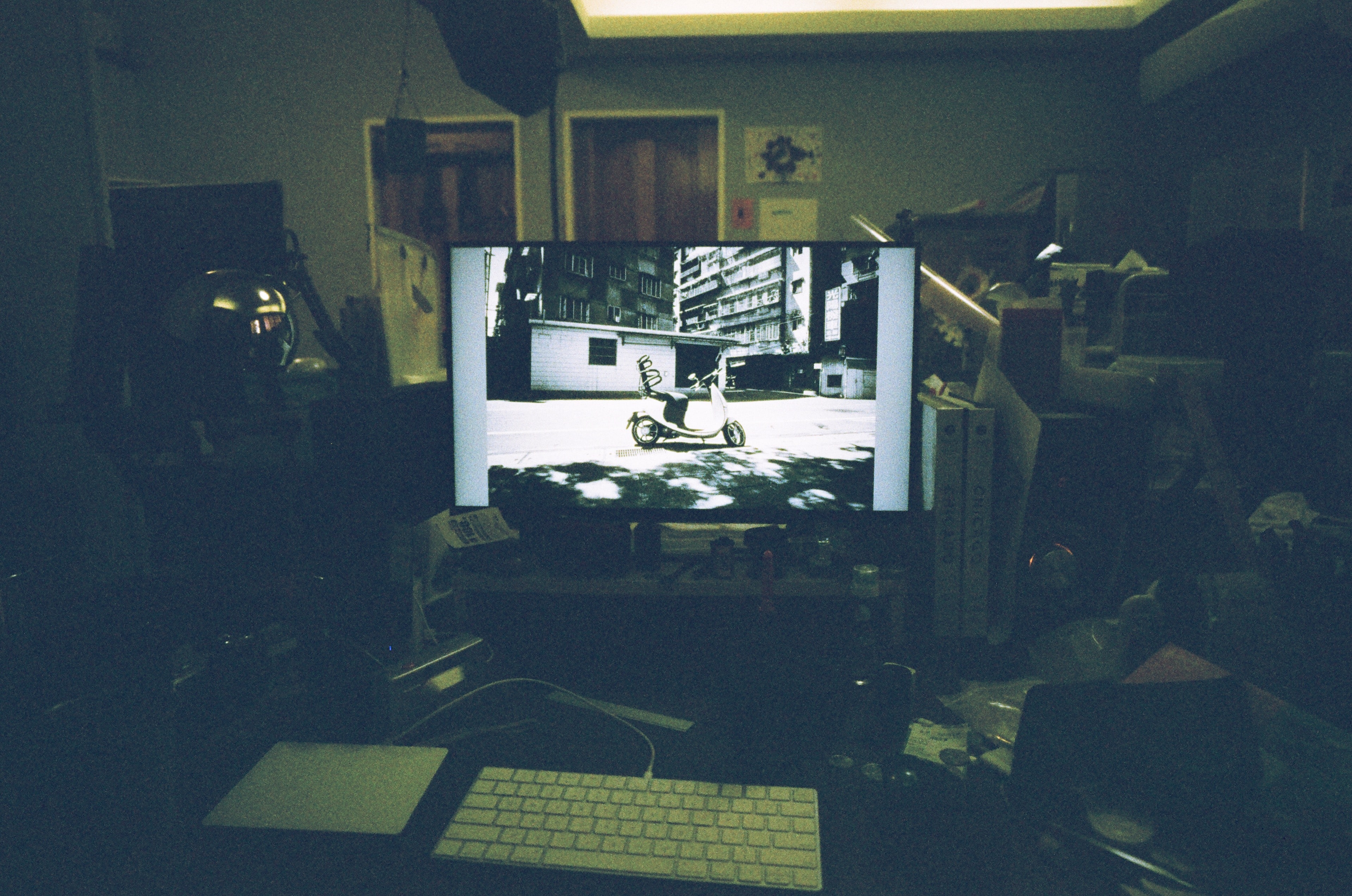
#10
That day I sat in front of my monitor staring at the GR21's intriguing images, trying to put my feelings into words and share them with friends.
P mode, 1/30s, autofocus
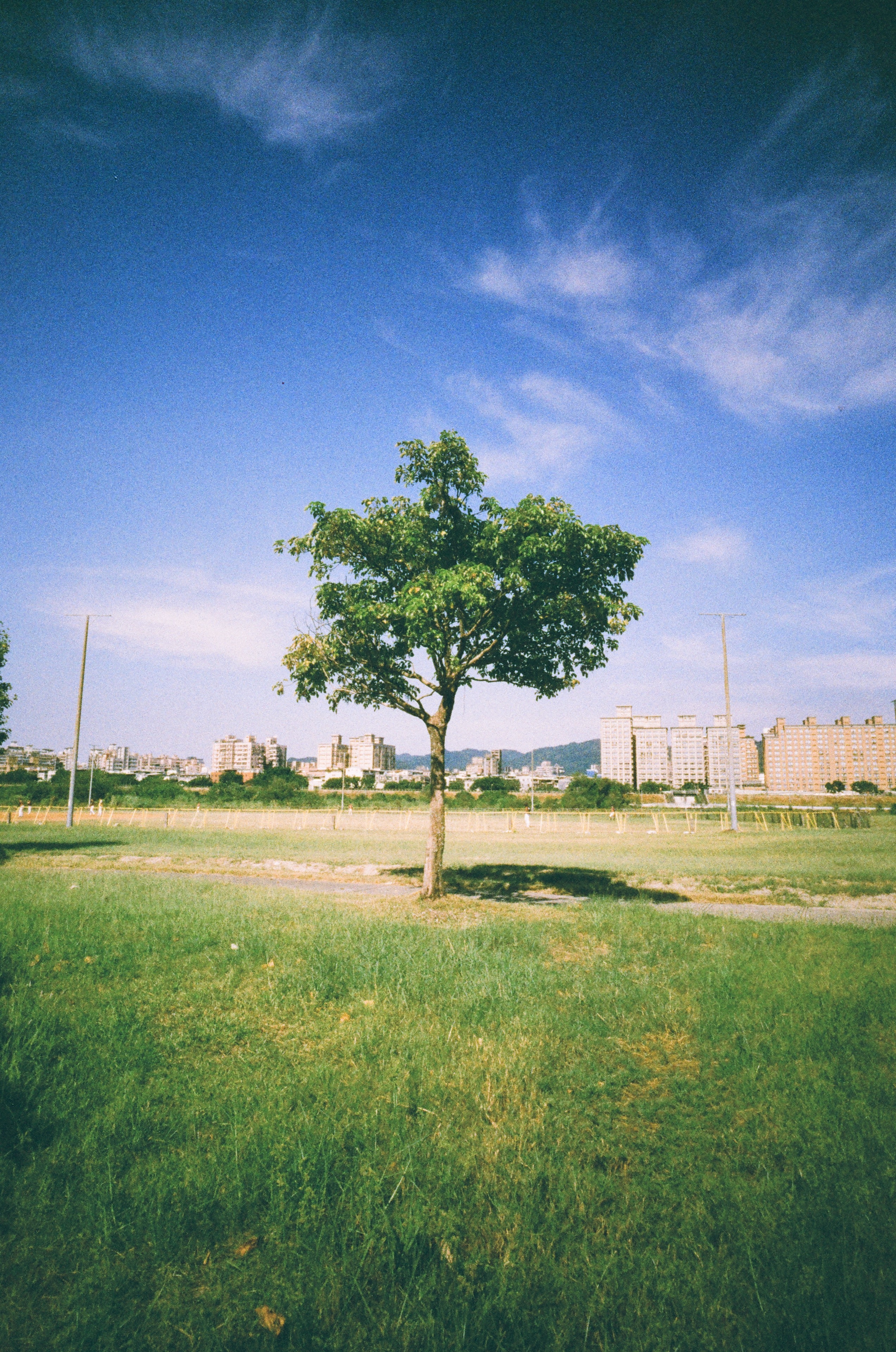
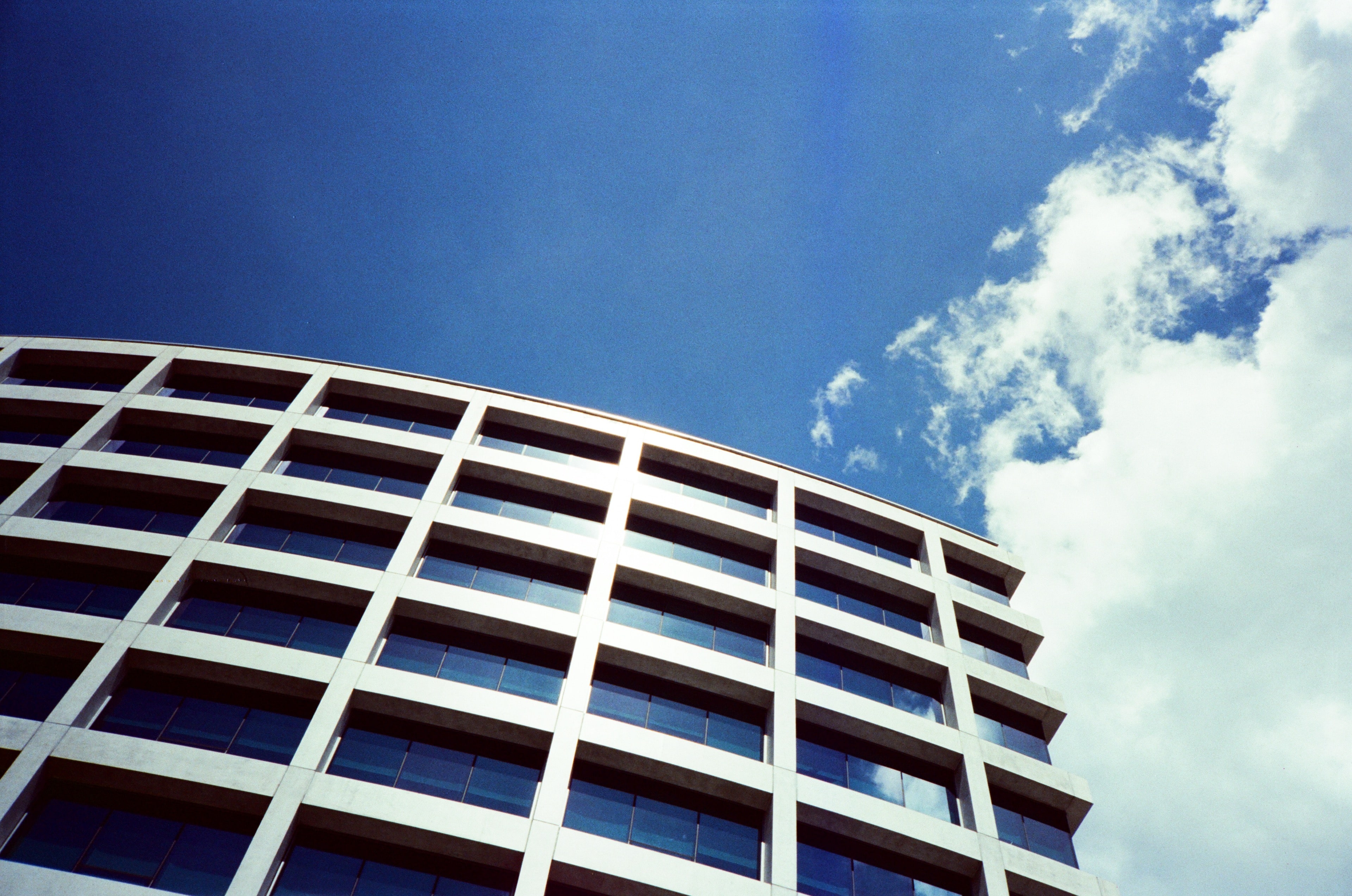
#11
I've been searching for a film that renders blue well, and Harman Phoenix II 200 is one of them. I've always thought "Phoenix" is a name with beautiful resonance — but somehow it loses something when written in Chinese. I still just call it Phoenix. I've shot this tree on many different films, but Phoenix II's colors left the strongest impression — an almost unreal kind of beauty.
P mode, autofocus
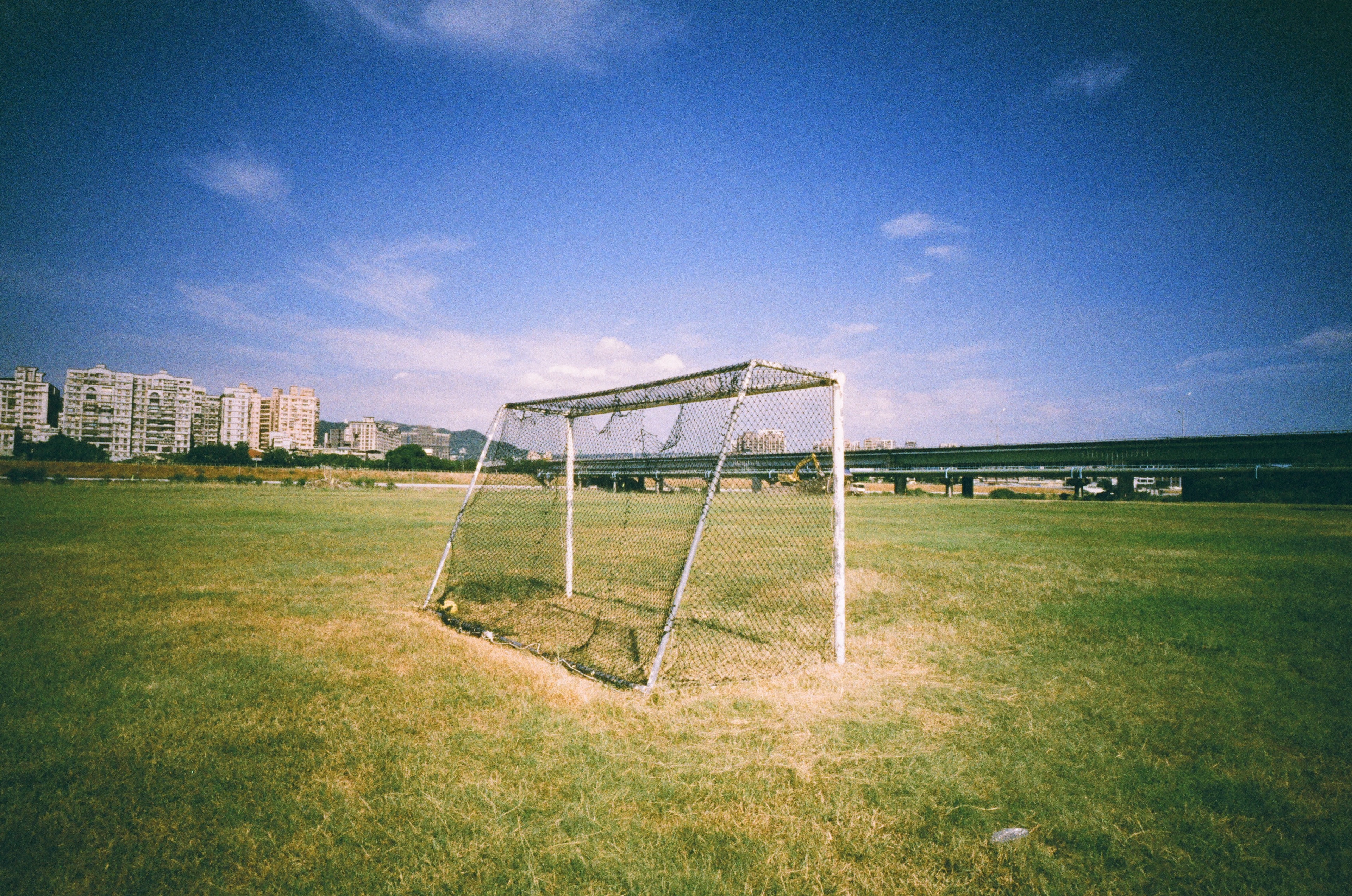
#12
That vignette is extreme — basically flashlight mode.
P mode, autofocus
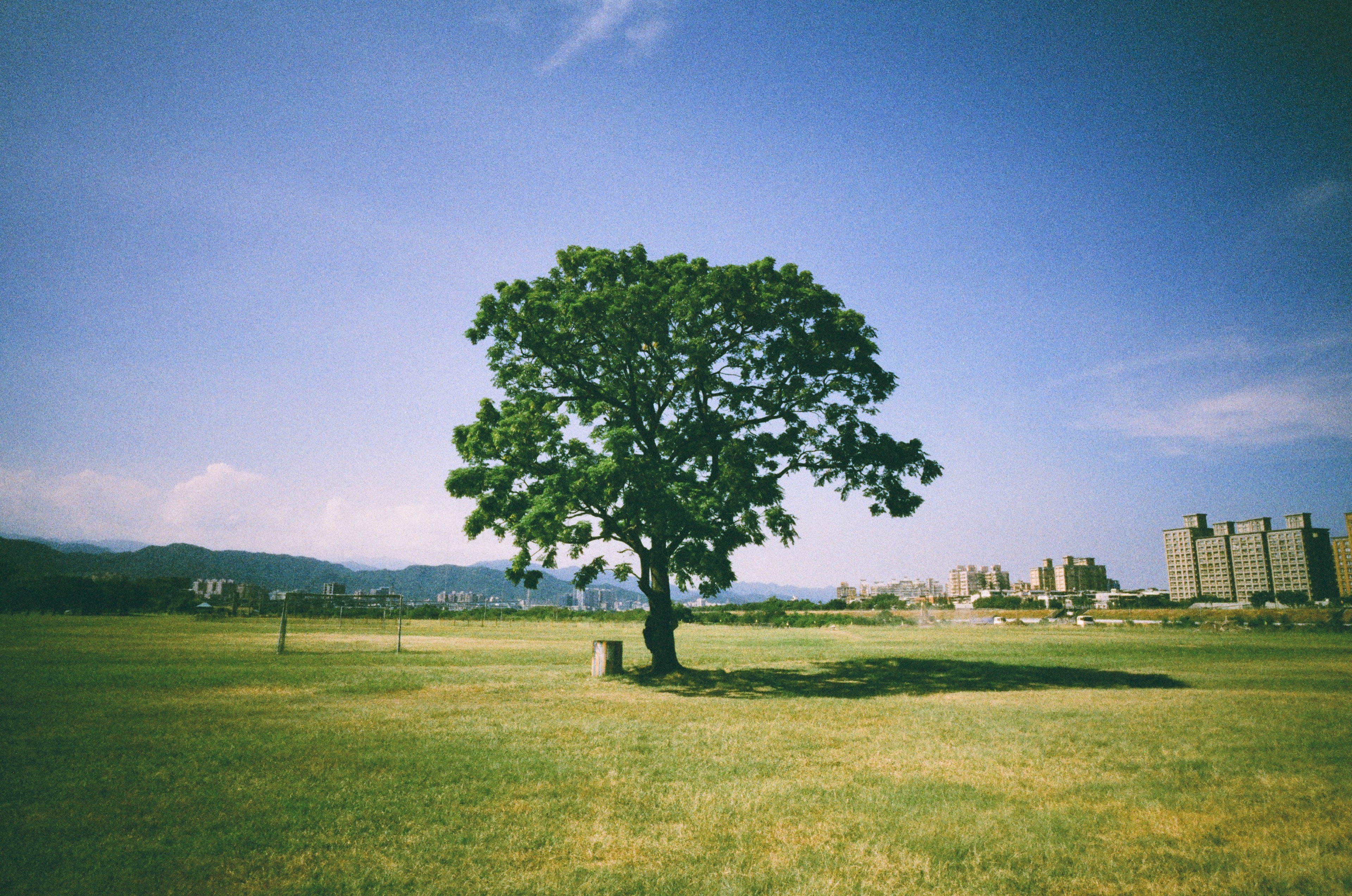
#13
Looking at these, the direction of the vignette shifts with the light. I'd always assumed vignetting was simply edge falloff — turns out it's more complicated than that.
P mode, autofocus
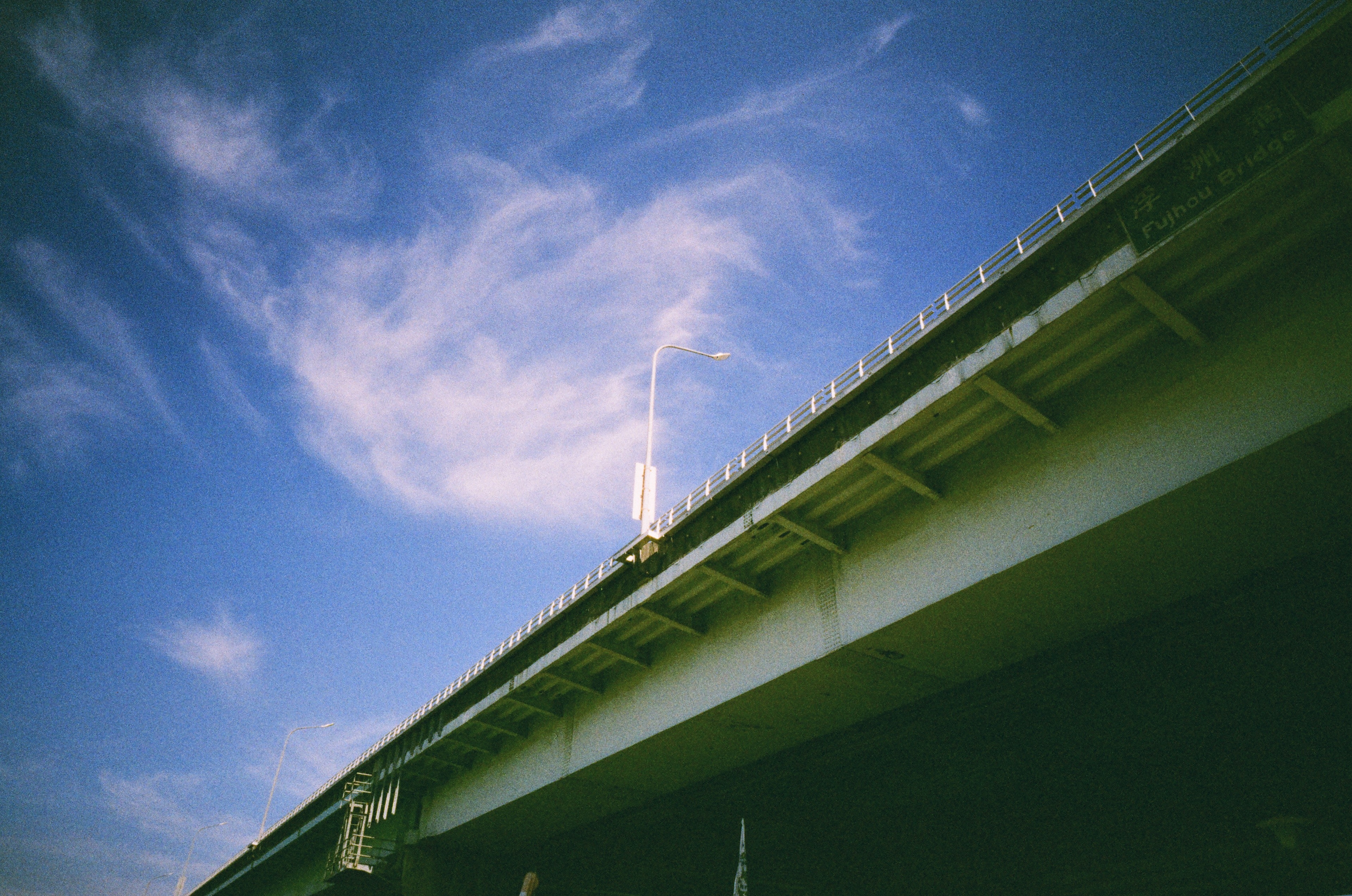
#14
Under the Fuzhou Bridge, documenting the clouds. They look almost like a printed cloud pattern on decorative paper.
P mode, autofocus
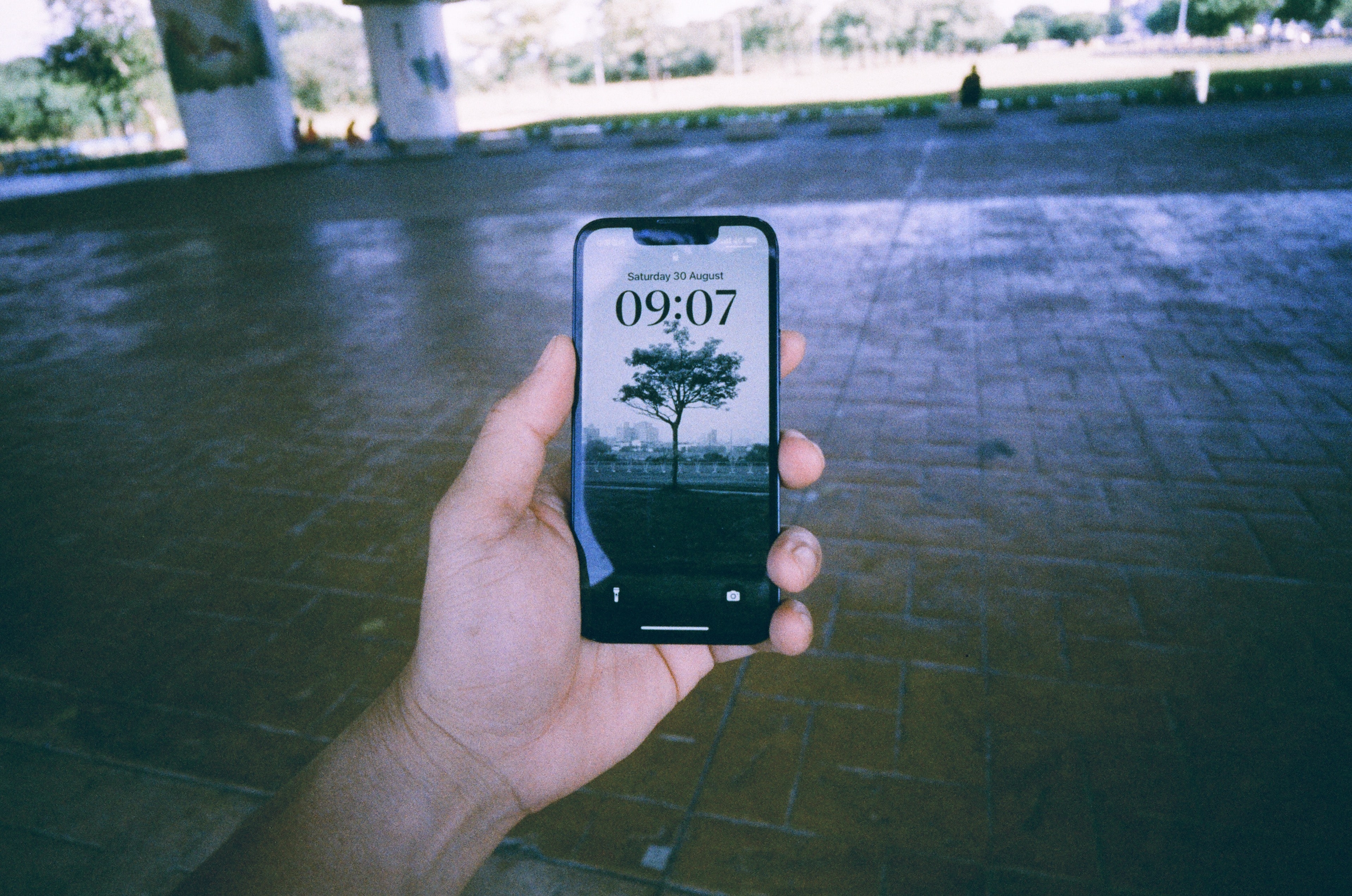
#15
The GR21 has no sense of intimate closeness — even at its 30cm minimum focus distance. Where it really excels is the sweeping, wide-open view. That's where this camera comes alive.
P mode, autofocus
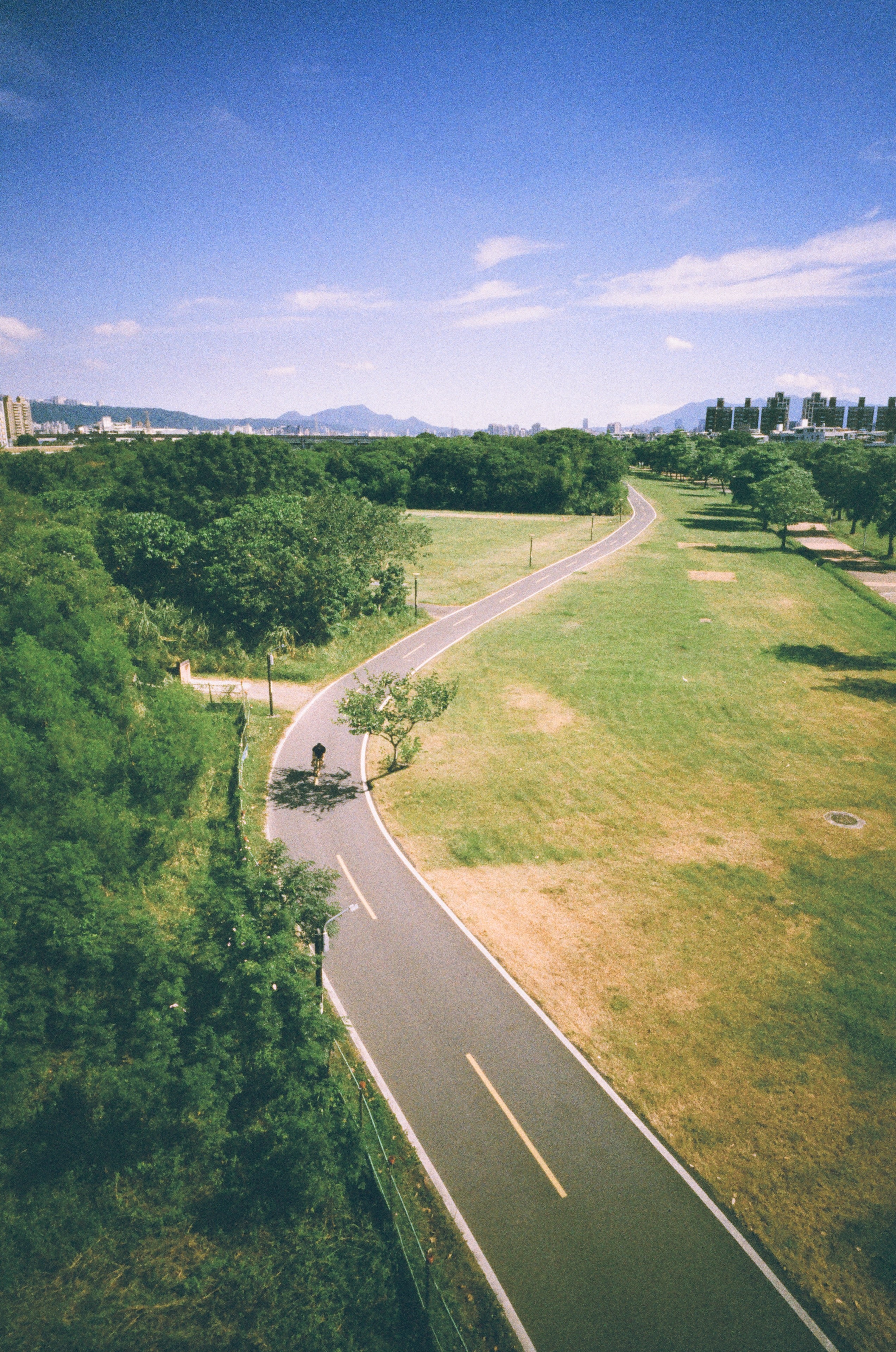
#16
Excellent visibility today. Before I bought the GR21, I'd already tested the ultra-wide waters with the Olympus OM Zuiko 21mm f3.5 — a superb lens with a minimum focus distance of 20cm, even closer than the GR21's 30cm. My positive experience with that Olympus lens gave me the confidence to go for the GR21. While most people start their GR journey with the GR1 or GR1s, I went straight to the GR21.
P mode, autofocus
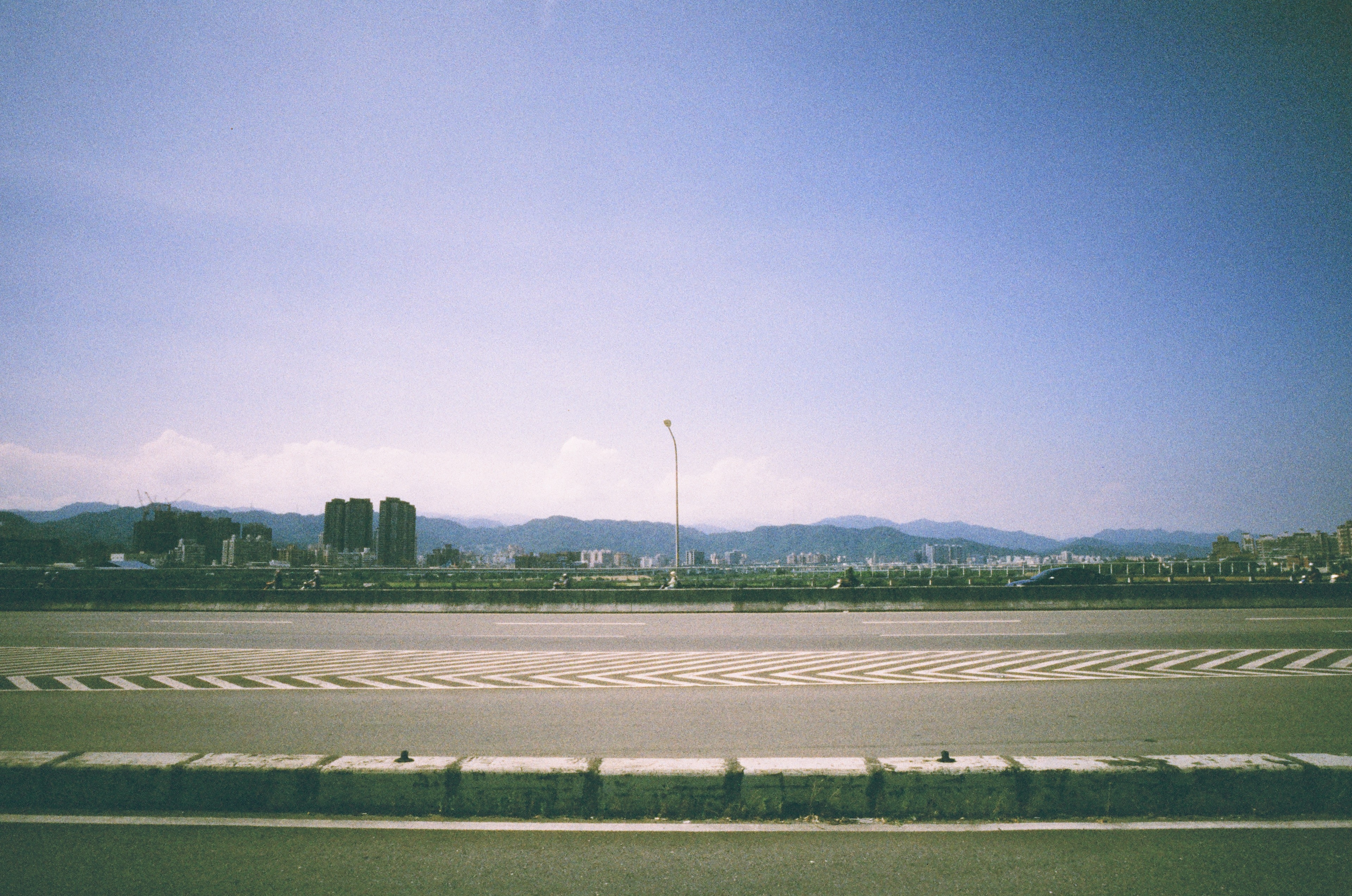
#17
Let's use the vignette direction again to figure out where the light is coming from.
P mode, manual focus infinity
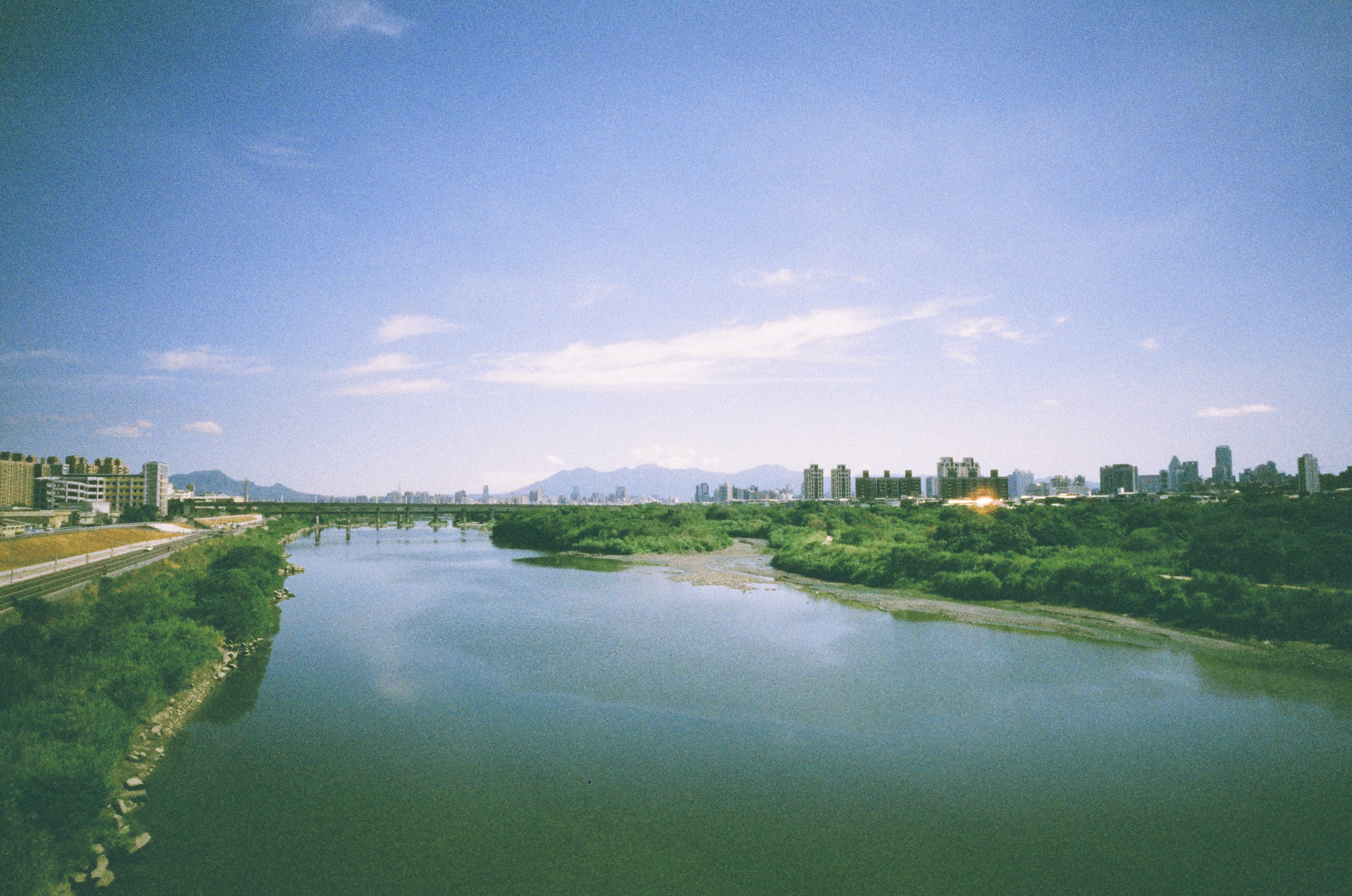
#18
The GR21 isn't really a landscape camera. It's more of a creative tool for people who genuinely love photography — not easy to master, but rewarding precisely because of that.
P mode, manual focus infinity
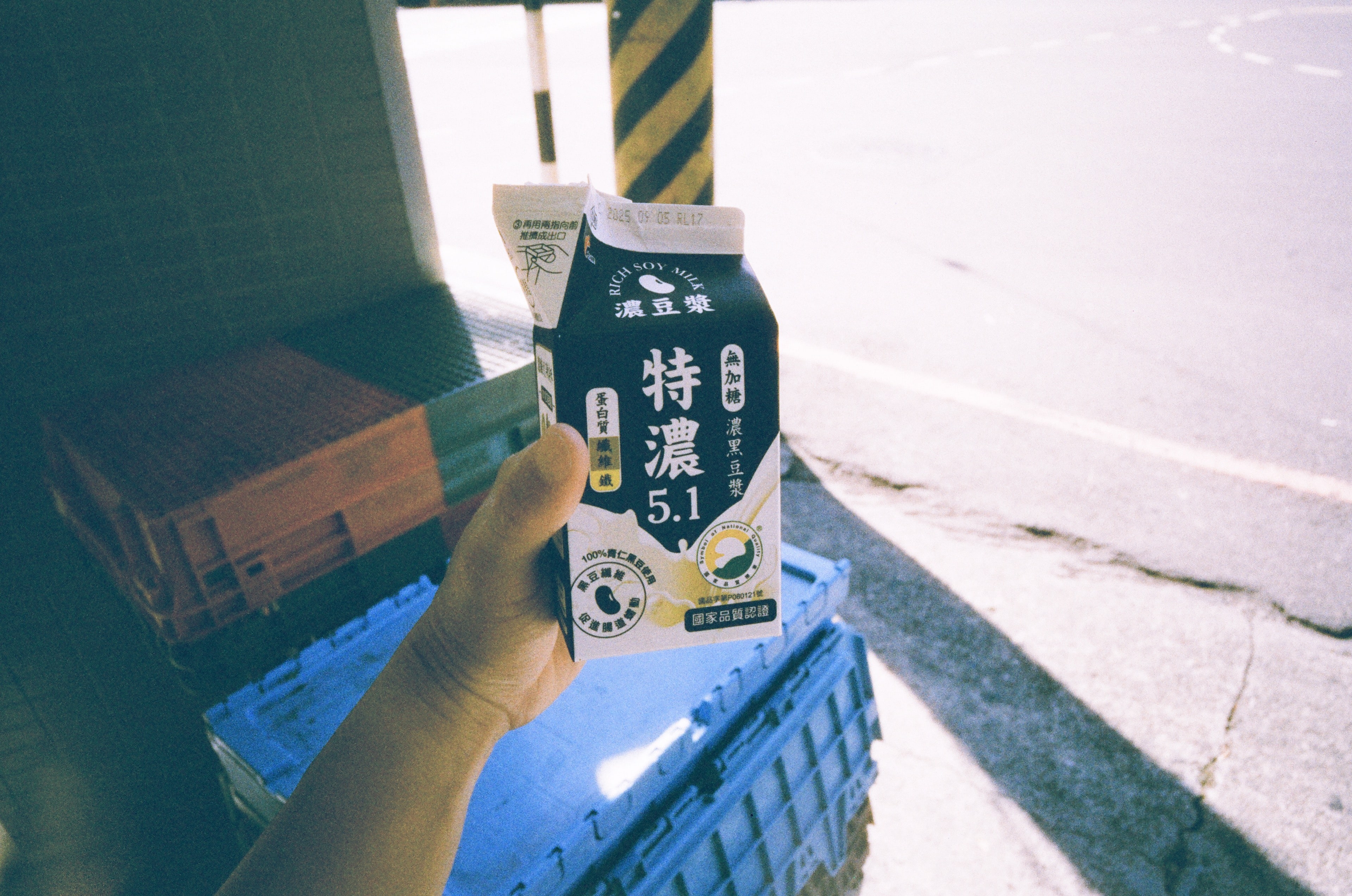
#19
This is what I drink for protein after workouts.
P mode, 1/125s, autofocus
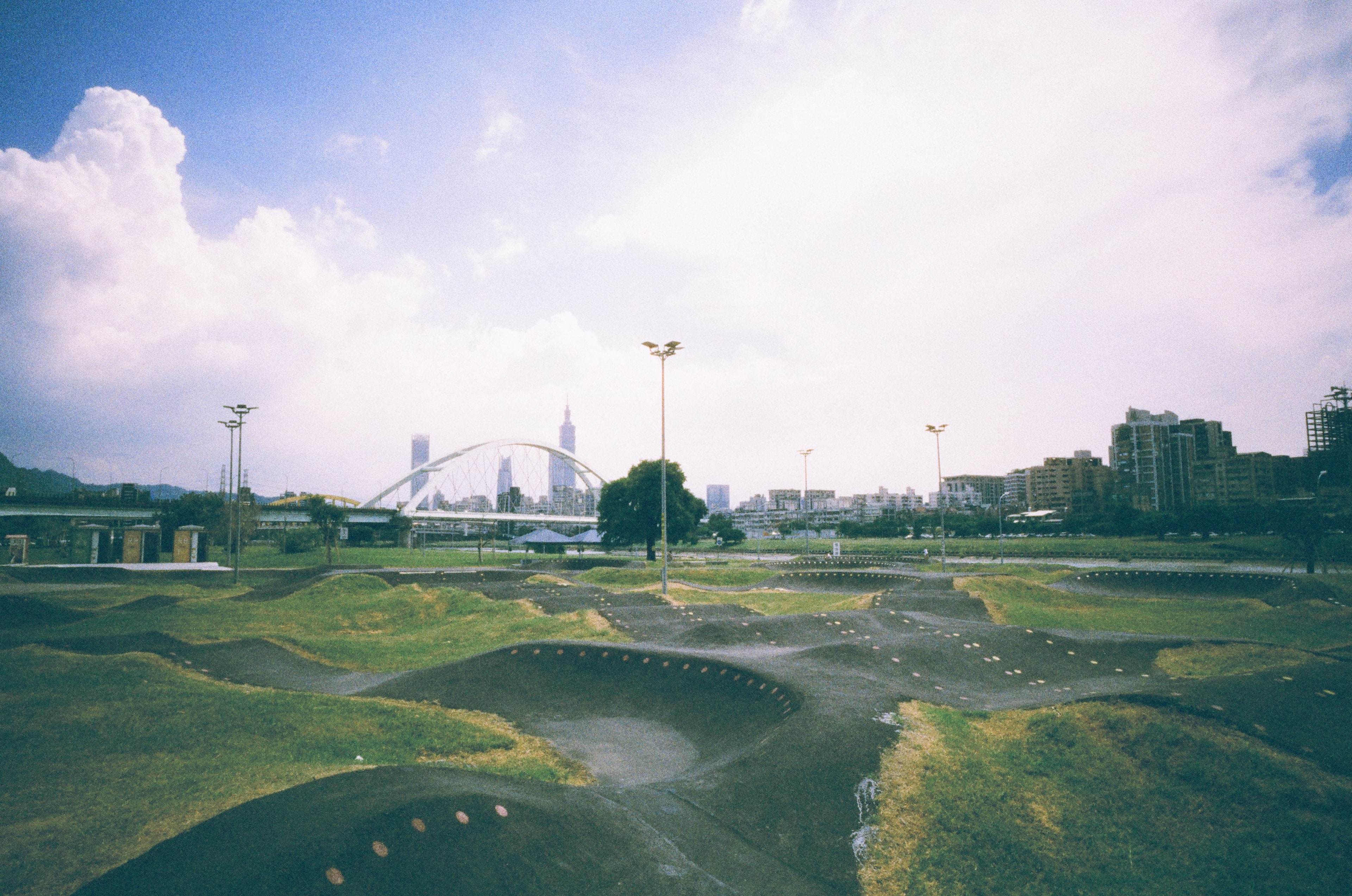
#20
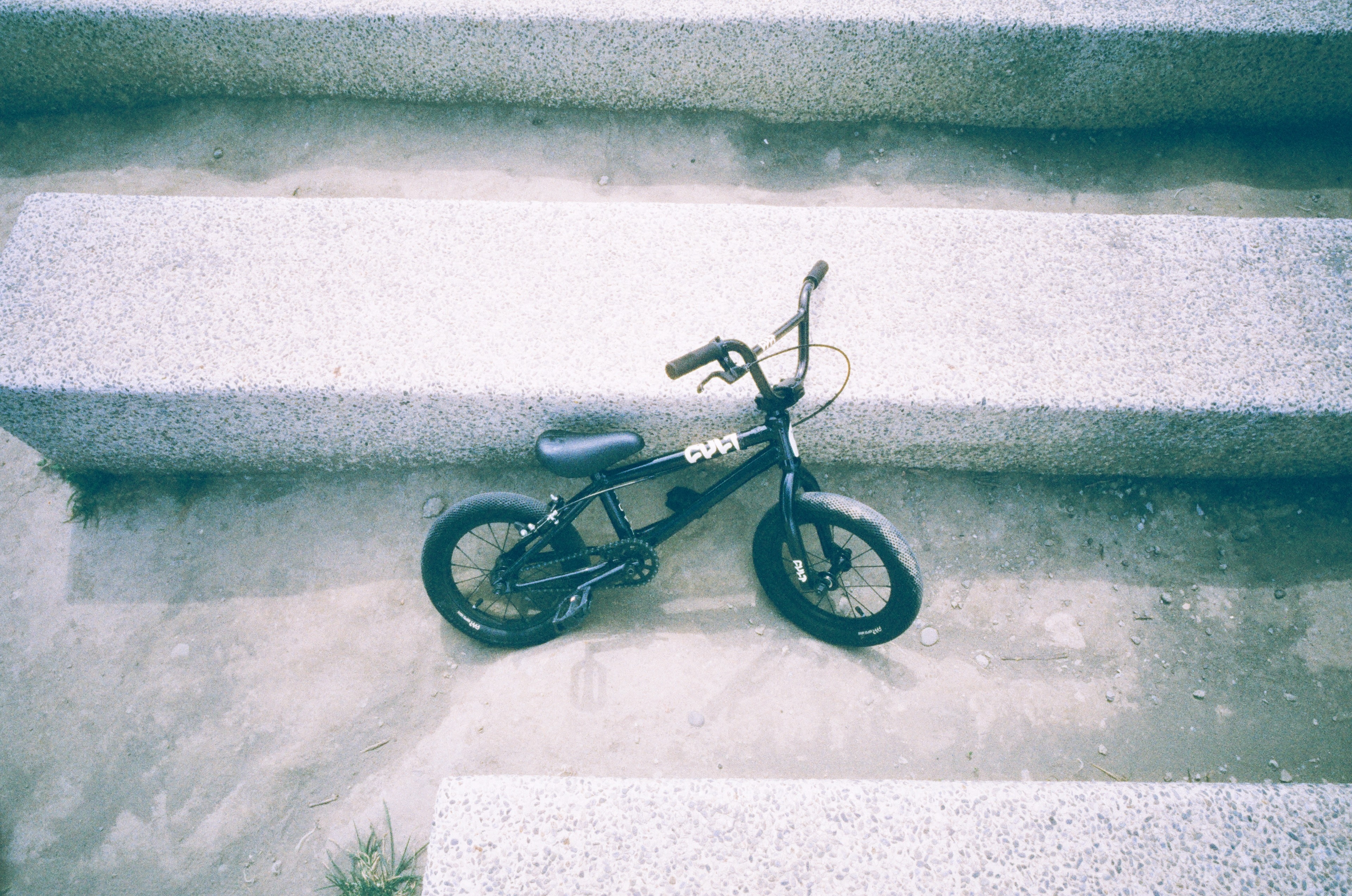
Took my son cycling at Neihu Rainbow Pump Track.
P mode, autofocus
#21
The BMX hub is something else — incredibly smooth, one pedal stroke and it coasts forever. That's a proper BMX bike for you.
P mode, autofocus

#22
A full-face helmet always looks sharper. This one is my son's, not mine.
P mode, autofocus
#23
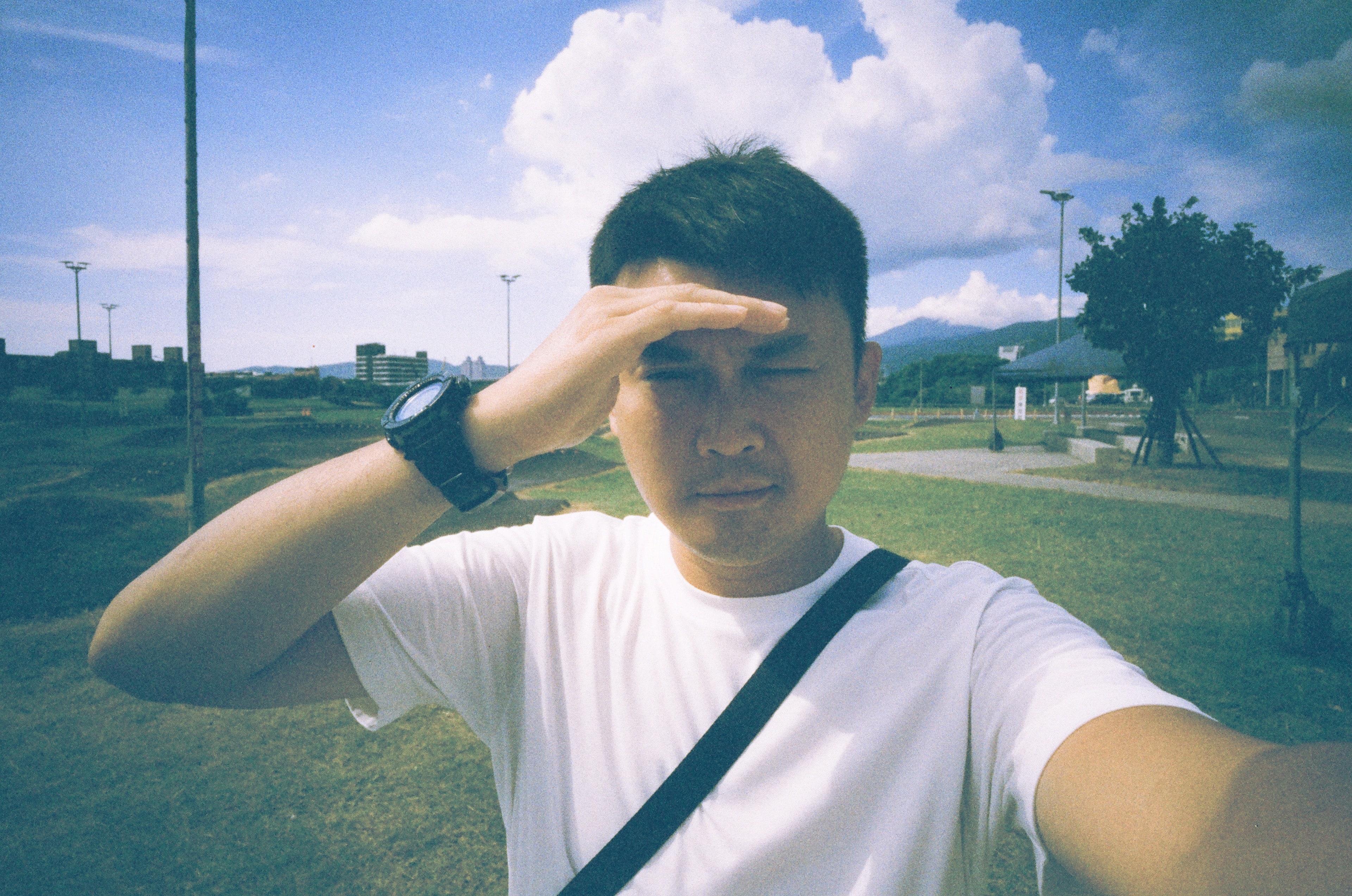
The sun was so harsh I could barely open my eyes. Risking facial distortion for the sake of documentation — here's a handheld GR21 self-portrait for reference.
P mode, autofocus
#24
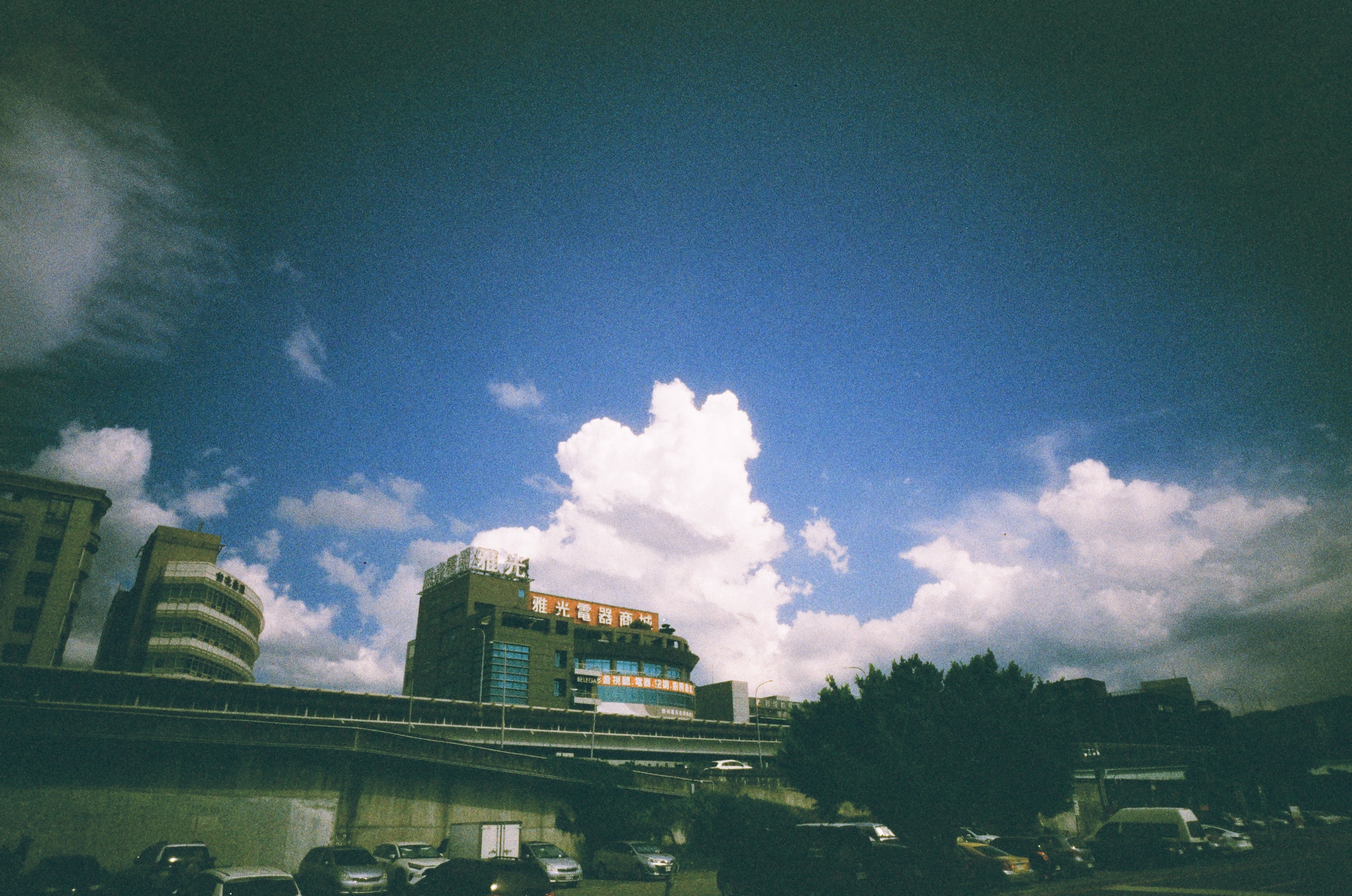
I was going for dramatic three-dimensional clouds. Total failure.
P mode, autofocus
#25
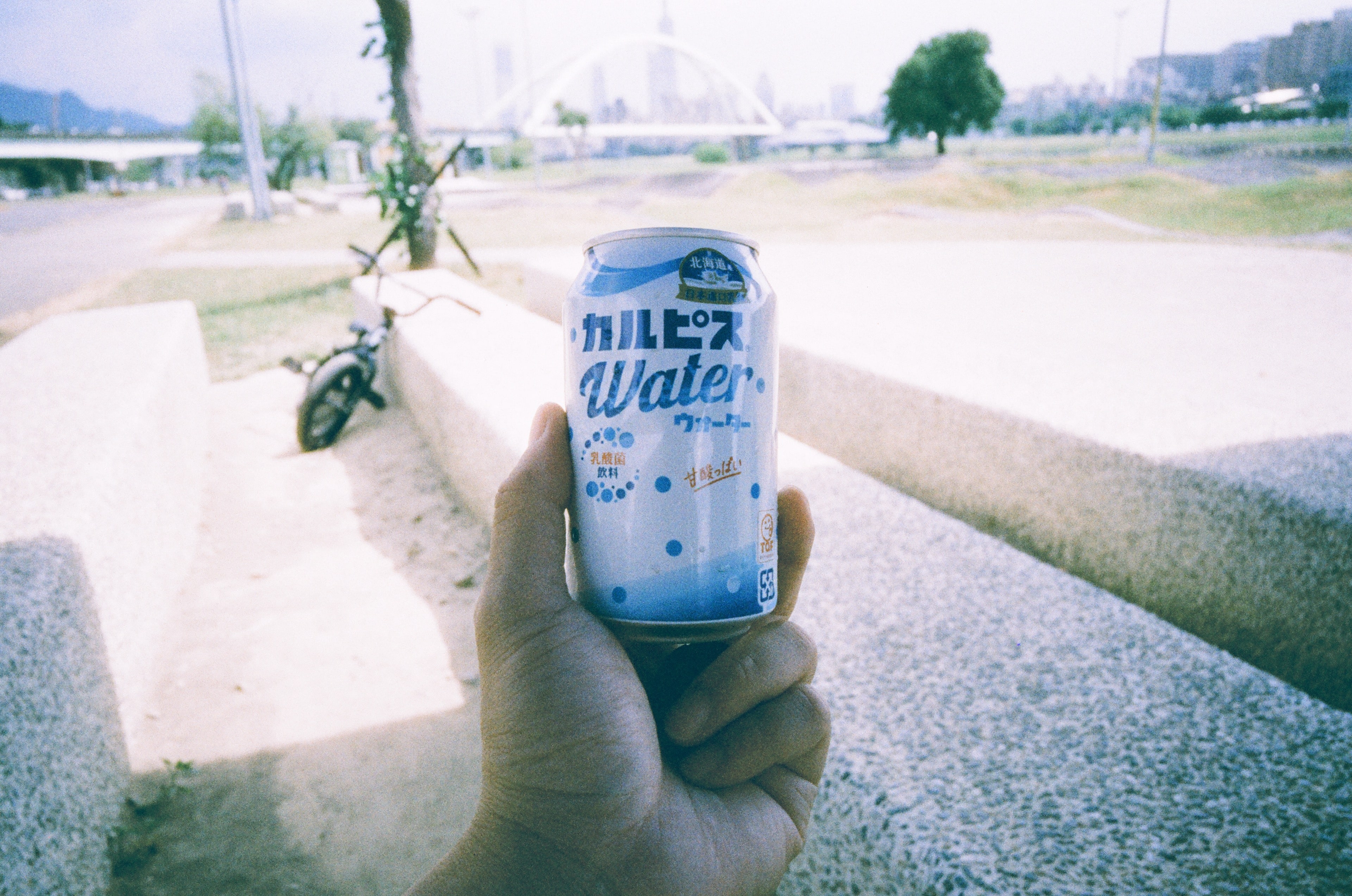
Continuing to test the GR21 handheld self-portrait. None of them are working.
P mode, autofocus

#26
There's always something refreshing about walking past the beer aisle in a supermarket.
P mode, autofocus
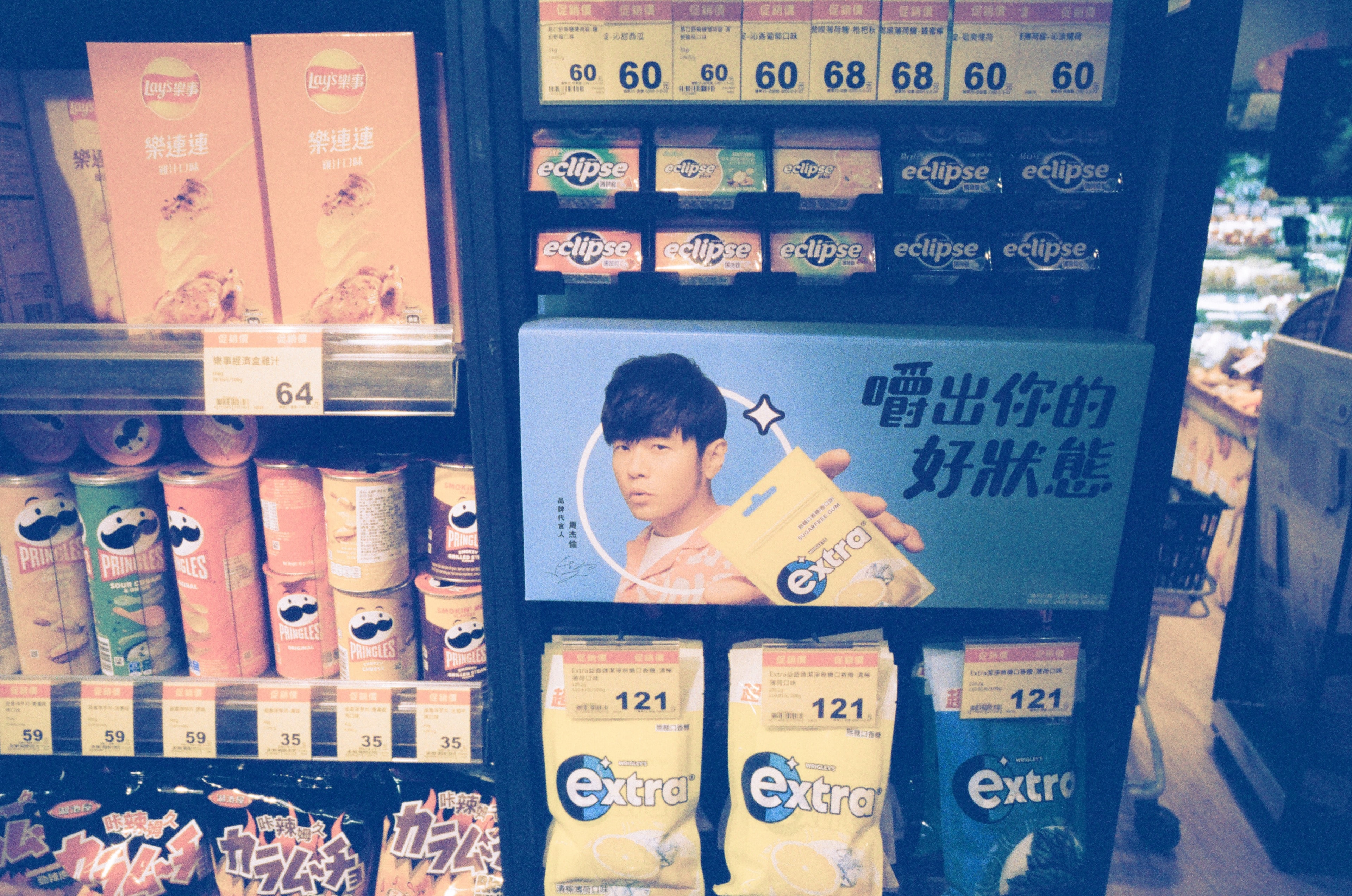
#27
At first glance I thought it was a knockoff Jay Chou. I'm sorry — that was rude of me.
P mode, autofocus
-
That's this roll — Ricoh GR21 21mm f3.5 with Harman Phoenix II 200. Thanks for reading.