
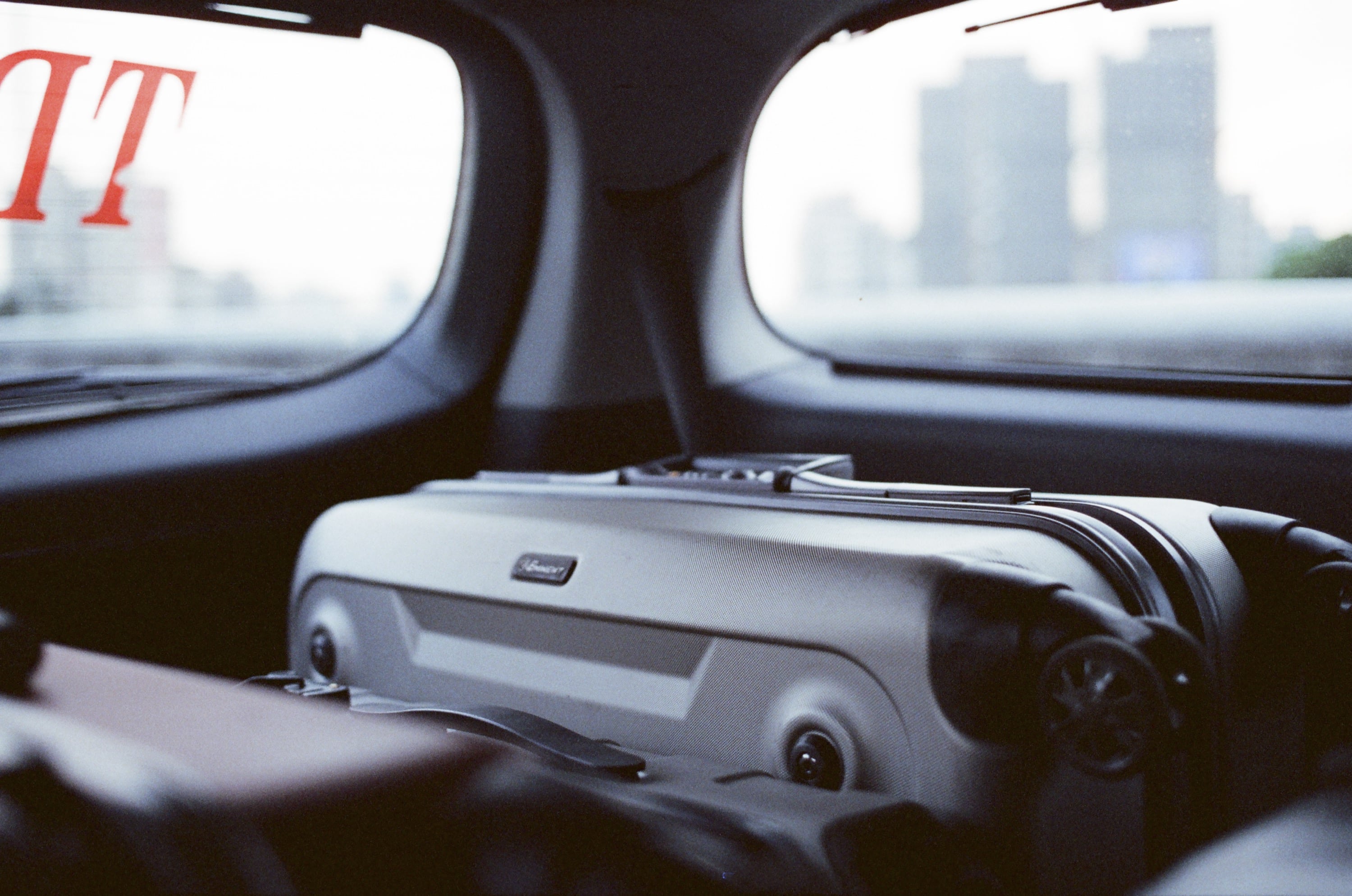
A 50mm lens is nearly useless in tight spaces. A 40mm has no such problem — and still holds onto that distinctive perspective feel.
-
I've been meaning to write this one for a while. The lens in question is the Olympus OM-System Zuiko 40mm f2 — what some call the "ultimate pancake." I stumbled across it while browsing the OM-System lens lineup, and honestly ignored it at first. No especially large aperture. No macro. If I hadn't been filling out my OM collection, I probably never would have bought it.
Then I actually used it. That's when I realized the Olympus OM 40mm f2 is something genuinely remarkable — because it's the only lens in history, and in the world, to simultaneously check all five of these boxes:
- Widest maximum aperture (f2)
- Lightest weight (140g)
- Smallest physical size (25mm in length)
- Closest minimum focus distance (30cm)
- All-metal barrel (with a wonderfully solid feel in hand)
Worth noting: the Olympus OM-System is already among the lightest SLR systems ever made. The OM 40mm f2 is the lightest lens in that already-light system. Pair it with any OM body and you're stacking featherweight on featherweight.
What makes this lens so impressive to me is how carefully balanced every tradeoff is. If Olympus chief designer Yoshihisa Maitani had pushed the aperture beyond f2, those 140 grams would have gone up. If he'd shortened the minimum focus distance further, the barrel couldn't have stayed within one inch (2.54cm) of length.
The OM 40mm f2 is the fullest expression of Olympus's lightweight-above-all philosophy. In service of that philosophy, Olympus actually integrated the aperture ring with the filter threads — which means when you rotate the aperture ring, the filter rotates with it. That's unusual in lens design, and something to keep in mind if you're using a polarizing or graduated ND filter.
On paper, the spec sheet is already impressive. But what makes this lens magical in practice is the 40mm focal length itself. I've never quite understood why major lens manufacturers so rarely produce 40mm lenses. 35mm and 50mm have countless options — probably because pushing people toward two lenses instead of one is good for business. After all, if you want compression, 50mm does it more clearly. If you want wide, 35mm has the edge. So 40mm ends up in an awkward middle. But that middle ground is precisely what makes it so versatile — neither committing nor retreating, always ready.
The thing that surprised me most when I started using this lens is its 56-degree angle of view. It faithfully reproduces what my eye actually sees before I lift the camera. "Reproduces" isn't even quite right — it barely changes anything. So when I shoot with it, I almost never adjust my composition. I see something, raise the camera, look through the viewfinder, and what I see is exactly what was there. No second-guessing needed. Just shoot.
This creates a fluency in shooting — almost a feeling that the camera is an extension of your eye. And since the lens weighs almost nothing, the whole system (any OM body + this lens) tops out at 680 grams. Add to that the 30cm minimum focus distance, and it handles nearly any situation — cramped interiors, first-person perspectives, all of it. With f2 and ISO 400 film, you can shoot at 1/30 under normal indoor lighting without worrying.
That's my take on using the Olympus OM 40mm f2. Sample shots below.
#1
Where 50mm pulls you toward what's distant, 40mm draws you into what's right in front of you.
Olympus OM 40mm f2 (1/1000, f2.8)
Olympus OM-3 Ti
Reflx Lab 800T
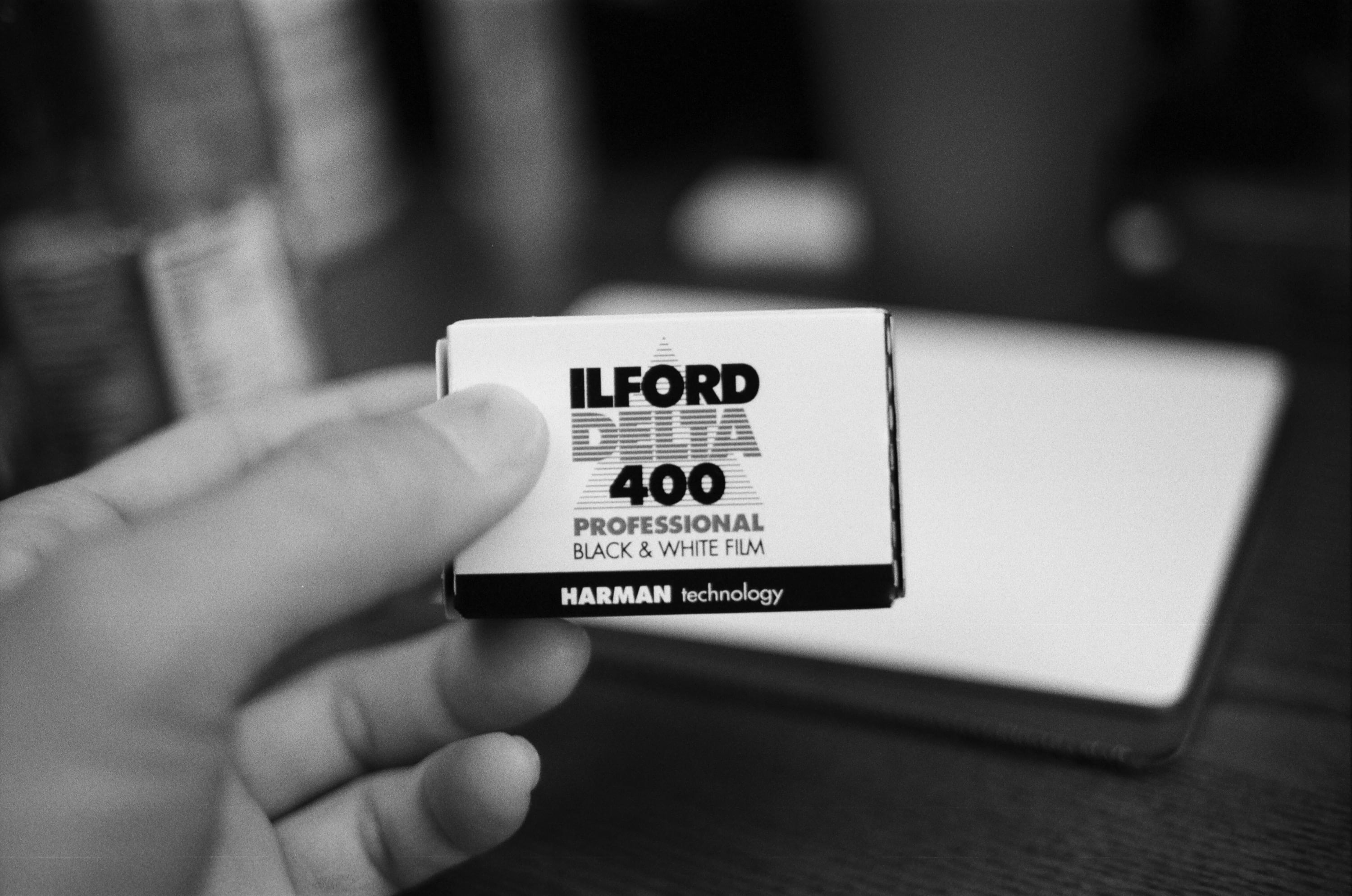
#2
"Right in front of you" means close enough to hold in your hand.
Olympus OM 40mm f2 (Program AE)
Olympus OM-40
Ilford Delta 400 Professional
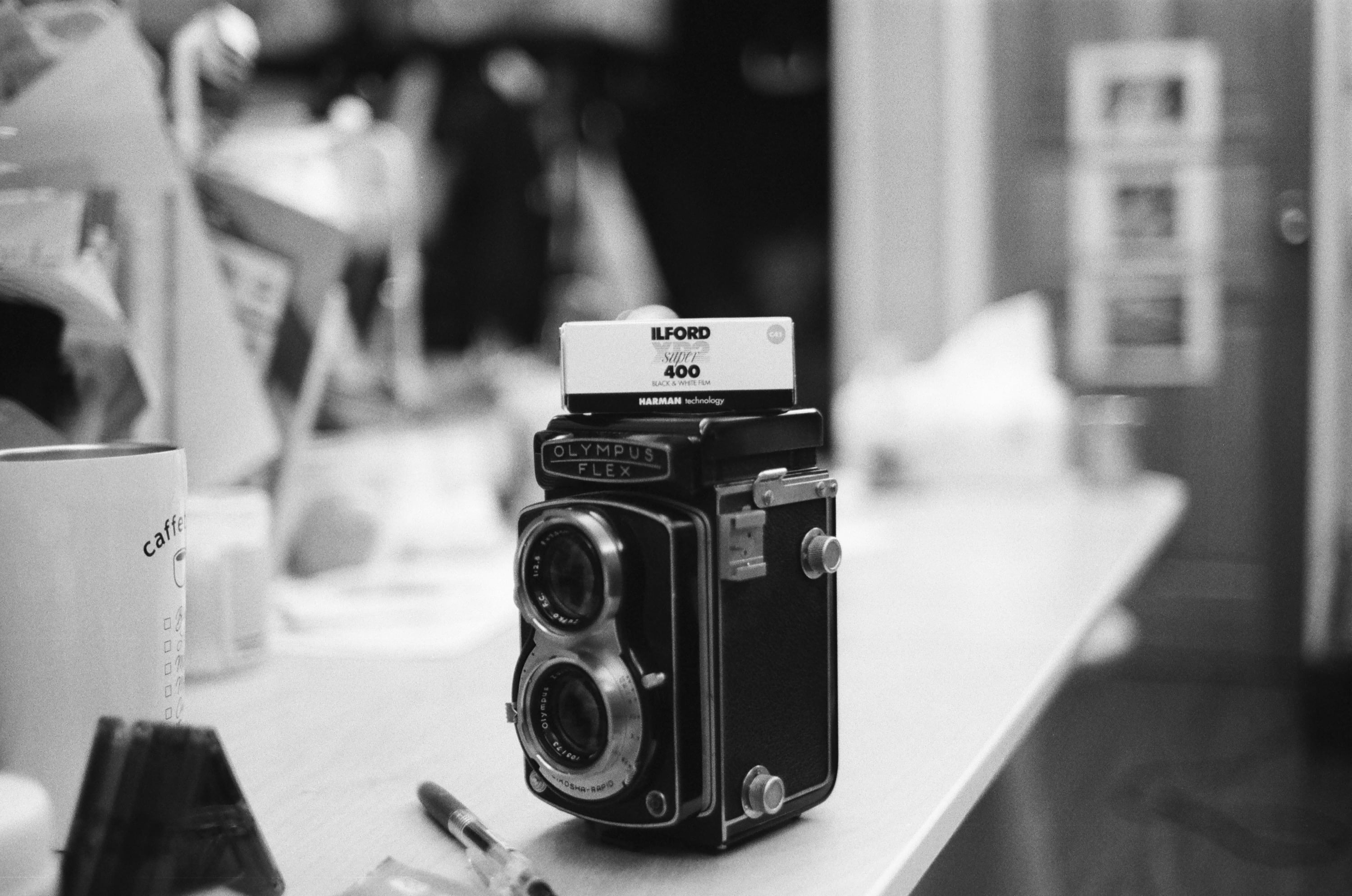
#3
Even at greater distances, you still get usable bokeh — without the mild distortion that 35mm starts to introduce.
Olympus OM 40mm f2 (Program AE)
Olympus OM-40
Ilford Delta 400 Professional

#4
Being the lightest lens in the entire OM universe means it's always with you — ready for whatever moment shows up.
Olympus OM 40mm f2 (1/1000, f2)
Olympus OM-2 SP
Kodak UltraMax 400

#5
The 40mm angle of view lets you frame distant subjects without pulling in everything around them the way 35mm would.
Olympus OM 40mm f2 (1/1000, f8)
Olympus OM-2 SP
Kodak UltraMax 400

#6
And when you need a wider perspective, it delivers that too. Truly an all-purpose focal length.
Olympus OM 40mm f2 (Program AE)
Olympus OM-40
Ilford Delta 400 Professional

#7
At its core, the OM 40mm f2 is a lens defined by how you use it. This one was shot through an airplane window.
Olympus OM 40mm f2 (1/500, f16)
Olympus OM-3 Ti
Reflx Lab 800T

#8
Personally, I love pairing the OM 40mm f2 with black-and-white film.
Olympus OM 40mm f2 (Program AE)
Olympus OM-40
Ilford Delta 400 Professional

#9
With black-and-white, everything your retina registers just... converts. The angle of view is that close to how you actually see.
Olympus OM 40mm f2 (Program AE)
Olympus OM-40
Ilford Delta 400 Professional

#10
Every frame through this lens is first-person. Not wider, not narrower. The bokeh is a direct translation of wherever your gaze was resting.
Olympus OM 40mm f2 (1/125, f2.8)
Olympus OM-3 Ti
Reflx Lab 800T
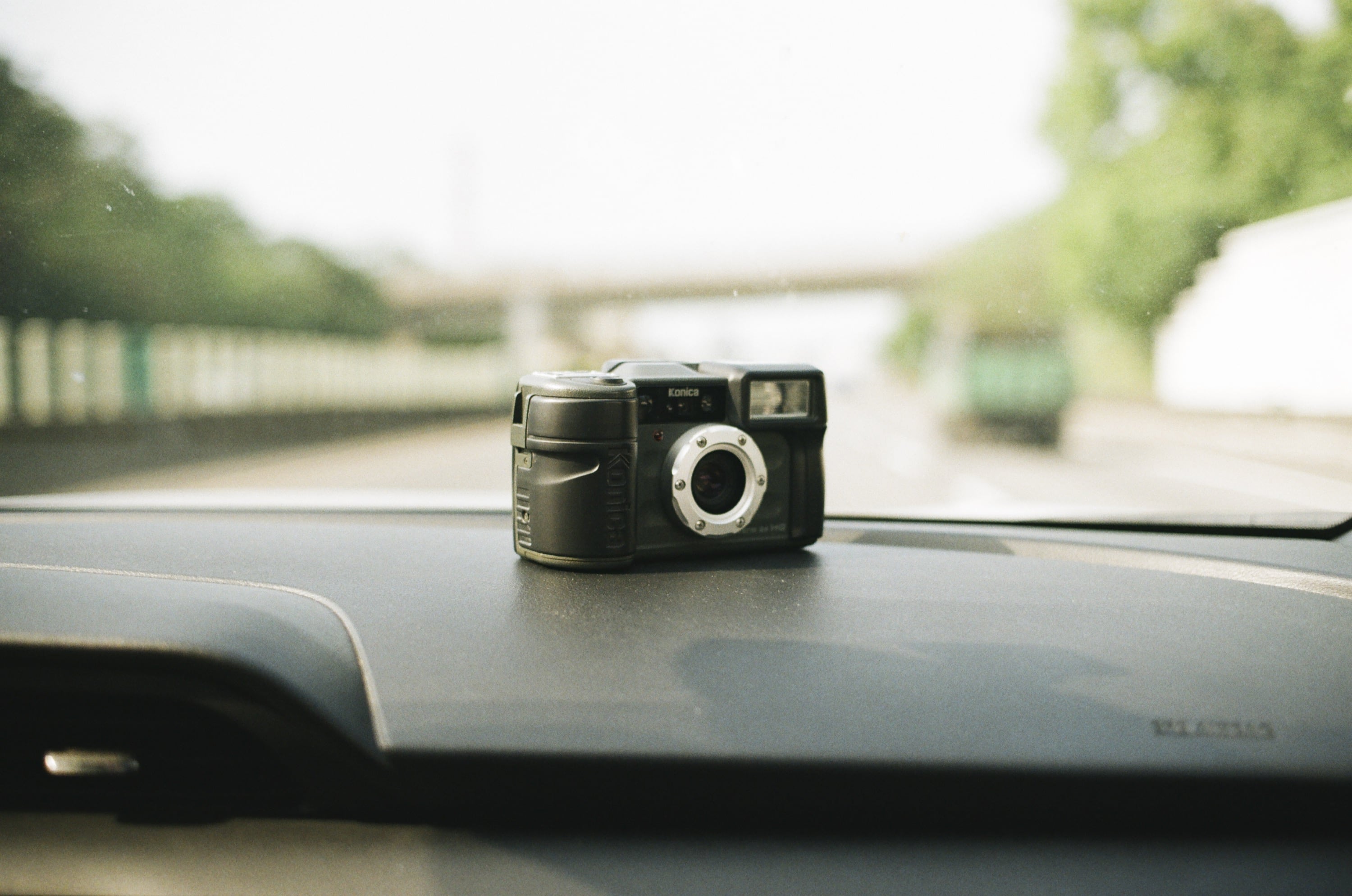
#11
My personal sweet spot is f2.8 — most of these shots were taken there.
Olympus OM 40mm f2 (1/2000, f2.8)
Olympus OM-3 Ti
Kodak Gold 200

#12
Wide open at f2 works just fine too.
Olympus OM 40mm f2 (1/500, f2)
Olympus OM-2 SP
Kodak UltraMax 400

#13
In low light, f2 is often the last line of defense between sharp and blurry. One stop less and it's over.
Olympus OM 40mm f2 (1/30, f2)
Olympus OM-2 SP
Kodak UltraMax 400

#14
A look at f2 wide open focused at a slightly longer distance — depth of field and bokeh rendering both on display.
Olympus OM 40mm f2 (1/1000, f2)
Olympus OM-2 SP
Kodak UltraMax 400

#15
Stepping down gradually to f2.8.
Olympus OM 40mm f2 (1/60, f2.8)
Olympus OM-3 Ti
Reflx Lab 800T
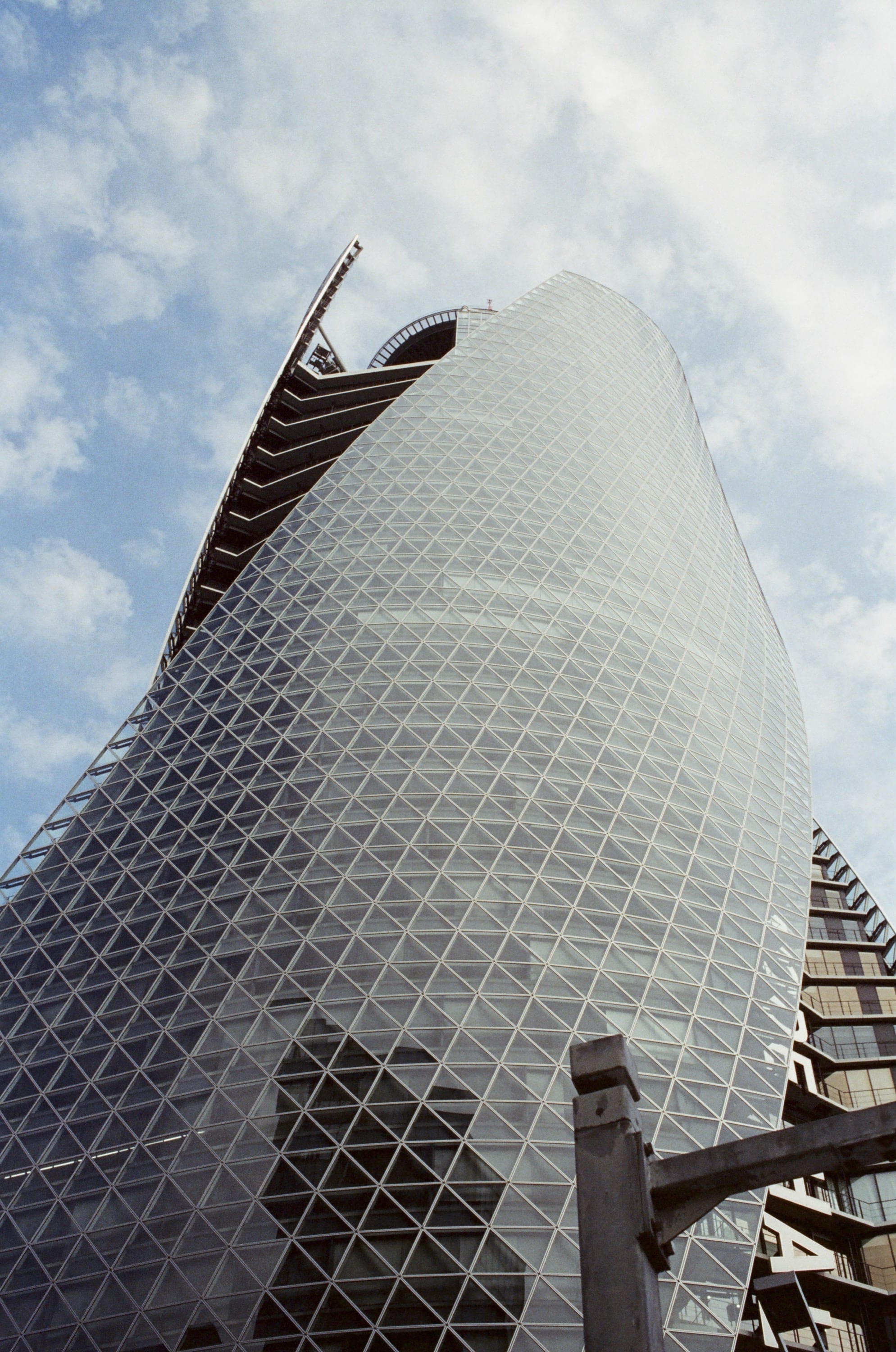
#16
At f8, you've got enough depth of field for most infinity-focused scenes.
Olympus OM 40mm f2 (1/1000, f8)
Olympus OM-3 Ti
Reflx Lab 800T

#17
Stopped down to f4.
Olympus OM 40mm f2 (1/2000, f4)
Olympus OM-3 Ti
Kodak Gold 200

#18
Early OM lenses came in both single-coated and multi-coated versions. The 40mm f2 launched with multi-coating (MC) from the start — and it shows in how effectively it handles stray light.
Olympus OM 40mm f2 (1/2000, f16)
Olympus OM-3 Ti
Reflx Lab 800T

#19
Honestly though — images from this lens tend to have a consistent neutrality about them. Like water: no color, no flavor, but it takes the shape of whatever you pour it into.
Olympus OM 40mm f2 (1/2000, f4)
Olympus OM-3 Ti
Reflx Lab 800T

#20
At one point I tried using the OM 40mm f2 the way I'd use a Ricoh GR3x — mounted on a fully automatic OM body. No aperture, no shutter, just focus and shoot.
Olympus OM 40mm f2 (Program AE)
Olympus OM-40
Ilford Delta 400 Professional
That's my review of the Olympus OM 40mm f2. Full specs below — thanks for reading.
Olympus OM-System Zuiko Auto-S 40mm f2
Year introduced: 1984
Coating: Multi-coating (MC)
Angle of view: 56°
Optical construction: 6 elements in 6 groups
Aperture range: f2 / f2.8 / f4 / f5.6 / f8 / f11 / f16
Optimal aperture range: f4 / f5.6 / f8
Minimum focus distance: 0.3m
Maximum magnification: 0.2x
Weight: 140g
Length: 25mm
Diameter: 60mm
Filter thread: 49mm
Made in Japan