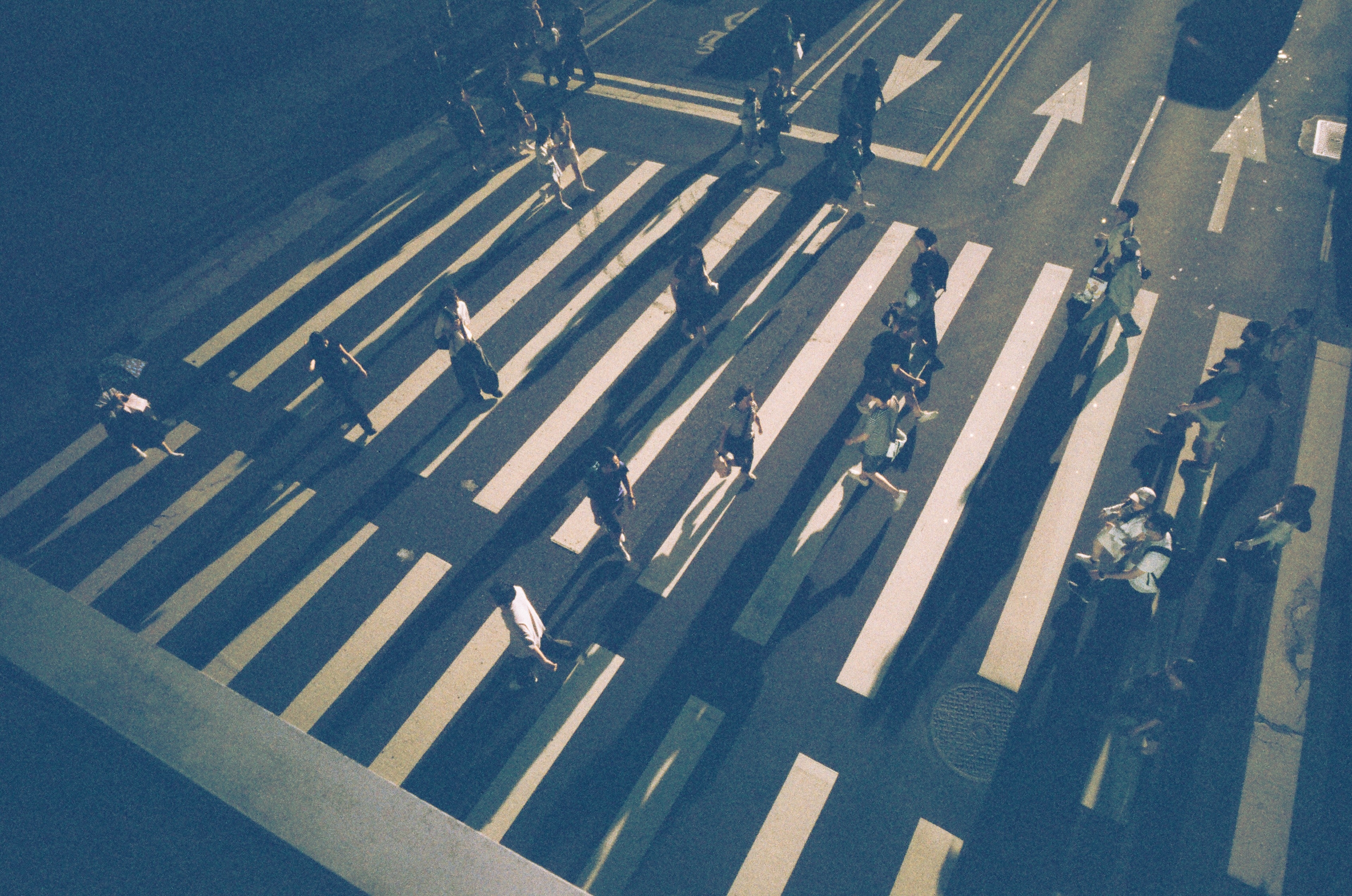
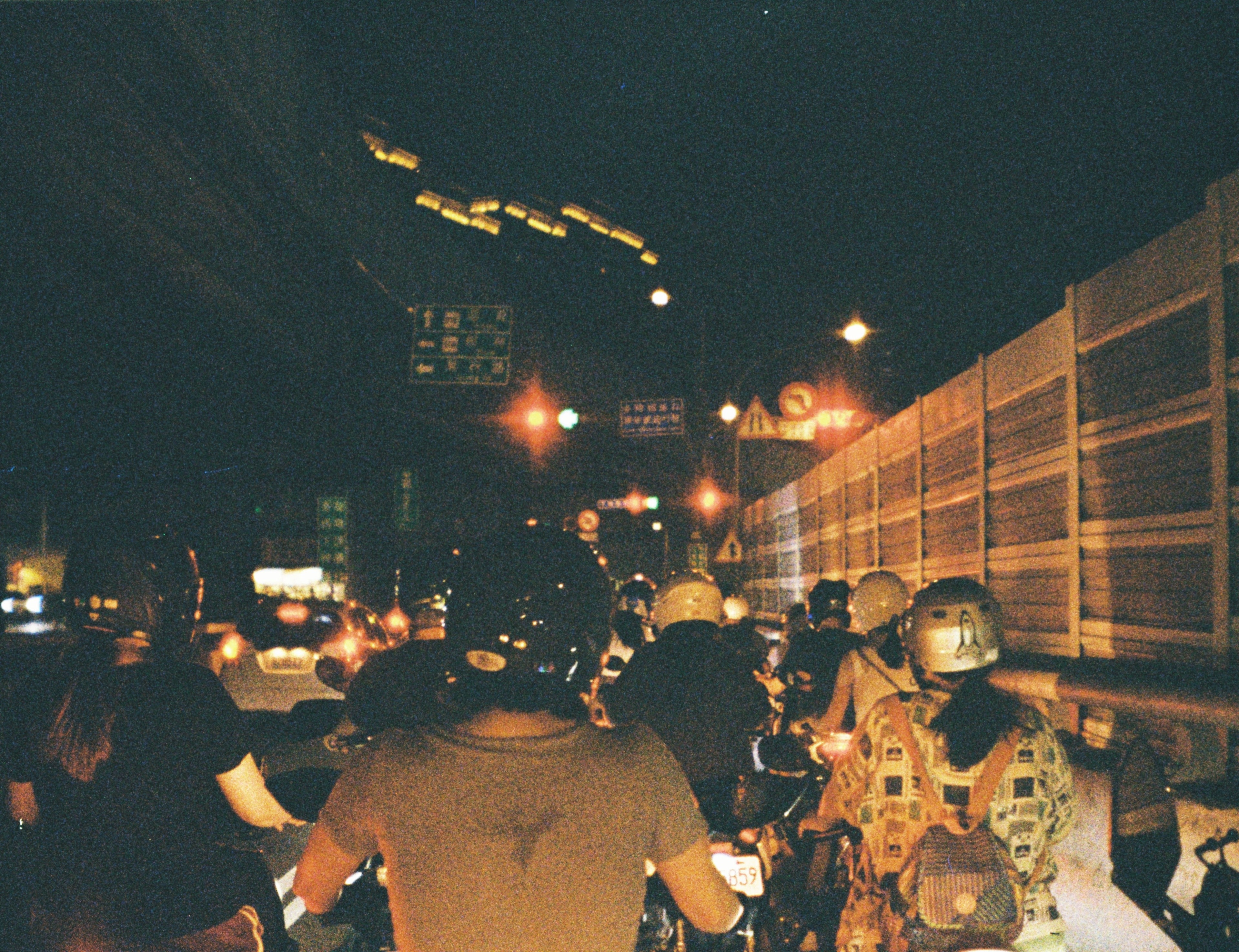
Roll 294
Film: Lomography Tiger 200
Developed & scanned: Jin-ying Photo 2025/10/7
Camera: Pentax Auto 110 Super (1982)
Lenses:
Pentax-110 20-40mm f2.8
Pentax-110 50mm f2.8
-
I've recently been acquiring photography equipment for client work — a Canon EF 11-24mm f4 L USM for interiors and a Canon EF 100mm f2.8 L Macro IS USM for close-up product shots.
The 11-24mm was an easy call. It's simply the widest rectilinear zoom ever made for Canon's full-frame mount, and nothing from the film era came close to this specification — it had to be bought. The macro lens was more complicated. I'd previously been using a Tamron SP 90mm f2.8 Macro 72B for client macro work, which reaches 1:1 magnification natively and weighs only 366 grams. Its focus throw is short too, which matters in practice.
I'd tried the Olympus OM 90mm f2 Macro before — optically superb, but its long focus throw makes it impractical for everyday use. The Tamron has no such issue: you can spin straight from a subject at 1 meter to infinity without stopping to think about it.
The problem with using the Tamron — a manual lens on an adapter — is that the aperture is always stopped down to your shooting aperture, which means you're always shooting in depth-of-field preview mode. At small apertures with a macro subject, the viewfinder goes dark and composing becomes difficult. That's what prompted the Canon EF 100mm f2.8 L Macro IS USM purchase — same 1:1 maximum magnification, but at 625 grams, significantly heavier.
What surprised me today was that when I stopped down to f16 for a macro shot, I couldn't actually tell the difference between the Tamron and the Canon L. For a moment I considered selling the Canon.
But for work, peace of mind matters more than marginal optical differences. When you have zero doubts about your lens, you can focus entirely on what's in front of you.
The Canon EF 100mm f2.8 L Macro IS USM stays.
-
The camera for this roll is the Pentax Auto 110 Super, released in 1982 — four years before I was born. Compared to the original Auto 110 from 1978, the Super adds split-image rangefinder focusing, a shutter lock, and a countdown self-timer, among other improvements. But there's one change I consider a step backward: the maximum shutter speed was reduced from 1/750s on the original to just 1/400s on the Super.
This makes the Super more prone to camera shake than the original — something that might not seem significant at first, since plenty of compact cameras top out at 1/500s (Ricoh GR1, Contax T2, Olympus Mju I, for example). But the Pentax Auto 110 Super weighs only 159 grams, and a lighter camera is inherently harder to hold steady. Pair it with the 50mm f2.8 telephoto and the risk of camera shake increases substantially.
This roll was shot primarily with the 50mm f2.8 and the 20-40mm f2.8 — both combinations prone to shake. I did my best.
Note: the original Auto 110's minimum exposure is 1/750s at f13.5; the Super's is 1/400s at f18. The Super supports a smaller minimum aperture, but the total light admitted is similar between the two.
-
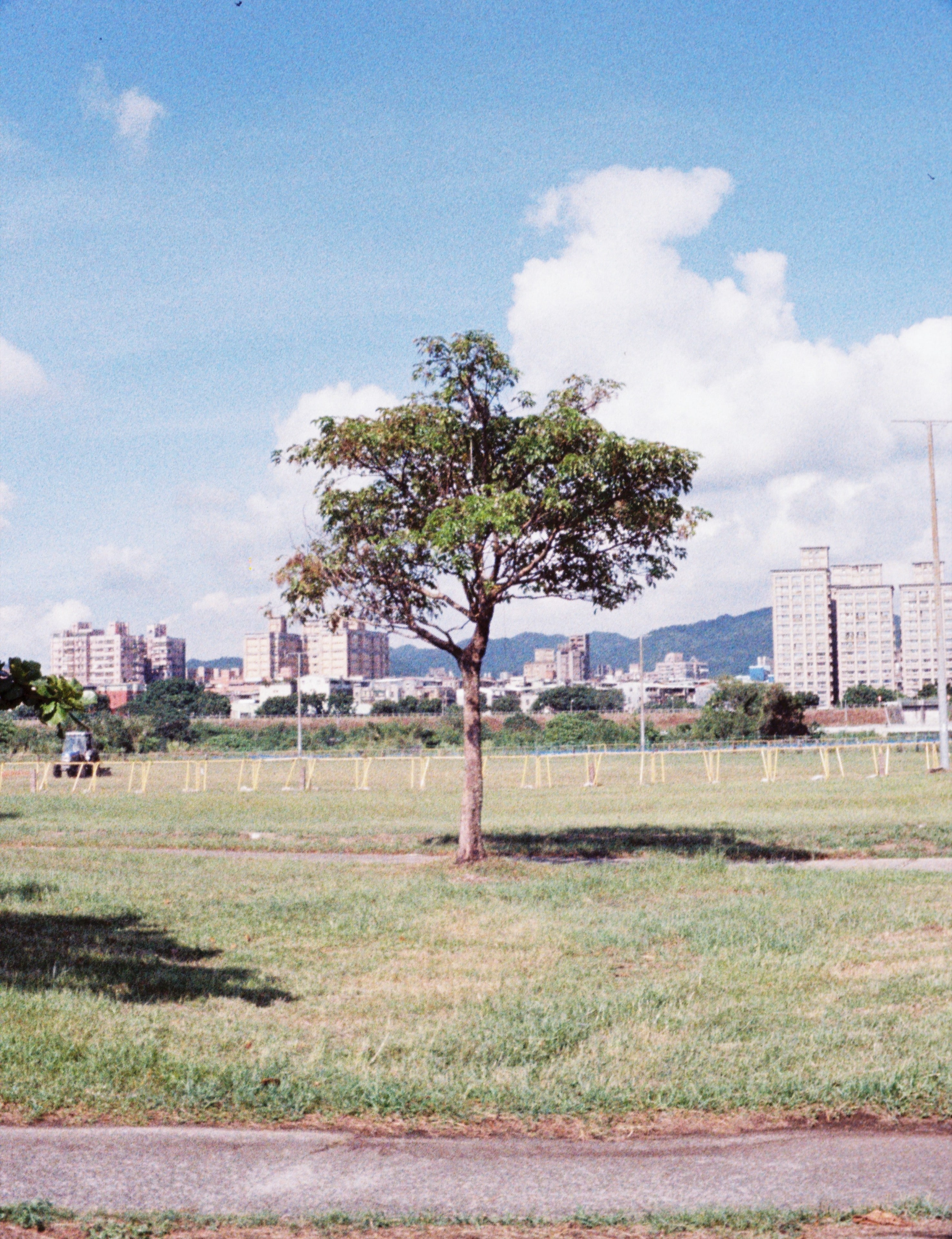
#1
The tree I pass on my morning runs.
Pentax-110 20-40mm f2.8 @40mm
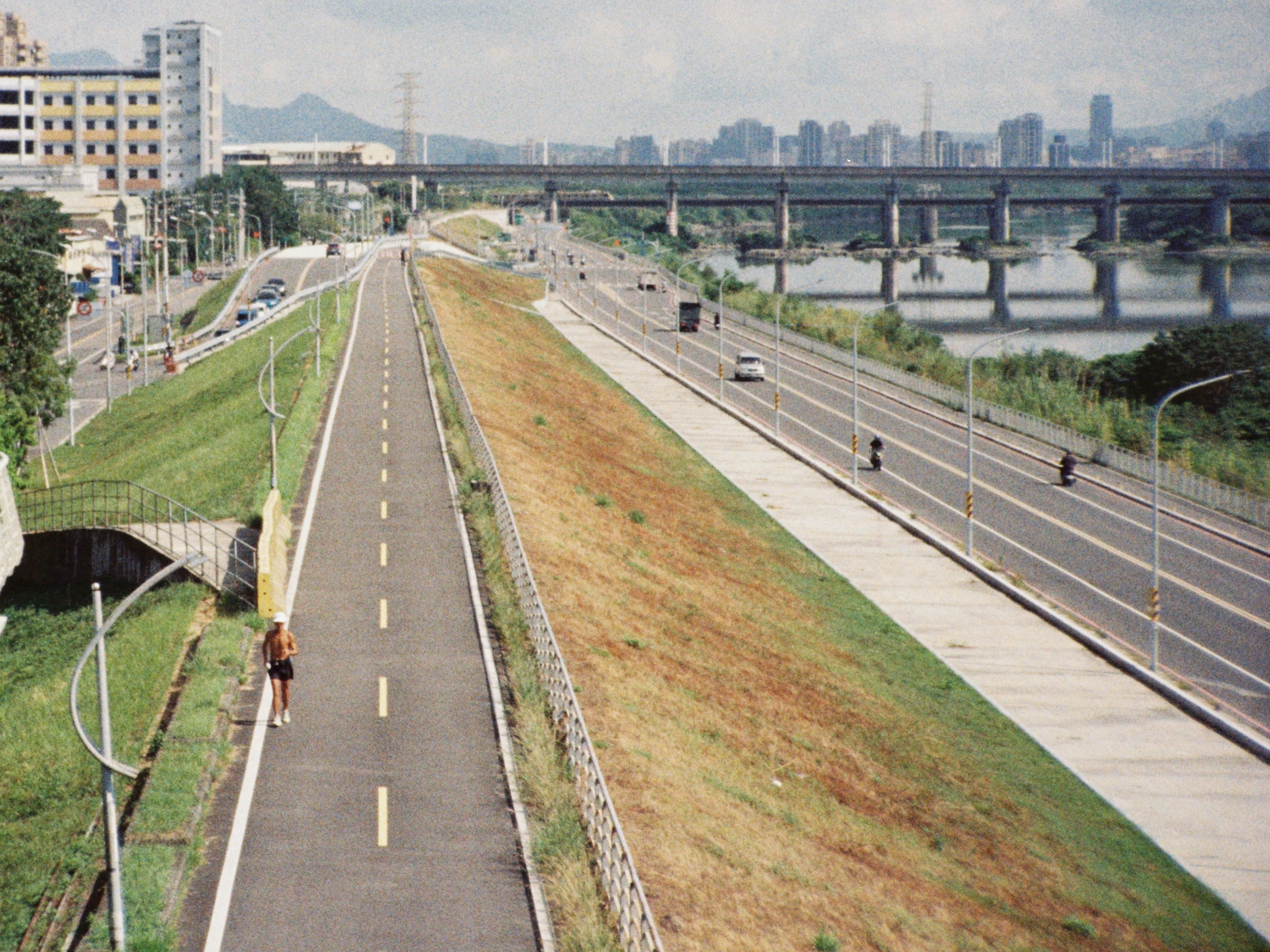
#2
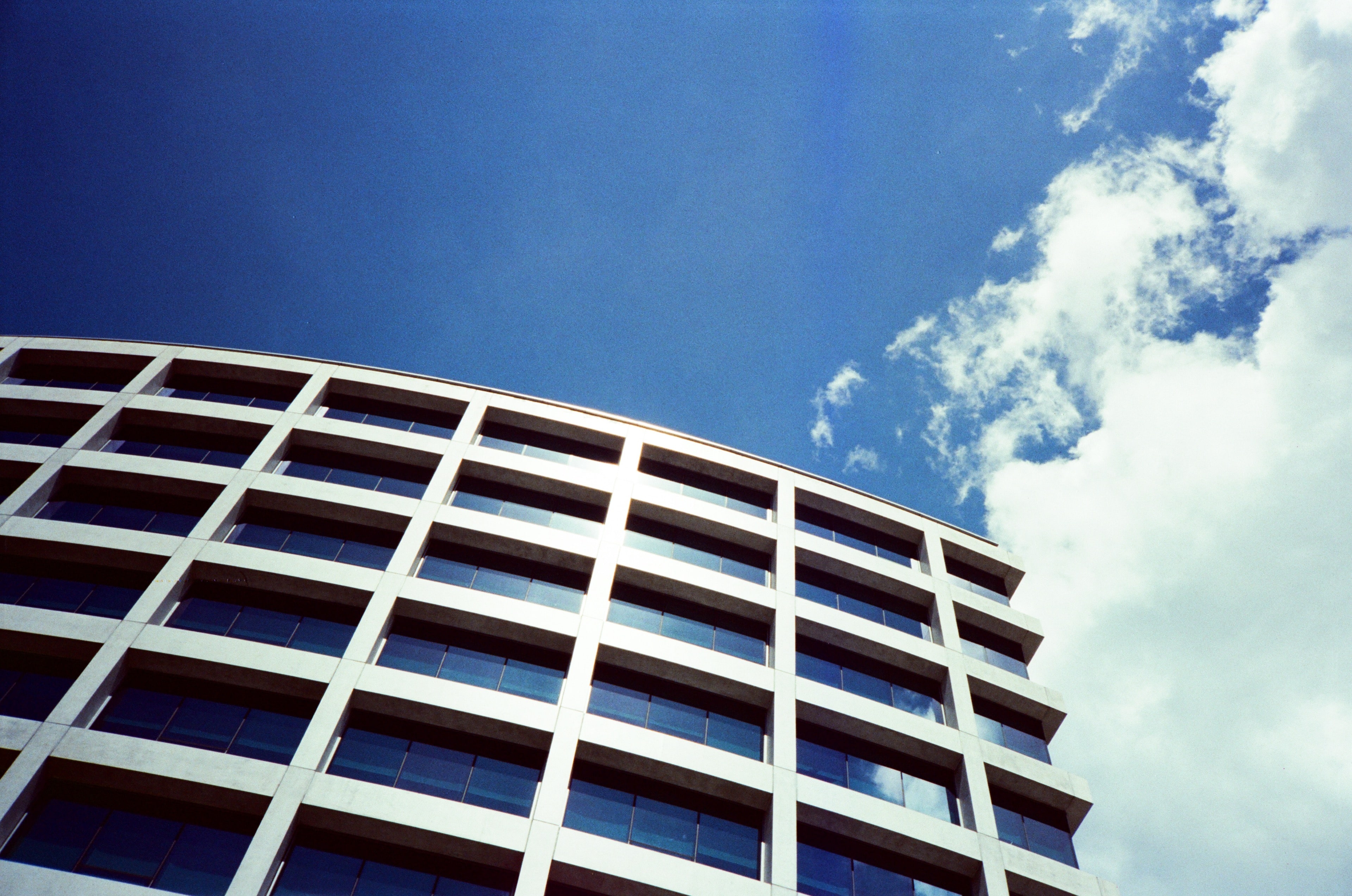
In bright sunlight like this, the Pentax Auto 110 tends to blow highlights easily.
Pentax-110 20-40mm f2.8 @40mm
#3
It was a Thursday. My son had gone to sleep early, and after he did I headed out to drop film off at DEP Lab in Shulin, New Taipei. DEP Lab accepts film Tuesday through Thursday, and if you drop it off during that window you usually get your photos the next day. This shot was taken using the "flash-block" technique — covering the sync contact rather than the flash unit itself, because the Auto 110 has no built-in flash and no flash mode to select. In low light without a flash attached, the camera will always use a slow shutter and you'll get camera shake. The workaround is to press the flash sync contact on the left side of the body before pressing the shutter — the camera thinks a flash is attached and selects a sync shutter speed. Worth noting: the original Auto 110 uses 1/30s as its sync speed, while the Super uses 1/60s. In low light the Super is less prone to shake, but the image may come out darker.
Pentax-110 20-40mm f2.8 @20mm (flash-blocked)
#4
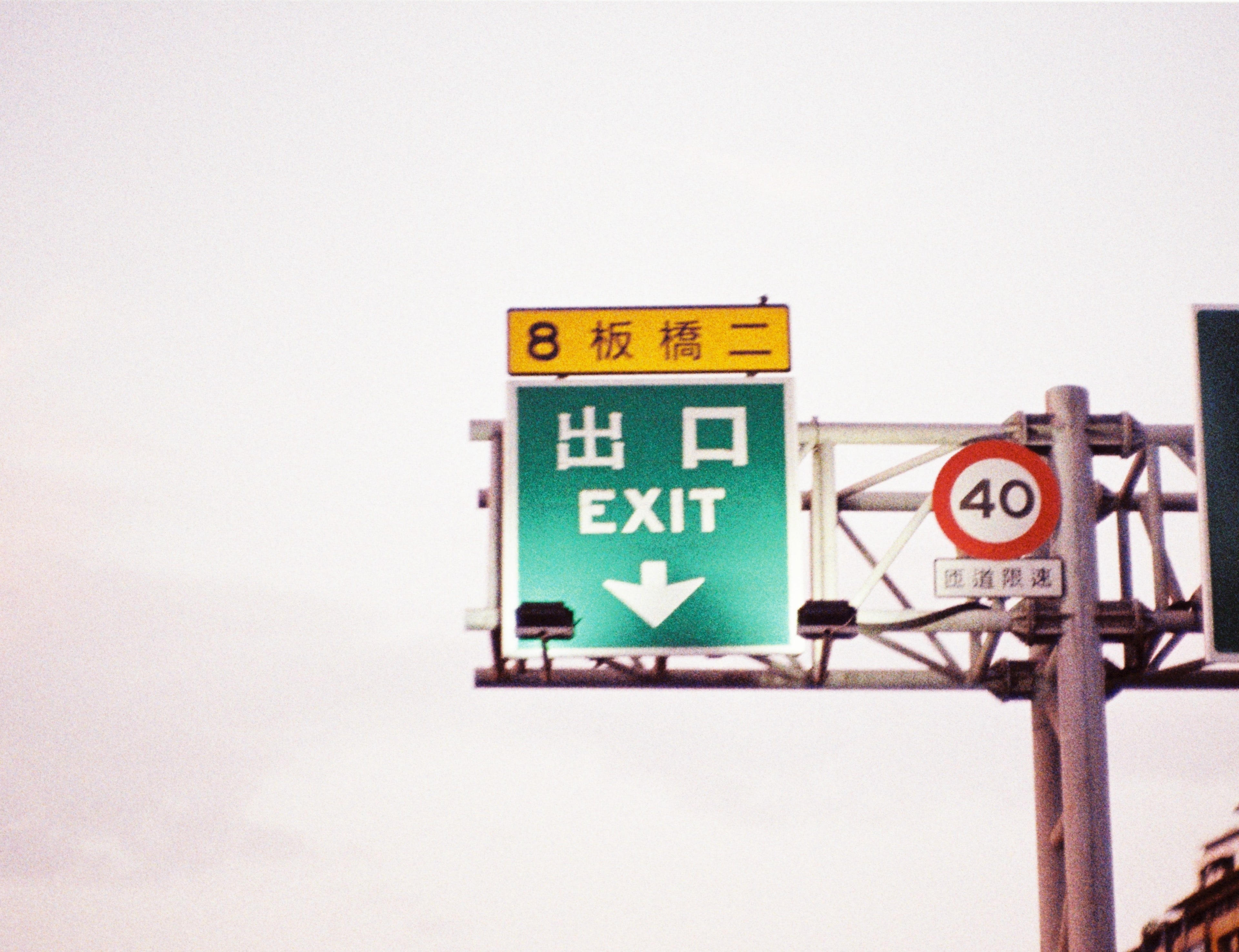
One-handed shot from a moving car, with the Pentax Auto 110 at telephoto. Avoiding camera shake here is genuinely challenging.
Pentax-110 20-40mm f2.8 @40mm
#5
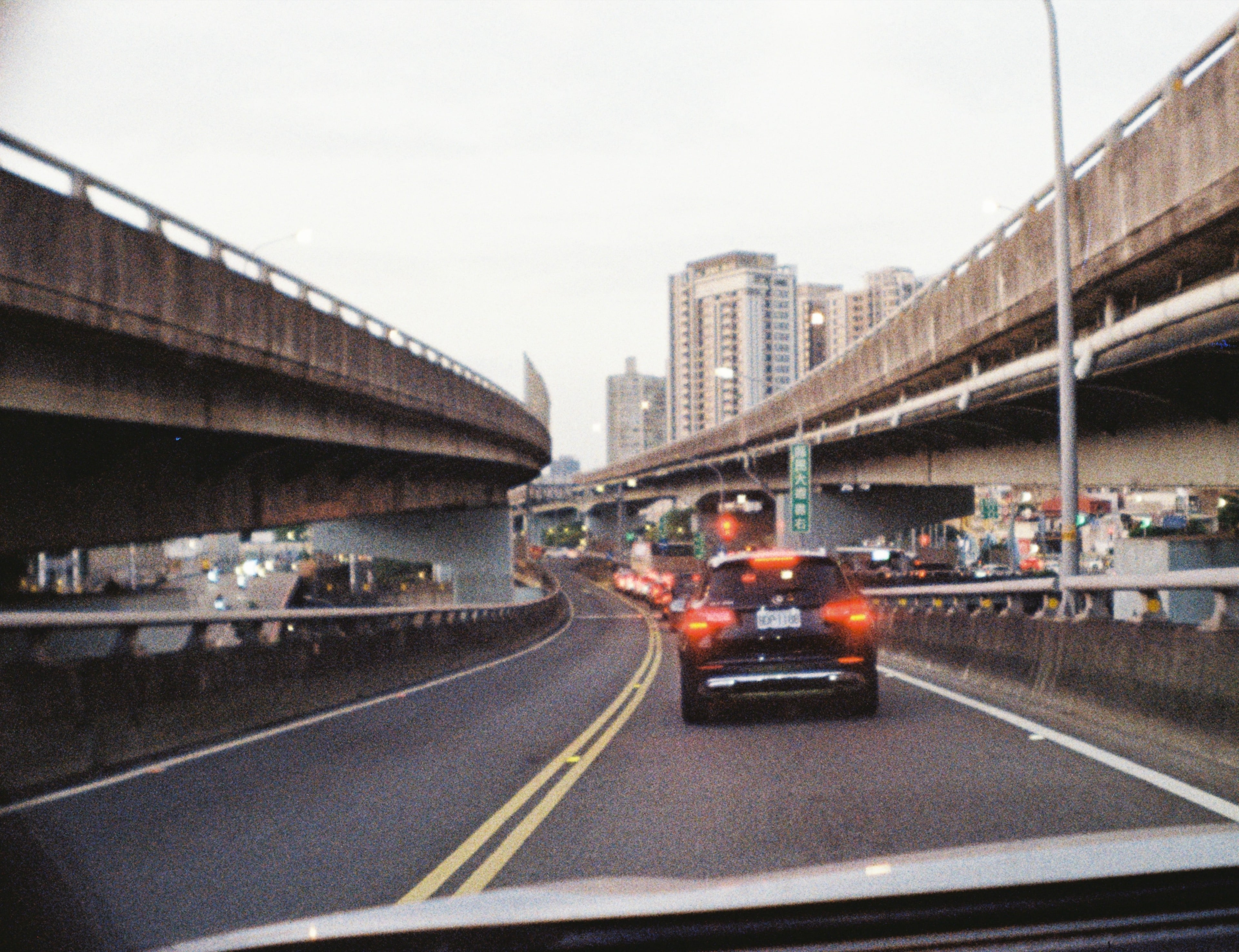
One of the most appealing things about film is how light sources bloom and spread naturally — something that's very hard to replicate in digital, and that no filter quite captures.
Pentax-110 20-40mm f2.8 @20mm
#6
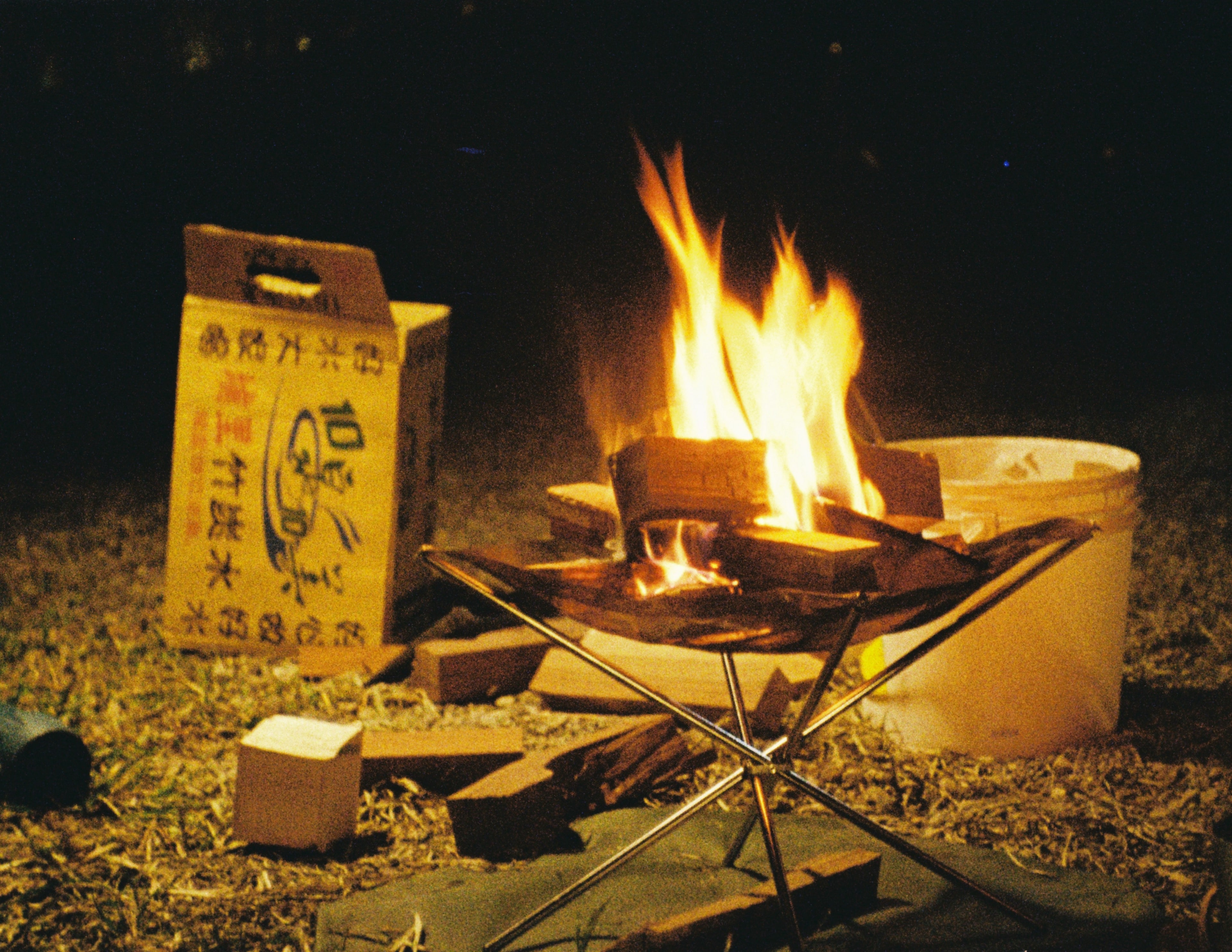
Campfire from a camping trip.
Pentax-110 20-40mm f2.8 @40mm
#7
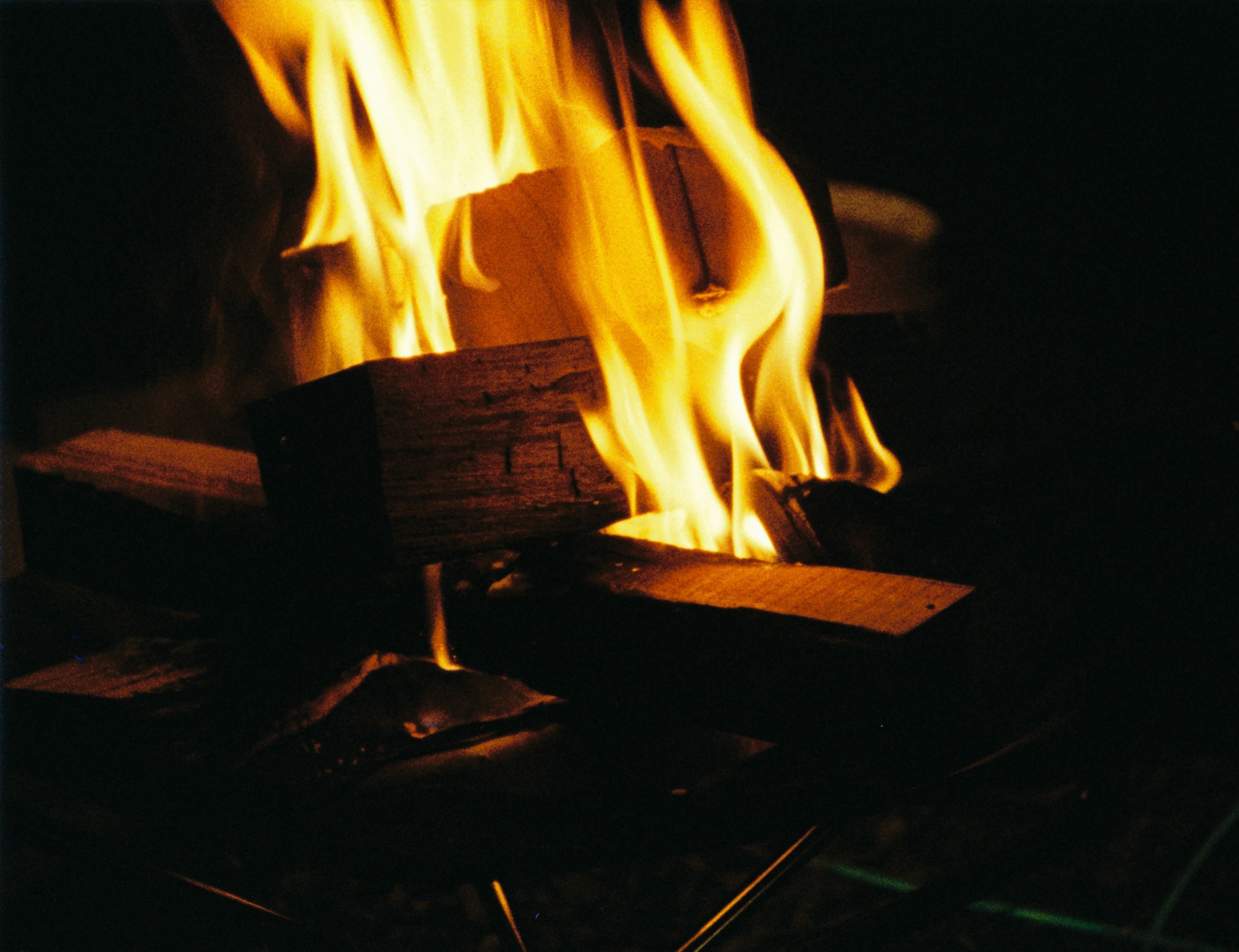
Probably at minimum focus distance.
Pentax-110 20-40mm f2.8 @40mm
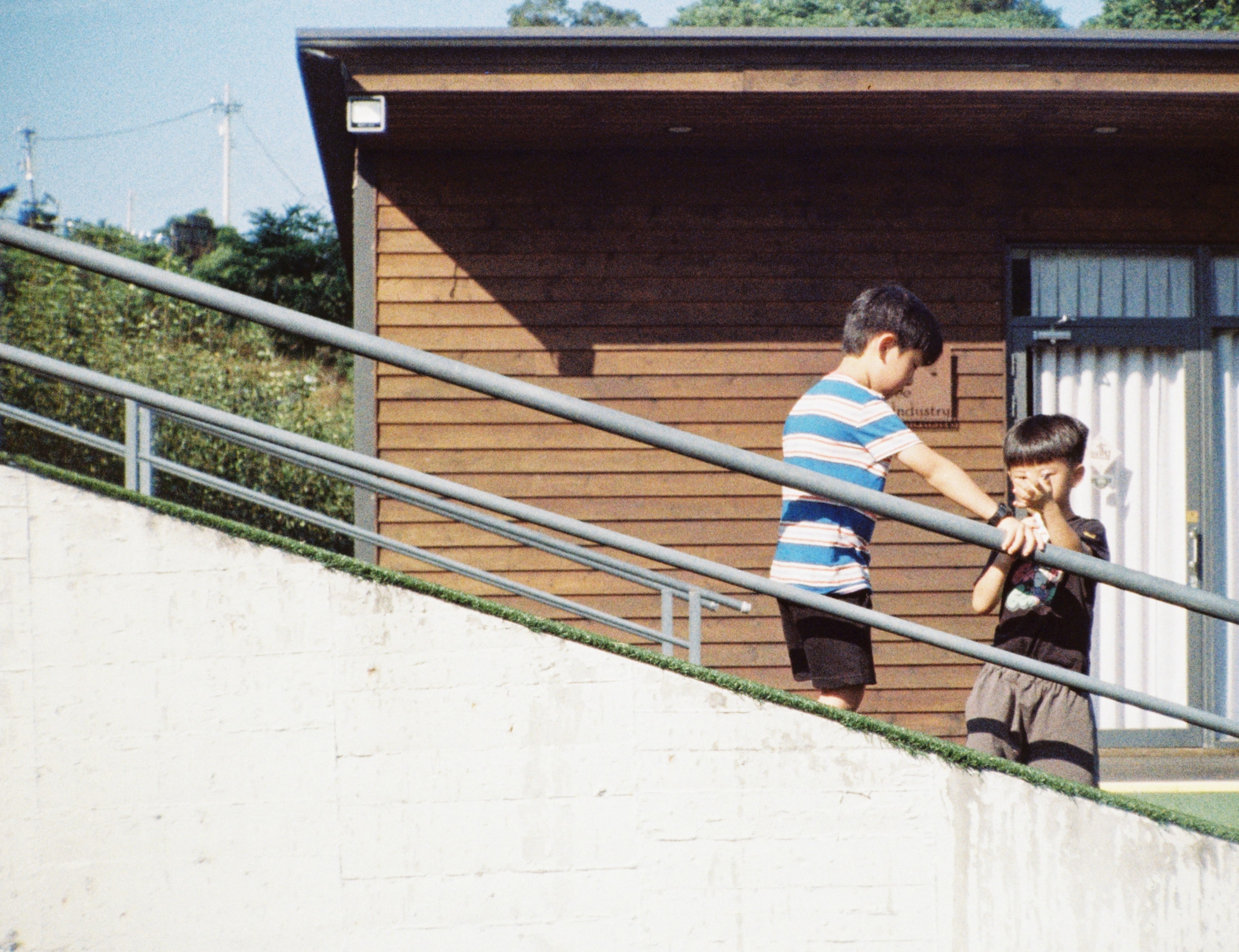
#8
The morning after camping. With a 110-format camera, forget about bokeh — let alone subject separation.
Pentax-110 20-40mm f2.8 @40mm
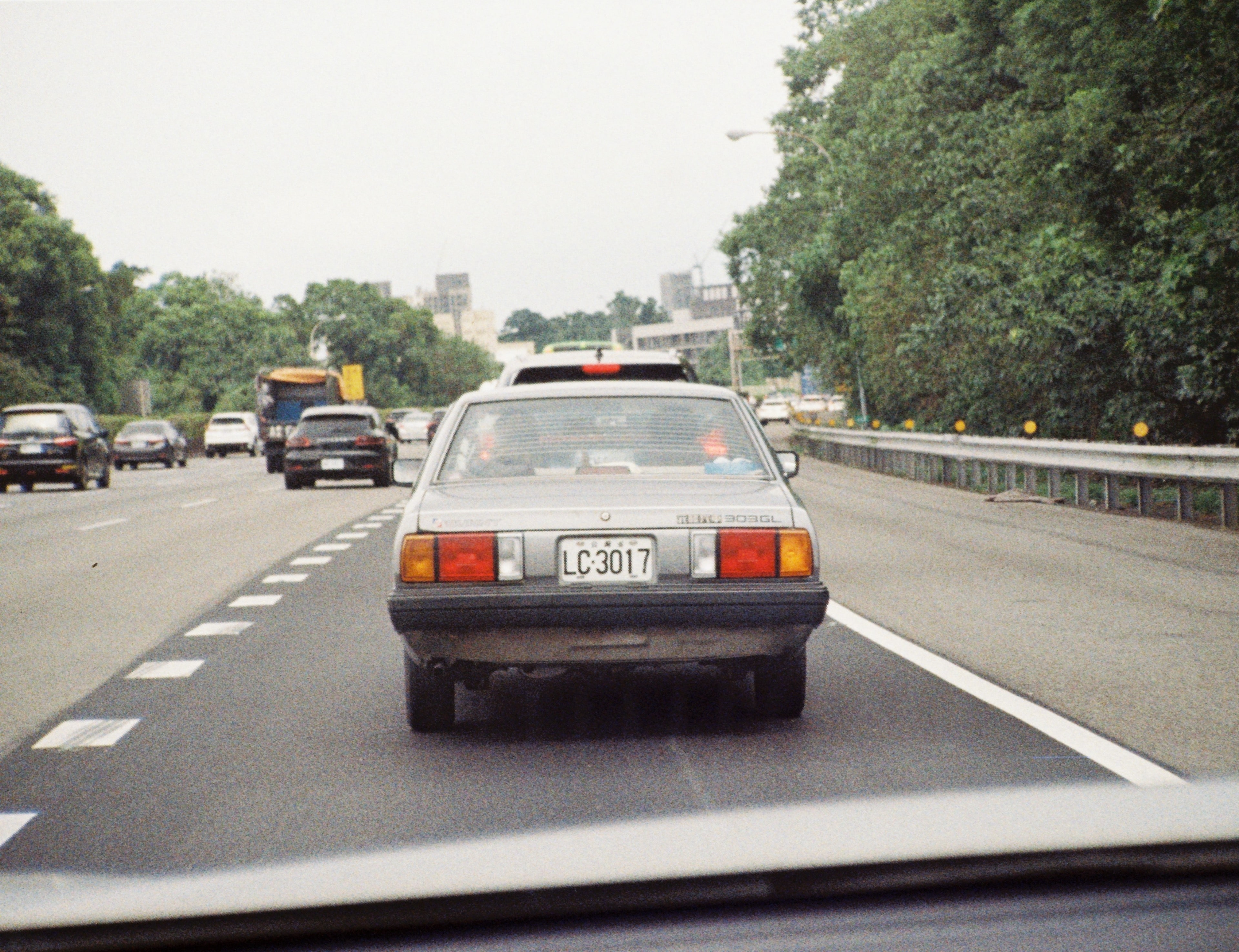
#9
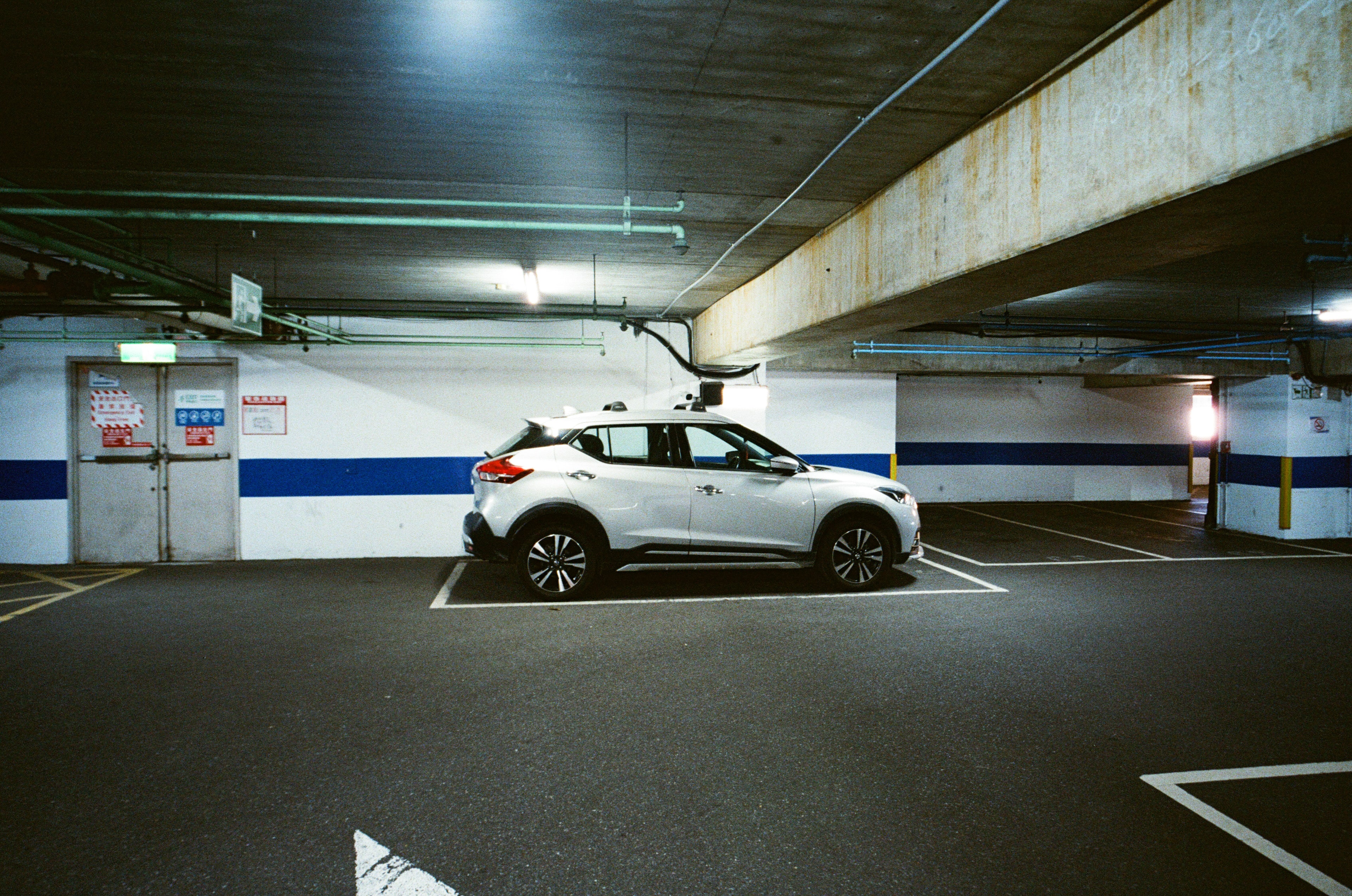
You only start finding old cars beautiful when you're grown up. Maybe beauty requires being different from everything around it.
Pentax-110 20-40mm f2.8 @40mm
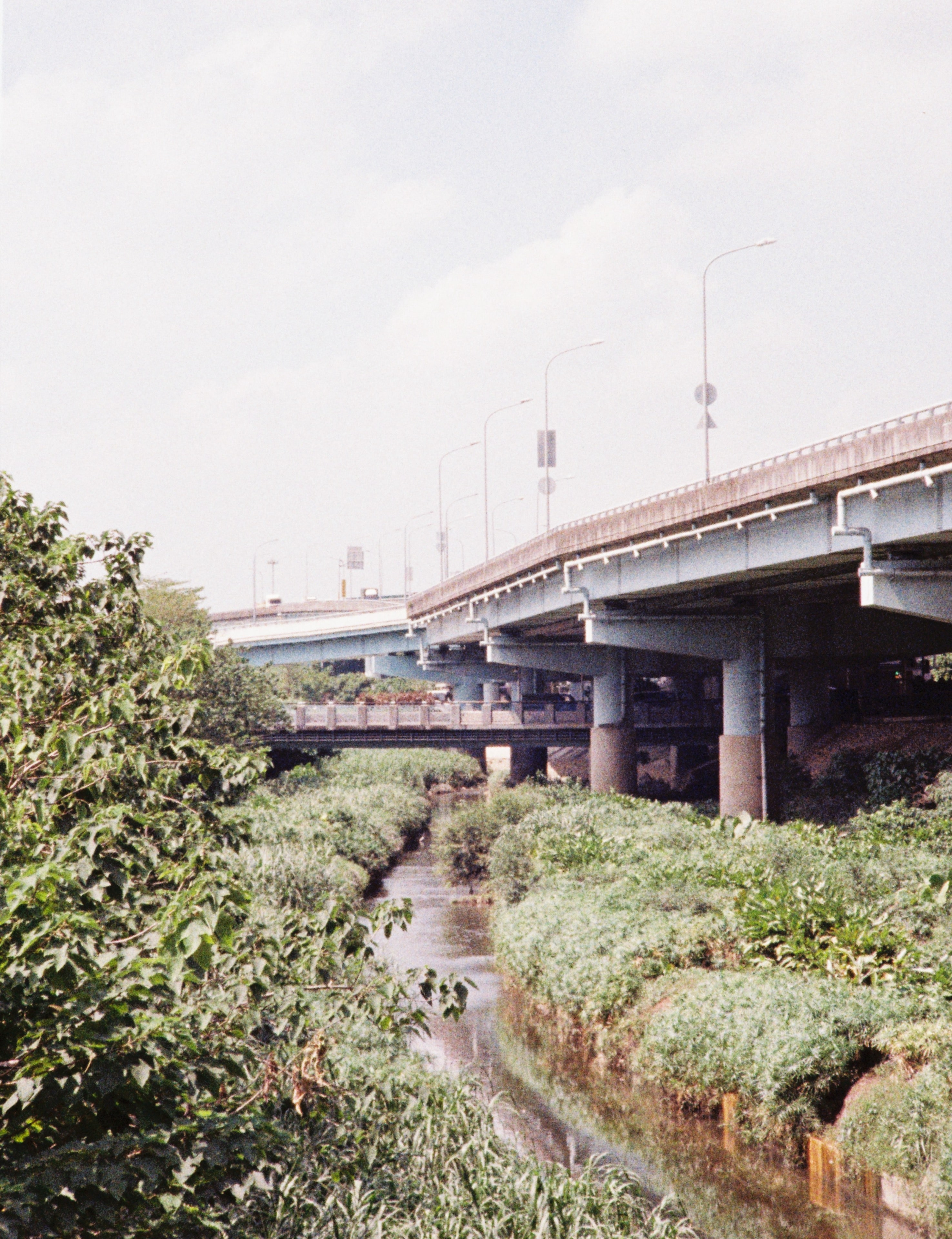
#10
Monday. Passing by on the way to a client site. I spend every Monday working on-site at a client's office, which is how I've come to experience my own version of the Monday Blues.
Pentax-110 50mm f2.8
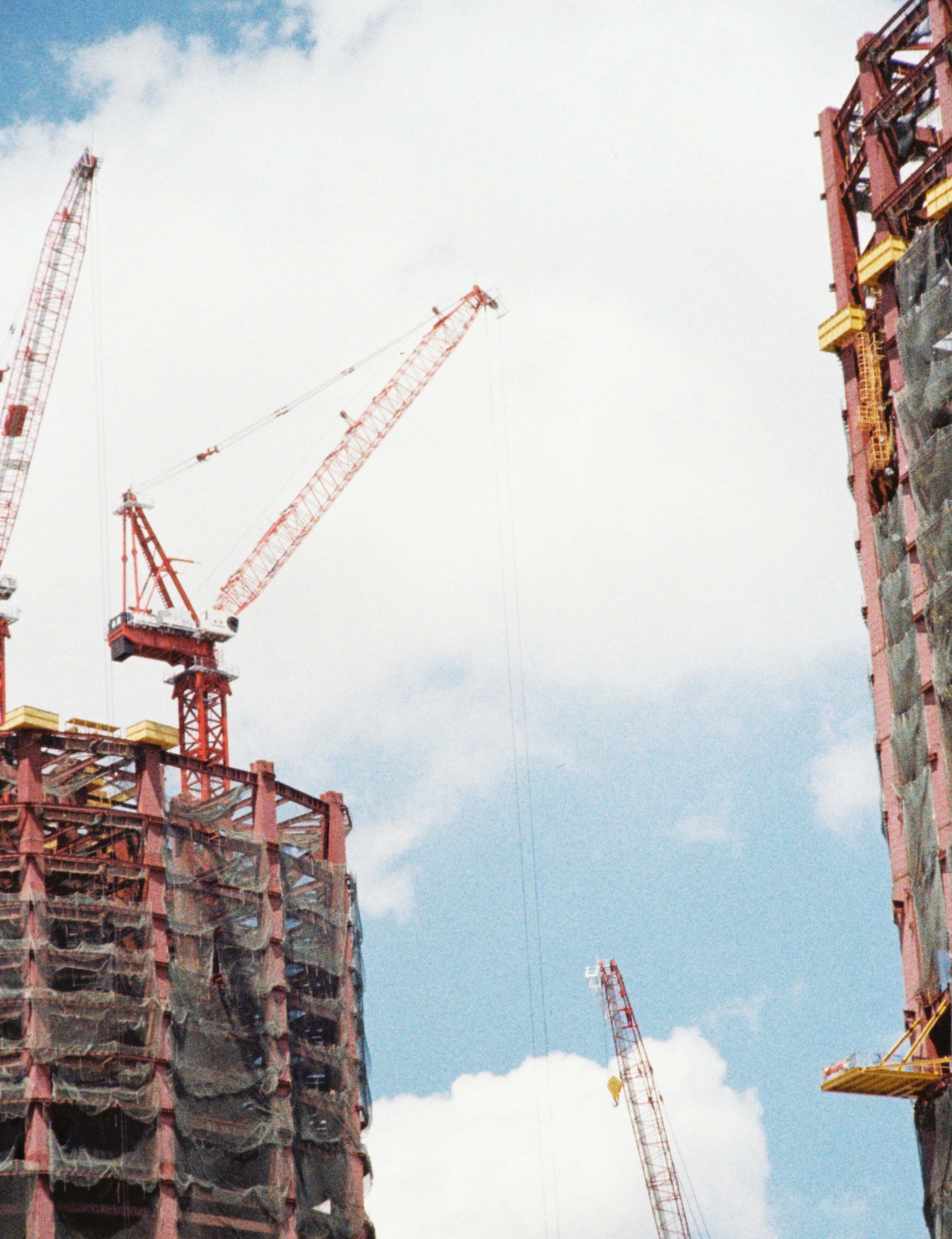
#11
I believe that within twenty years, most high-rise construction work will be done by robots — or at least by some kind of machine.
Pentax-110 50mm f2.8
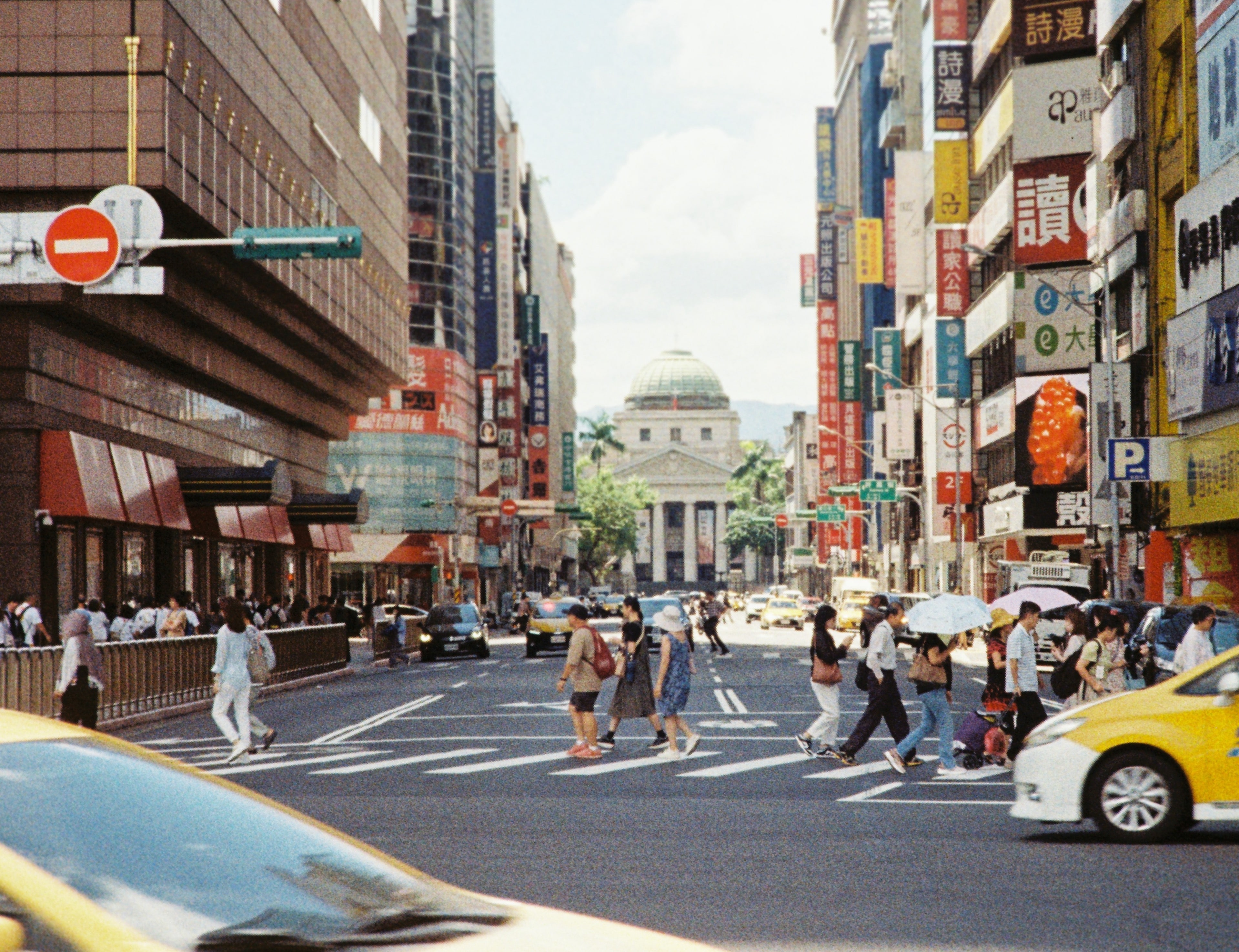
#12
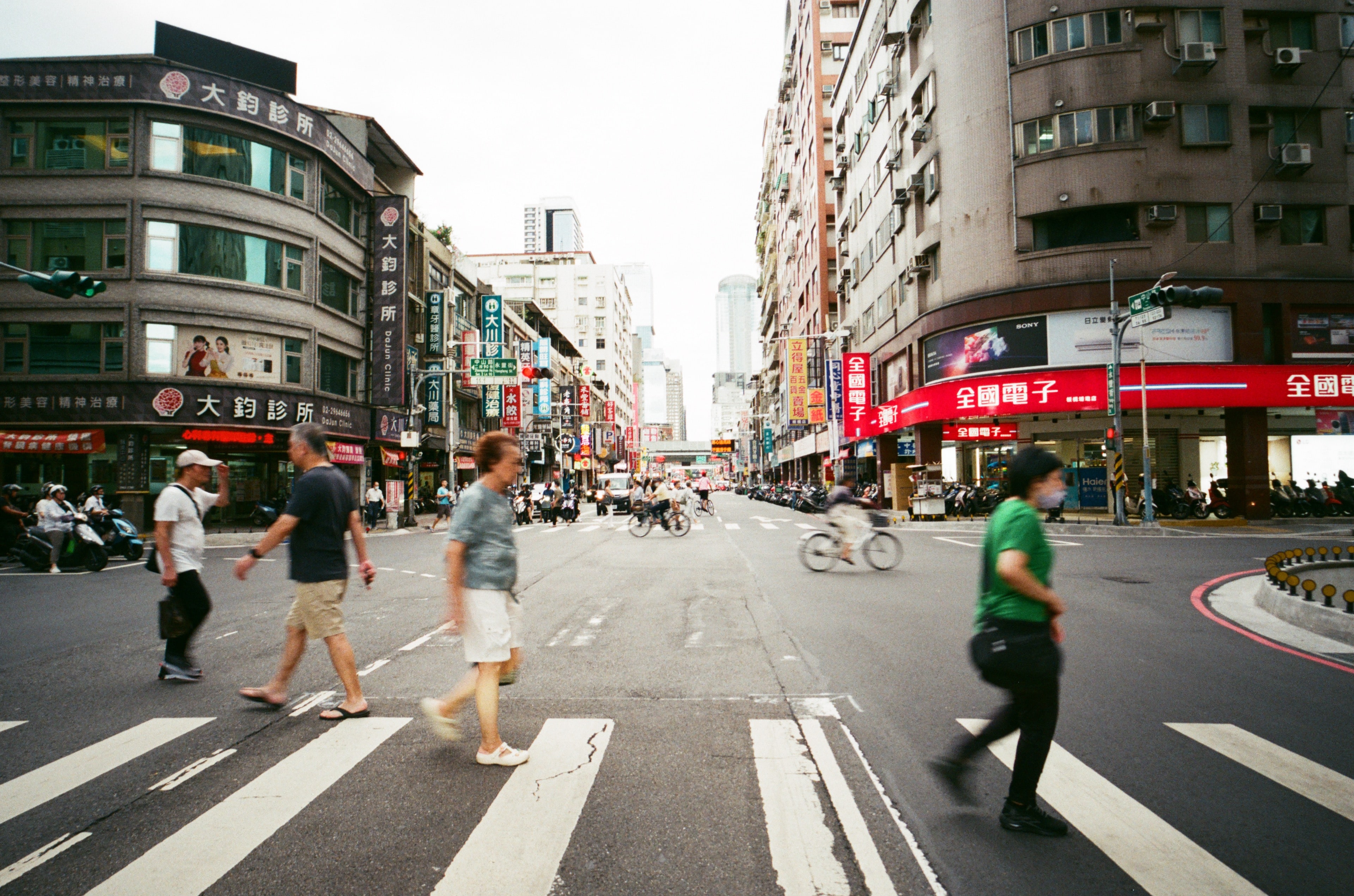
Raised the camera mid-crosswalk.
Pentax-110 50mm f2.8
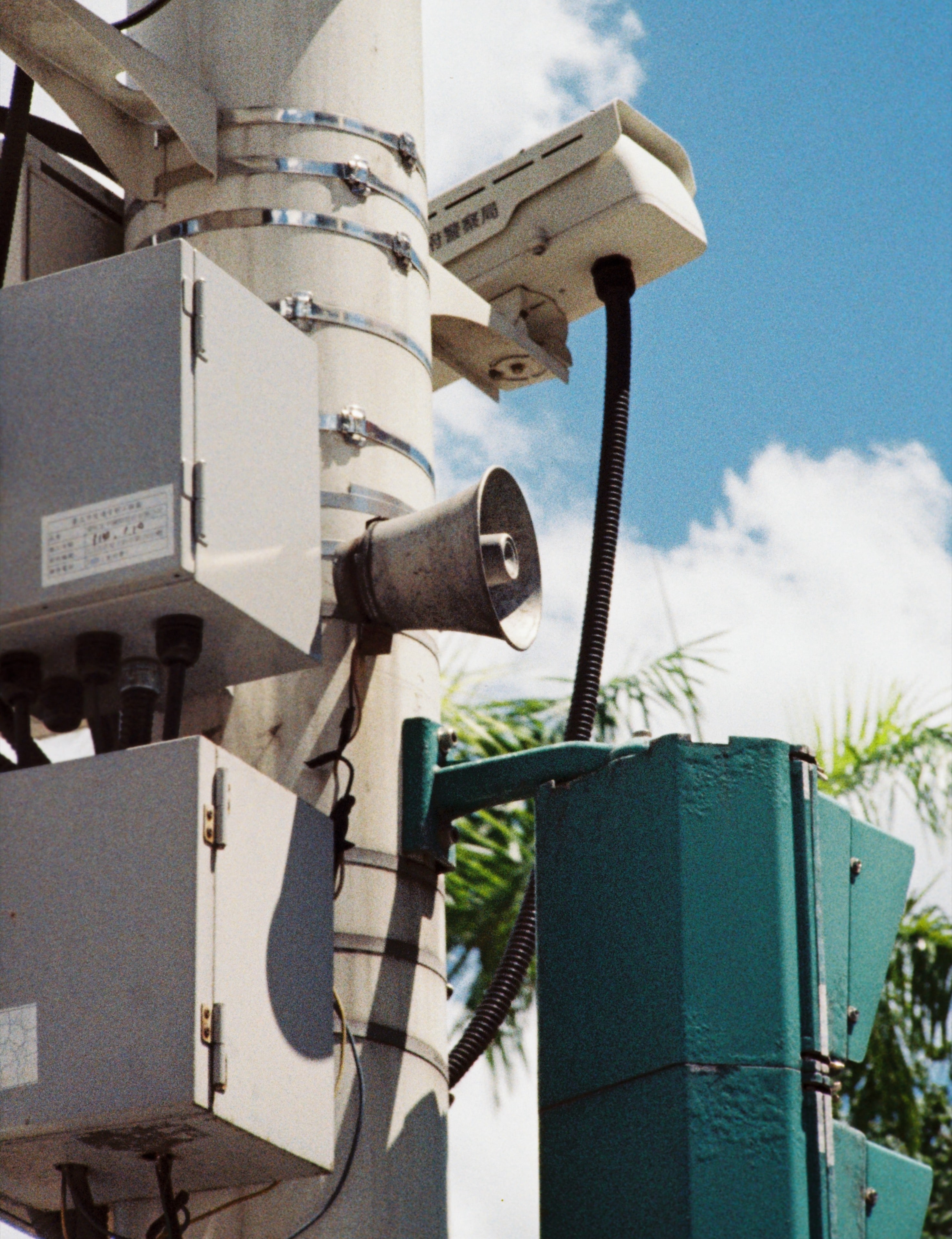
#13
Just testing the telephoto bokeh.
Pentax-110 50mm f2.8
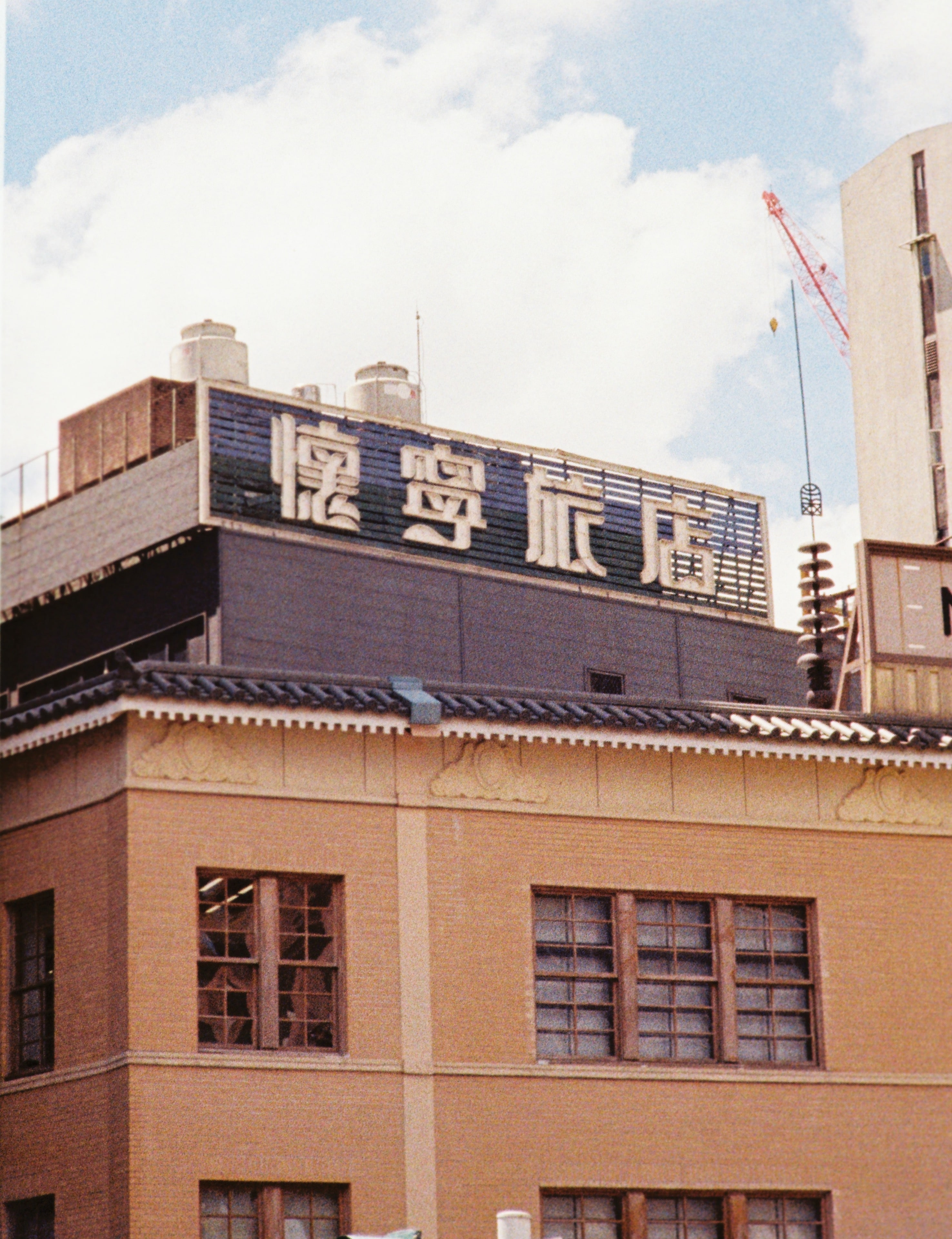
#14
Old-style signage typography on the street always lifts my mood.
Pentax-110 50mm f2.8
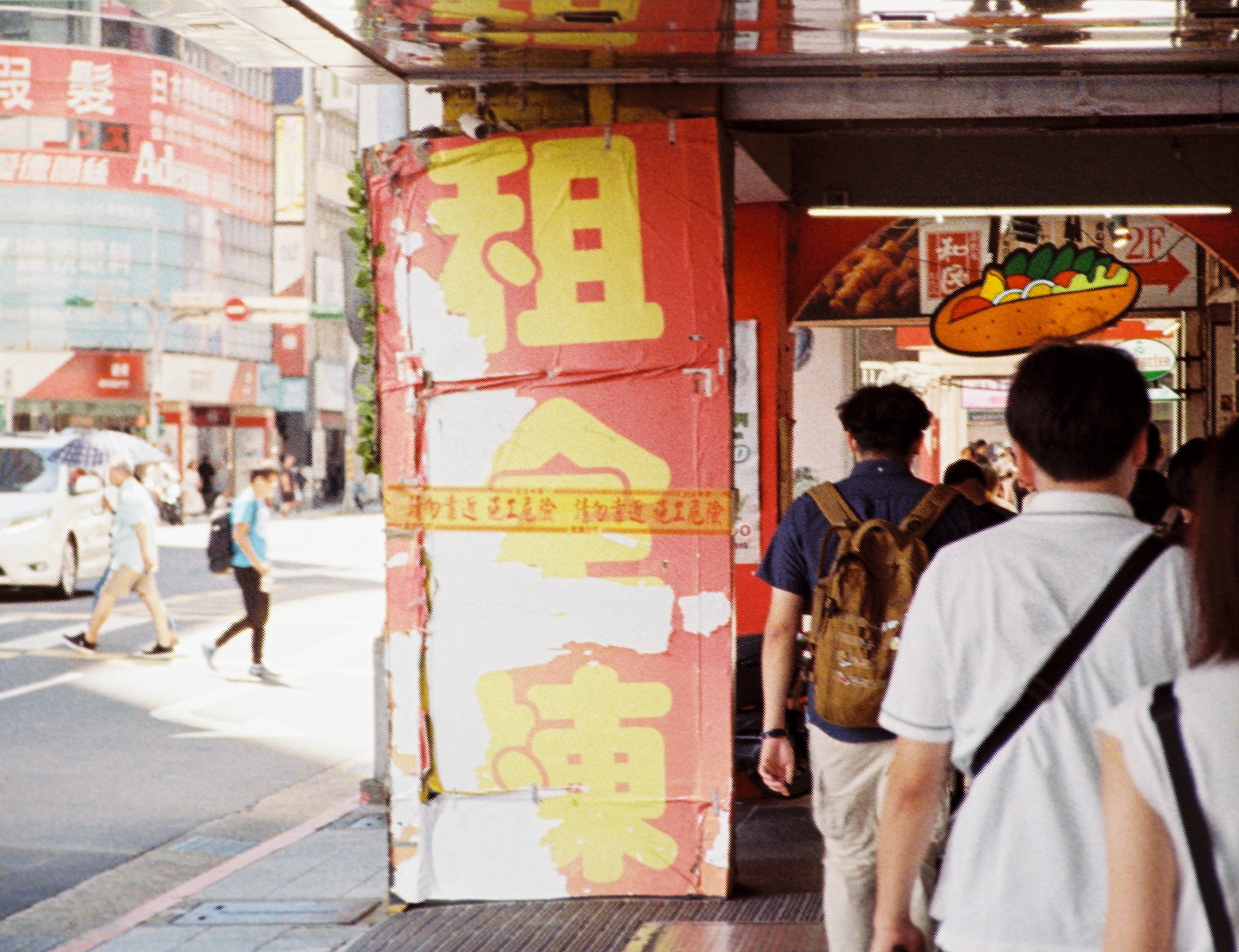
#15
This is also old-style typography — but it doesn't lift my mood. Quite the opposite.
Pentax-110 50mm f2.8
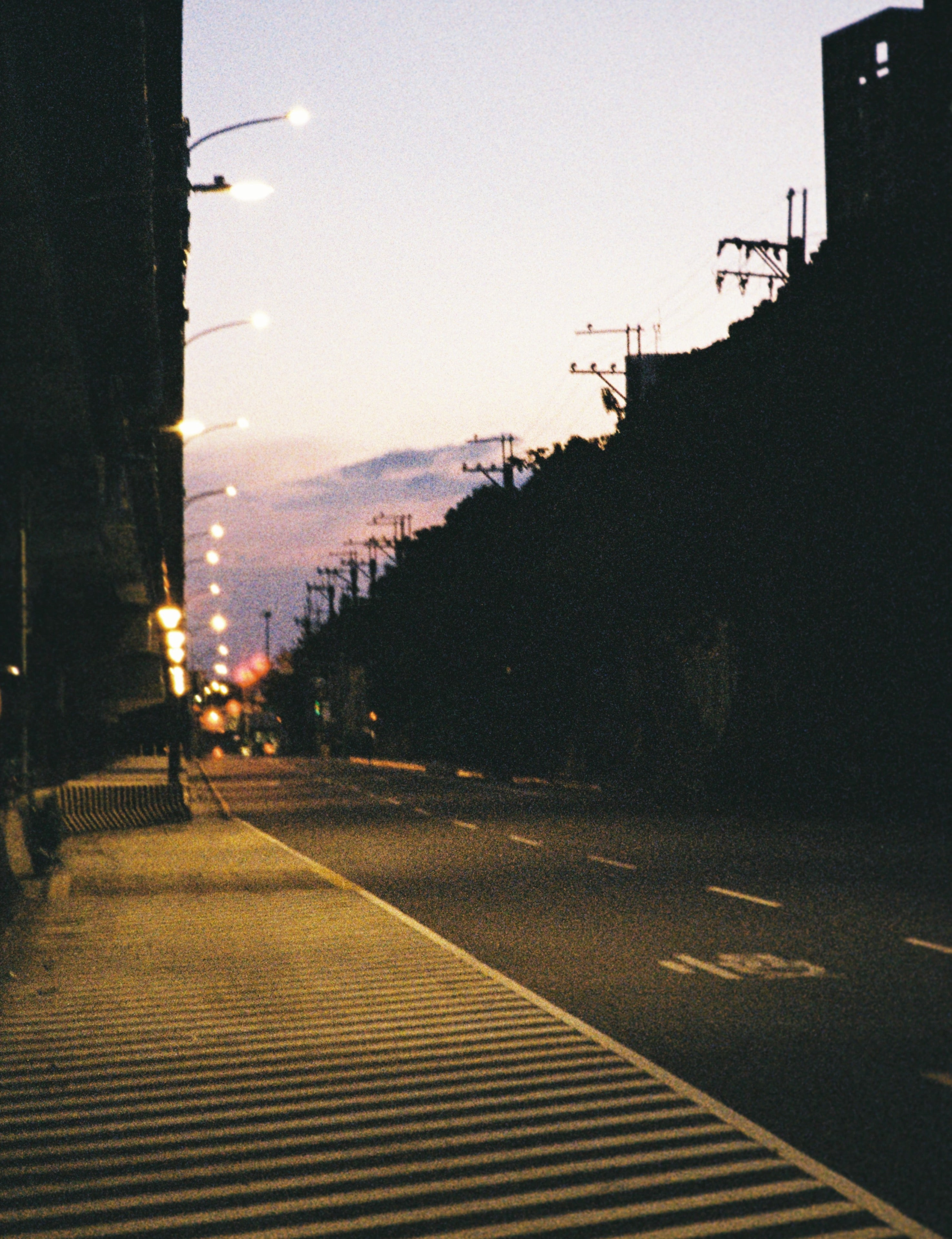
#16
Evening colors.
Pentax-110 50mm f2.8 (flash-blocked)
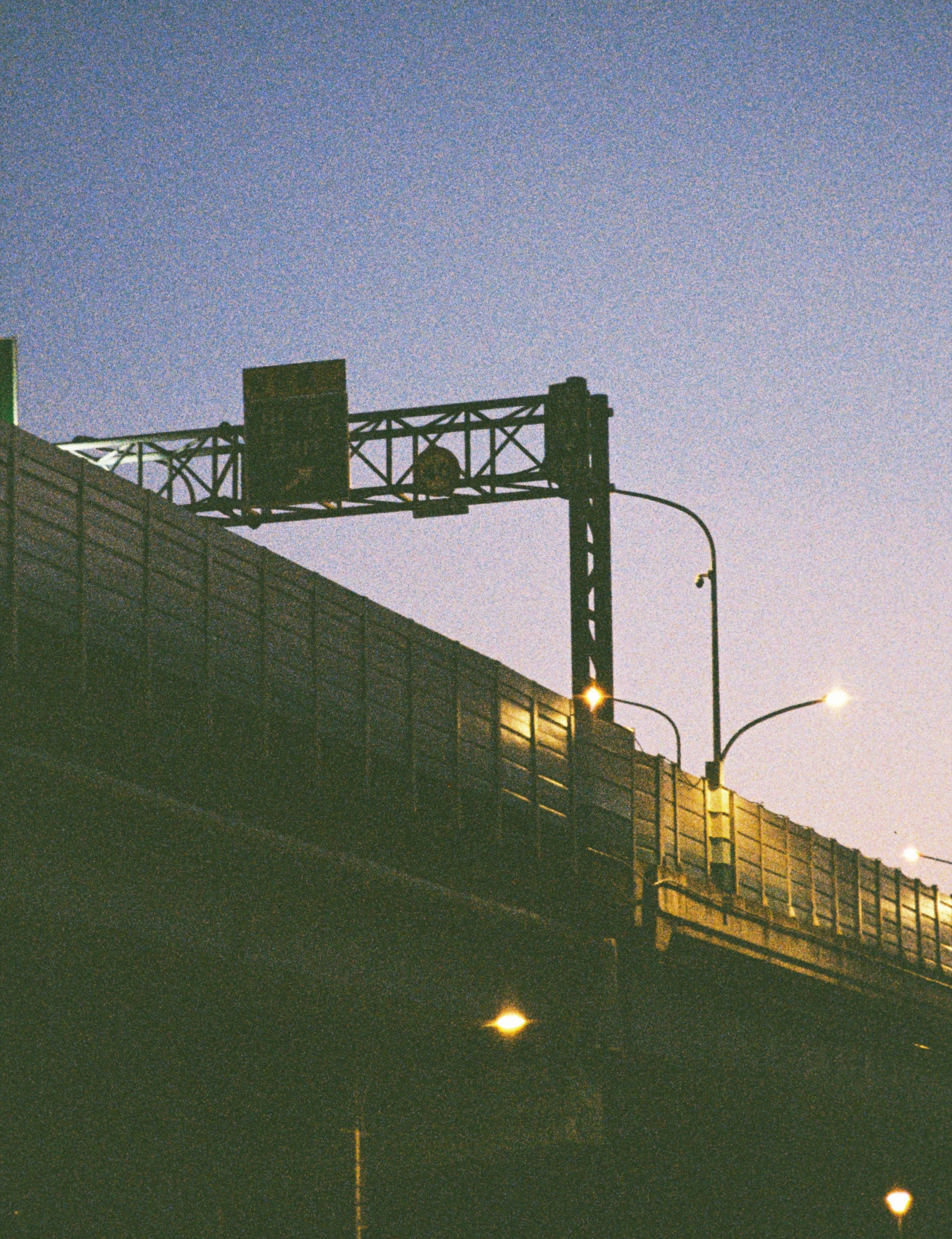
#17
I'm genuinely impressed by how sharp this telephoto night shot came out, handheld without a tripod. Back when I first got the Pentax Auto 110, I didn't know the flash-block technique — after dark, everything was just a blur.
Pentax-110 50mm f2.8 (flash-blocked)
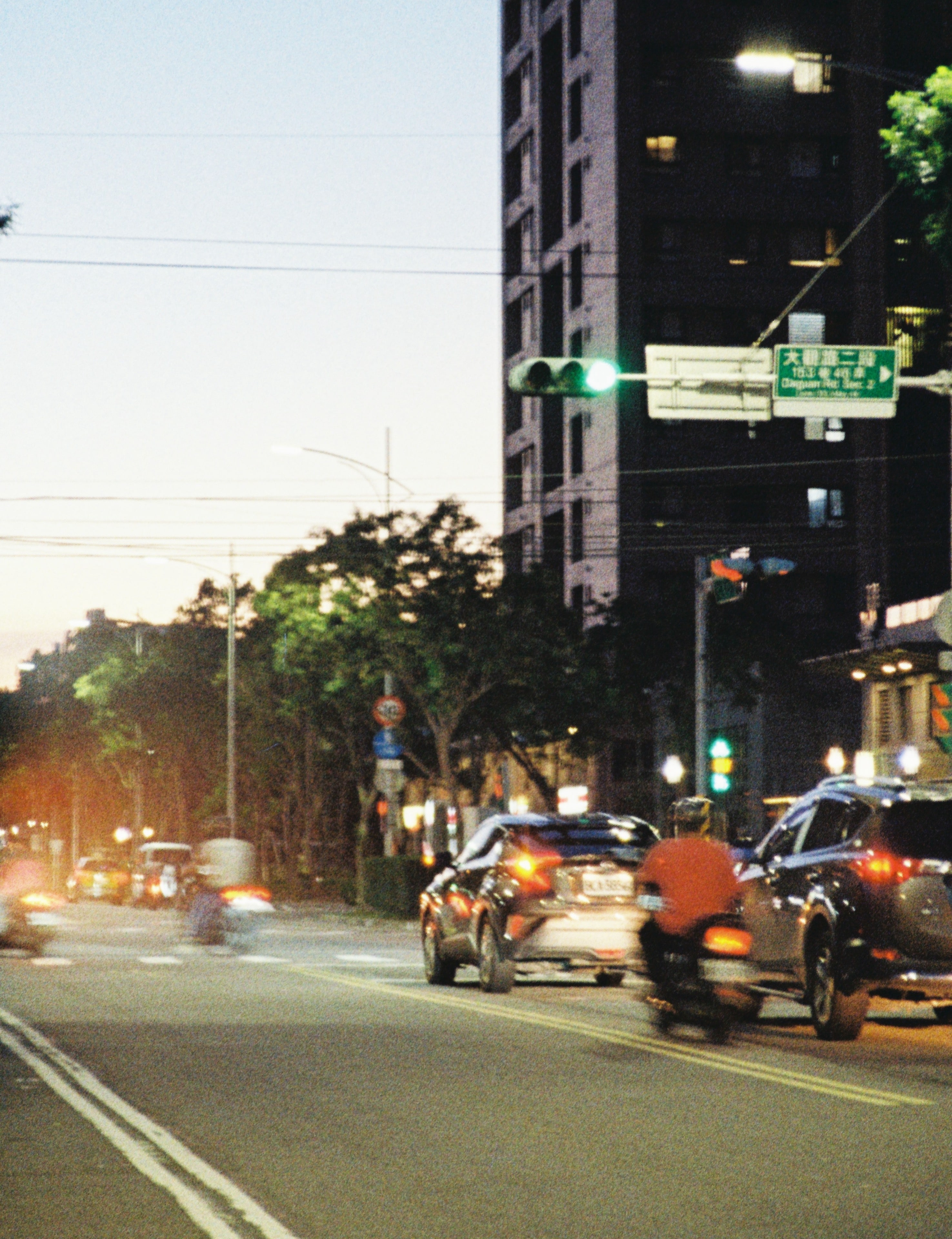
#18
What it looks like without the flash-block: total blur.
Pentax-110 50mm f2.8 (Auto mode)
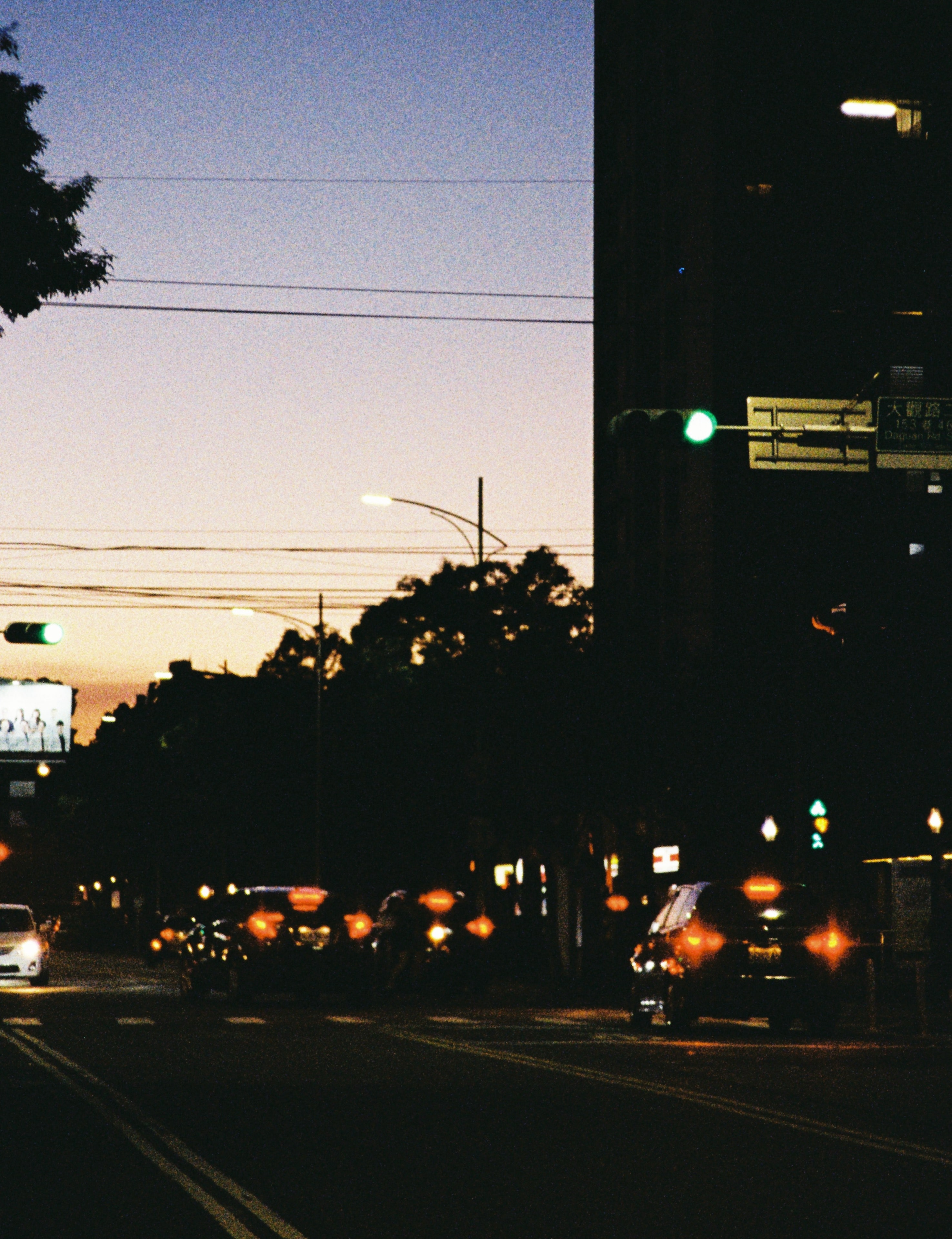
#19
Block the flash, and the whole image cleans right up.
Pentax-110 50mm f2.8 (flash-blocked)
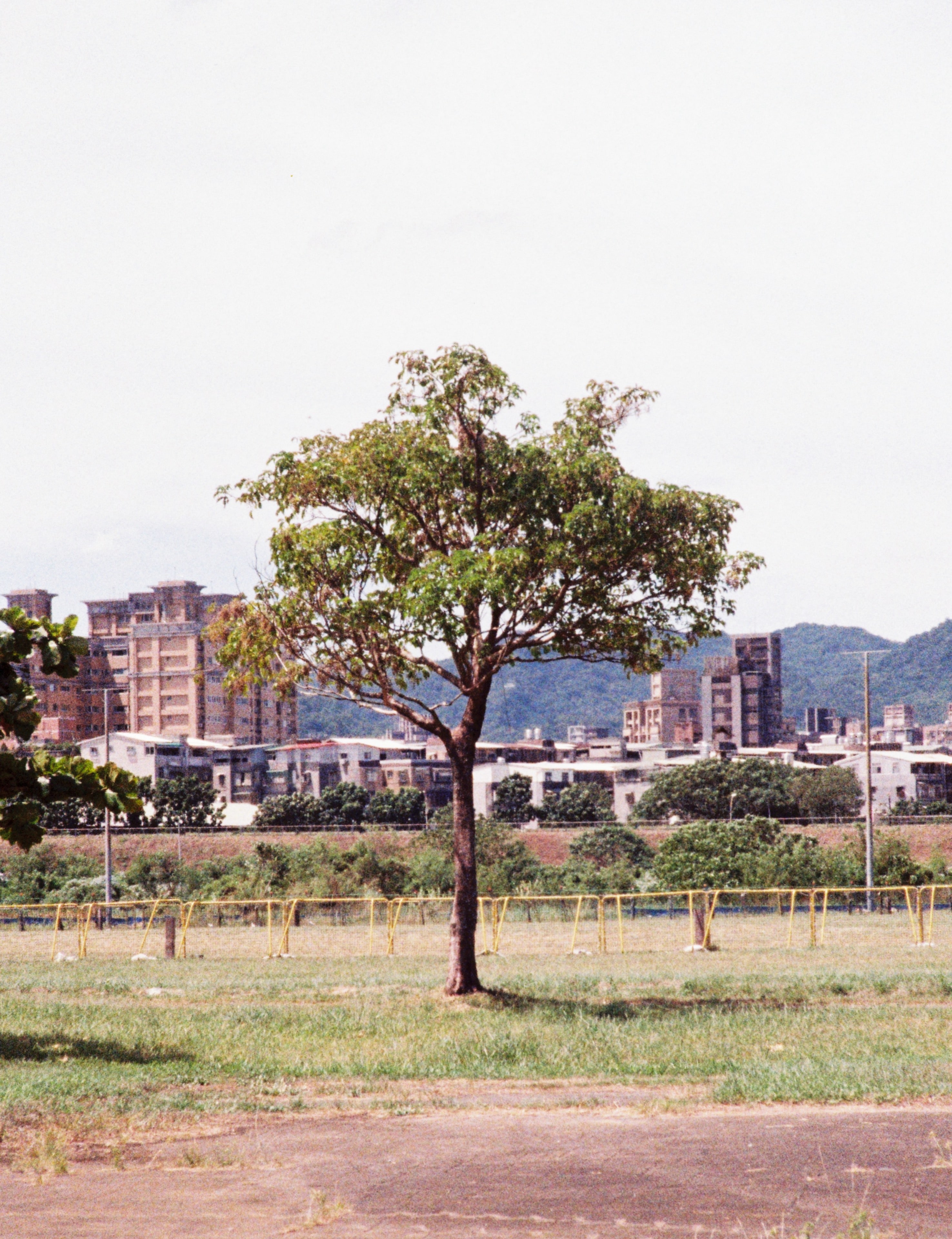
#20
If you've ever held a 110 cartridge and seen how small the actual frame is, it's hard to believe images this detailed can come from it. The tree again.
Pentax-110 50mm f2.8
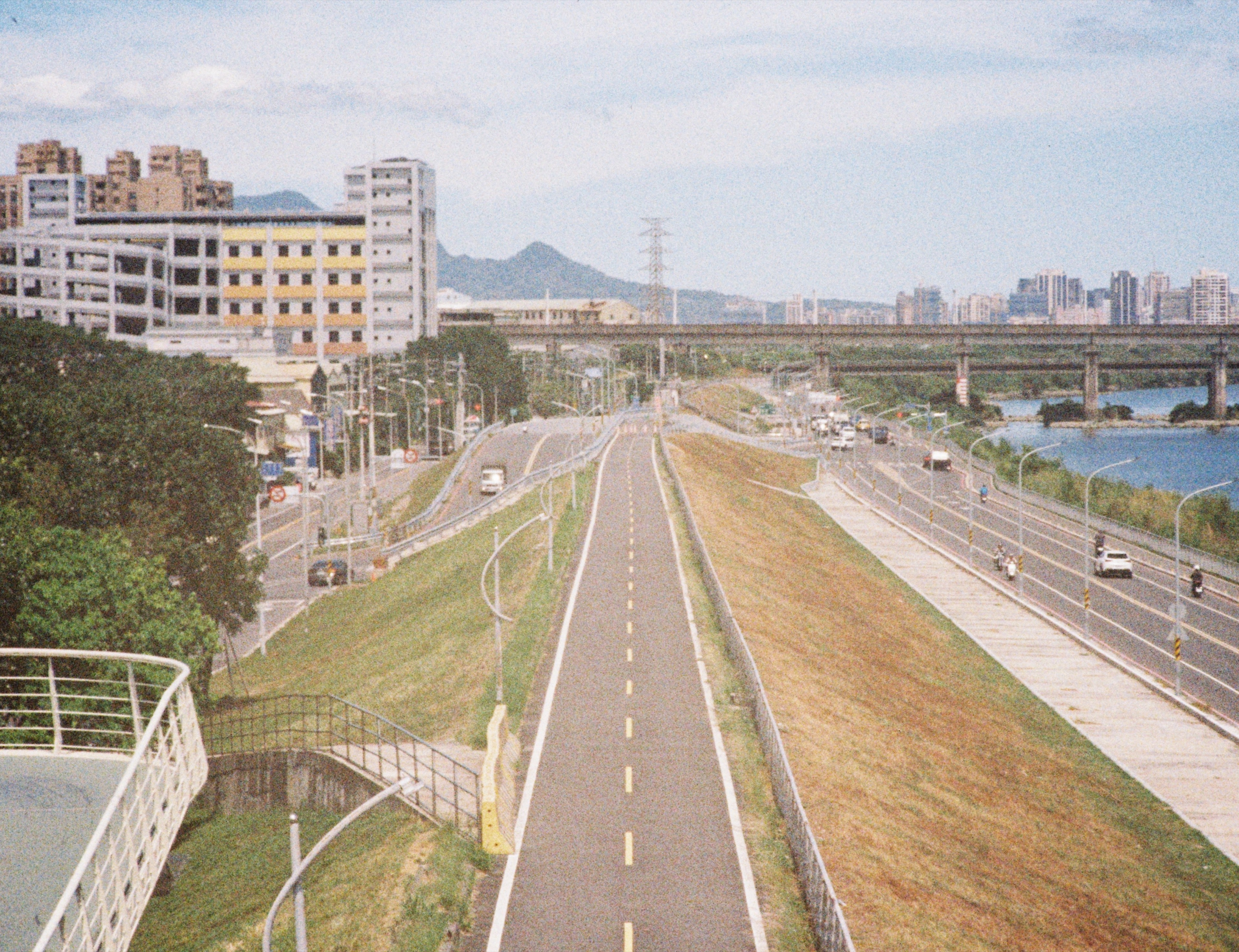
#21
Against strong light, the Pentax Auto 110 will sometimes just blow out completely.
Pentax-110 50mm f2.8
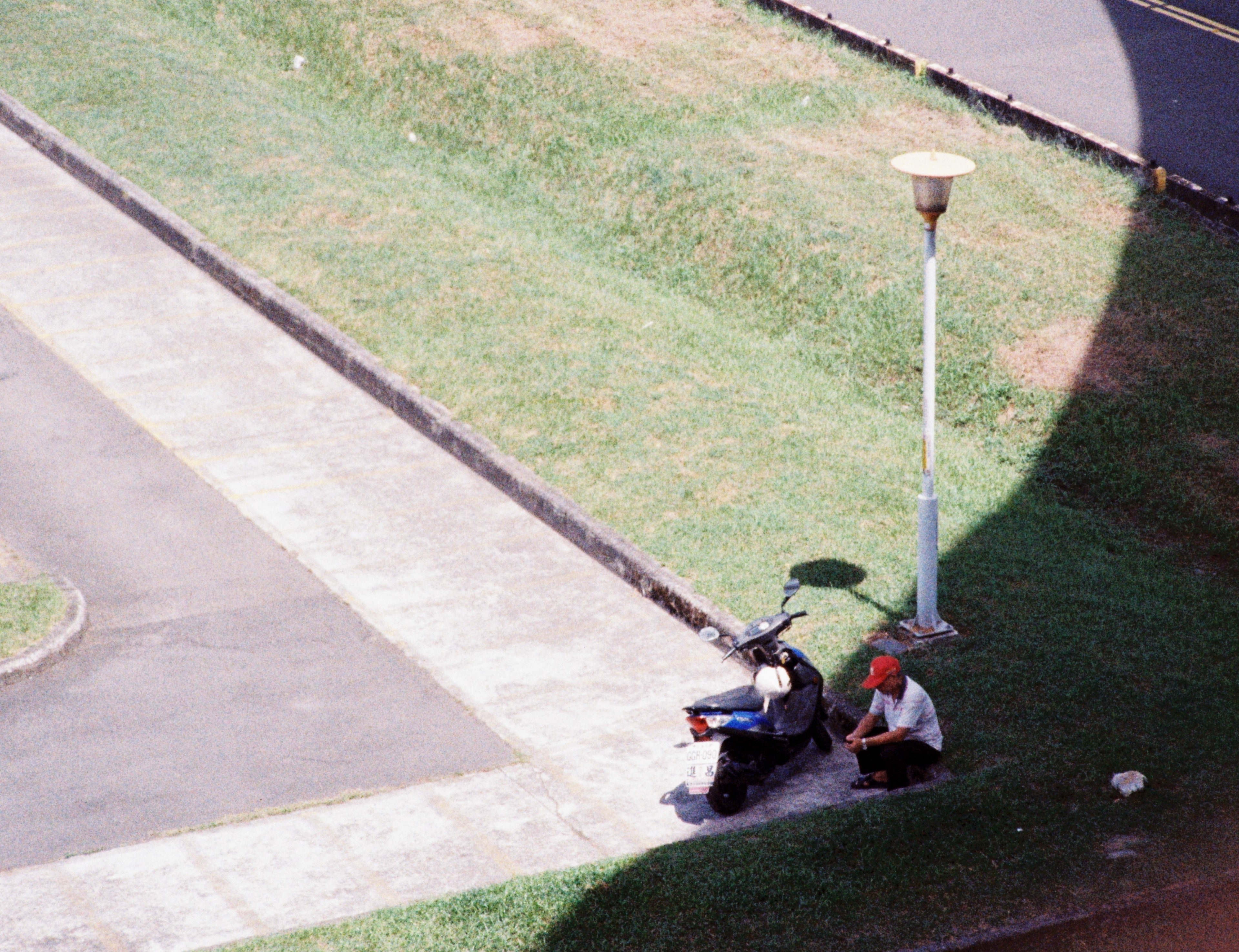
#22
That temperature drop is completely relatable.
Pentax-110 50mm f2.8
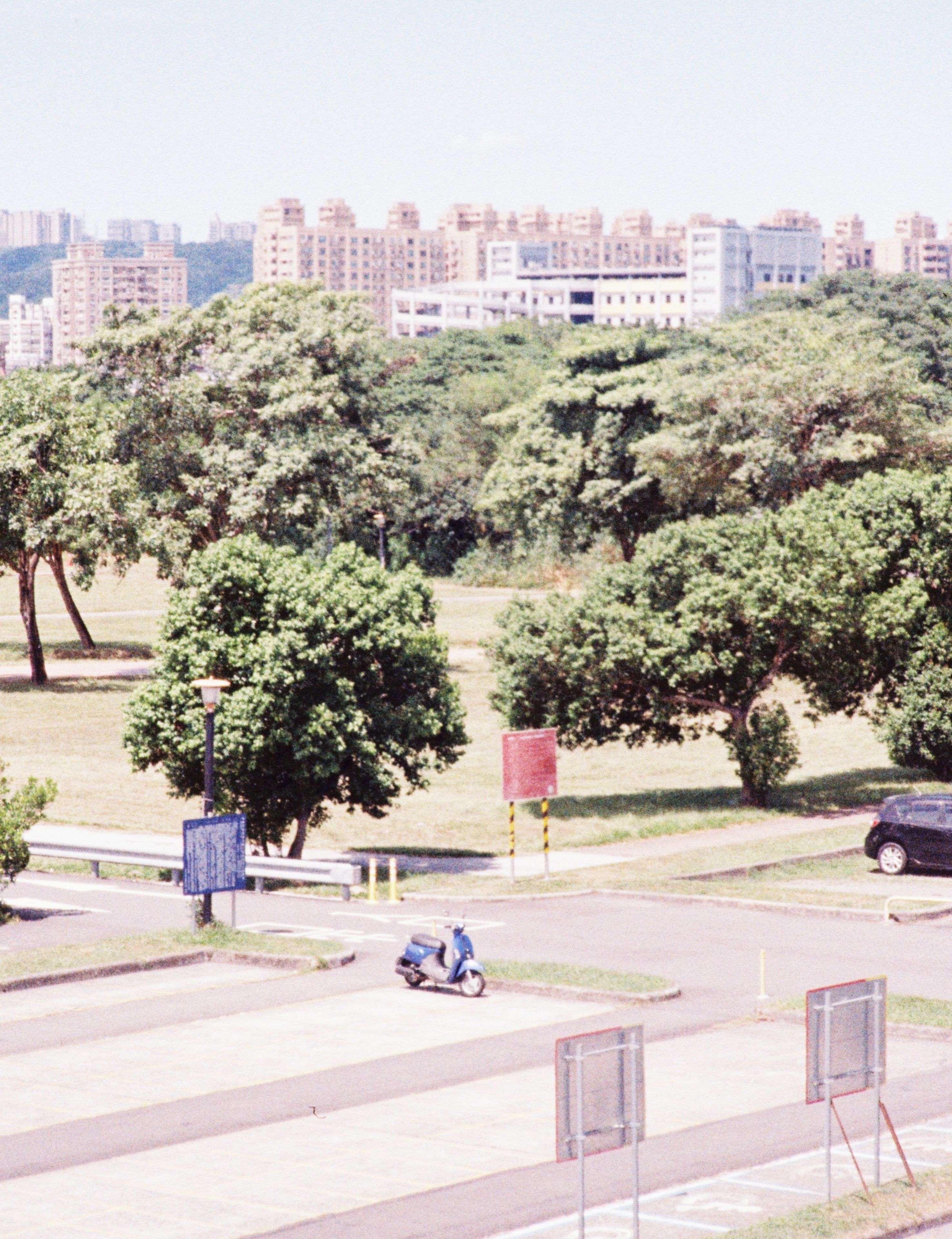
#23
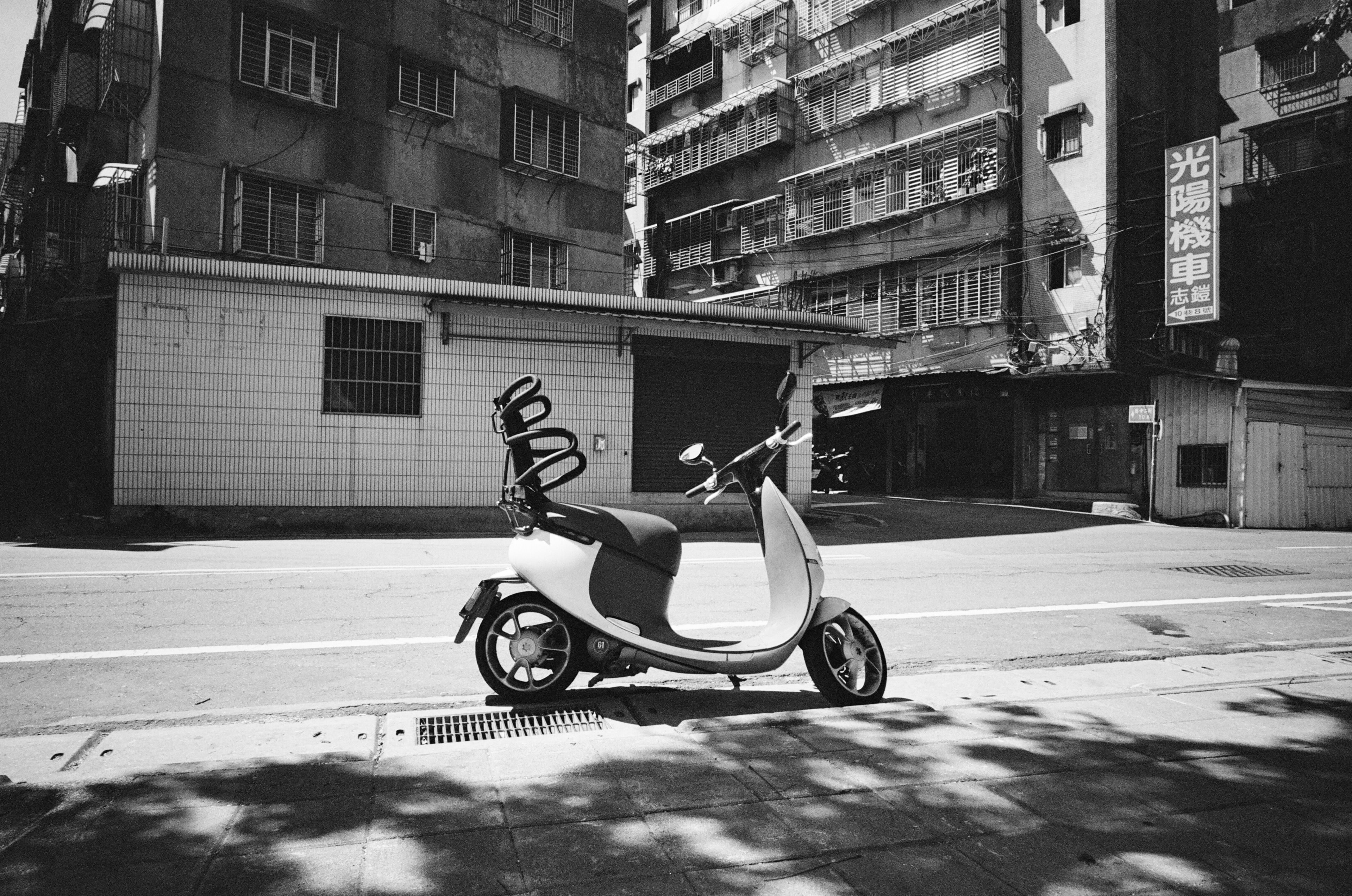
Too hot for cars.
Pentax-110 50mm f2.8
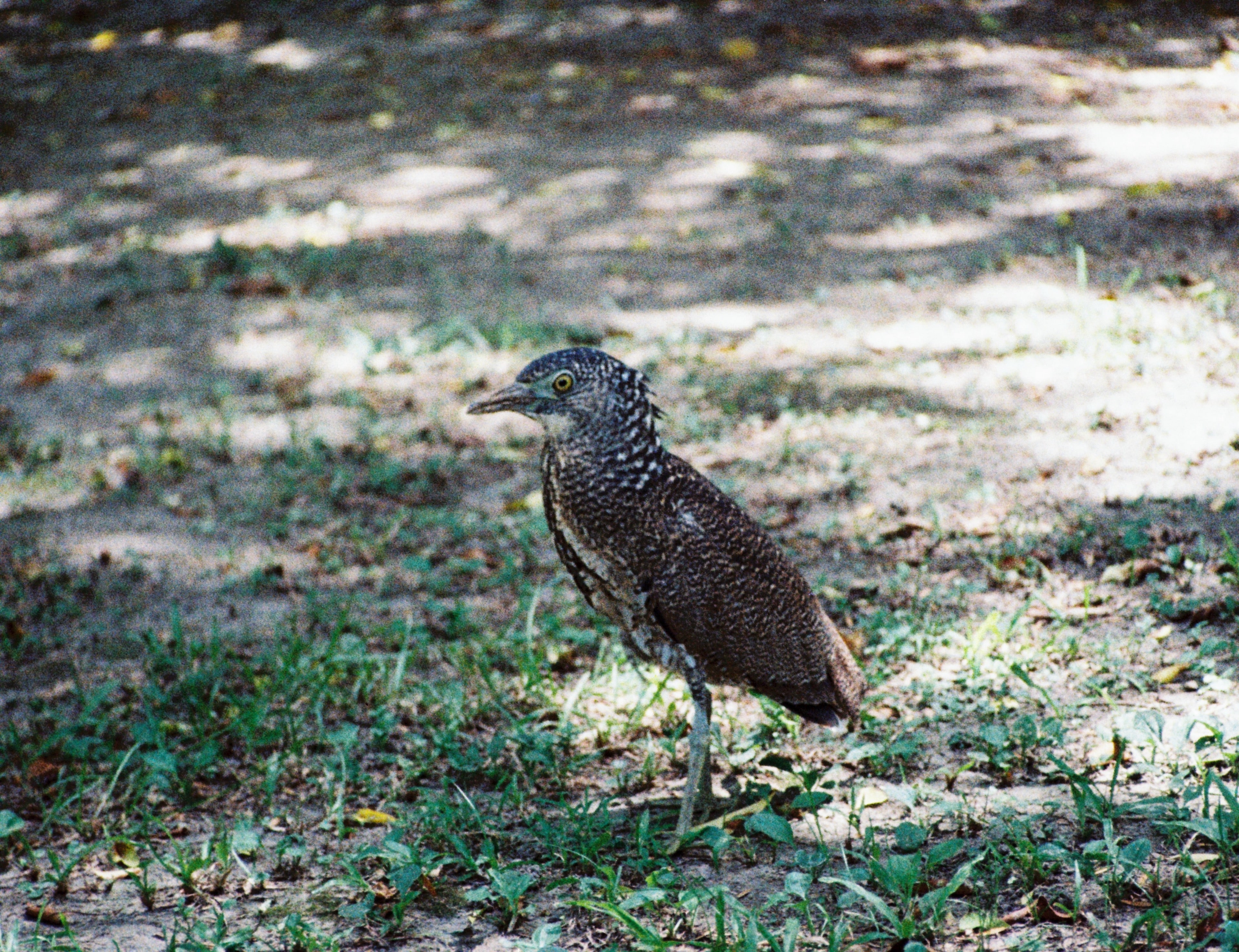
#24
Haven't photographed a Malayan night heron in a while. For me, this bird holds a particular kind of significance — it was the first bird my son ever learned to identify. He was still very small, and we'd often see them in the park together. In some way this is a father's memory, even if I admit it's a slightly unusual one to have.
Pentax-110 50mm f2.8
-
That's this roll — Pentax Auto 110 Super with Lomography Tiger 200. Thanks for reading.