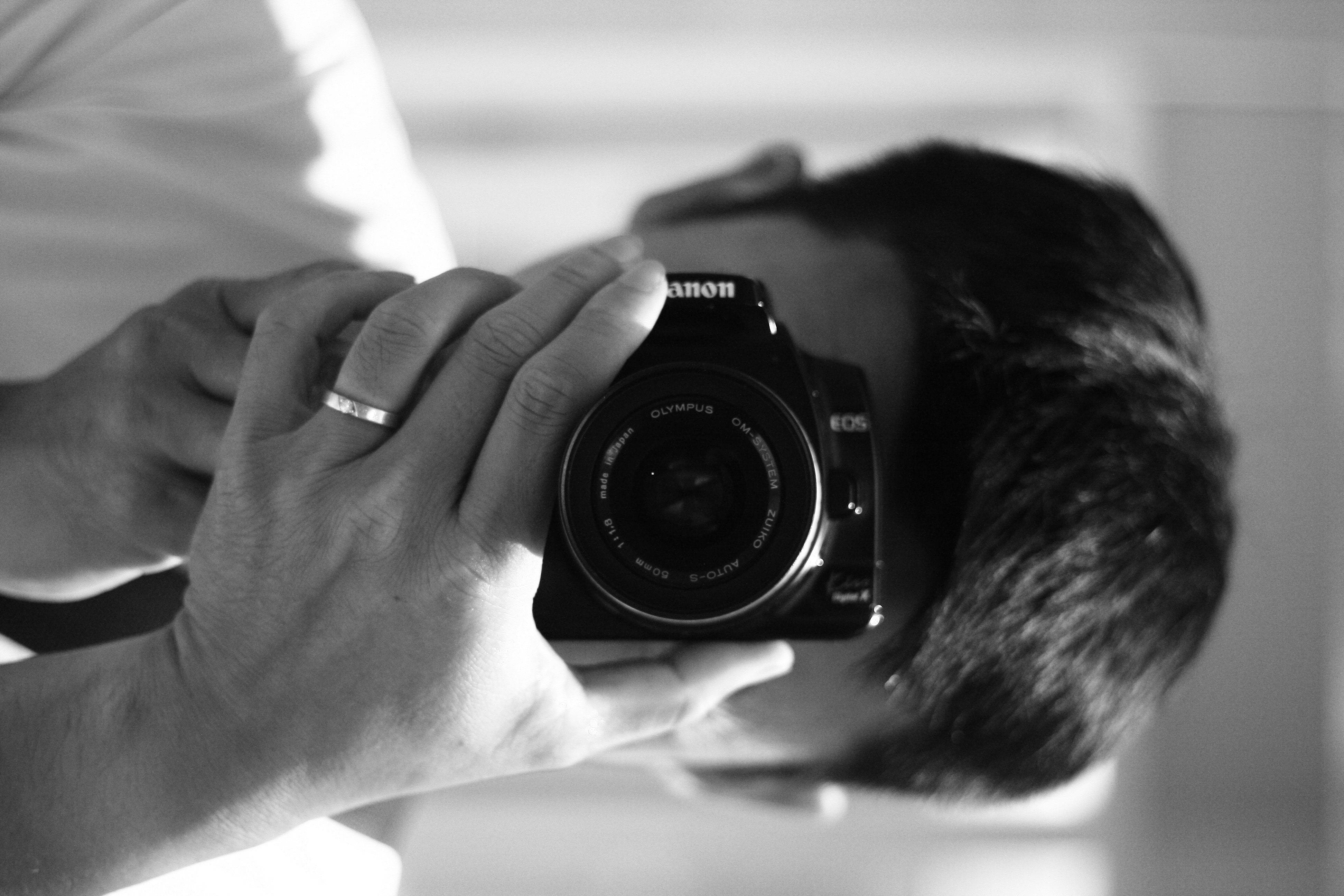
A ring on the ring finger — meaning I'm married
Shooting mode: in-camera black-and-white mode, Sharpness +7, Contrast +4, JPEG
Memory card: SanDisk CF 128MB, holds only 37 frames
Lenses:
Olympus OM Zuiko 24mm f2
Olympus OM Zuiko 50mm f1.8
-
One day while tidying the house, I found a Lowepro camera bag buried under a pile of odds and ends. Inside was a digital SLR my family had bought me back in university — my 20th birthday present, from my mother. According to her, when she was young, her own 20th birthday present had been an SLR (a Canon AV-1). So when she learned I wanted an SLR, she said straight away that she'd give me one as a birthday gift. There was a strong sense of something being passed down.
At the time I chose the Canon EOS 400D, newly announced in 2006 — an APS-C sensor with 10.1 effective megapixels. The official Taiwan kit with one lens was 29,900 NT, but we went with a parallel import to save a bit of money, so the model designation was "Canon EOS Kiss Digital X." I still just call it the 400D.
In the years I used the 400D, I'll be honest: my photographic skill made no progress whatsoever. All I really learned was how to operate a camera. Looking back now, the gear was the key factor. Back then I had two lenses: the kit Canon EF-S 18-55mm f3.5-5.6 II, and a Canon EF 50mm f1.8 II costing only a few thousand NT.
Everyone online was unanimously recommending the Canon EF 50mm f1.8 II — the cheapest fast lens, that sort of thing — but in practice I just found it hard to compose with. I had no concept of angle of view or focal length at the time, and never looked into it; the lens just felt narrow, almost unusable indoors. Only now do I realize that a 50mm f1.8 on a 400D is an 80mm full-frame equivalent — a medium telephoto. No wonder it was so hard to handle.
So during my 400D days, the lens I used most was still the 18-55mm f3.5-5.6 kit. But that lens had an inherently small aperture, which made it hard to produce images with any striking tonal depth. At most I noticed that SLR photos had high resolution. Then, once phones could take pictures, I forgot about the SLR entirely. Carrying a big camera around made me look less cool with a camera bag on — and if all I was getting were plain, ordinary photos, I might as well record things with a lightweight phone, where I could adjust the colors on the spot. So much more convenient.
And so the 400D sat there until I forgot about it, until roughly August 2024, when I started reconsidering whether I might shoot with it again.
In March 2024, the Fujifilm X100VI and Ricoh GR IIIx HDF were announced one after the other. I'd been watching both, since I felt they could produce colors approaching film. But I was also very clear about why I shoot film: it isn't primarily for film's colors, it's that I'm captivated by film's irreversible process — the feeling that every decision gets exactly one chance. Photos made under those conditions make me treasure each frame more.
I love shooting film precisely because of its constraints, in the same way a game with unlimited saves and infinite continues gets dull. Even if I bought a camera that produced images indistinguishable from film, I don't think I'd get that ordinary sense of satisfaction from it. So I could never work up the enthusiasm to buy an X100VI or a GR IIIx HDF.
Unable to find a digital camera I wanted, I discovered by chance that the 400D I'd unearthed from the junk pile still worked — and that it had an APS-C sensor almost exactly the same size as the X100VI's and the GR IIIx HDF's. I couldn't help wondering: if I mounted the Olympus OM Zuiko lenses I know so well onto a Canon EOS 400D, what would the results look like?
So I bought an adapter, put in a memory card, and started testing. What made me so interested in my particular 400D is that its screen is essentially broken — you can't really see the photos you've taken. Which means I could simulate, on this camera, the film experience of not being able to review your shots. On top of that, I found that with a 128MB card shooting 10-megapixel JPEGs, one card holds exactly 36–38 frames — precisely the standard count for a roll of film. A perfect coincidence.
I initially tried to dial in a JPEG straight-out-of-camera color profile I liked using the 400D's internal settings, but the camera offers so few color options that I gave up. In the end I found the black-and-white mode workable, and once I raised the contrast in the built-in settings it looked reasonably good. It's still far from the latitude of real black-and-white film, but at least the process is *somewhat* irreversible: JPEG straight out of camera, no convenient way to review images, a 36-frame limit, and a physical mirror that means you don't get what-you-see-is-what-you-get. Isn't that exactly my ideal digital film?
-
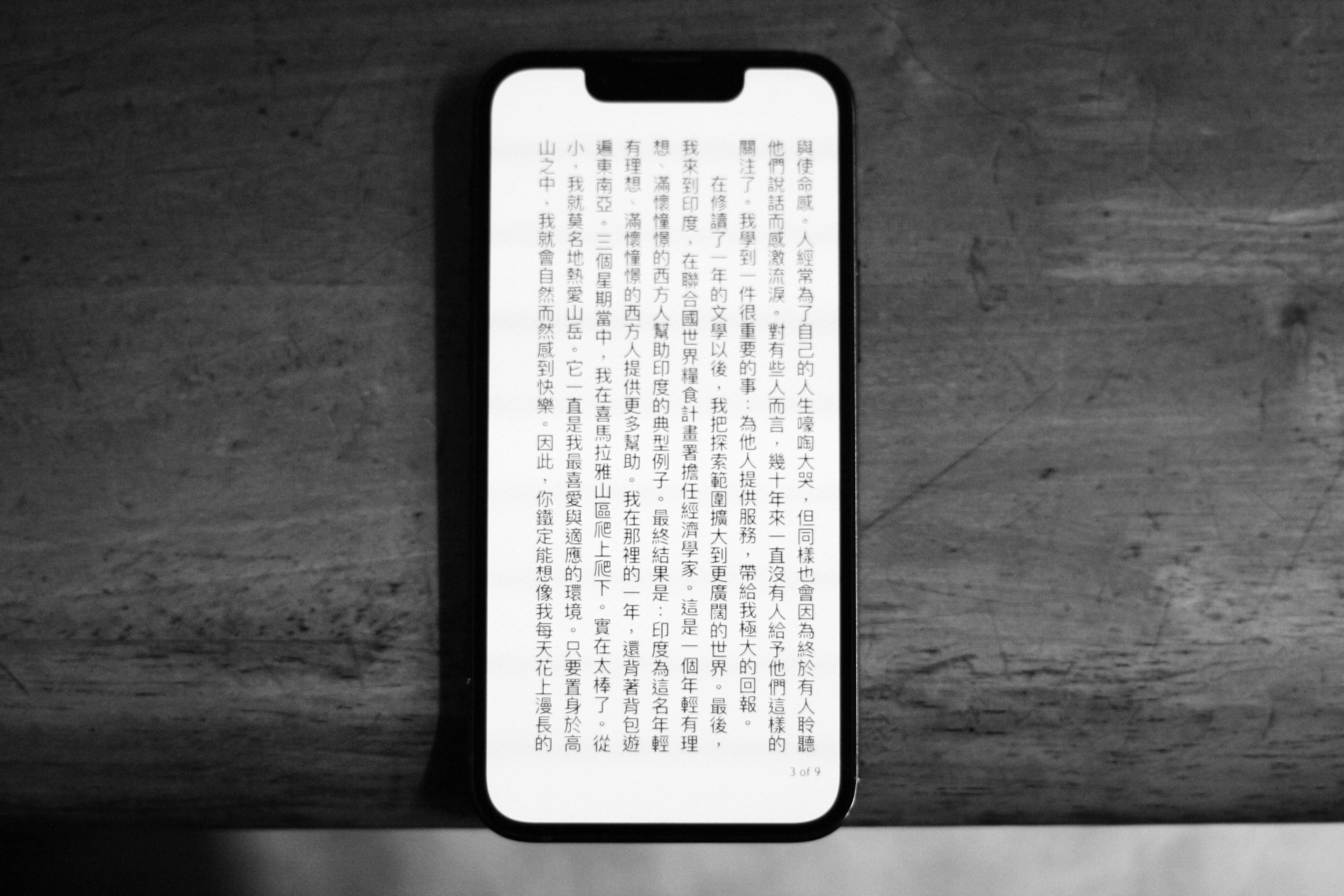
#1
This is the first frame of this digital roll — allow me to describe all the photos that follow this way, because to me each one has its own distinct existence. None were previewed at the moment of shooting; they only materialized when I connected the camera to a computer and read the card. I got something close to the surprise of real film, and I saved the cost of buying and developing a roll. The content here: I'm reading an ebook on my phone during lunch, instead of scrolling Facebook or similar.
Olympus OM Zuiko 50mm f1.8 (1/400, f1.8, ISO 1600)
#2
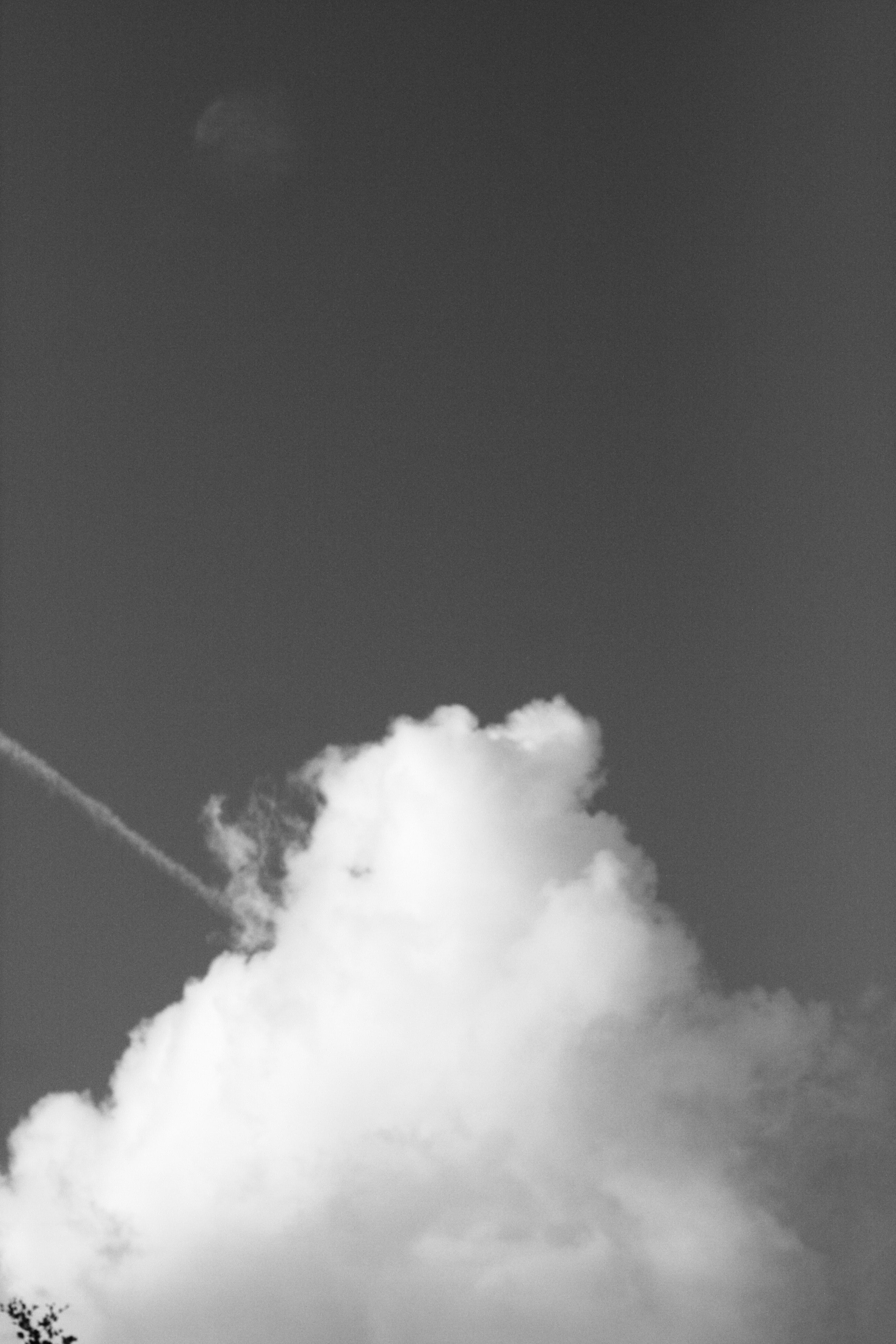
This is my favorite frame of the whole digital roll, because I've never successfully shot anything like it on film — soft clouds, a deep sky. It makes me feel calm.
Olympus OM Zuiko 50mm f1.8 (1/4000, f5.6, ISO 1600)
#3
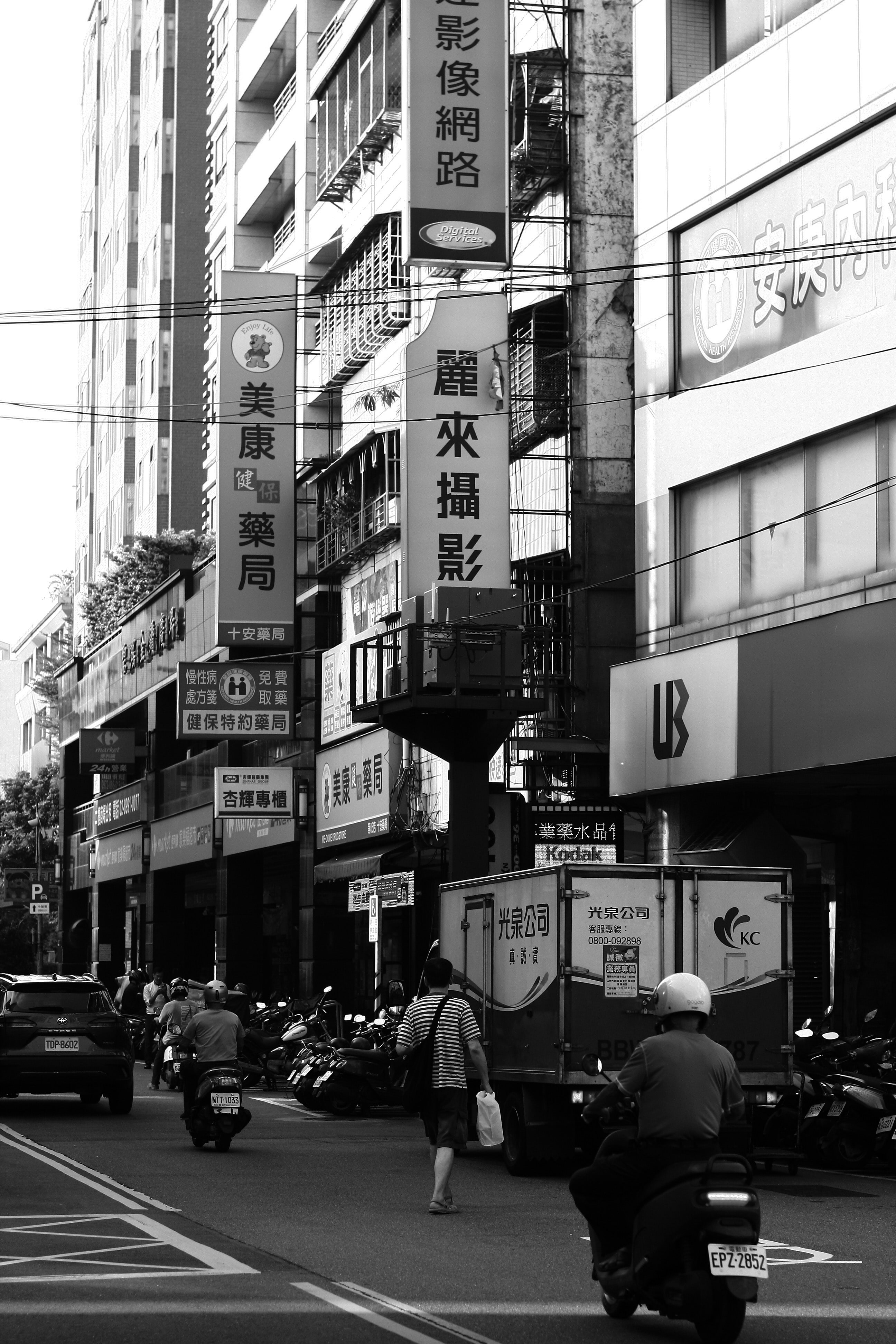
The image profile for this digital roll is fixed throughout: the Canon EOS 400D's built-in black-and-white mode plus Sharpness +7 and Contrast +4. Judging by the results, Sharpness +7 seems to have introduced a certain incoherence in the structure of the image. Pictured is the lab I visit most, Li-lai Photo.
Olympus OM Zuiko 50mm f1.8 (1/2000, f4, ISO 400)
#4
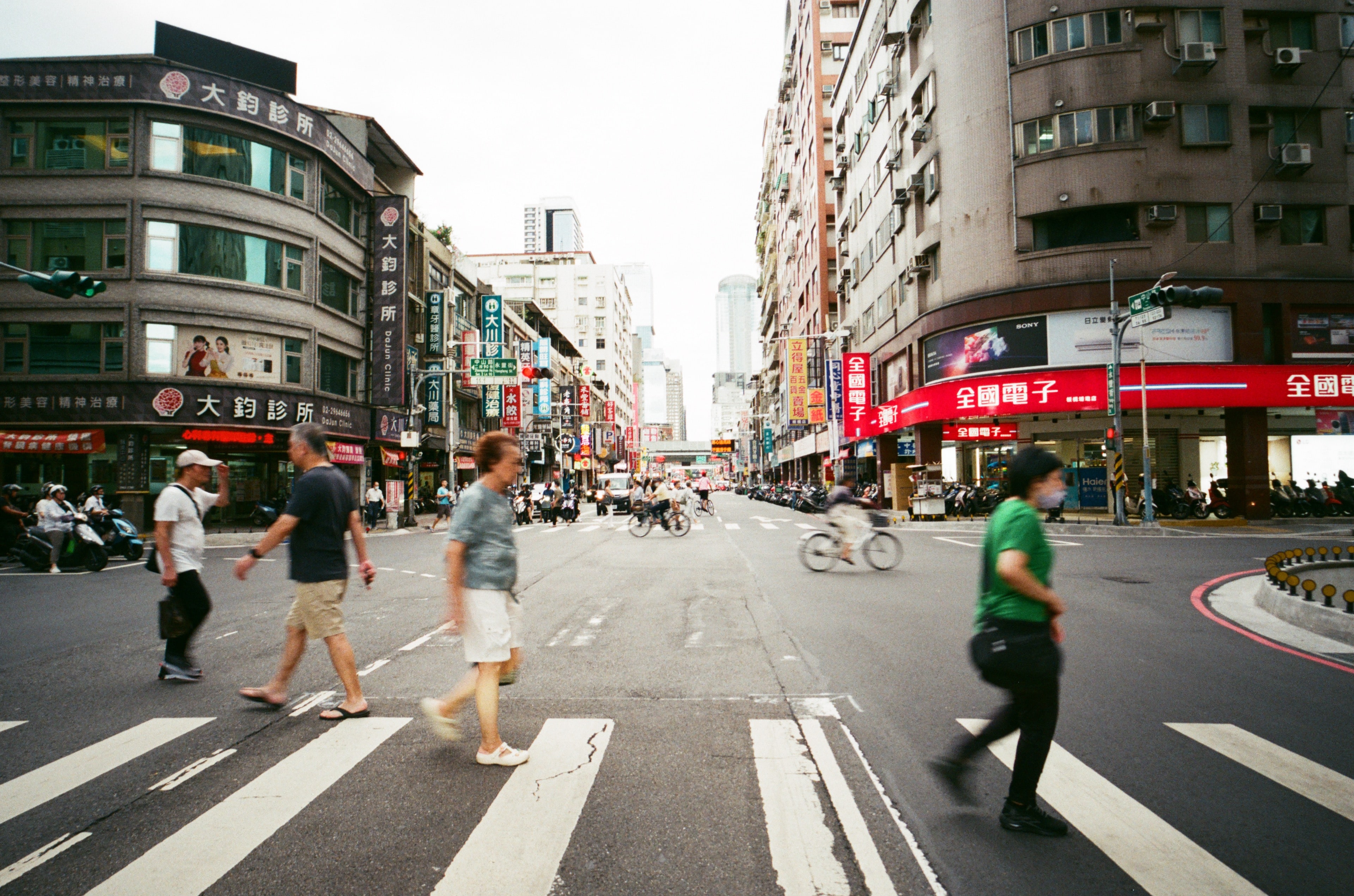
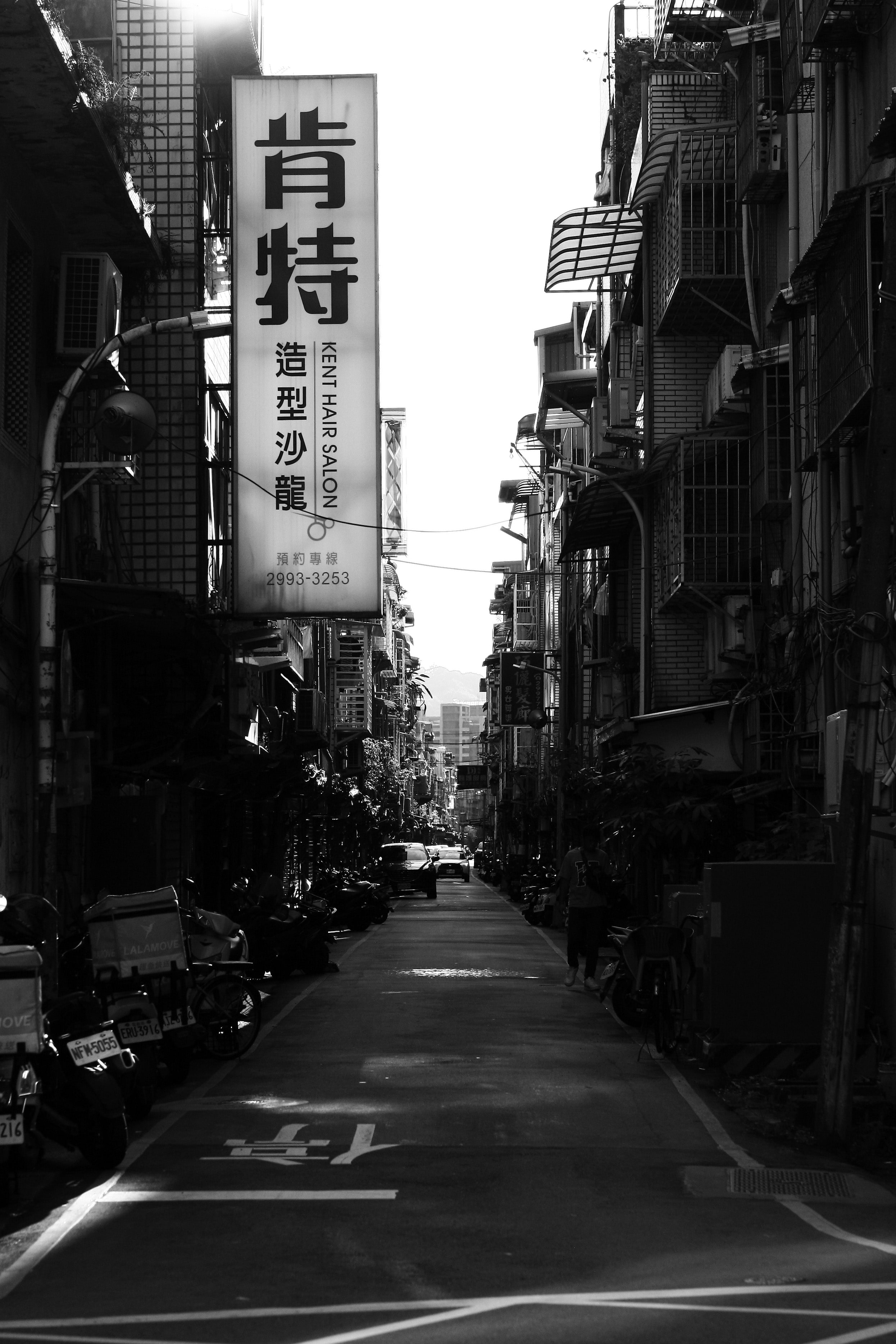
A Thursday, just off work. This is an intersection I often pass on foot. I love these views that stretch to a vanishing point — it'd be even better without the power lines strung across the middle.
Olympus OM Zuiko 50mm f1.8 (1/1250, f4, ISO 400)
#5
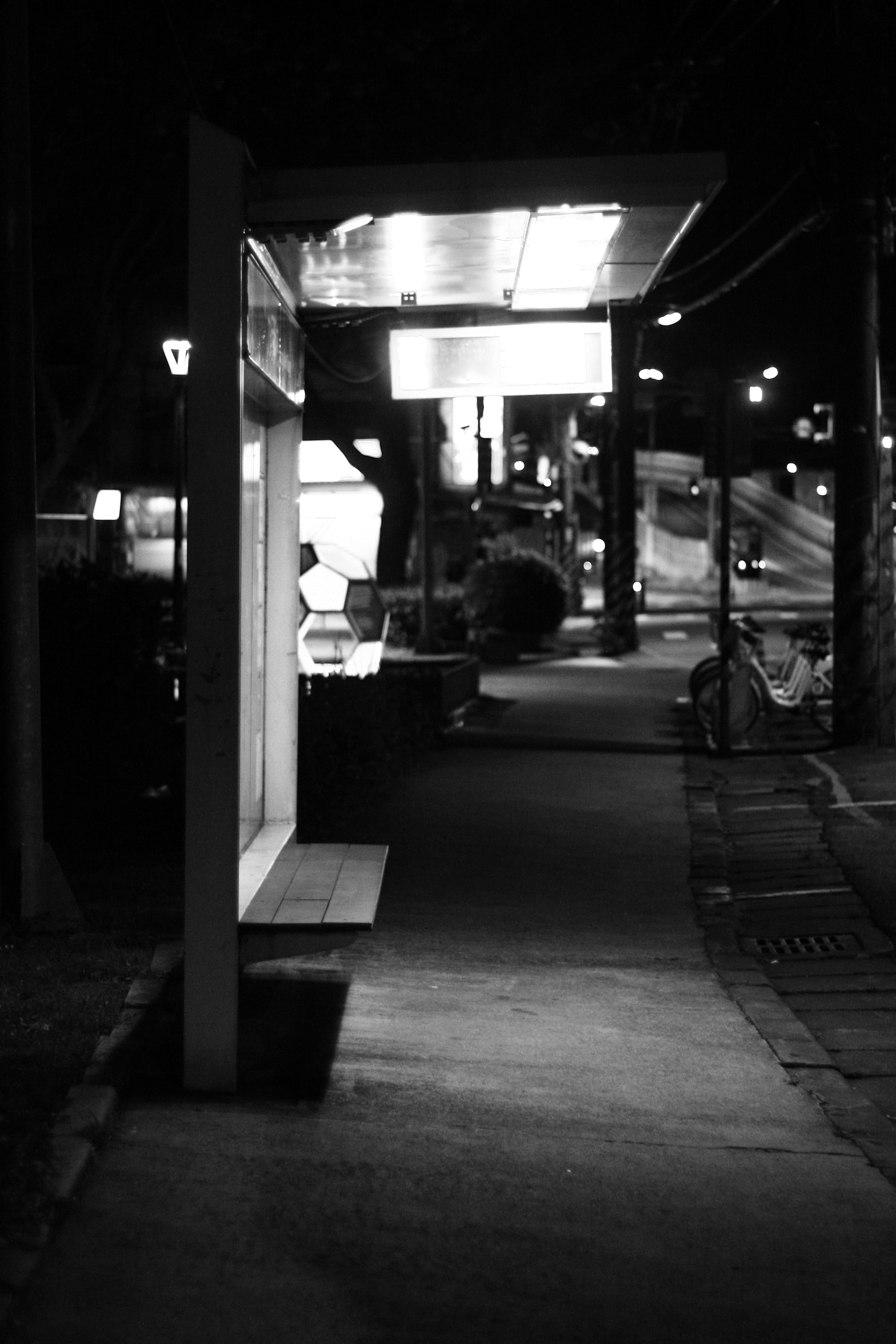
Probably some sleepless night, walking around. This is what I saw.
Olympus OM Zuiko 50mm f1.8 (1/60, f1.8, ISO 1600)
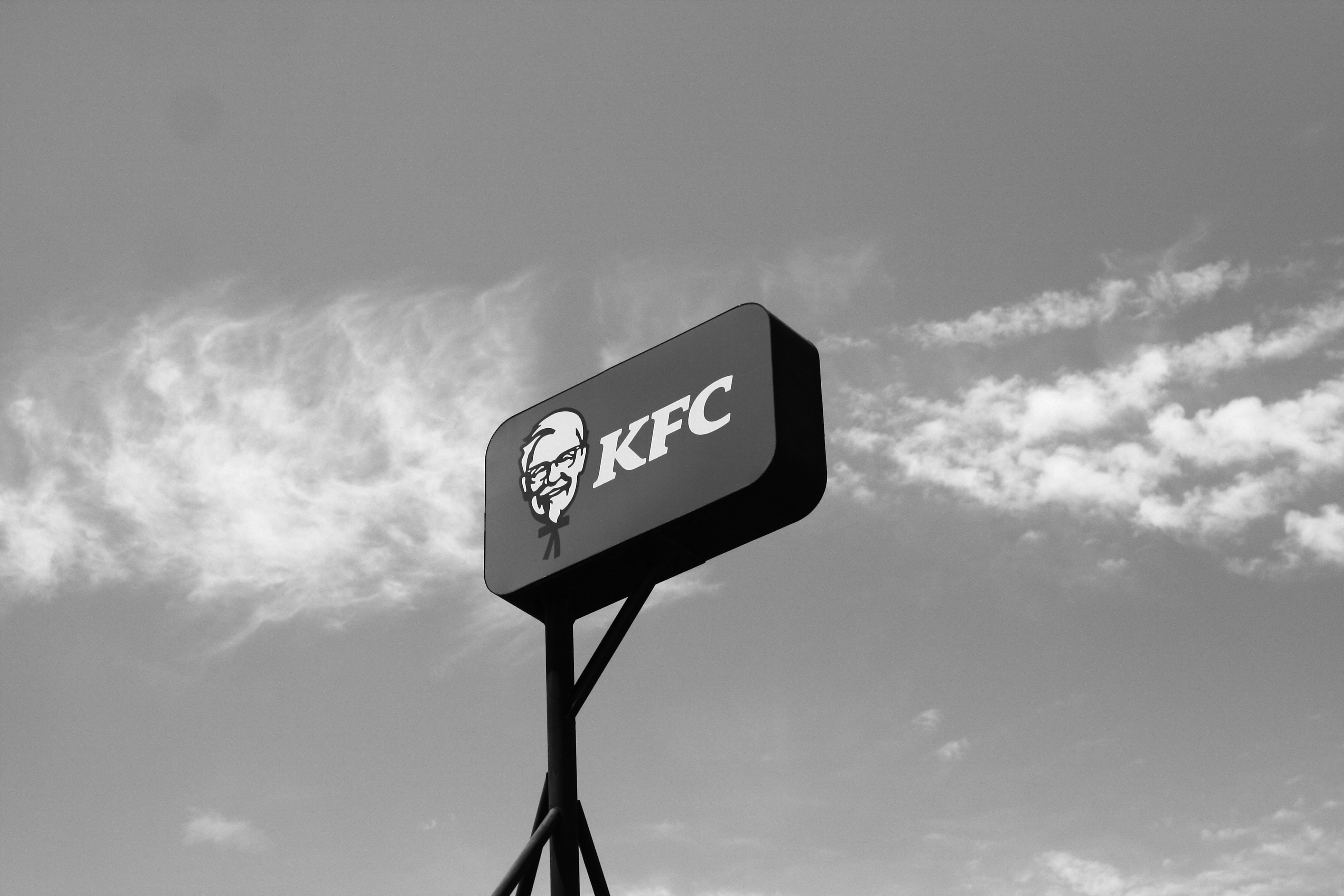
#6
I only used two ISO settings on this digital roll: 400 and 1600. Overall I prefer how ISO 1600 looks. I'm not so fond of that crystal-clear quality at ISO 400.
Olympus OM Zuiko 50mm f1.8 (1/4000, f4, ISO 400)
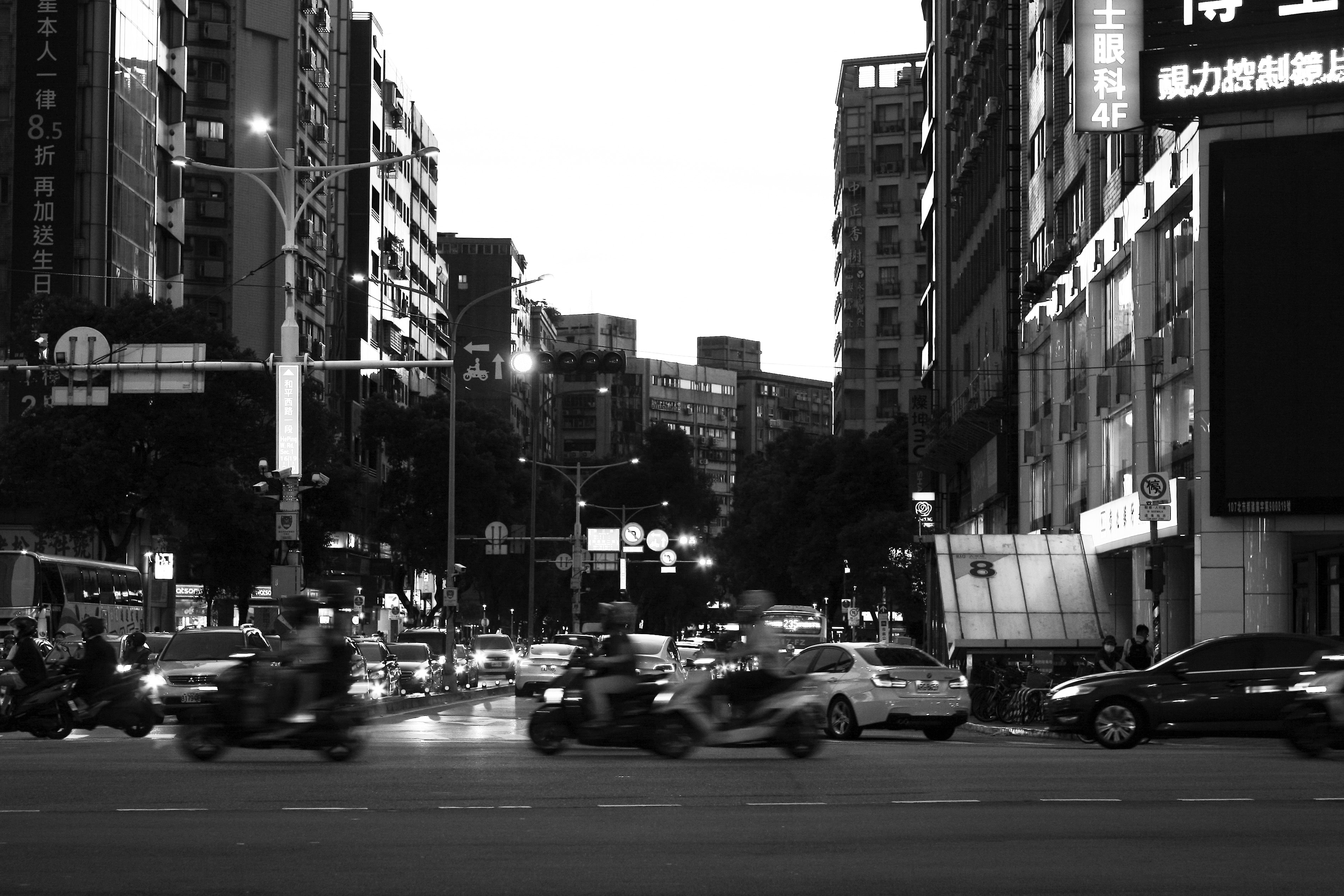
#7
A Friday. I'd just left my alma mater, NTUST. There was no particular reason for going back — I just wanted to work on my laptop somewhere different, and returning to my old school gives me a familiar sense of steadiness. Perhaps it's a search for security in life.
Olympus OM Zuiko 50mm f1.8 (1/60, f4, ISO 400)
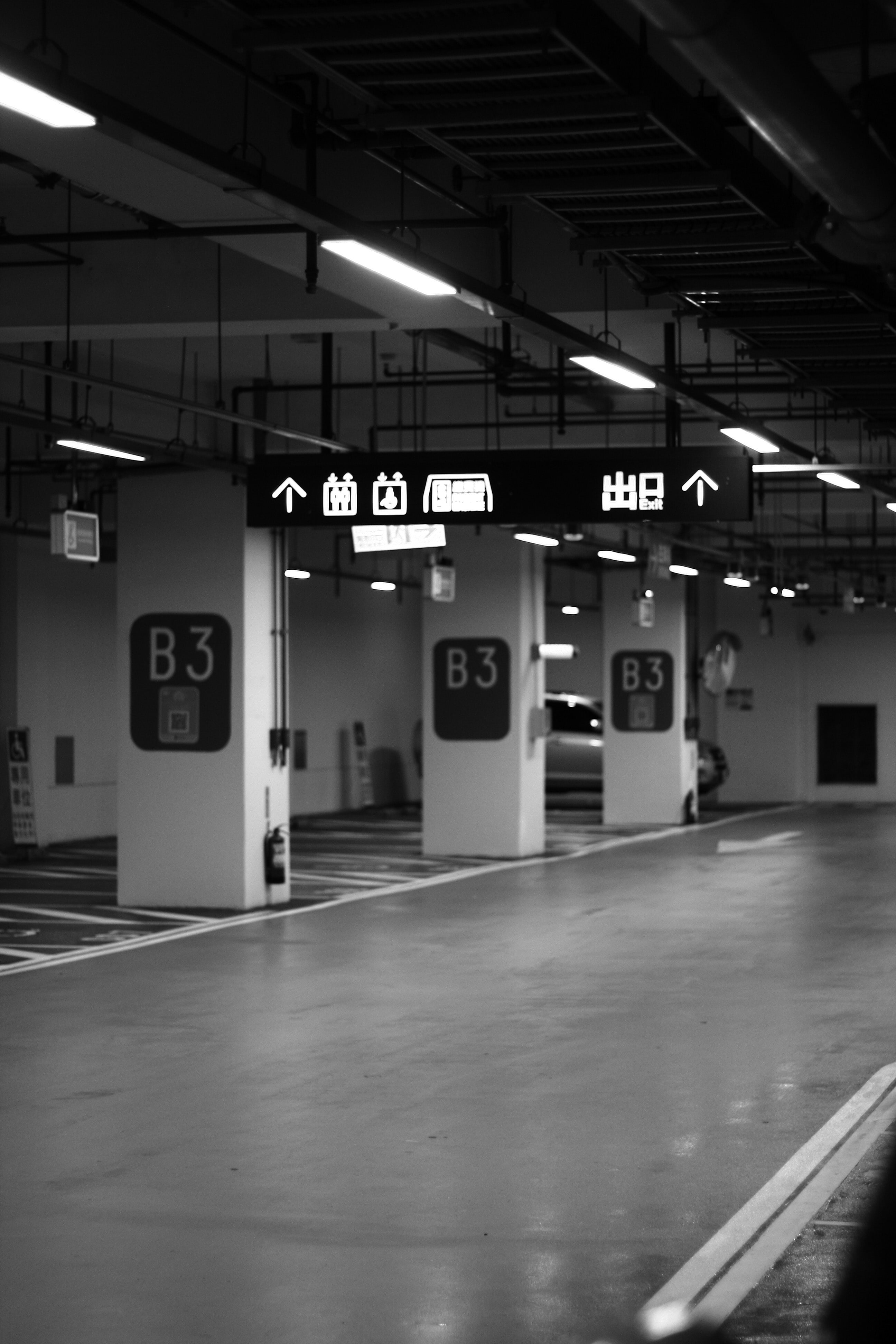
#8
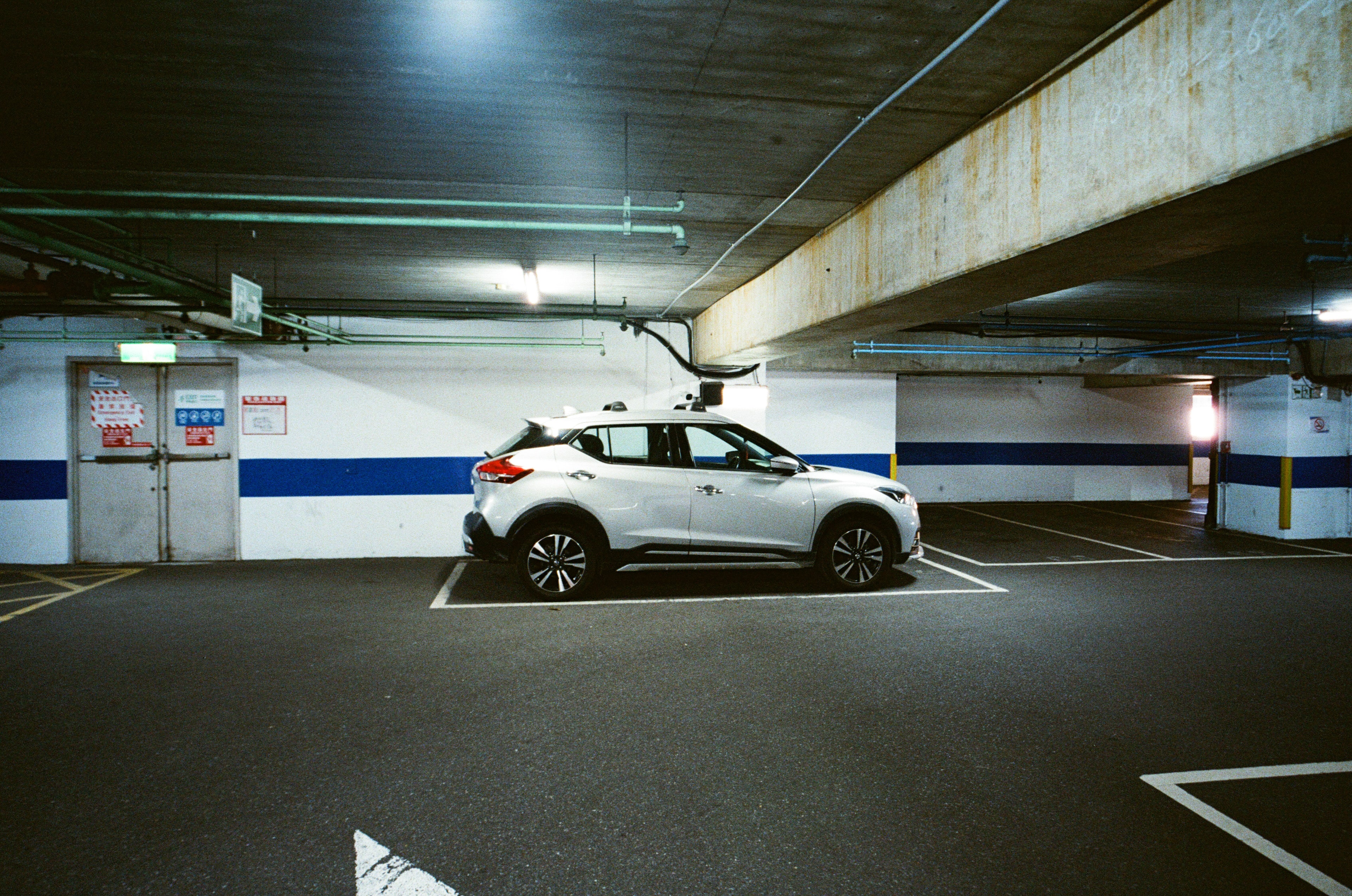
A Saturday. My wife and I had just dropped our son off at English class; I'd parked the car and was heading over to meet up with her.
Olympus OM Zuiko 50mm f1.8 (1/60, f1.8, ISO 400)
#9
My Canon EOS 400D itself.
Olympus OM Zuiko 50mm f1.8 (1/60, f1.8, ISO 400)
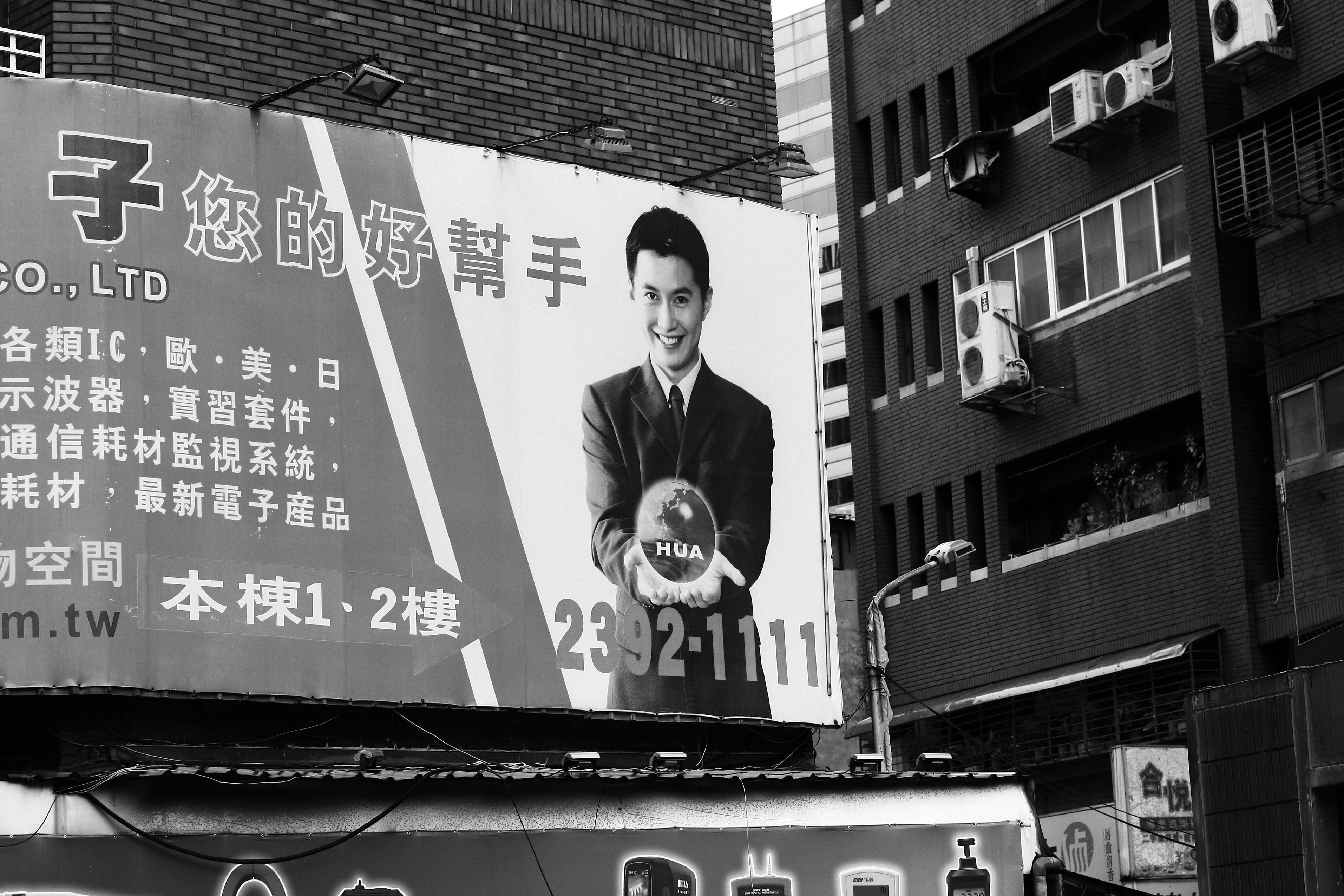
#10
Men's suits look slightly different in every era. The suit in this photo appears to be three-button, and judging by the hairstyle, I'd guess this is stock imagery from about twenty years ago.
Olympus OM Zuiko 50mm f1.8 (1/2000, f4, ISO 400)
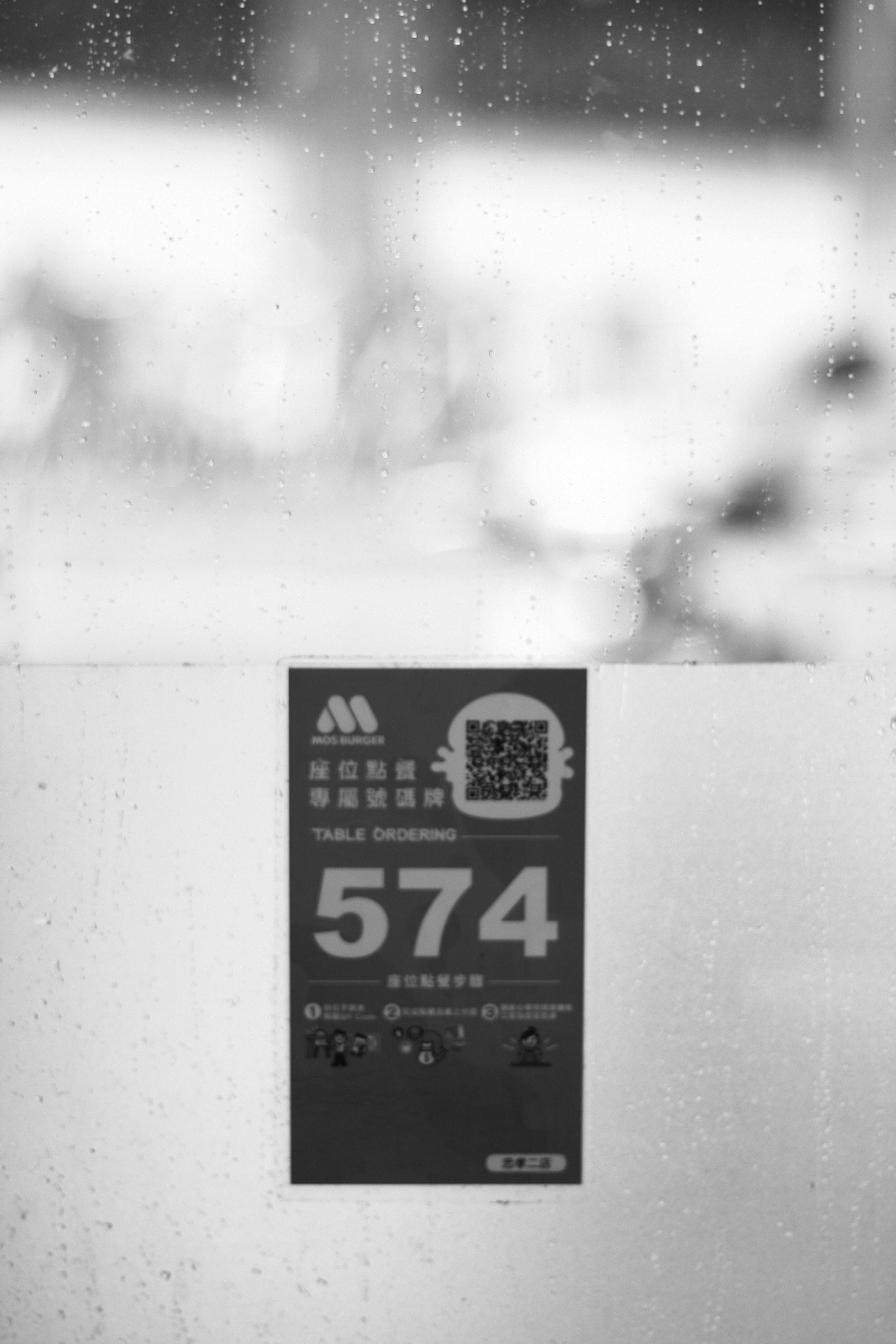
#11
Some businesses deliberately avoid numbers with unlucky-sounding homophones, as a mark of attention to service detail. I think MOS Burger in Taiwan is excellent across the board, but they don't seem to worry much about the homophone problem.
Olympus OM Zuiko 50mm f1.8 (1/250, f1.8, ISO 400)
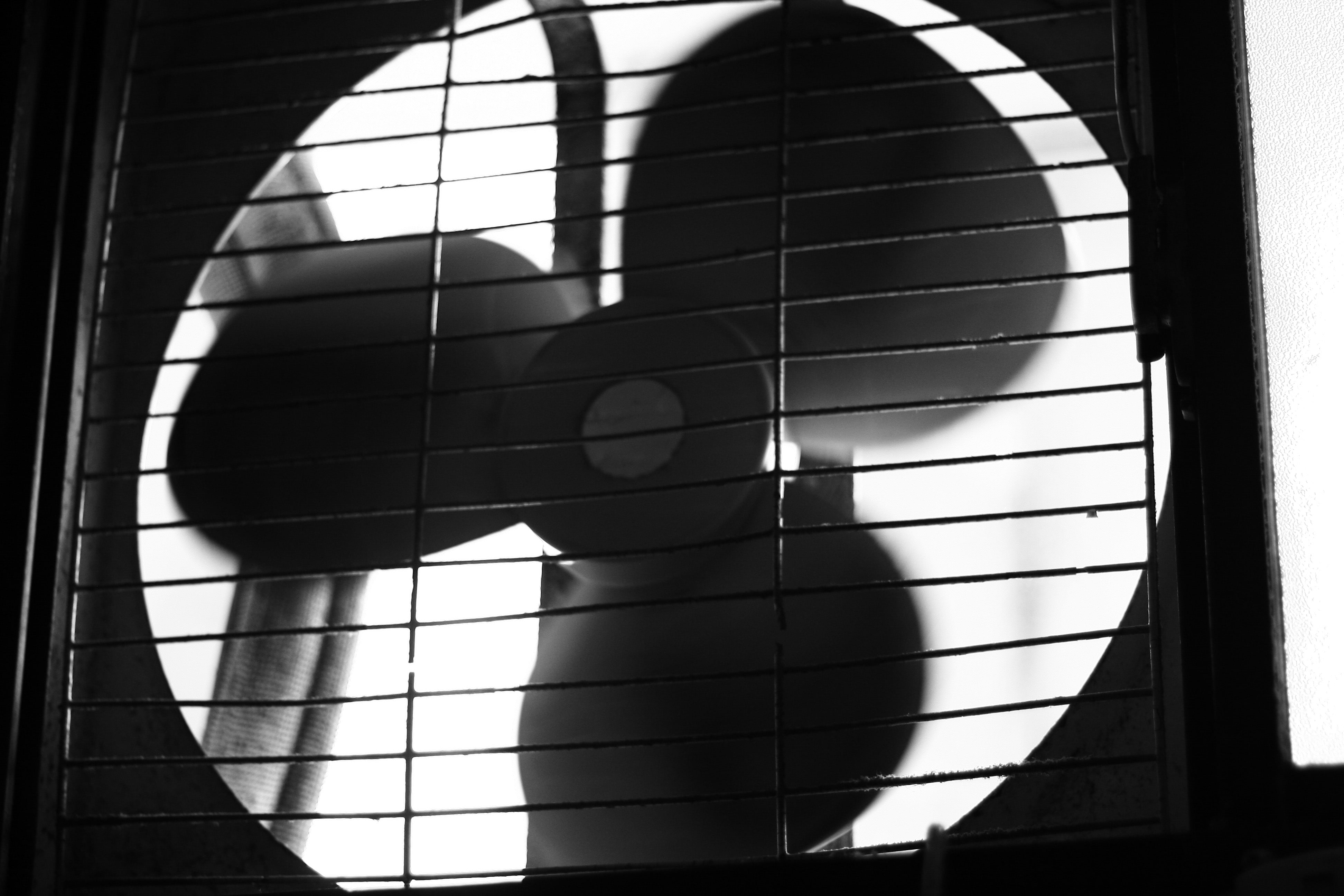
#12
I've shot something similar on film before. I love these small everyday things you occasionally see but never look at closely — study them and there's a lot of depth.
Olympus OM Zuiko 50mm f1.8 (1/60, f1.8, ISO 400)
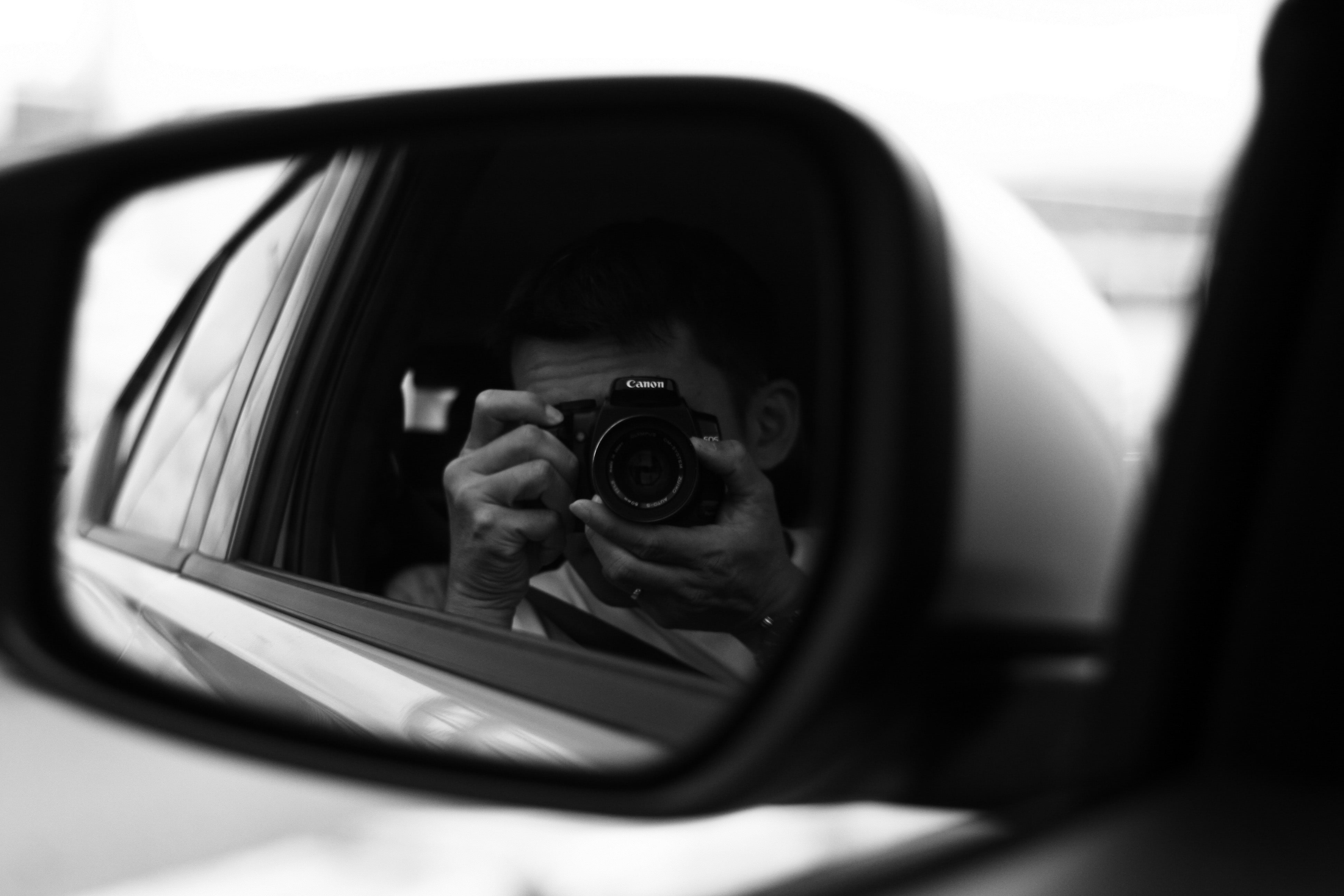
#13
This one has been horizontally flipped in post, because I wanted to see myself clearly. I was actually sitting in the passenger seat when I took it, but after the flip I look like I'm in the driver's seat.
Olympus OM Zuiko 50mm f1.8 (1/4000, f2.8, ISO 400)
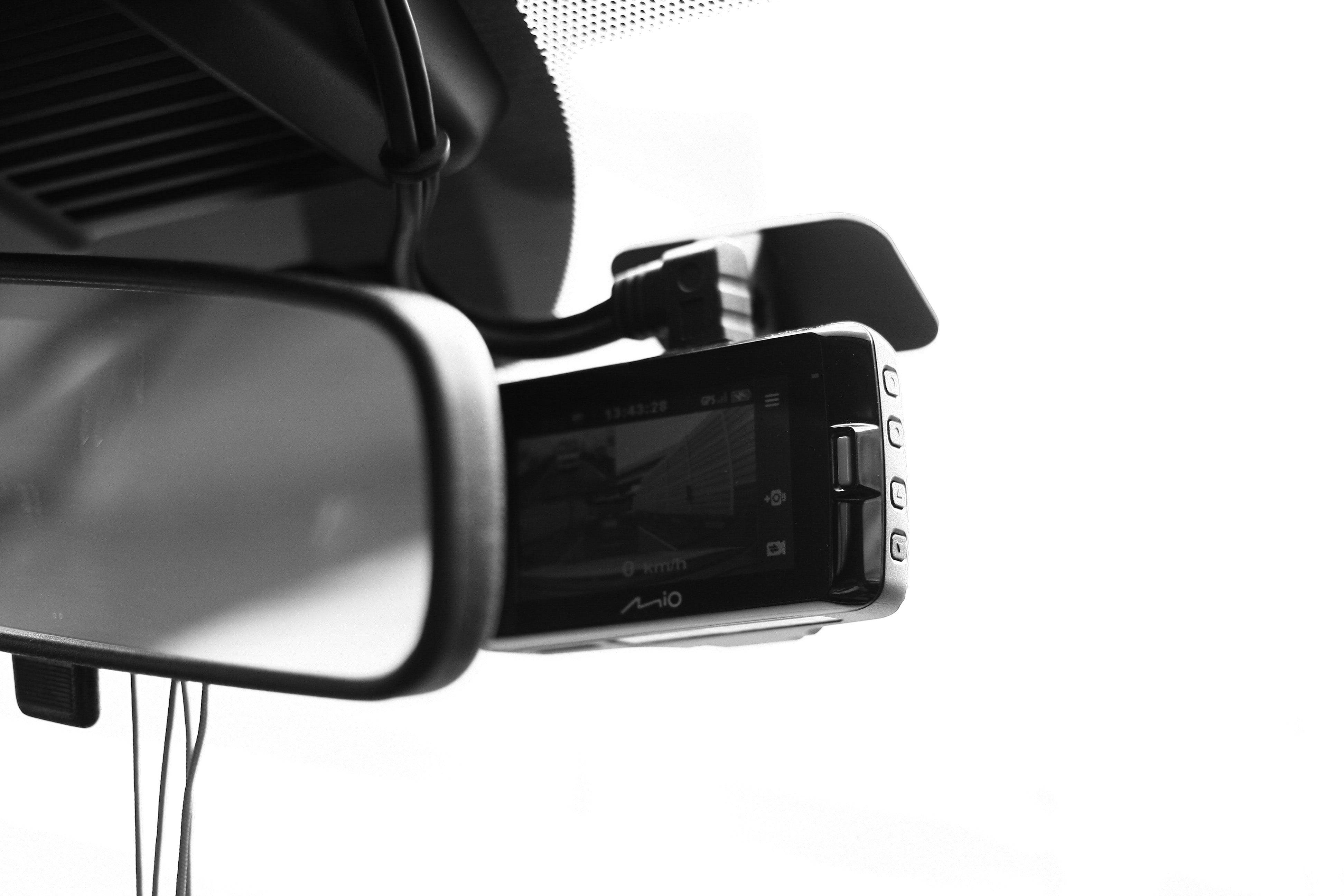
#14
Regarding "digital film" versus analog film in terms of color, I think the most obvious difference is that digital film easily produces absolute white — like this dashcam photo, where everything in the background behind it is completely blown out, pure white with no other information at all. I find that a shame, and it's exactly where analog film won't be replaced by digital. As for the dashcam itself: I bought it myself and took it to the shop for installation. They didn't ask a single question, just mounted it here. At first I was taken aback, thinking I wouldn't be able to see the dashcam's screen at all from the driver's seat. But after driving with it for a while, I realized the shop's placement was actually the best one — it keeps the driver's field of view completely unobstructed, and an ordinary driver isn't going to sit staring at the dashcam anyway. I'd misjudged them.
Olympus OM Zuiko 50mm f1.8 (1/500, f2.8, ISO 400)
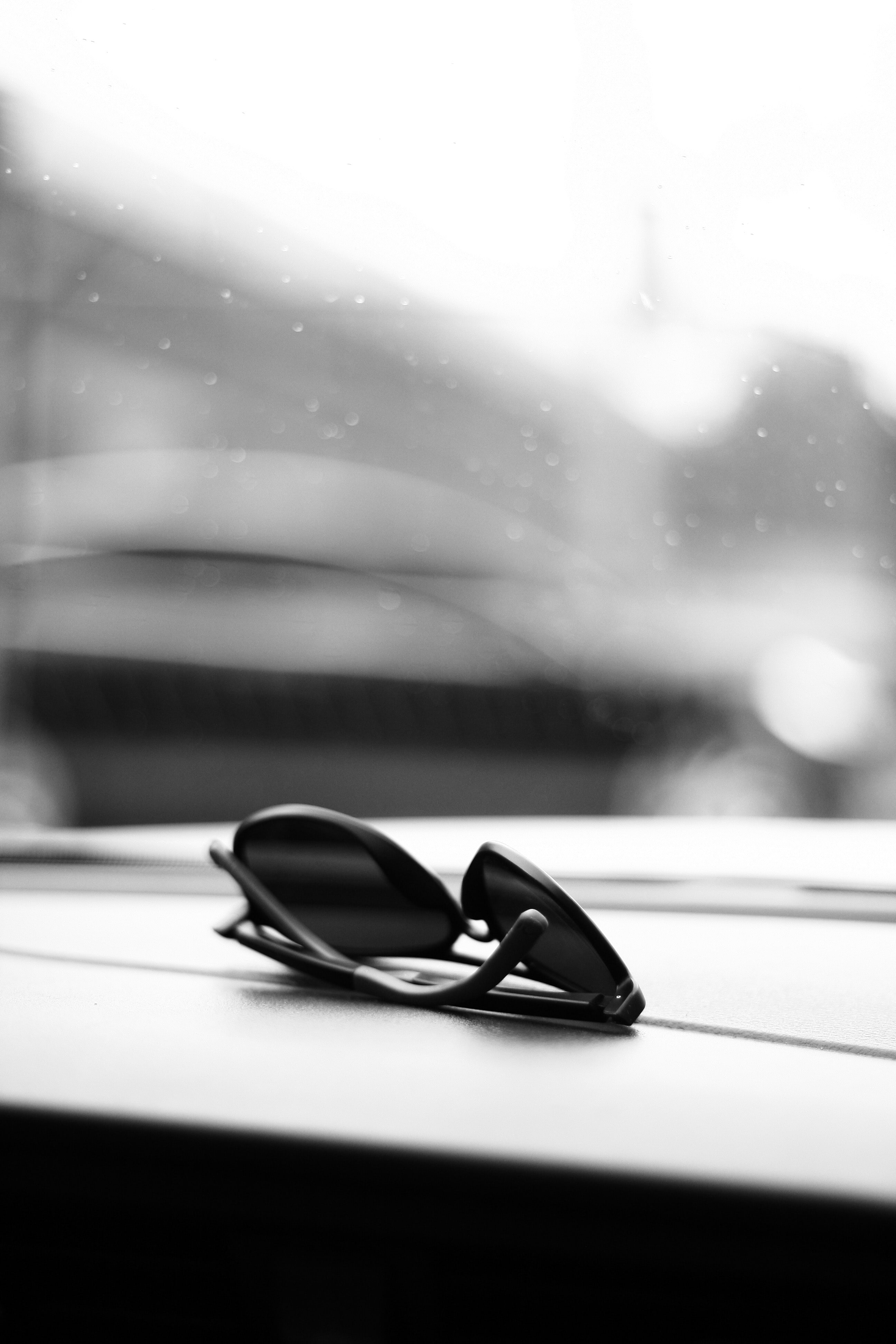
#15
It was only after shooting half-frame film that I understood what digital APS-C really is. Unfortunately my Canon 400D can't take Olympus Pen F lenses — if it could, pairing genuine half-frame glass with a digital APS-C body that has a mirror would be perfect. These sunglasses were a gift from my wife; I keep them in the car.
Olympus OM Zuiko 50mm f1.8 (1/2000, f1.8, ISO 400)
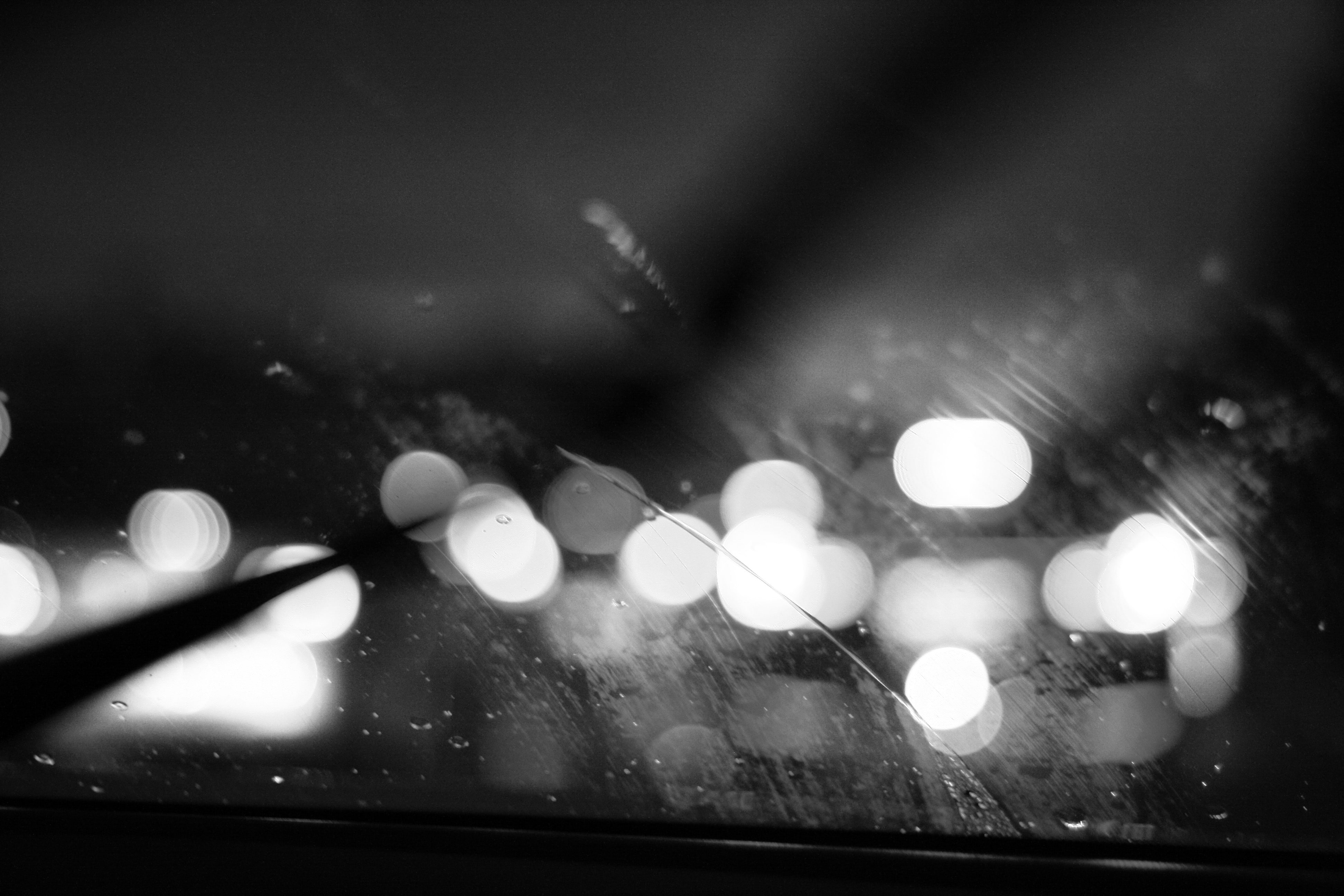
#16
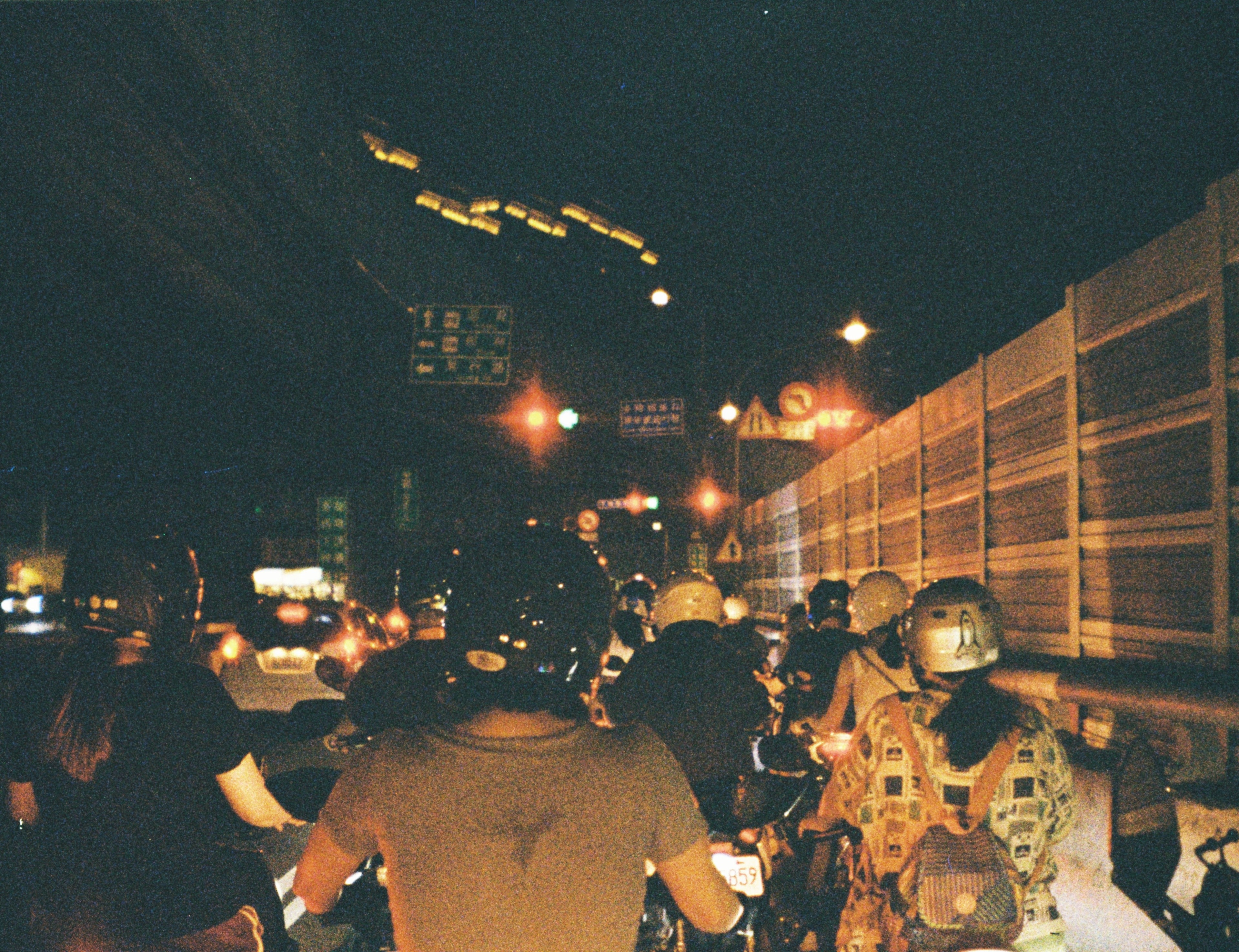
Lights and wipers, seen from a traffic jam.
Olympus OM Zuiko 50mm f1.8 (1/60, f1.8, ISO 1600)
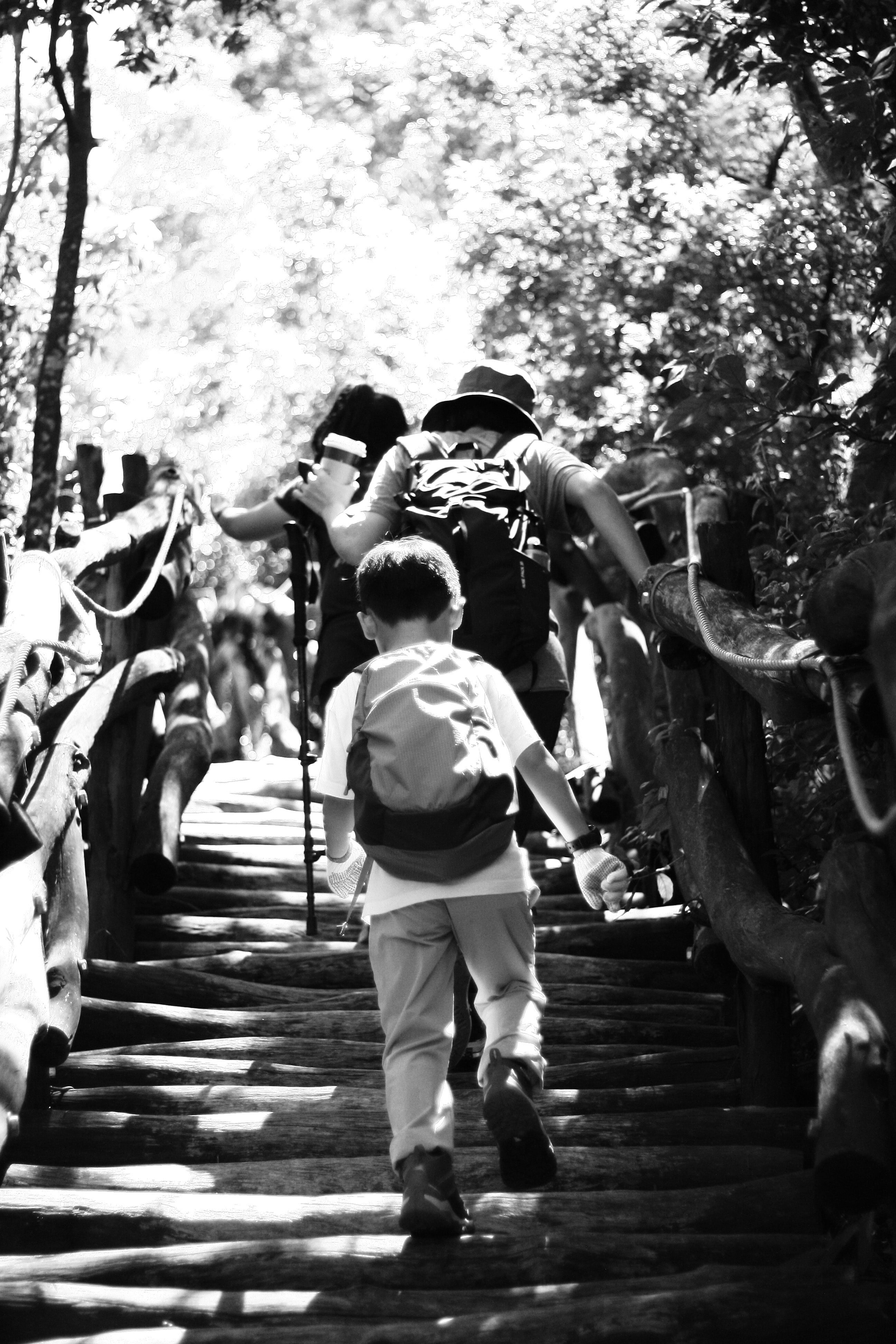
#17
Hiking at Dakeng in Taichung one day. The trail there is badly designed — those round-log surfaces are genuinely hard to walk on and dangerous. I've no idea whose idea that was.
Olympus OM Zuiko 50mm f1.8 (1/2000, f1.8, ISO 1600)
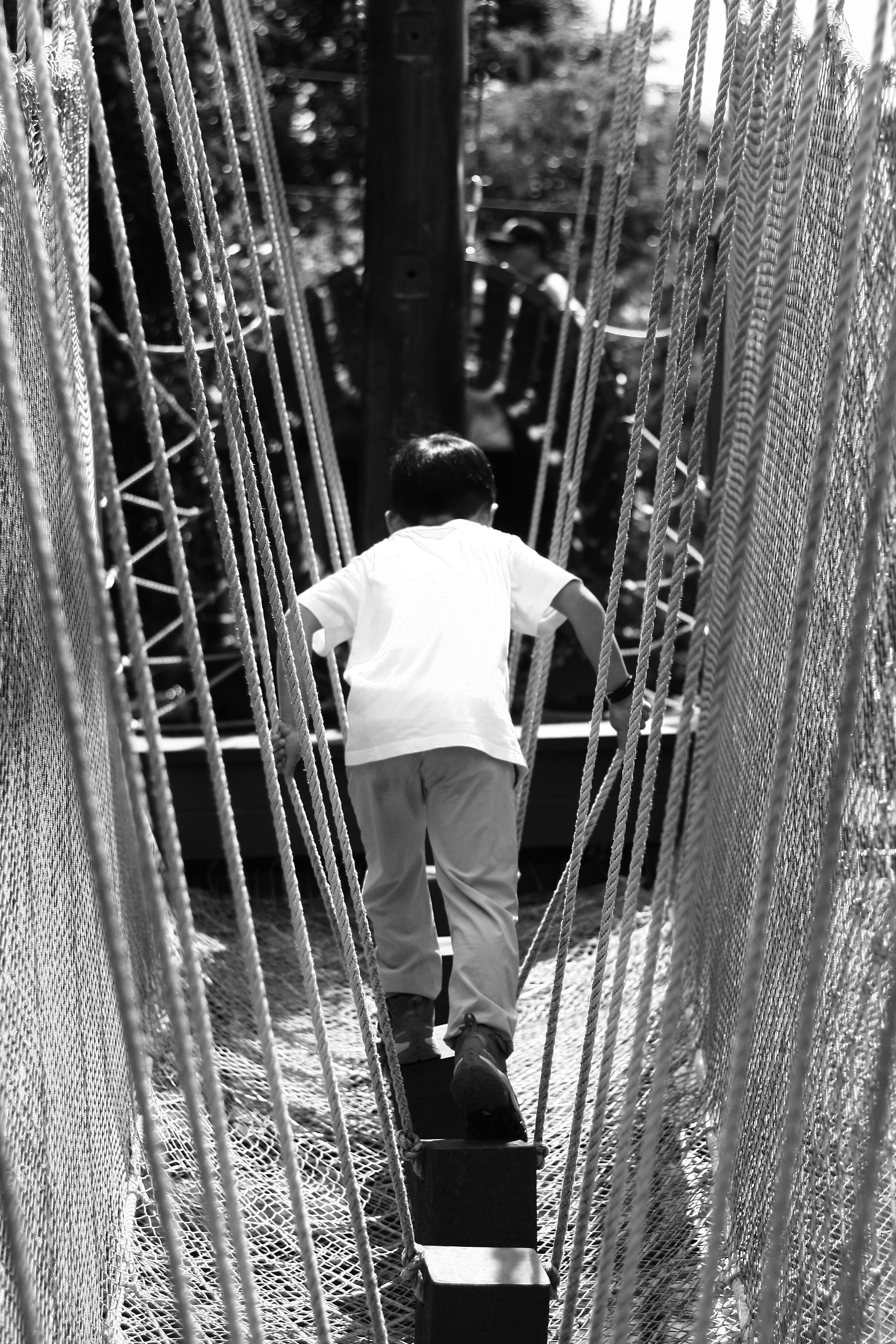
#18
My son from behind, playing on a wooden play structure.
Olympus OM Zuiko 50mm f1.8 (1/4000, f2.8, ISO 400)
#19
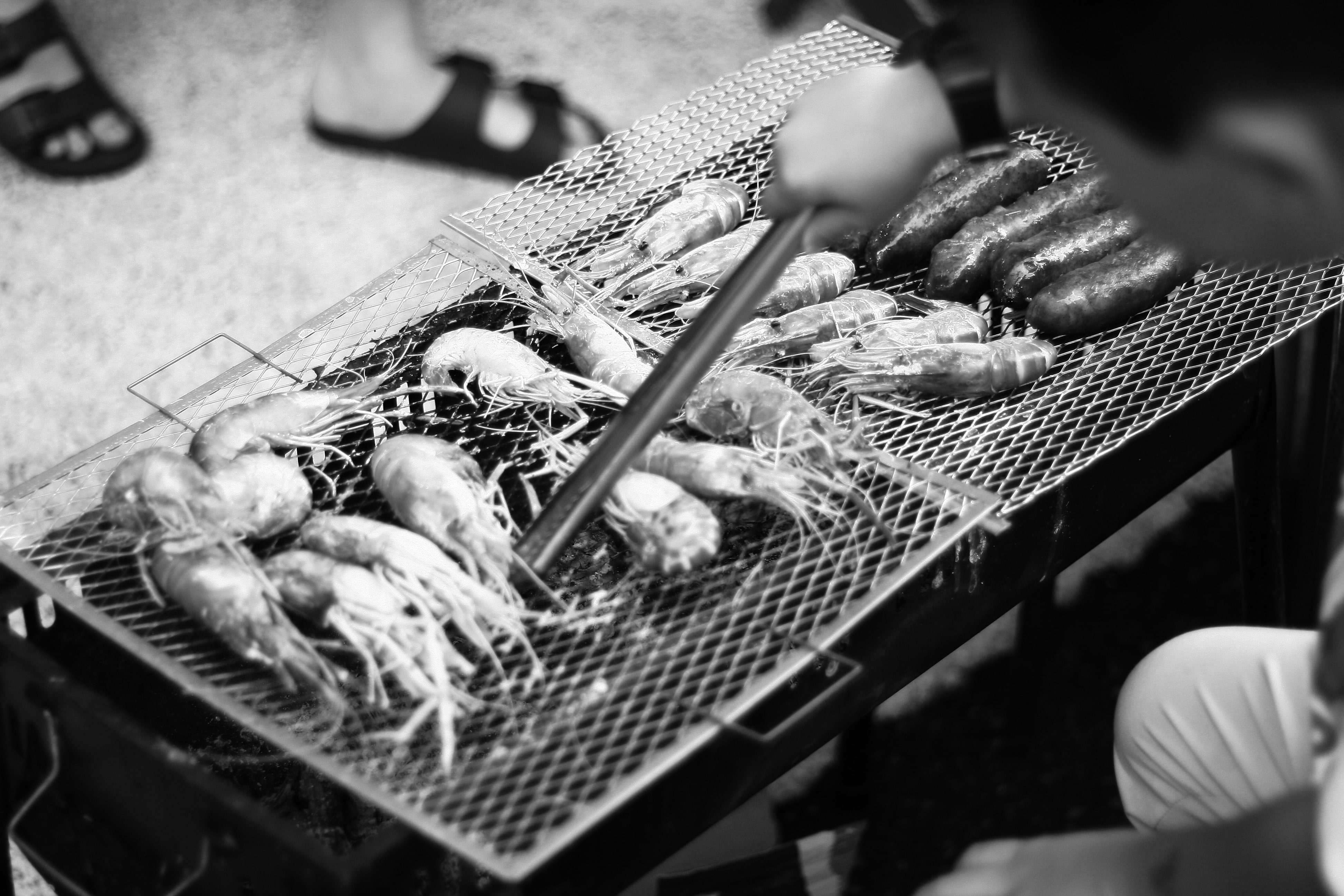
Mid-Autumn Festival barbecue, with my son taking on the role of head griller.
Olympus OM Zuiko 50mm f1.8 (1/60, f1.8, ISO 400)

#20
My son, concentrating hard on the grilling.
Olympus OM Zuiko 50mm f1.8 (1/60, f1.8, ISO 400)
#21
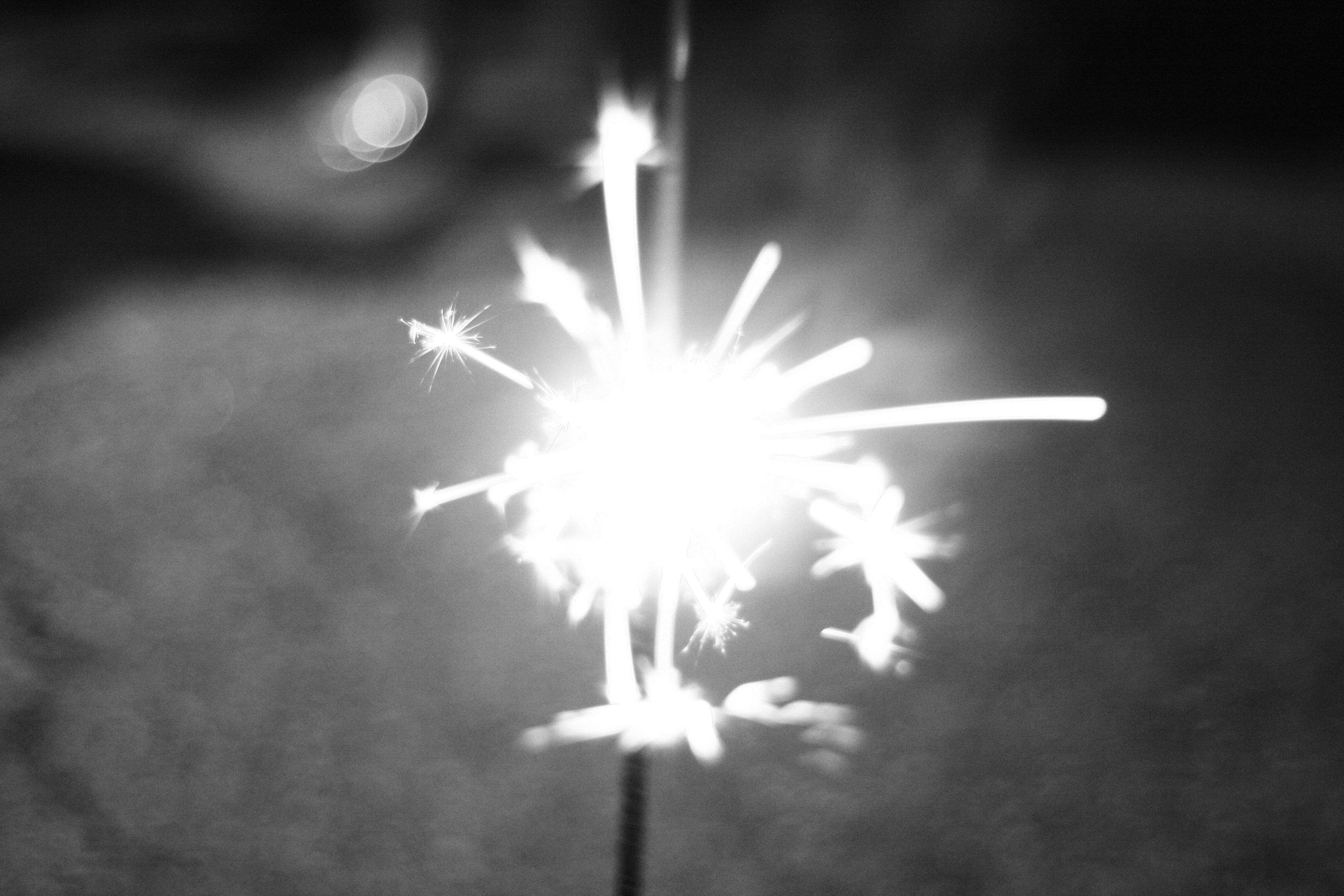
For me, the most challenging part of using a digital body with film lenses to simulate film's constraints is focusing. A digital SLR with a mirror doesn't have a microprism collar or split-image indicator on the focusing screen, so you're entirely reliant on turning the ring back and forth to find focus yourself. I shoot noticeably slower this way than I do with analog film.
Olympus OM Zuiko 50mm f1.8 (1/30, f1.8, ISO 1600)
#22
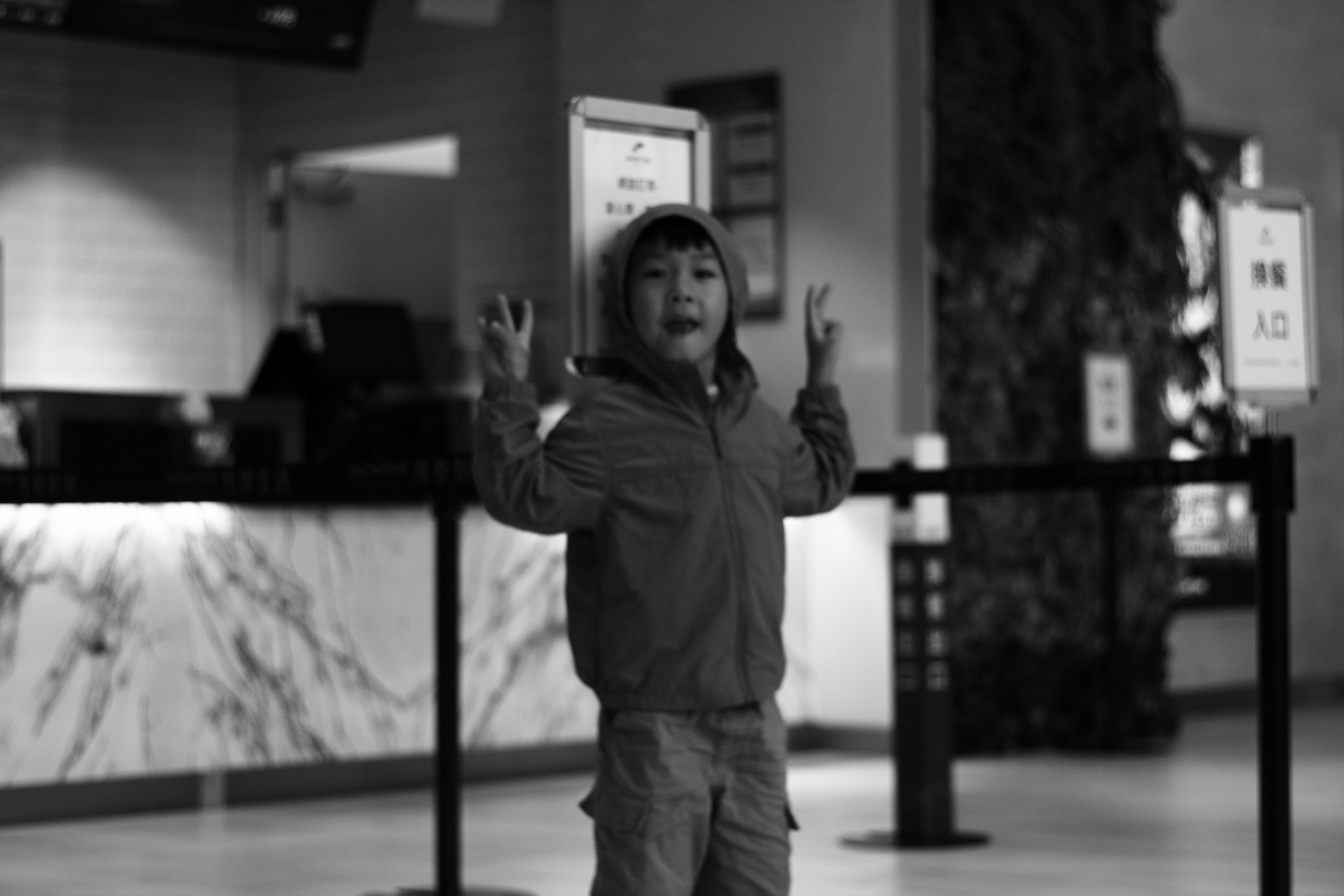
The difficulty of manual focus shows up in shots taken quickly. This one is from a day I took my son to the cinema — rare father-son time. In our household, when we take our son to a film, it has to be in English. Call it our own house rule.
Olympus OM Zuiko 50mm f1.8 (1/250, f2.8, ISO 400)
#23
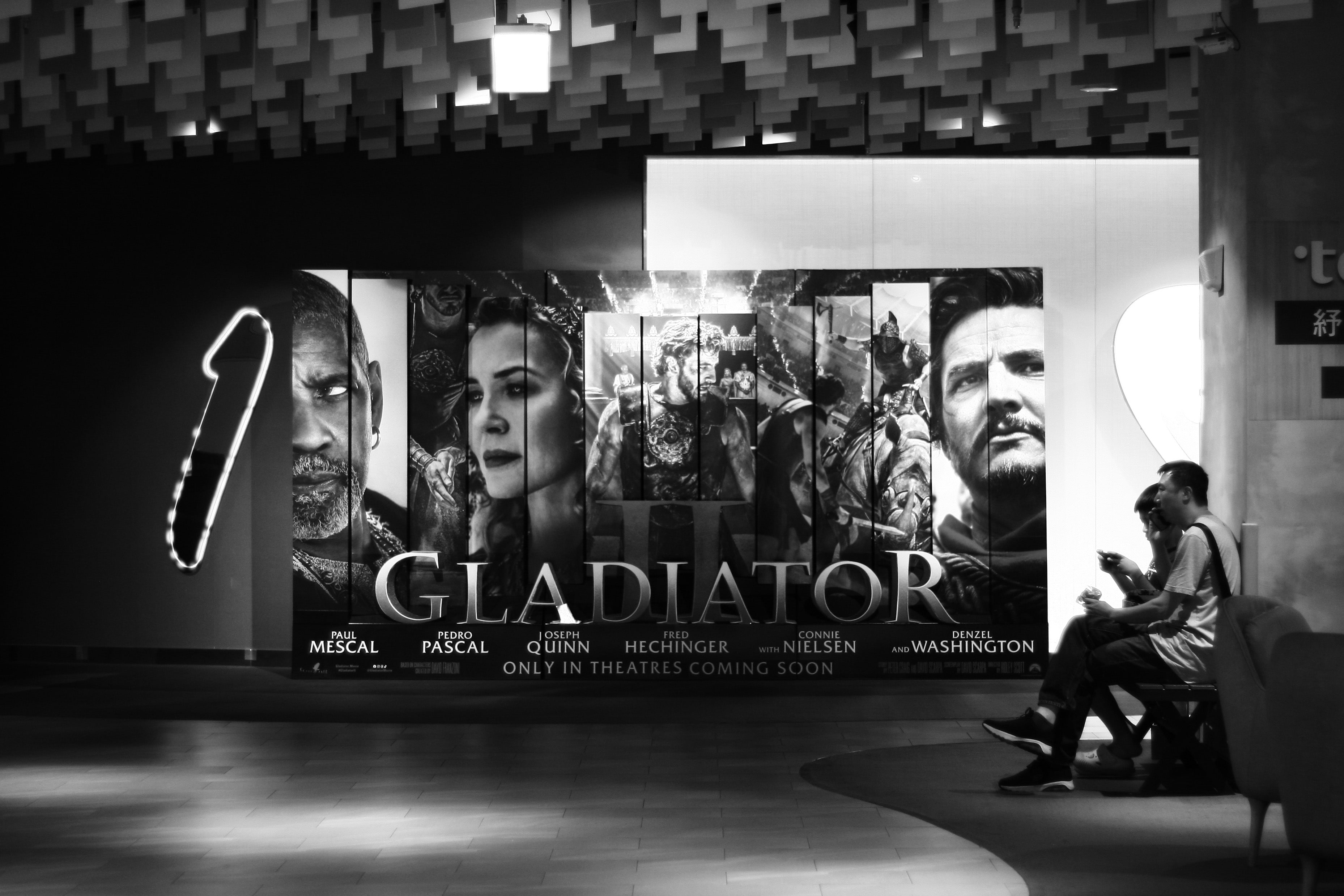
Gladiator II, after who knows how many years. While writing this piece I went and watched the trailer specially, but it didn't stir any urge to see the film.
Olympus OM Zuiko 50mm f1.8 (1/60, f1.8, ISO 400)
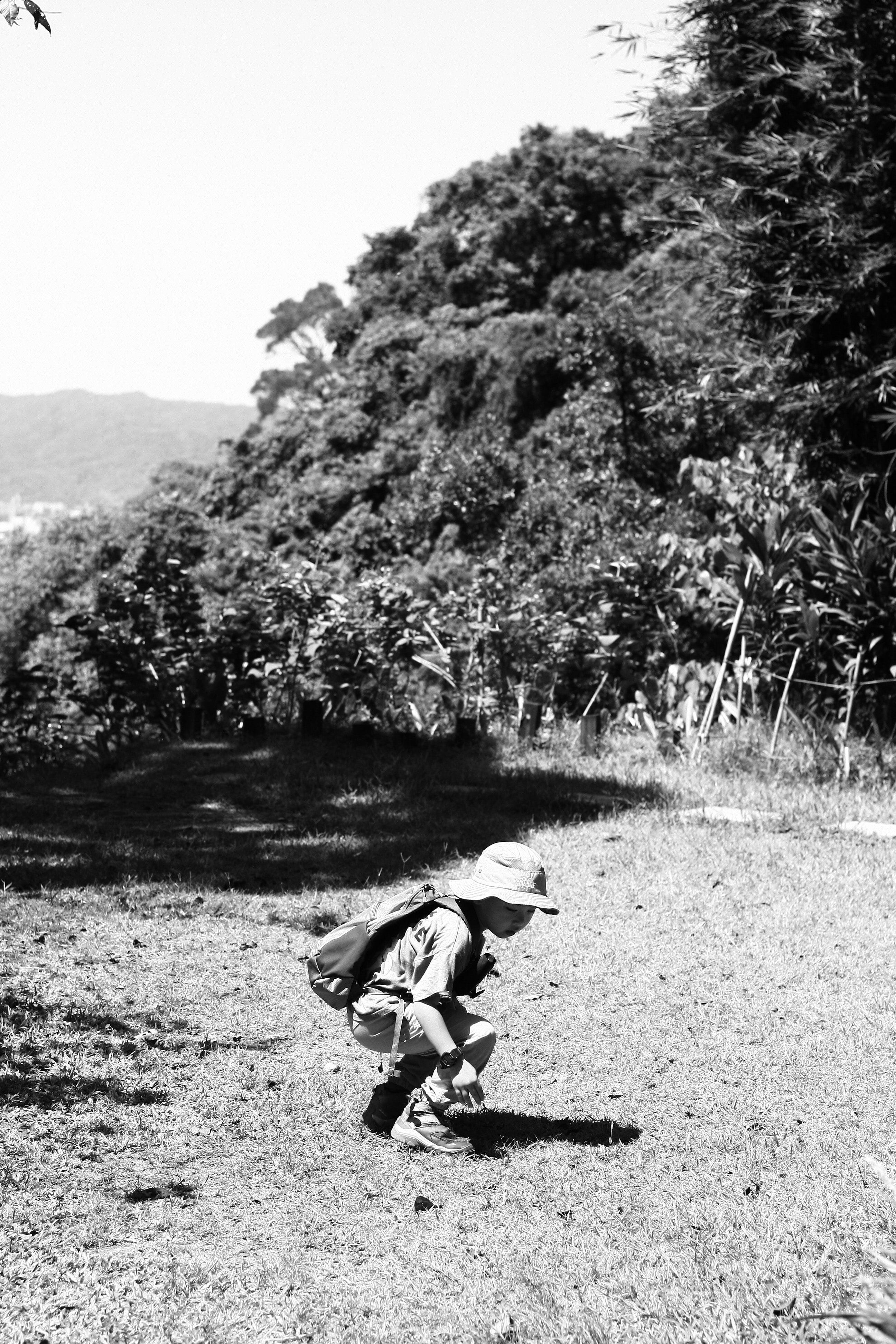
#24
Hiking with my son, who's about to try catching a grasshopper barehanded.
Olympus OM Zuiko 50mm f1.8 (1/2000, f4, ISO 400)
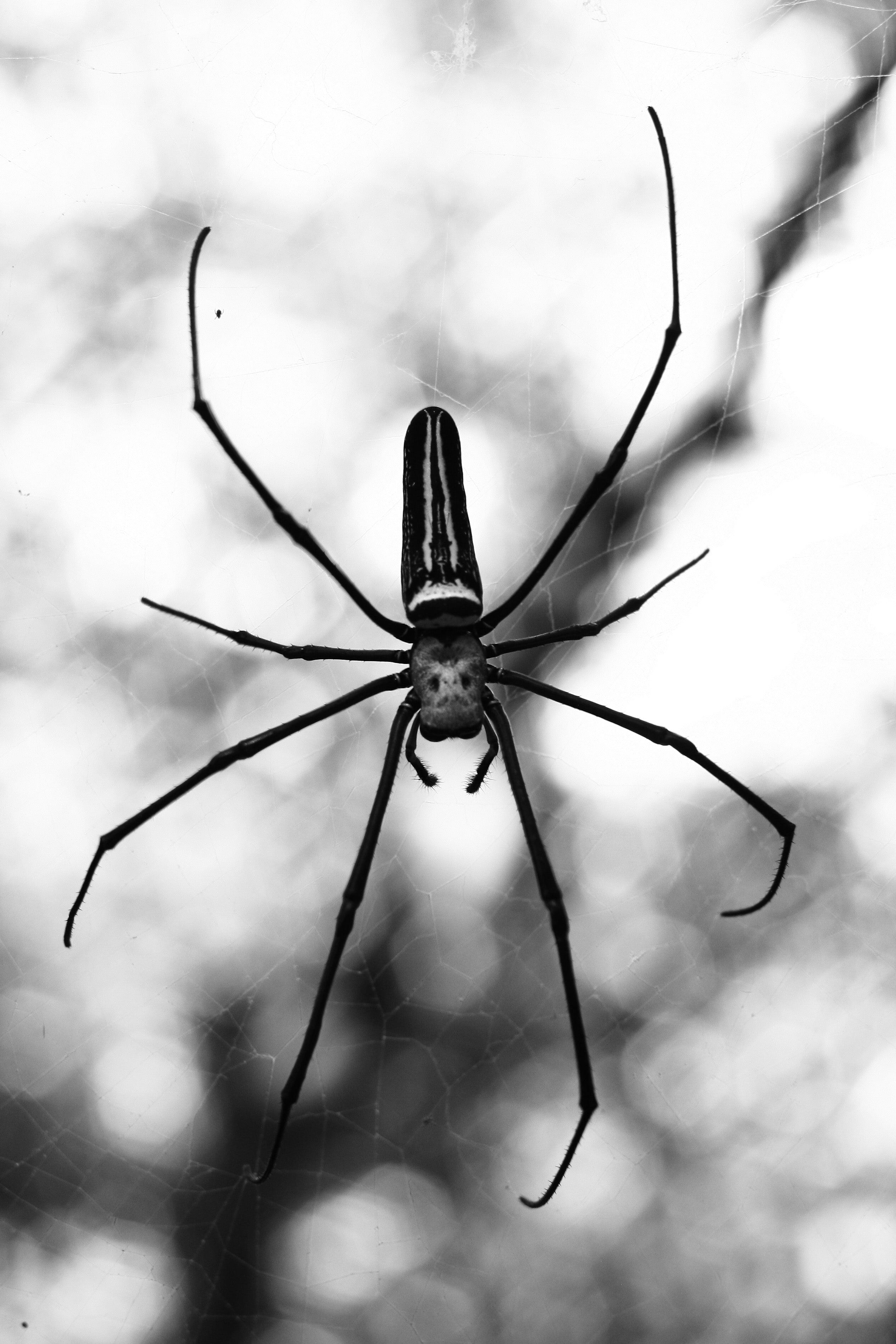
#25
The "human face" marking on a golden orb-weaver spider. It's rare to get a chance to shoot one this close.
Olympus OM Zuiko 50mm f1.8 (1/125, f4, ISO 400)
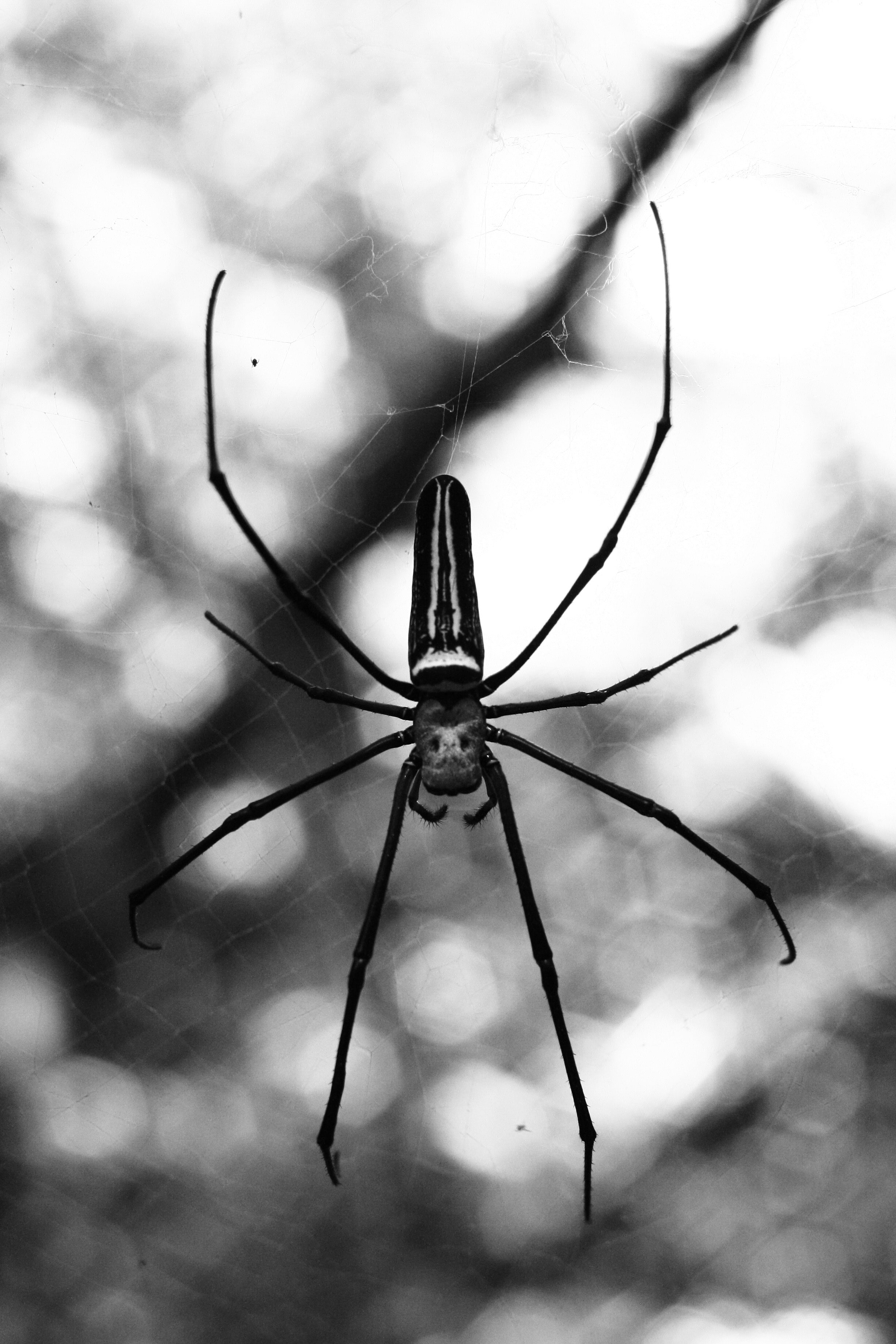
#26
Comparing image texture at the same aperture across different digital ISOs. Personally I prefer how the Canon 400D looks at ISO 1600; ISO 400 still doesn't sit right with me.
Olympus OM Zuiko 50mm f1.8 (1/500, f4, ISO 1600)
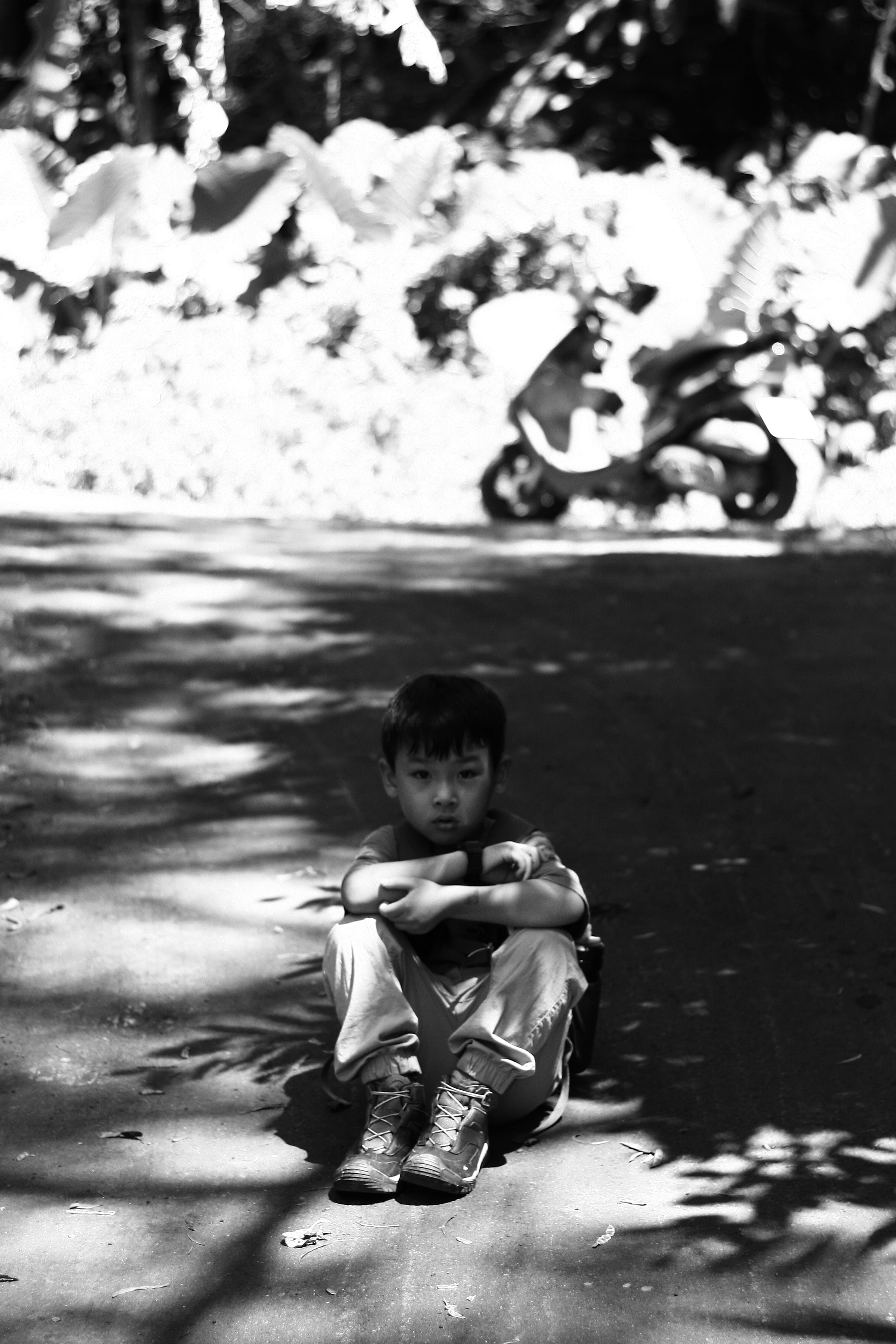
#27
Worn out from the hike, my son could barely keep walking.
Olympus OM Zuiko 50mm f1.8 (1/1000, f2.8, ISO 400)
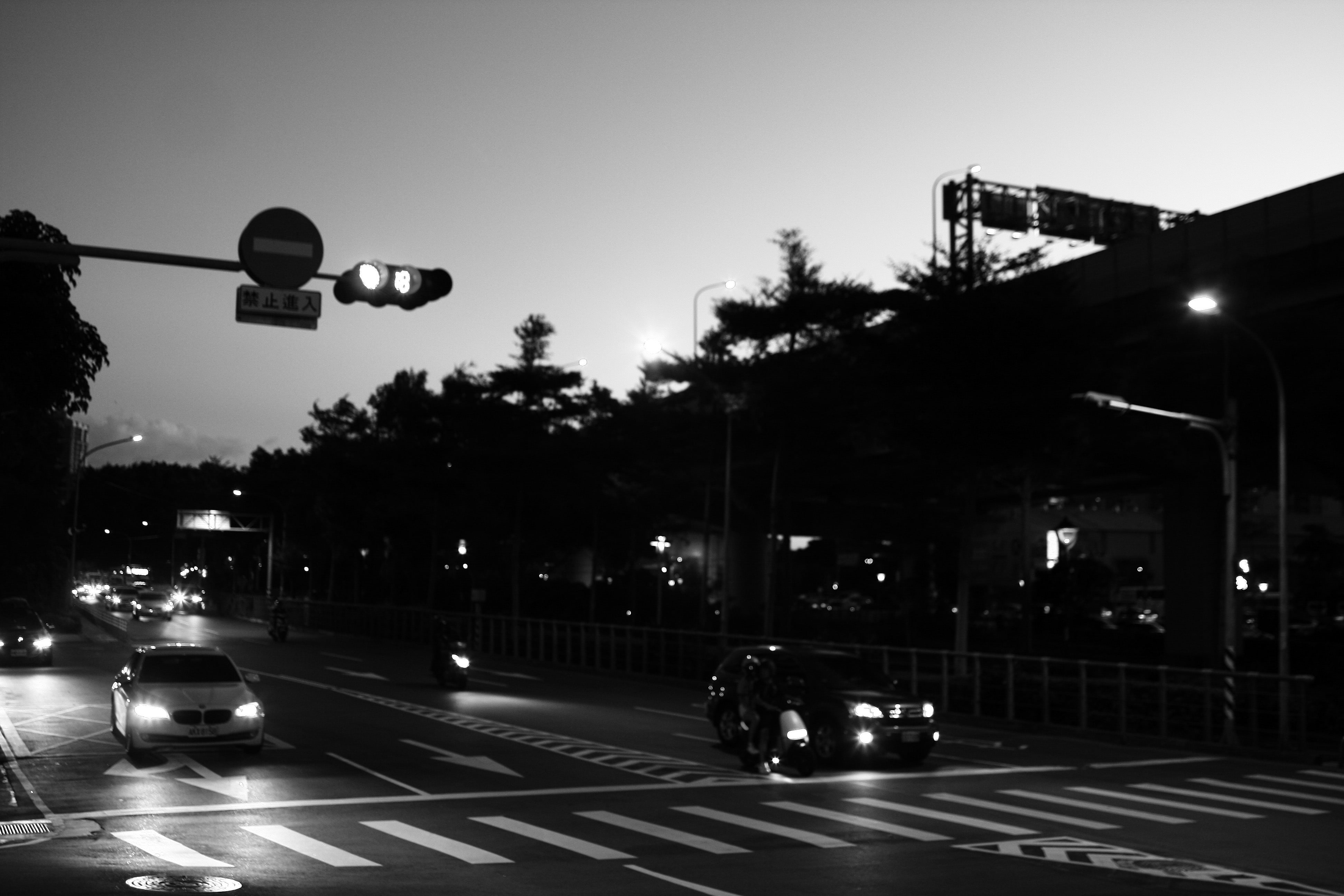
#28
From this frame on I switched to the 24mm lens, which in equivalent terms is close to a 35mm prime.
Olympus OM Zuiko 24mm f2 (1/30, f2.8, ISO 400)
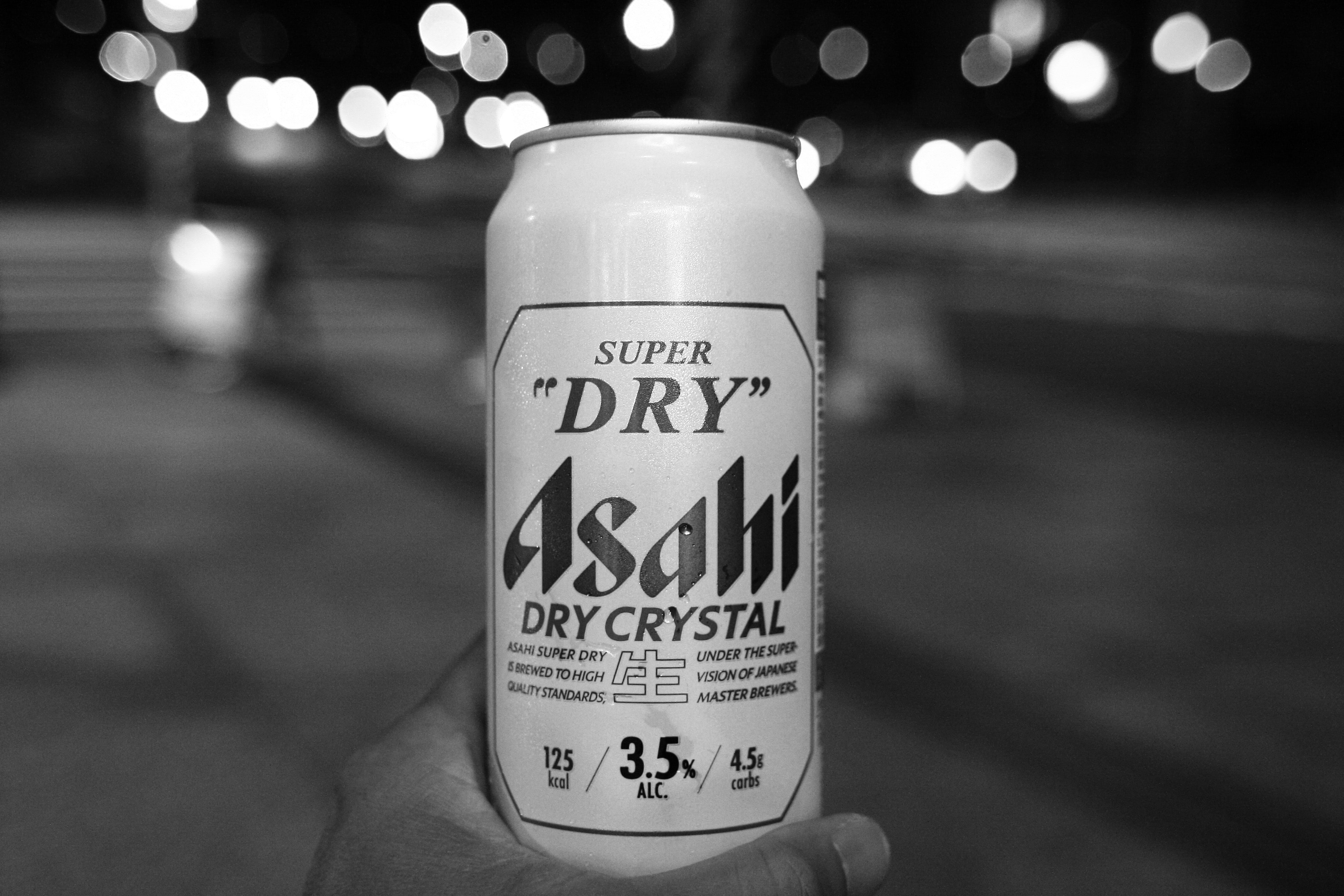
#29
I've completely forgotten how this one was taken. I just find the light and shadow in the frame badly unbalanced.
Olympus OM Zuiko 24mm f2 (1/60, f2.8, ISO 1600)
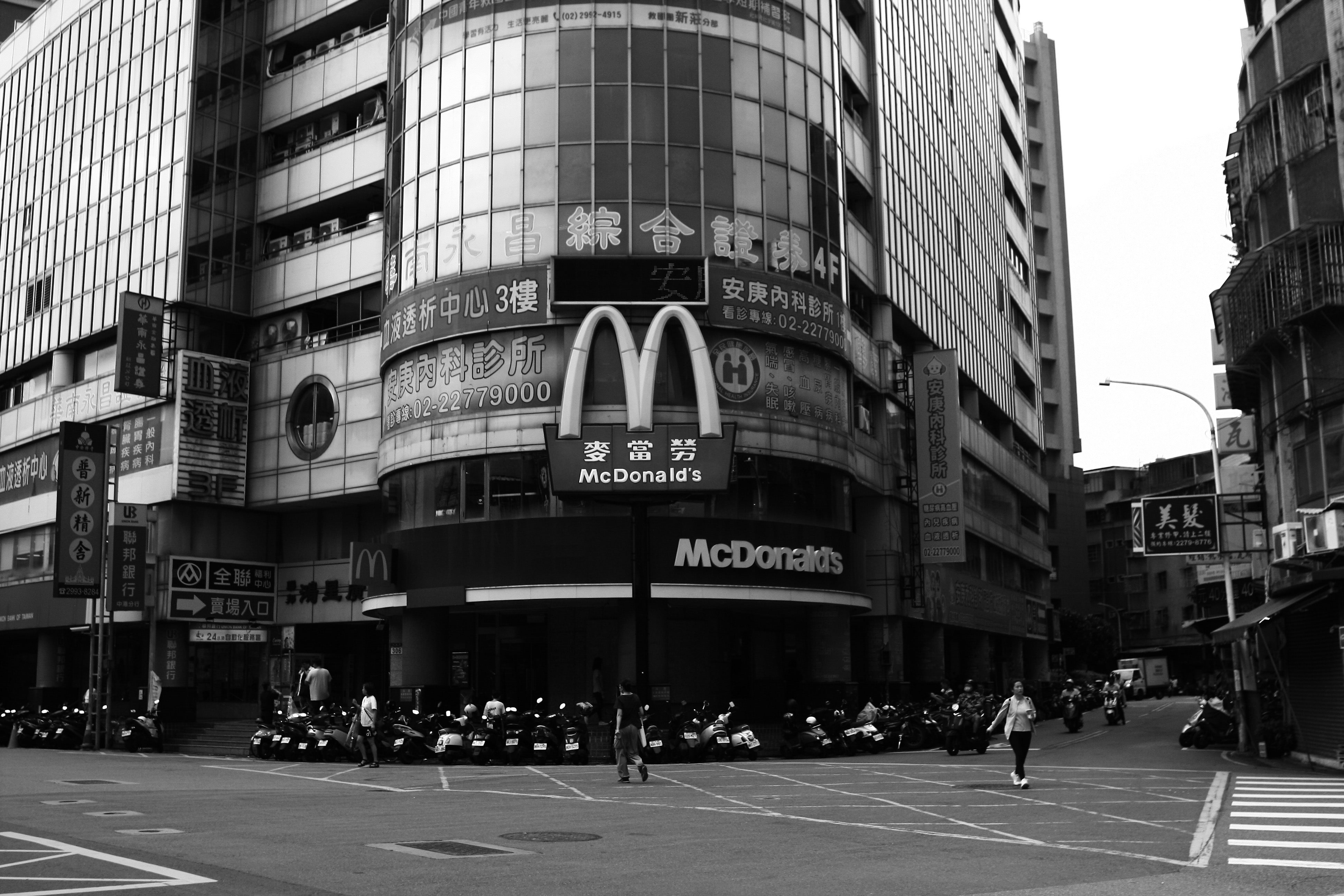
#30
A Thursday. Just finished work, about to go for a bike ride.
Olympus OM Zuiko 24mm f2 (1/1000, f4, ISO 400)
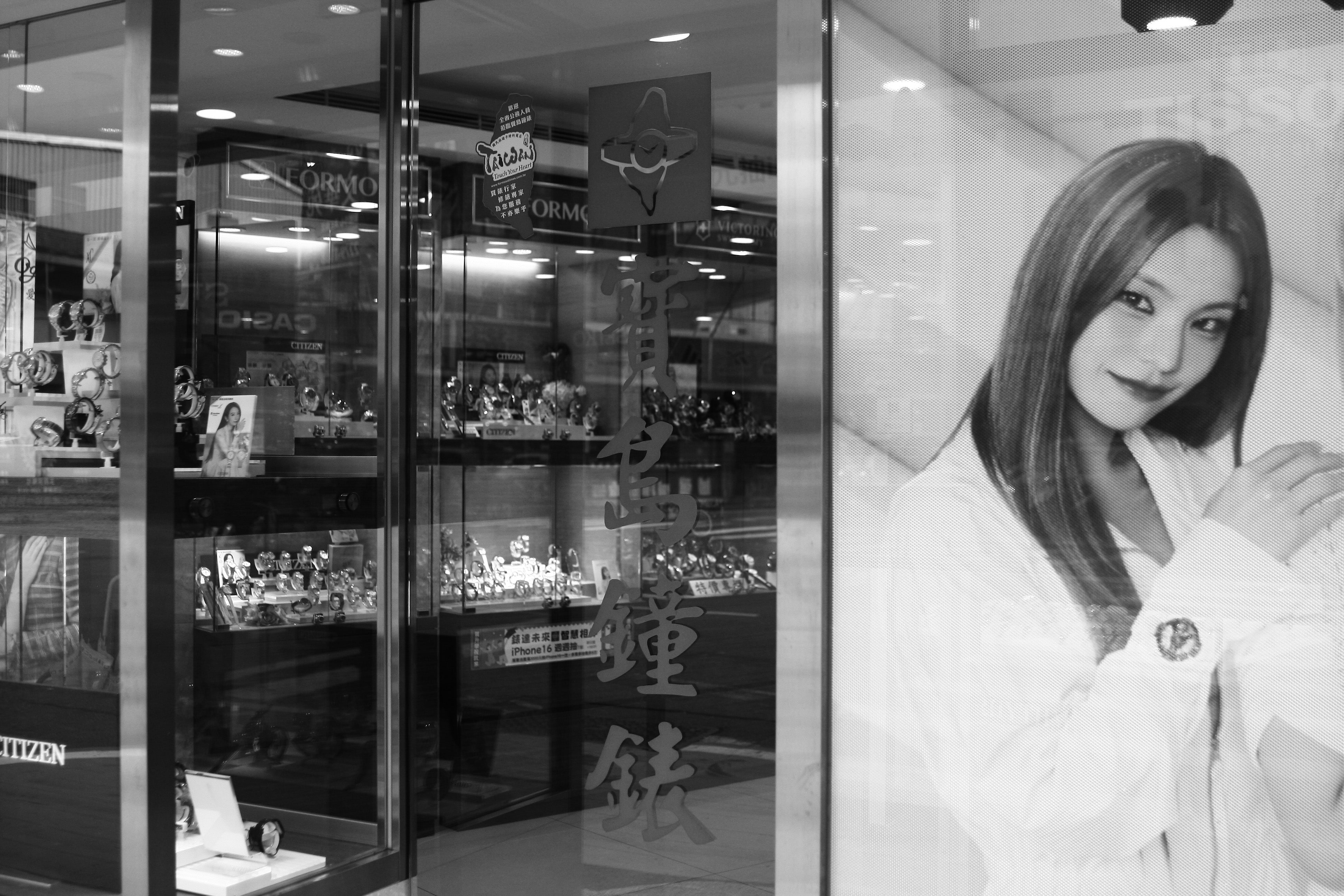
#31
I carry a stereotype that both Formosa Watch and Formosa Optical are "the most expensive places to buy things," a stereotype assembled entirely from hearsay and scraps of what I've been told.
Olympus OM Zuiko 24mm f2 (1/500, f2.8, ISO 400)

#32
I really like this month's book club pick, *I May Be Wrong*.
Olympus OM Zuiko 24mm f2 (1/125, f2.8, ISO 400)
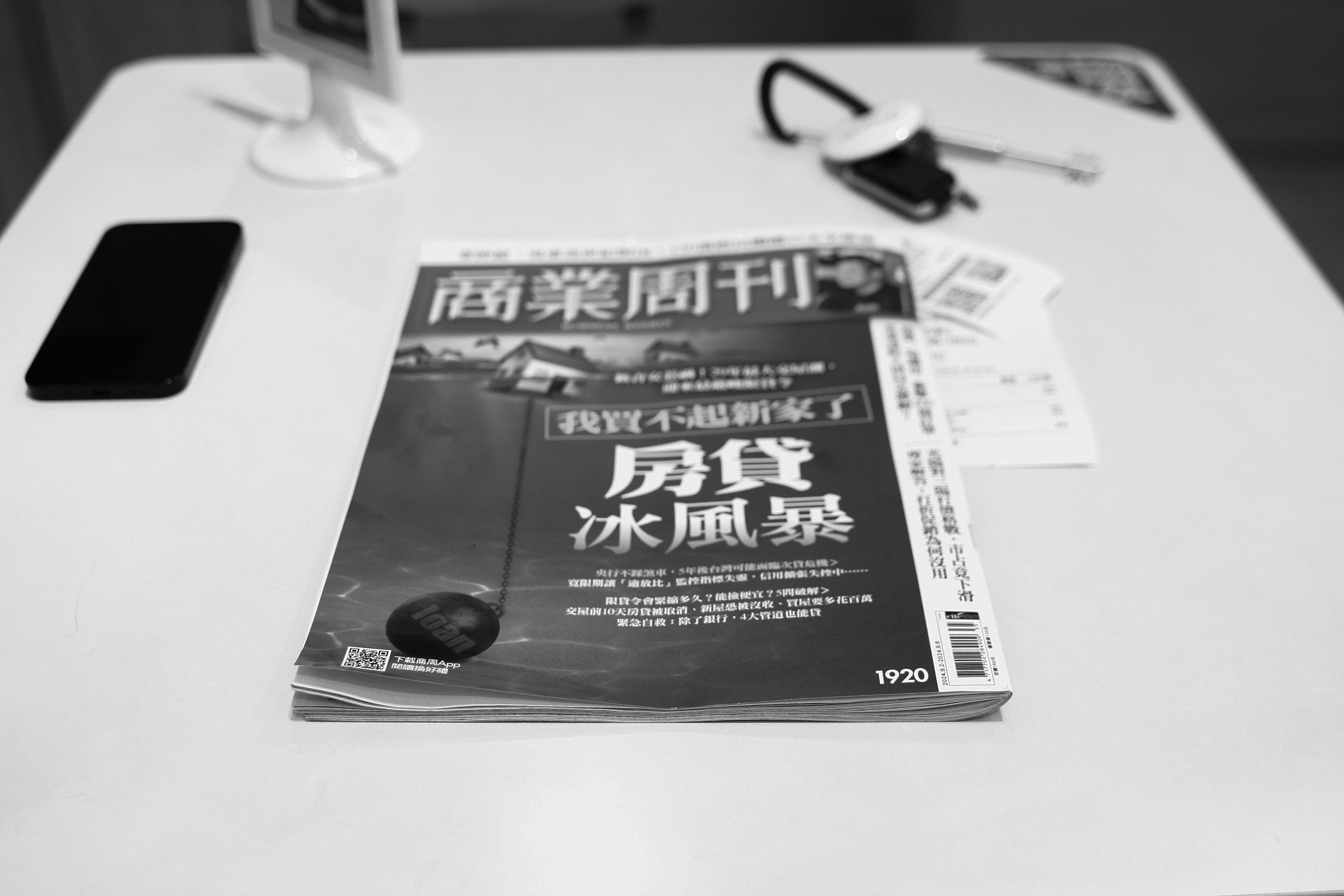
#33
Nobody around me reads Business Weekly, but I love it. I find their content has real depth, and their choice of topics is consistently good.
Olympus OM Zuiko 24mm f2 (1/125, f2.8, ISO 400)
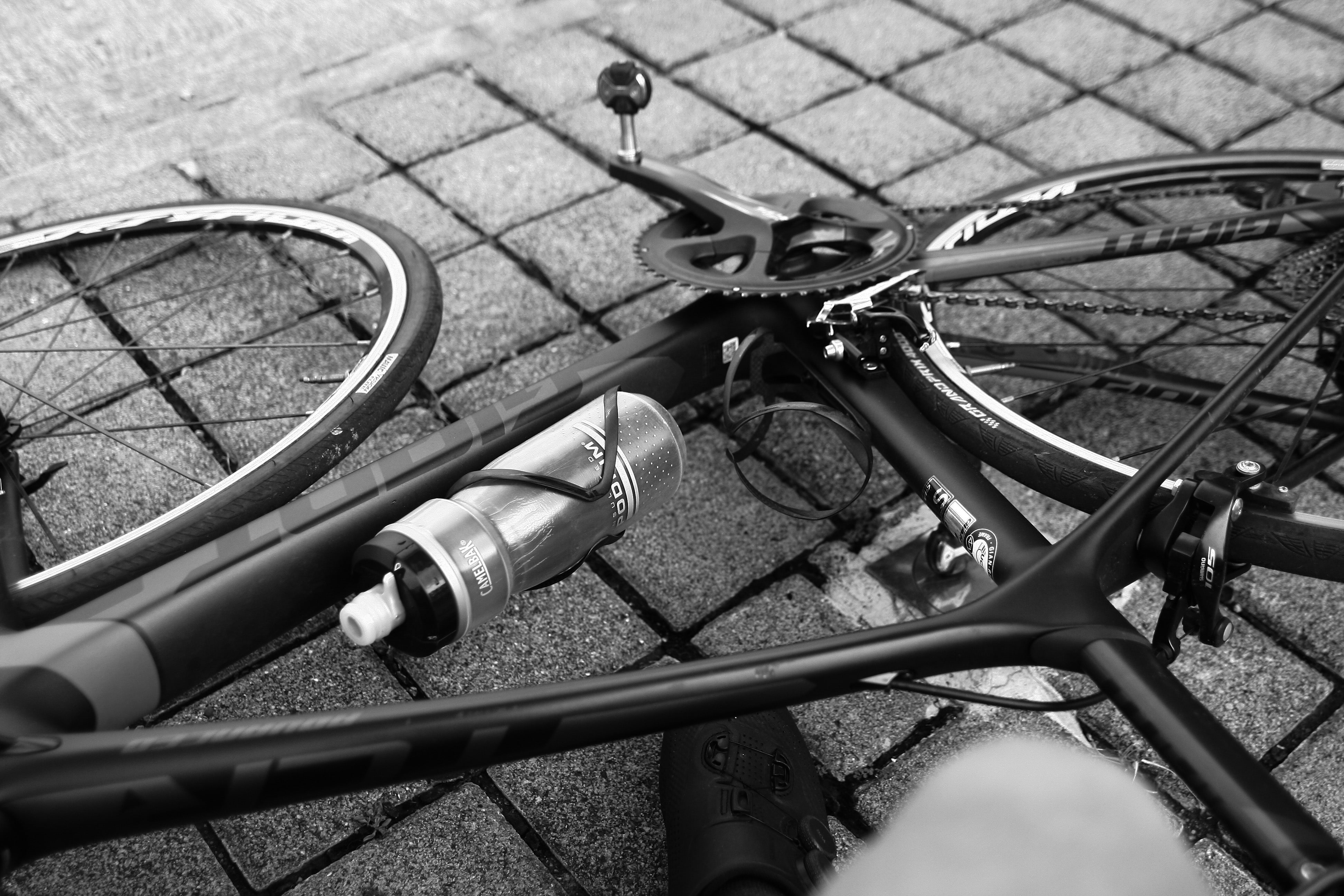
#34
A bike ride, one day.
Olympus OM Zuiko 24mm f2 (1/1000, f2.8, ISO 400)
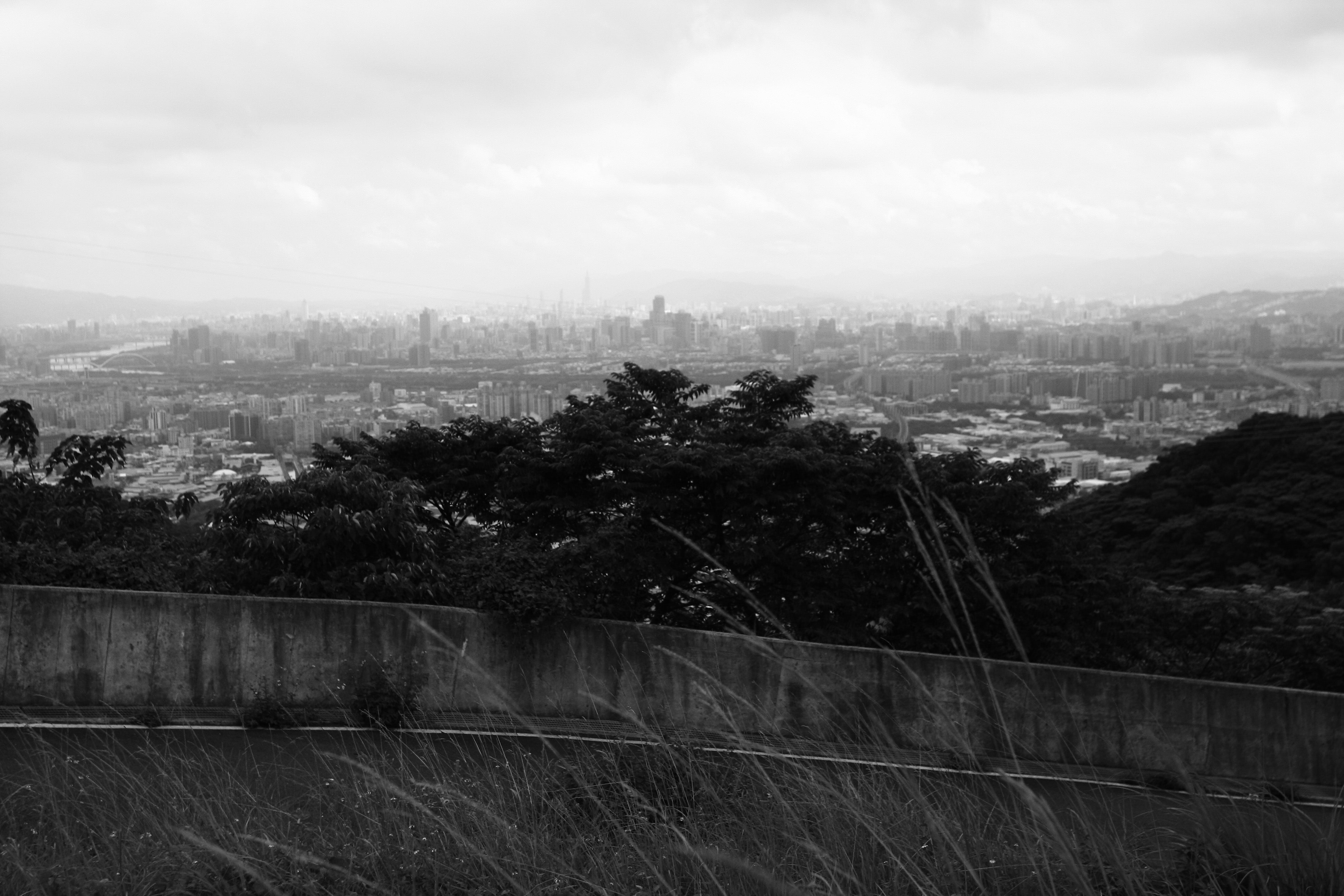
#35
For landscapes I still prefer a standard or medium telephoto angle of view, because when humans look at scenery, we naturally gaze toward the most distant point first — and a medium telephoto lens simulates that way of looking.
Olympus OM Zuiko 24mm f2 (1/2000, f4, ISO 400)
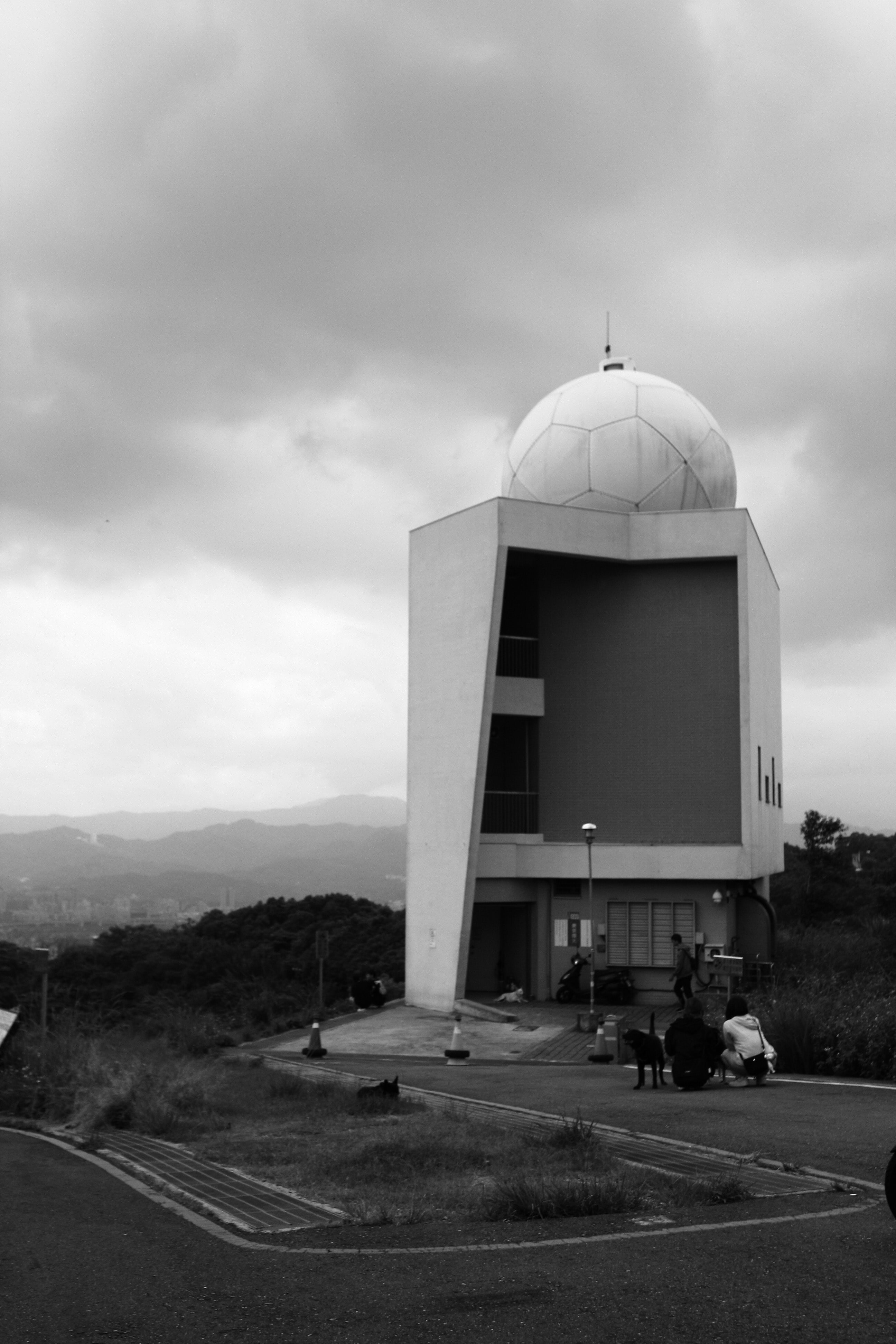
#36
I've shot this scene many times — analog, digital, different films, different formats. I've never managed to get the feeling of film out of digital.
Olympus OM Zuiko 24mm f2 (1/2000, f4, ISO 400)
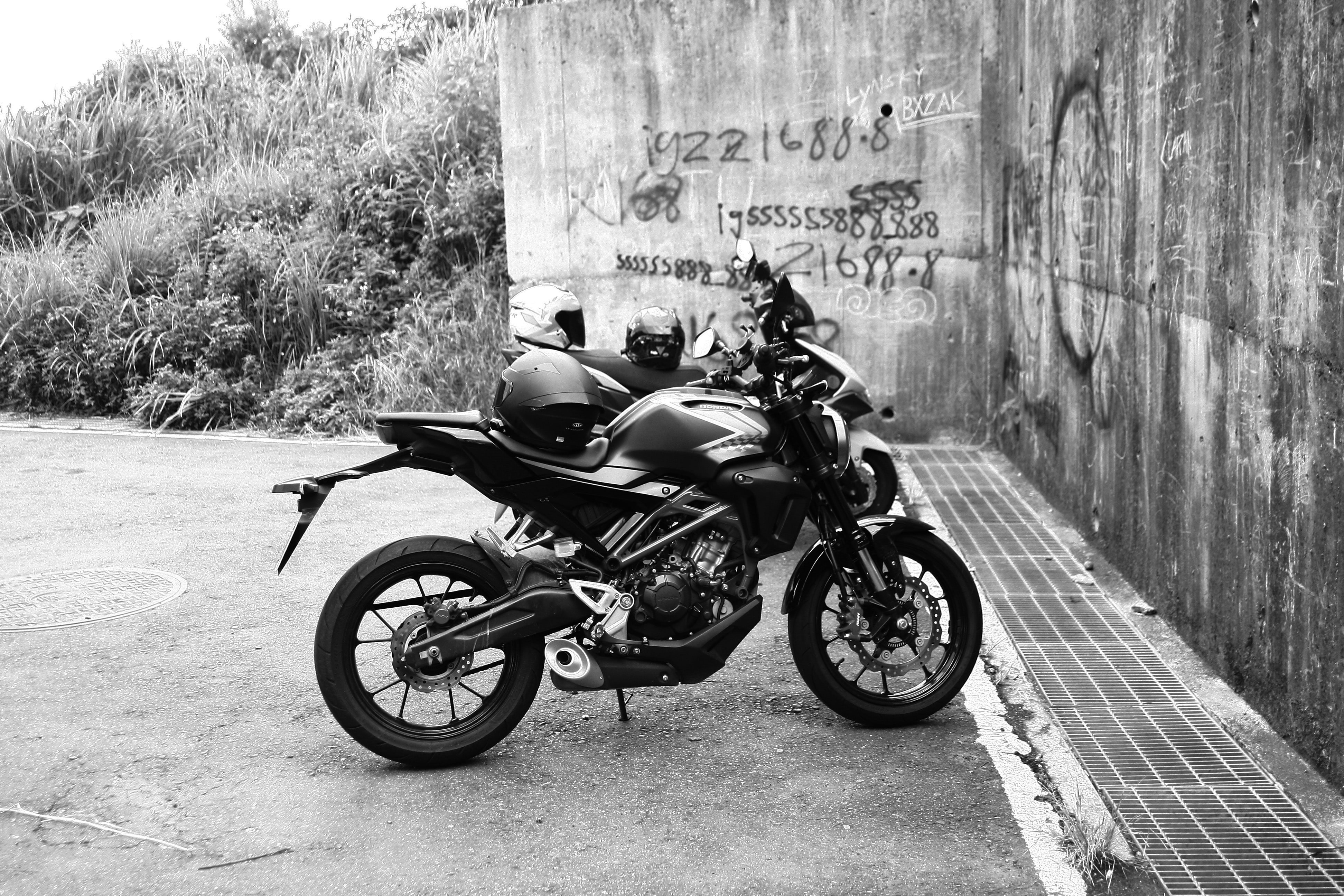
#37
Honda is a kind of faith. I suppose film is a kind of faith too.
Olympus OM Zuiko 24mm f2 (1/500, f2.8, ISO 400)
That's this digital roll — Canon EOS 400D. Thanks for reading!